
Have you ever felt overwhelmed by the plethora of workout routines available online? You are not alone. Crafting a personalized workout routine can seem daunting, but it doesn’t have to be. This guide will walk you through the steps to develop a workout plan tailored specifically for your needs and goals. Whether you’re aiming to lose weight, build muscle, improve endurance, or enhance overall health, a customized workout routine can help you achieve your objectives efficiently.

Understanding Your Goals
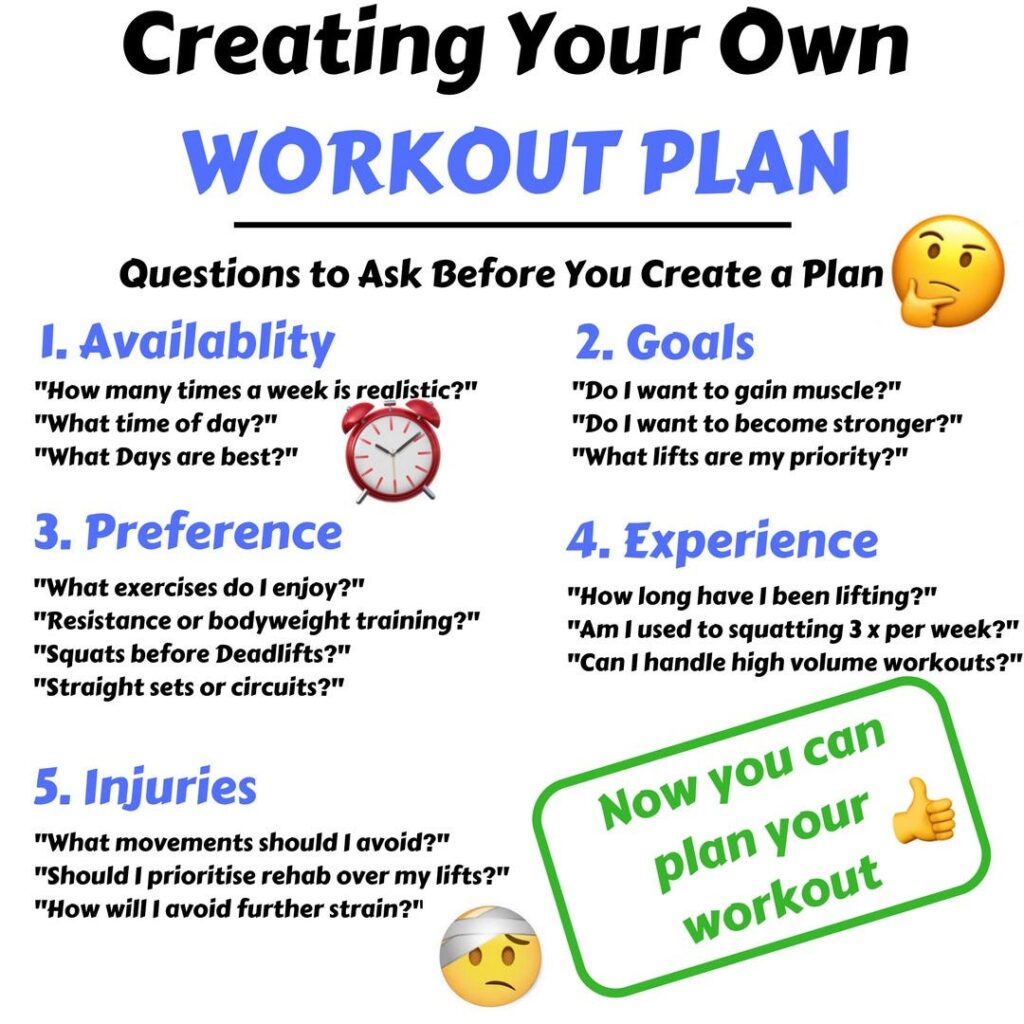
Before you begin, it’s important to understand what your specific fitness goals are. Your goals will dictate the kind of routine you need to follow, the exercises you should include, and the intensity of your workouts.
Short-term Goals
Short-term goals typically focus on immediate results and are often the first steps towards achieving long-term goals. These might include losing a specific amount of weight in three months or running a 5K within eight weeks. Setting short-term goals can provide instant gratification and enhance motivation.
Long-term Goals
Long-term goals are broader and focus on sustained progress over time. Examples might include maintaining a healthy weight over the course of a year, building muscle mass incrementally, or improving cardiovascular health. Long-term goals serve as the horizon you’re aiming for, ensuring you maintain consistency and dedication.
Assessing Your Current Fitness Level
Knowing where you stand is critical to creating a workout routine that fits your current capabilities and helps you improve safely and steadily. Assessing your current fitness level will help avoid injury and ensure the workouts are neither too easy nor too taxing.
Self-assessment Tests
You can begin with some basic self-assessment tests to gauge your fitness level. These can include:
- Cardiovascular Fitness: Time yourself running or brisk walking a mile and note how long it takes.
- Strength: Record how many push-ups, sit-ups, or squats you can perform in a minute.
- Flexibility: Test your flexibility with a simple sit-and-reach test.
- Body Composition: Measure your weight and body fat percentage if possible.
Professional Assessment
For a more accurate and comprehensive assessment, consider consulting with a fitness professional. They can provide more detailed insights into your cardiovascular health, muscle strength, endurance, and flexibility.
Choosing the Right Workout Routine Components
A well-rounded workout routine should include various types of exercises to ensure balanced fitness. Here are the primary components to consider:
Cardiovascular Exercises
Cardiovascular or aerobic exercises are essential for improving heart health and stamina. Activities can range from running, cycling, and swimming to high-intensity interval training (HIIT).
Strength Training
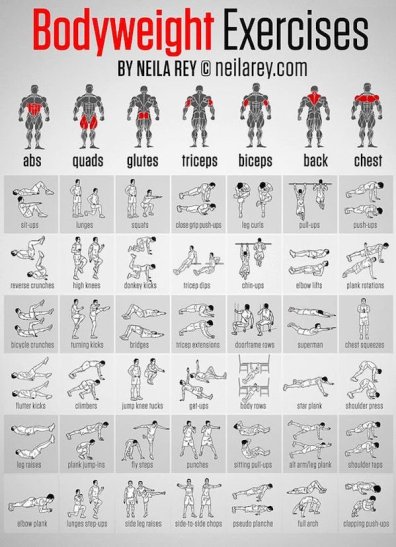
Strength training helps build muscle mass, increase metabolism, and improve overall strength. This can be achieved through weight lifting, resistance band exercises, or body weight exercises such as push-ups and squats.
Flexibility and Mobility
Flexibility exercises, such as yoga or stretching routines, improve your range of motion and prevent injuries. Mobility exercises focus on the movement of joints and can be part of your warm-up or cool-down.
Balance and Stability
Balance and stability exercises are often overlooked but crucial for overall fitness. These exercises can help improve your posture and coordination. Examples include single-leg stands, balance board exercises, and certain yoga poses.
Structuring Your Workout Routine
With a clear understanding of your goals and fitness level, you can start structuring your workout routine. A well-balanced routine usually involves working out multiple times a week, incorporating different types of exercises.
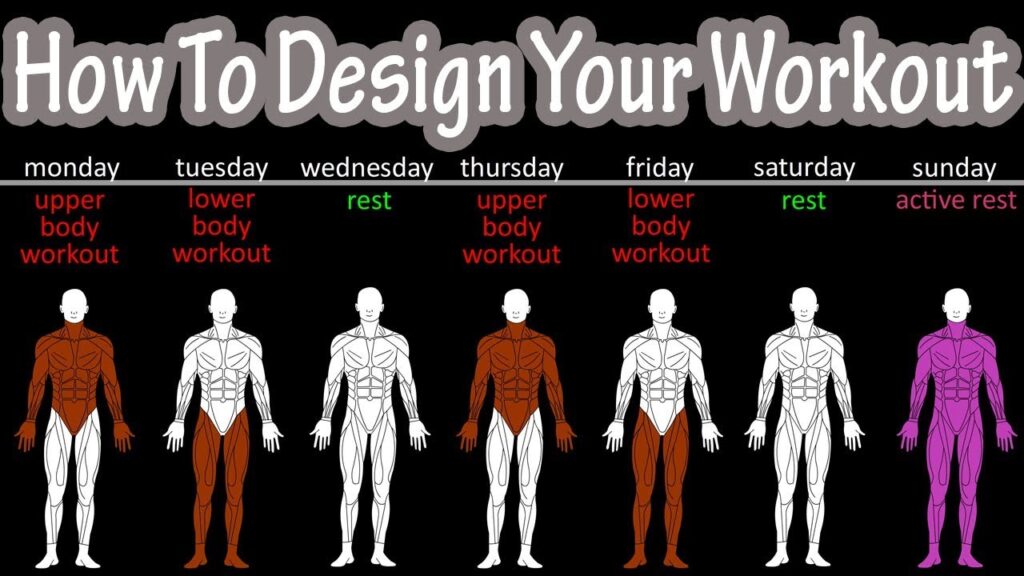
Weekly Schedule Example
Here’s an example of a balanced weekly schedule. Adjust it according to your own goals and availability:
| Day | Activity |
|---|---|
| Monday | Strength Training (Upper Body) |
| Tuesday | Cardiovascular Exercise (30 – 45 minutes) |
| Wednesday | Flexibility and Mobility (Yoga or Stretching) |
| Thursday | Strength Training (Lower Body) |
| Friday | Cardiovascular Exercise (HIIT) |
| Saturday | Rest or Light Activity (Walking) |
| Sunday | Balance and Stability (Yoga or Pilates) |
Tips for Structure
- Consistency: Schedule your workouts at the same time each day to build a routine.
- Variety: Change up your exercises every few weeks to avoid plateaus and keep things interesting.
- Rest Days: Incorporate rest days to allow your muscles to recover and grow.
Setting Realistic Expectations
Setting realistic and manageable goals helps prevent burnout and discouragement. Here’s how:
SMART Goals
Use the SMART framework to set your fitness goals.
- Specific: Make your goals clear and specific. Instead of “I want to get fit,” aim for “I want to run a 5K in under 30 minutes.”
- Measurable: Ensure your goals can be measured. Track your progress in a journal or fitness app.
- Achievable: Set goals that are challenging yet attainable based on your current fitness level.
- Relevant: Align your goals with your broader objectives and motivations.
- Time-bound: Set a timeframe to achieve your goals. This provides a sense of urgency and helps maintain focus.
Progress Monitoring
Tracking your progress is vital for staying motivated and making necessary adjustments to your routine.
Journaling
Keep a fitness journal to record your workouts, track progress, and note how you feel after each session. This can offer insights into what works best for you.
Fitness Apps
Use fitness apps that can log workouts, monitor your diet, and track your performance. Some popular options include MyFitnessPal, Strava, and Fitbit.
Regular Assessments
Regularly assess your fitness level to see how far you’ve come and whether you need to modify your routine. Perform the same tests you did initially every four to six weeks.
Overcoming Common Obstacles
Everyone faces obstacles on the road to fitness. Here are some common challenges and how to overcome them:
Time Constraints
If you’re short on time, opt for high-intensity workouts that can be completed in 30 minutes or less. Also, try incorporating physical activity into your daily routine, such as walking or cycling to work.
Lack of Motivation
Staying motivated can be tough. Keep your goals visible, find a workout buddy, or join a fitness class to keep yourself accountable.
Physical Limitations
Injuries or chronic conditions can hinder your activity. Consult with a healthcare provider to create a modified workout plan that accommodates your limitations.
Adapting and Evolving Your Routine
Your fitness needs will change over time, and your routine should evolve accordingly.
Listening to Your Body
Pay attention to how your body responds to different exercises. If you’re constantly sore or fatigued, it might be time to scale back or modify your routine.
Gradual Progression
Increase the intensity or duration of your workouts gradually. For instance, if you’re lifting weights, slowly increase the weight as you get stronger.
Seeking Professional Help
If you’re unsure about the next steps in your fitness journey, don’t hesitate to seek help from a fitness trainer or healthcare provider. They can offer personalized advice and adjust your routine to suit your needs.
Keeping It Fun and Engaging
A workout routine should be something you look forward to, not a chore.
Try New Activities
Keep things fresh by trying new activities such as dancing, rock climbing, or even team sports. This keeps the excitement alive and works different muscle groups.
Set Mini-Challenges
Setting small, fun challenges can keep you motivated. For example, aim to beat your personal best in a certain exercise or try a new workout every month.
Celebrate Milestones
Reward yourself when you reach milestones. This could be as simple as a new workout outfit, a massage, or a day off to do something you love.
Conclusion
Creating a personalized workout routine is a journey that involves understanding your goals, assessing your fitness level, and finding the right balance of exercises. Consistency, realistic goal-setting, and periodic assessments will keep you on track. Adapt your routine to meet your evolving needs, and most importantly, make it enjoyable. With a well-structured, personalized workout routine, you’ll be well on your way to achieving your fitness goals. Now is the time to take control of your fitness journey and create a routine that suits you perfectly.
