
Have you ever wondered what’s the best way to kickstart your fitness journey with cardio workouts? Whether you’re new to exercising or looking to add variety to your routine, starting with beginner-friendly cardio exercises can make a world of difference. Cardio workouts, in particular, are fantastic for improving your heart health, burning calories, and boosting your mood. Let’s discuss the best beginner cardio workouts that can help you jump-start your fitness journey effectively and safely.

Why Choose Cardio Workouts?
Cardio workouts are an excellent choice for beginners because they are accessible and can be tailored to any fitness level. They focus on increasing your heart rate, which helps in burning calories and strengthening your heart and lungs. Moreover, these workouts tend to be relatively simple and don’t require a lot of equipment, making them perfect for those who are just starting out.
Benefits of Cardio Workouts
Cardio workouts come with a plethora of benefits. They help in weight loss, improve cardiovascular health, increase stamina, reduce stress, and even enhance sleep quality. Besides, many cardio exercises can be fun, which is crucial when you are trying to make fitness a regular part of your life.
Here is a brief overview of the benefits:
| Benefit | Description |
|---|---|
| Weight Loss | Burns a significant number of calories |
| Cardiovascular Health | Strengthens the heart and lungs, improving circulation |
| Increased Stamina | Boosts your overall energy levels and endurance |
| Stress Reduction | Releases endorphins that improve your mood and alleviate stress |
| Better Sleep Quality | Helps regulate sleeping patterns and improves the quality of sleep |
Getting Started: Key Considerations
Before diving into specific workouts, it’s essential to understand some foundational elements. Getting the basics right will ensure you get the most out of your cardio workouts and avoid injuries.
Set Realistic Goals
As a beginner, setting realistic and achievable goals is crucial. Start with what feels comfortable and gradually increase your intensity and duration. Setting milestones like “jog for 20 minutes without stopping” or “complete a bike ride around the neighborhood” can keep you motivated without overwhelming you.
Listen to Your Body
Your body knows best. Pay attention to how it responds to the exercises, especially in the beginning. If you feel pain or excessive fatigue, it’s important to rest or modify your workout. Progress may be slow initially, but consistent effort will pay off in the long run.
Proper Warm-Up and Cool-Down
Never underestimate the importance of warming up before starting your workout and cooling down when you finish. A proper warm-up preps your muscles and increases your heart rate gradually, reducing the risk of injuries. Similarly, cooling down helps in bringing your heart rate back to normal and aids in muscle recovery.

The Best Beginner Cardio Workouts
Now that you’ve got the basics down, let’s go over some of the best cardio workouts that are perfect for beginners. These exercises are simple, effective, and can be done with minimal equipment.
Walking
Walking is perhaps the most accessible form of cardio for beginners. You don’t need any special equipment—just a good pair of walking shoes. It’s an excellent way to get your heart rate up while enjoying some fresh air. Start by walking for about 20-30 minutes at a pace that feels comfortable and gradually increase your time and speed.
Brisk Walking
Once regular walking becomes too easy, switch to brisk walking. This involves walking at a faster pace which increases the intensity of your workout, helping you burn more calories and improving cardiovascular fitness. Aim for a pace where you can still talk but feel slightly out of breath.
Running and Jogging
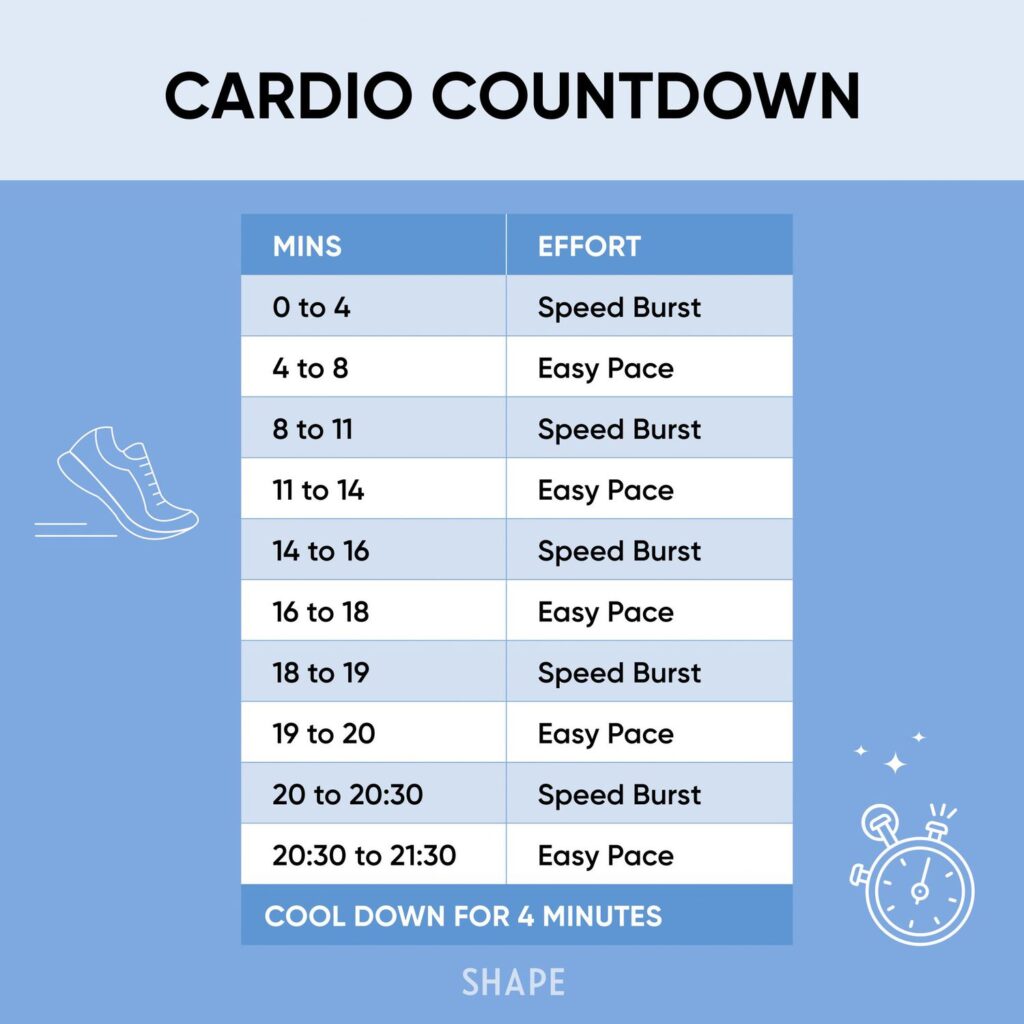
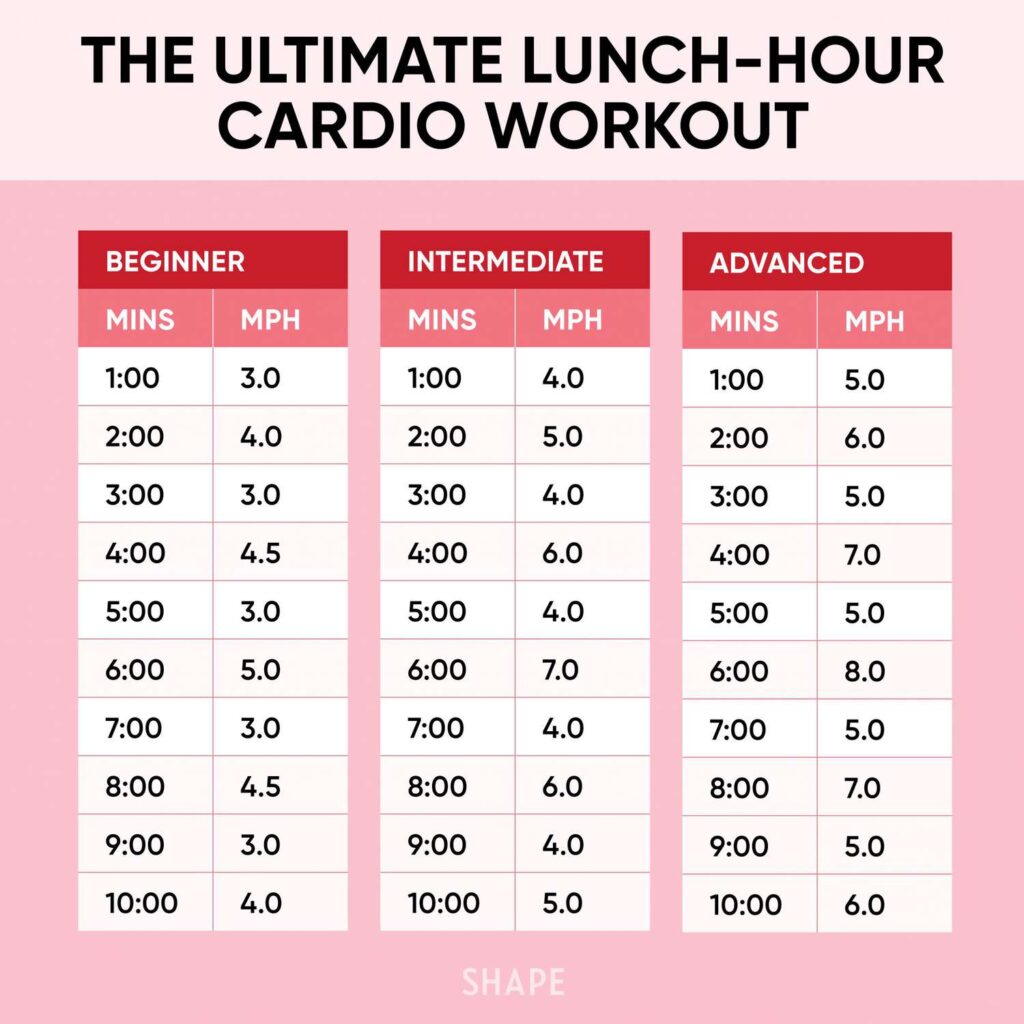
When you feel ready, you can transition from walking to jogging or running. Start with short intervals of jogging mixed with walking. For example, jog for one minute, then walk for two minutes. Gradually increase the jogging intervals while reducing the walking periods. This method, known as interval training, is highly effective for building endurance.
Cycling
Cycling is another low-impact workout that’s fantastic for cardiovascular health. Whether you prefer a stationary bike or outdoor cycling, this exercise helps in building leg strength and stamina. Start with 20-minute sessions and gradually work your way up to longer rides. Make sure your bike is adjusted correctly to avoid discomfort or injury.
Swimming
Swimming is an excellent full-body workout that’s easy on the joints, making it a superb choice for beginners. It works various muscle groups while providing cardiovascular benefits. Start slow with basic strokes like freestyle or breaststroke and swim for about 20-30 minutes. You can incorporate different strokes and increase your swimming time as you get more comfortable.
Jump Rope
Jumping rope is a highly effective cardio workout that doesn’t require a lot of space or expensive equipment. It helps in improving coordination, burning calories, and boosting cardiovascular health. Start with short sessions, say 1-2 minutes, and gradually increase your jump rope intervals as you build stamina.
Dancing
Cardio doesn’t always have to be conventional. Dancing is a fun and energetic way to get your heart rate up. Whether you join a dance class or just dance around your living room, it’s a great way to burn calories and improve your fitness level. Aim for sessions of 20-30 minutes.
Hiking
If you enjoy being outdoors, hiking can be a fantastic cardio workout. It combines the benefits of walking with the additional challenge of varied terrain. Start with easier trails and gradually progress to more challenging ones. Make sure you have a good pair of hiking shoes and stay hydrated.
Sample Cardio Workout Plans
To give you a clearer picture, here are a couple of sample workout plans that you can follow as a beginner.
Plan 1: Week 1 to Week 2
| Day | Workout | Duration |
|---|---|---|
| Monday | Brisk Walking | 30 minutes |
| Tuesday | Rest | N/A |
| Wednesday | Cycling | 20 minutes |
| Thursday | Brisk Walking | 30 minutes |
| Friday | Jump Rope | 10 minutes |
| Saturday | Rest | N/A |
| Sunday | Hiking | 1 hour |
Plan 2: Week 3 to Week 4
| Day | Workout | Duration |
|---|---|---|
| Monday | Jogging/Running | 20 minutes |
| Tuesday | Swimming | 30 minutes |
| Wednesday | Rest | N/A |
| Thursday | Cycling | 30 minutes |
| Friday | Jump Rope | 15 minutes |
| Saturday | Dancing | 30 minutes |
| Sunday | Rest | N/A |
Tracking Your Progress
Monitoring your progress is vital to staying motivated and seeing real improvements. Keep a workout journal or use fitness apps to track your workouts, duration, and intensity. Note how you feel before, during, and after each session to understand your body’s responses to different exercises.
Use Fitness Apps and Wearables
Fitness apps and wearables can provide valuable insights into your workouts. They can track your steps, heart rate, calories burned, and even your sleep patterns. Some popular fitness apps include MyFitnessPal, Strava, and Fitbit. Using these tools can make it easier to set goals and stay committed to your fitness journey.
Celebrate Milestones
When you hit a fitness milestone, take the time to celebrate your achievement. Whether it’s running your first mile without stopping or completing a month of consistent workouts, acknowledging your progress can boost your motivation and keep you on track.
Staying Motivated
Starting a fitness journey is one thing, but staying motivated can be challenging. Here are some tips to help you keep going:
Find a Workout Buddy
Working out with a friend can make your exercise routine more enjoyable and help you stay accountable. Choose someone who has similar fitness goals and preferences to maximize the benefits of exercising together.
Change It Up
Routine can lead to boredom, which can, in turn, affect your motivation. Keep things exciting by trying new workouts or varying your routine. Mix and match different cardio exercises to keep your workouts interesting and challenging.
Set New Goals
As you achieve your initial fitness goals, continue to set new ones. Whether it’s increasing the duration of your workouts, trying a new form of exercise, or participating in a local run, having goals keeps you focused and motivated.
Overcoming Common Challenges
Facing challenges is part of the fitness journey. Here’s how to tackle some common obstacles:
Limited Time
Many people struggle with making time for workouts. The key is to prioritize your health. Even short bouts of exercise, like a 10-minute brisk walk or a quick jump rope session, can be beneficial. Work on scheduling your workouts just like any other important activity.
Lack of Energy
Feeling tired can be a significant barrier to exercise. Yet, regular physical activity can actually boost your energy levels. Try to work out at a time of day when you feel most energetic. Eating a balanced diet and staying hydrated also play a role in maintaining energy levels.
Physical Discomfort
Experiencing discomfort, especially in the beginning, is common. However, persistent pain is not normal. Make sure to wear appropriate footwear, start with low-impact exercises, and gradually increase your workout intensity. Consult a healthcare professional if you experience acute or persistent pain.
Incorporating Cardio into a Broader Fitness Regimen
While cardio is fantastic for your heart and overall health, incorporating other forms of exercise can make your fitness routine more balanced and effective.
Strength Training
Adding strength training to your regimen can help build muscle mass and boost metabolism. Exercises like squats, lunges, and push-ups don’t require any equipment and can complement your cardio workouts.
Flexibility and Mobility Exercises
Flexibility exercises like yoga and stretching can aid in muscle recovery and improve your range of motion. Including these types of exercises in your fitness plan can help prevent injuries and enhance your overall physical well-being.
Nutrition
A well-rounded fitness journey includes proper nutrition. Eating a balanced diet rich in proteins, healthy fats, and complex carbohydrates will fuel your workouts and aid in recovery. Drinking plenty of water is equally important to stay hydrated, especially during intense workouts.
Conclusion
Starting your fitness journey with the right cardio workouts can set the tone for a healthier lifestyle. By choosing exercises that you enjoy and gradually increasing your intensity, you’ll find it easier to stick to your fitness routine. Remember, the key is consistency and listening to your body. Celebrate your milestones, stay motivated, and don’t hesitate to mix things up to keep your workouts exciting. Here’s to a healthier, more active you!