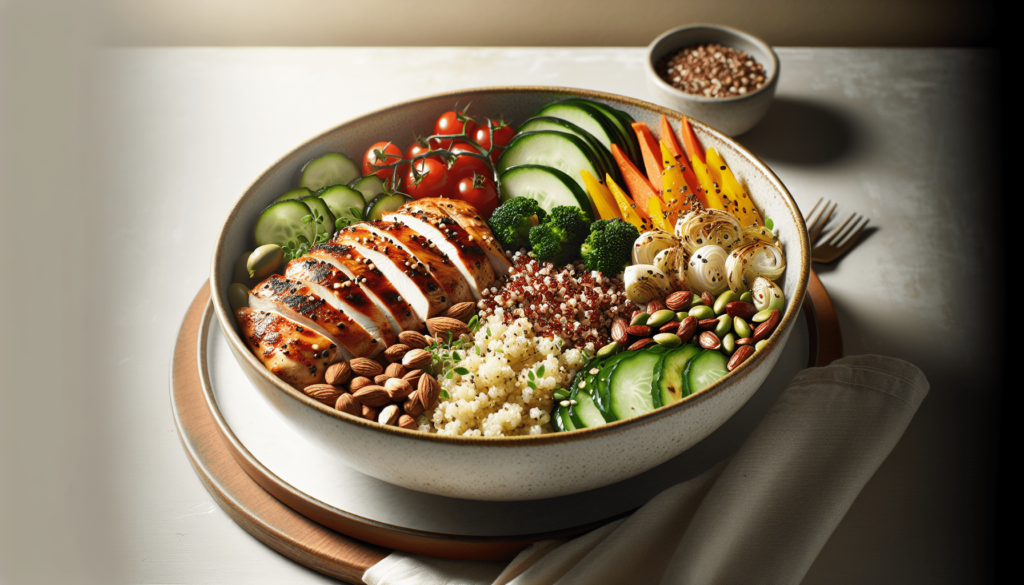
Have you ever wondered what it takes to achieve optimal performance and significant muscle growth through nutrition? Understanding advanced nutrition strategies can be the key to unlocking your fitness potential. In this article, we’ll explore sophisticated approaches to nutrition that can enhance your physical performance, accelerate muscle growth, and improve overall health.

Understanding Macronutrients
Protein: The Building Block of Muscle
Proteins are essential for muscle repair and growth. When you exercise, especially with resistance training, you create tiny tears in your muscle fibers. Consuming adequate protein helps rebuild these fibers, making them stronger and bigger over time.
Protein Requirements
The amount of protein you need can vary based on your activity level and goals. Here’s a general guideline:
- Sedentary individuals: 0.8 grams per kilogram of body weight
- Active individuals: 1.0 – 1.2 grams per kilogram of body weight
- Athletes and bodybuilders: 1.5 – 2.0 grams per kilogram of body weight
High-Quality Protein Sources
Make sure to include high-quality protein sources in your diet. Some excellent options include:
- Chicken breast
- Turkey
- Fish
- Eggs
- Whey protein
- Plant-based proteins like lentils, chickpeas, and quinoa
Carbohydrates: Fuel for Performance
Carbohydrates are your body’s preferred energy source. They are broken down into glucose, which your muscles use for energy during high-intensity workouts. Inadequate carbohydrate intake can lead to decreased performance and quicker onset of fatigue.
Carbohydrate Requirements
The amount of carbohydrates needed can also depend on your activity level:
- Low activity: 3-5 grams per kilogram of body weight
- Moderate activity: 5-7 grams per kilogram of body weight
- High activity/Endurance training: 7-10 grams per kilogram of body weight
Quality Carbohydrate Sources
Focus on quality carb sources that provide sustained energy:
- Oats
- Whole grains like brown rice and whole-wheat pasta
- Vegetables
- Fruits
- Legumes
Fats: Essential for Hormonal Health
While fats have had a bad reputation in the past, they are crucial for hormone production, brain function, and overall health. Healthy fats aid in the absorption of fat-soluble vitamins like A, D, E, and K.
Fat Requirements
Though it varies by individual needs, general guidelines suggest:
- Healthy adults: 20-35% of total daily caloric intake
Healthy Fat Sources
Choose sources of healthy fats:
- Avocado
- Nuts and seeds
- Olive oil
- Fatty fish like salmon and mackerel
- Nut butters
Timing of Nutrient Intake
Pre-Workout Nutrition
Consuming the right nutrients before a workout can boost your performance and delay fatigue. Aim for a balance of carbs and protein about 30-60 minutes before exercising.
Example Pre-Workout Meal:
| Food | Nutrients |
|---|---|
| Banana | Provides quick-digesting carbs for immediate energy |
| Greek yogurt | Offers a good source of protein with some fat for sustained energy |
Post-Workout Nutrition
After a workout, your muscles are in need of immediate repair. Consuming a combination of protein and carbohydrates can accelerate recovery.
Example Post-Workout Meal:
| Food | Nutrients |
|---|---|
| Grilled chicken breast | High-quality protein for muscle repair |
| Sweet potato | Complex carbs to replenish glycogen stores |
Meal Frequency and Scheduling
Spreading your meals evenly throughout the day can help maintain energy levels and nutrient availability. Try to eat every 3-4 hours, incorporating small, balanced meals.

Hydration Strategies
Hydration is often overlooked, but it is vital for optimal performance and muscle growth. Even slight dehydration can negatively impact your performance and recovery.
Daily Water Intake
The general guideline for water intake is:
- Men: About 3.7 liters (125 ounces) per day
- Women: About 2.7 liters (91 ounces) per day
Hydration During Workouts
For exercise lasting more than an hour, consider electrolyte beverages to replenish lost minerals.
Advanced Supplementation
Protein Powders
Whey protein is a popular supplement due to its high bioavailability, meaning your body absorbs it efficiently. Additionally, casein protein is slowly digested, making it suitable as a nighttime protein source.
Branched-Chain Amino Acids (BCAAs)
BCAAs (Leucine, Isoleucine, and Valine) are essential amino acids that can aid in muscle recovery and reduce muscle soreness.
Creatine Monohydrate
Creatine is one of the most researched supplements and is proven to improve strength, increase lean muscle mass, and aid recovery.
Beta-Alanine
Beta-Alanine can help delay muscle fatigue, allowing you to train harder and longer.
Omega-3 Fatty Acids
Omega-3s have anti-inflammatory properties and can support joint health, making them crucial for athletes.
Timing and Dosage
Follow the recommended dosages on supplement labels and consider splitting doses throughout the day for sustained benefits.

Personalized Nutrition Plans
Assessing Your Needs
Creating a personalized nutrition plan involves assessing your goals, current diet, and any food allergies or restrictions.
Macronutrient Distribution
A common macronutrient distribution for muscle growth might look like this:
- Protein: 25-30%
- Carbohydrates: 45-55%
- Fats: 20-30%
Monitoring and Adjusting
Track your progress and adjust your diet as needed. Monitoring your body composition, performance metrics, and energy levels can provide insights into any necessary dietary tweaks.
Working With a Nutritionist
For a tailored approach, working with a qualified nutritionist can offer personalized guidance and meal planning.
Special Considerations
Vegan and Vegetarian Diets
Vegan and vegetarian athletes can still achieve optimal performance and muscle growth with careful planning. Ensure you consume a variety of plant-based proteins and consider vitamin B12 supplementation.
Food Sensitivities and Allergies
Work around any food sensitivities or allergies by choosing alternative nutrient sources. For example, if you’re lactose intolerant, opt for lactose-free dairy or plant-based milk.
Age and Gender Factors
Nutritional needs can change with age and differ between genders. Older individuals may need more protein to combat muscle loss, while women might need more iron, especially if they are menstruating.

Common Myths and Misconceptions
Myth: Carbs Make You Fat
The truth is, carbohydrates are essential for energy, especially for active individuals. Focus on complex carbs and monitor portion sizes to avoid excessive calorie intake.
Myth: You Can Only Absorb 30g of Protein at a Time
While it’s crucial not to consume all your protein in one sitting, research suggests that the body can process more than 30 grams of protein per meal effectively.
Myth: Supplements Can Replace Whole Foods
Supplements are designed to complement a healthy diet, not replace it. Whole foods provide a complex array of nutrients that supplements cannot fully replicate.
Putting It All Together
Balancing your macronutrients, properly timing your meals, staying hydrated, and incorporating the right supplements can dramatically improve your performance and muscle growth. Here’s a sample daily meal plan to illustrate these concepts in action:
Sample Daily Meal Plan:
| Meal | Food | Nutrients |
|---|---|---|
| Breakfast | Scrambled eggs with spinach and whole-grain toast | High in protein and complex carbs |
| Morning Snack | Apple with almond butter | Provides healthy fats and quick carbs |
| Lunch | Quinoa salad with chicken, vegetables, and avocado | Balanced with protein, carbs, and healthy fats |
| Afternoon Snack | Greek yogurt with berries | Combines protein and natural sugars |
| Dinner | Grilled salmon with sweet potato and steamed broccoli | Full of protein, fiber, and healthy fats |
| Nighttime Snack | Cottage cheese and mixed nuts | Slow-digesting protein and healthy fats |
By following these advanced nutrition strategies, you’ll be well on your way to achieving and maintaining optimal physical performance and muscle growth. Stay consistent, listen to your body, and make adjustments as needed to continue progressing toward your fitness goals.