
Have you ever wondered how to incorporate mindfulness and meditation into your daily routine, and how these practices can benefit your overall wellness?

Understanding Mindfulness and Meditation
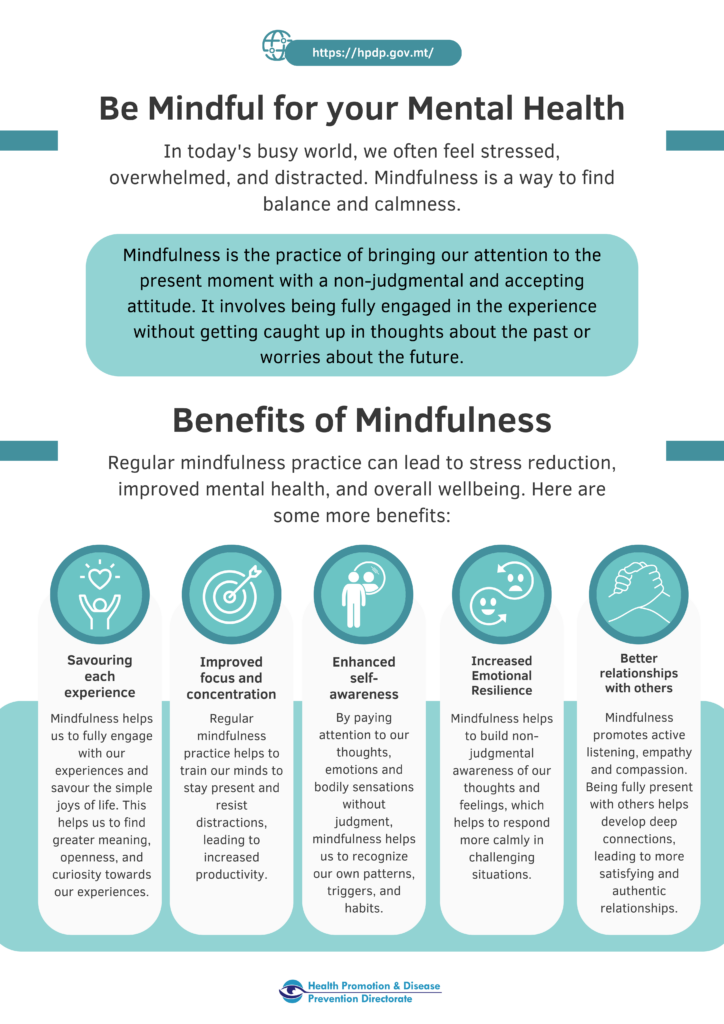
Mindfulness and meditation are increasingly popular practices known for their profound benefits on mental and physical health. Mindfulness is the practice of being present and fully engaged with whatever we’re doing at the moment—free from distraction or judgment, and aware of our thoughts and feelings without getting caught up in them. Meditation, on the other hand, is a broader term that includes a variety of practices designed to develop concentration, clarity, emotional positivity, and a calm seeing of the true nature of things.
The Benefits of Mindfulness and Meditation
Both mindfulness and meditation offer numerous health benefits. Regular practice can result in reduced stress, enhanced emotional wellbeing, improved focus and concentration, better sleep, and even decreased physical pain. Beyond personal health benefits, incorporating these practices into your daily routine can also improve compassion and relationships with others.
Creating a Mindful Morning Routine
Your morning sets the tone for the rest of your day, making it an excellent time to integrate mindfulness and meditation practices.
Morning Meditation
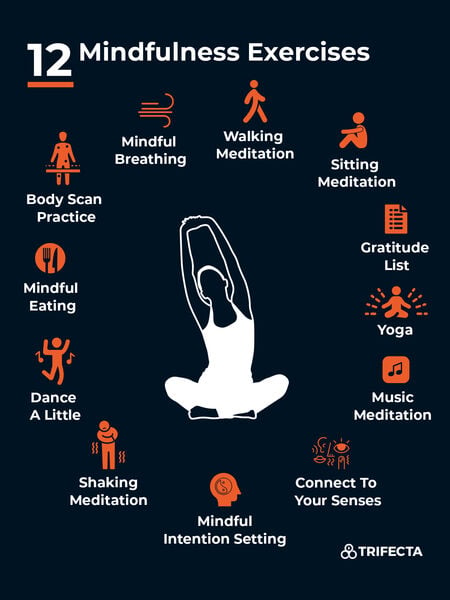
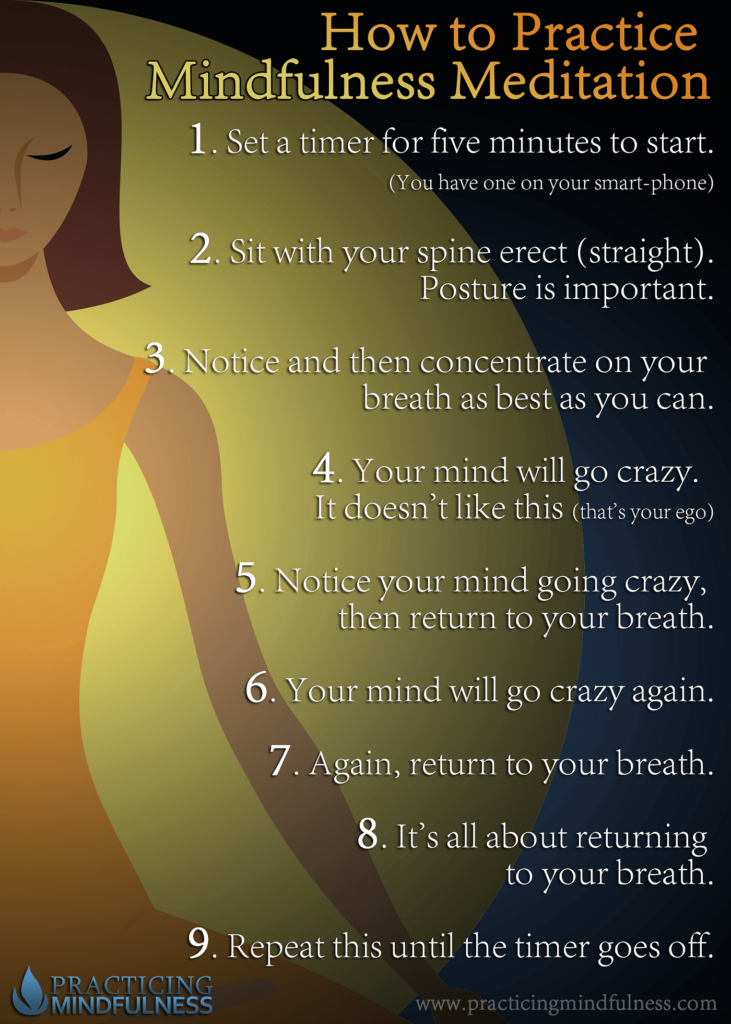
Starting your day with even a short meditation can help you feel more grounded and focused. Try to set aside 5-10 minutes when you first wake up to sit quietly and breathe deeply. This practice can help you clear your mind and set positive intentions for the day ahead.
Mindful Stretching
Incorporating mindful stretching into your morning routine can also be beneficial. Simple stretches can help awaken the body and increase circulation. Whilst stretching, focus on your breath and the sensations in your body.
Mindful Eating
Breakfast is another great opportunity to practice mindfulness. Try to eat your breakfast without any distractions—no TV, no phone, just you and your meal. Pay attention to each bite, the flavors, and the textures. This simple practice can help you start the day feeling nourished and centered.
Incorporating Mindfulness into Daily Activities
Mindfulness doesn’t need to be confined to specific practices. You can incorporate it into everyday activities to cultivate a sense of peace and presence throughout the day.
Mindful Walking
Turn your daily walk into a mindfulness practice. Pay attention to the sensations in your body as you move, the feeling of your feet hitting the ground, the rhythm of your breath. Focus on the sights, sounds, and smells around you.
Mindful Listening
Whether you’re having a conversation with a friend or listening to a colleague in a meeting, practice being fully present. Give them your complete attention, listen without planning your response, and notice their words and emotions.
Mindful Work
Try to bring your full attention to the task at hand at work. Avoid multitasking and dedicate yourself fully to one task at a time. Take short breaks to breathe deeply and refocus when you feel your mind wandering.
Scheduled Meditation Breaks
Deliberately setting aside time for meditation can be an effective way to ensure you stay consistent with your practice.
Mid-Day Meditation
A short meditation session around lunchtime can be a great way to reset your mind and body. This practice can help reduce accumulated stress, enhance mental clarity, and boost afternoon productivity.
Evening Meditation
Meditating in the evening can be a wonderful way to unwind after a long day. It can help clear your mind of the day’s stresses and prepare you for a restful night’s sleep.
Using Guided Meditations
If you’re new to meditation or find it challenging to meditate on your own, guided meditations can be very helpful. They typically include instructions and tips from a narrator, which can make the practice more accessible and structured.
Practicing Gratitude
In addition to mindfulness and meditation, practicing gratitude can significantly enhance your overall wellbeing.
Gratitude Journaling
Spend a few minutes each day writing down things you’re grateful for. This practice can help shift your focus from what’s wrong to what’s right in your life, promoting a more positive outlook.
Gratitude Meditation
Similar to gratitude journaling, this practice involves focusing your meditation on things you’re thankful for. Close your eyes, take deep breaths, and bring to mind people, experiences, or things that you’re grateful for.
Connecting with Your Breath
Your breath is a powerful anchor for mindfulness practice. Focusing on your breath can help calm your mind and center your attention.
Breath Awareness
Simply paying attention to your breath can be a powerful mindfulness practice. Try to notice the sensation of the air entering and leaving your nostrils, the rise and fall of your chest, and the rhythm of your breath.
Box Breathing
This is a simple but effective breathing technique that can help manage stress and improve focus. Inhale for four counts, hold for four counts, exhale for four counts, and hold again for four counts. Repeat this process for several minutes.
Mindfulness and Technology
While technology often contributes to distractions, it can also be a powerful tool for enhancing your mindfulness and meditation practices.
Meditation Apps
Numerous apps offer guided meditations, mindfulness reminders, and other resources to support your practice. Some popular options include Headspace, Calm, and Insight Timer.
Mindfulness Reminders
Set reminders on your phone or computer to take mindful breaks throughout the day. These reminders can prompt you to pause, breathe, and refocus your attention.
Mindful Communication
Effective, mindful communication can improve your relationships and reduce misunderstandings.
Active Listening
Practice active listening by giving your full attention to the speaker. Avoid interrupting and try to understand their perspective before responding.
Mindful Speech
Be mindful of your words and tone. Aim to communicate clearly and compassionately. Pausing before responding can help you choose your words more thoughtfully.
Creating a Mindfulness Space
Having a dedicated space for mindfulness and meditation can enhance your practice.
Setting Up Your Space
Choose a quiet area in your home where you can practice without interruptions. Fill this space with items that promote calm and relaxation, such as cushions, candles, or soothing artwork.
Personalizing It
Make the space your own by adding personal touches. This could include favorite quotes, calming music, or anything that helps you feel more centered and peaceful.
Incorporating Mindfulness into Physical Exercise
Combining physical movement with mindfulness can significantly enhance the benefits of both practices.
Yoga
Yoga is a wonderful way to integrate movement and mindfulness. It emphasizes breathing, posture, and meditation, making it a holistic practice that benefits both body and mind.
Tai Chi and Qigong
These ancient practices combine slow, deliberate movements with focused breathing and meditation. They are excellent for improving balance, flexibility, and mental clarity.
Mindful Running
Even high-intensity activities like running can be turned into mindfulness practices. Pay attention to your body’s sensations, your breath, and your surroundings as you run.
Mindfulness at Work
Bringing mindfulness into your workplace can help reduce stress and improve productivity.
Mindful Meetings
Start meetings with a few moments of mindful breathing to help everyone focus and be present. Encourage mindful listening and respectful communication throughout the discussion.
Mindful Breaks
Take regular breaks to stand, stretch, and breathe mindfully. This can help clear your mind, reduce stress, and improve concentration.
Digital Detox
Set specific times to check emails and messages, avoiding the constant distraction of notifications. This can help you stay more focused and present.
Using Visualization Techniques
Visualization can be a powerful addition to your mindfulness practice.
Positive Visualization
Spend a few minutes each day visualizing positive outcomes for your goals and challenges. This can help increase your confidence and motivation.
Relaxation Visualization
Use visualization techniques to imagine yourself in a peaceful, calming place. This can be especially helpful for reducing stress and anxiety.
Mindfulness and Nature
Spending time in nature can significantly enhance your mindfulness practice.
Forest Bathing
This involves immersing yourself in a forest environment and mindfully experiencing the sounds, sights, and smells of the natural world. It can greatly reduce stress and improve overall wellbeing.
Mindful Gardening
Gardening can be a very mindful activity. Pay attention to the sensations of the soil, the colors and shapes of the plants, and the rhythms of nature.
Nature Walks
Take regular walks in nature and practice mindfulness by focusing on your surroundings. Notice the details of the natural world, from the rustling leaves to the chirping birds.
Consistent Practice and Patience
Consistency is key to reaping the benefits of mindfulness and meditation.
Start Small
Begin with simple practices and gradually increase the time and complexity. Even a few minutes a day can make a significant difference.
Be Patient with Yourself
Developing a new habit takes time and patience. Be compassionate with yourself and acknowledge your progress, no matter how small.
Building a Support System
Having a support system can greatly enhance your mindfulness and meditation practice.
Join a Group
Consider joining a mindfulness or meditation group. Sharing the experience with others can provide motivation, support, and inspiration.
Seek Guidance
Don’t hesitate to seek guidance from experienced practitioners or teachers. They can offer valuable insights, techniques, and encouragement.
Tracking Your Progress
Monitoring your progress can help you stay motivated and see the benefits of your practice.
Journaling
Keep a journal to record your experiences, thoughts, and feelings related to your mindfulness and meditation practice. This can help you reflect on your journey and notice improvements over time.
Apps and Tools
There are various apps and tools available that can help you track your mindfulness and meditation progress. These tools can provide insights and help you stay consistent with your practice.
Reflective Check-ins
Regularly check in with yourself to assess how your mindfulness and meditation practices are impacting your wellbeing. Reflect on any changes in your stress levels, focus, and overall emotional state.
Final Thoughts
Incorporating mindfulness and meditation into your daily wellness practices can lead to significant improvements in both mental and physical health. By starting with small, manageable steps and gradually building your practice, you can cultivate a greater sense of awareness, peace, and wellbeing. Remember, the journey itself is just as important as the destination. Enjoy the process and be kind to yourself along the way.