
Have you ever wondered how you can elevate your workout routine to the next level, making it not only more challenging but also more practical? Incorporating functional fitness exercises into your advanced workout routine might just be the answer you’re looking for. This approach ensures that your activities are not only pushing your physique to new limits but also enhancing your everyday life movements. Let’s explore how you can integrate these exercises to achieve well-rounded fitness.
What Is Functional Fitness?
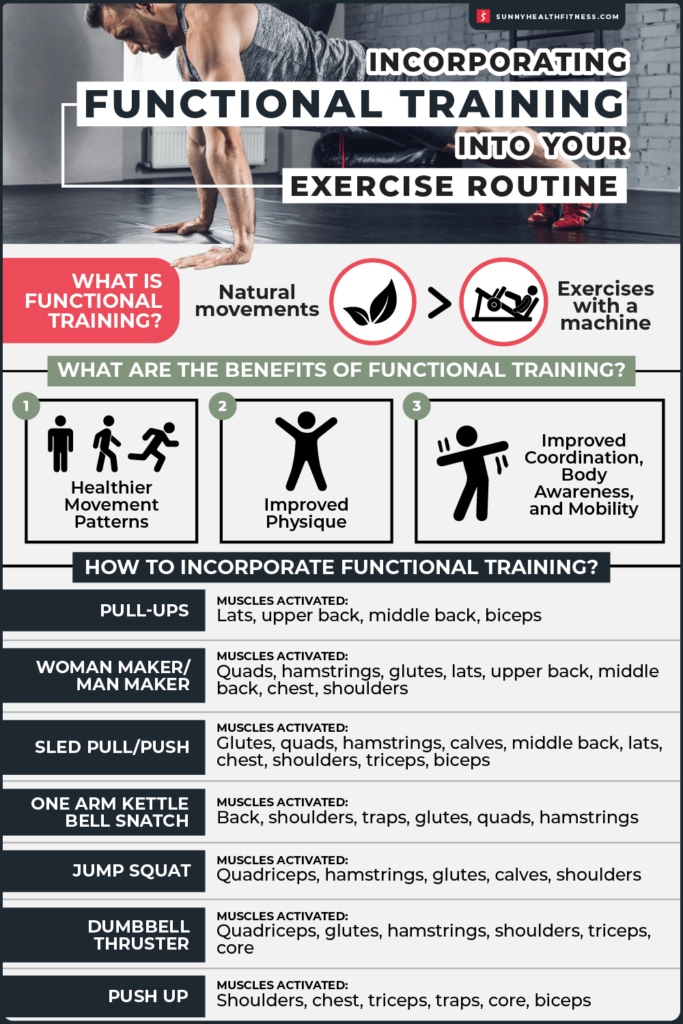
Functional fitness exercises focus on movements that mimic real-life activities. Unlike traditional strength training, which often isolates muscles, functional fitness involves multiple muscle groups and joints, encouraging your body to work as a cohesive unit.
Benefits of Functional Fitness
- Improved Daily Performance: Enhances your ability to perform everyday tasks with ease.
- Reduced Injury Risk: Strengthens muscles and joints holistically, reducing the risk of injuries.
- Enhanced Balance and Coordination: Fosters better stability and proprioception.
- Increased Strength and Endurance: Builds robust muscles resistant to fatigue.
Key Principles of Functional Fitness
Before diving into the exercises, you’ll need to understand some key principles that differentiate functional fitness from conventional training.
Natural Movements
Functional fitness focuses on movements you perform daily. Think lifting groceries, climbing stairs, or even bending down to tie your shoes. Exercises that mimic these actions train your body to handle them more efficiently.
Compound Movements
Compound movements engage multiple muscle groups, maximizing the time you spend working out. Squats, lunges, and deadlifts are excellent examples, as they involve coordinated efforts from various parts of your body.
Flexibility and Mobility
Flexibility and mobility are essential for executing functional movements correctly. Incorporating stretches and mobility drills ensures that your muscles can move through their full range of motion without restrictions.

Assessing Your Current Fitness Level
Before integrating functional exercises into your routine, you need to assess your current fitness level.
Self-Assessment Tests
- Flexibility Test: Can you touch your toes or perform a full squat without any discomfort?
- Strength Test: How many push-ups, pull-ups, or squats can you perform without compromising form?
- Cardiovascular Test: How quickly can you run a mile or complete a high-intensity interval training (HIIT) session?
Professional Assessment
Consider consulting a physiotherapist or a personal trainer who can evaluate your strengths and weaknesses comprehensively. They can also tailor a functional fitness plan based on your capabilities and goals.
Incorporating Functional Movements Into Your Routine
Let’s break down how you can seamlessly incorporate these exercises into your advanced workout regimen.
Warm-Up
A dynamic warm-up is essential. Begin with movements that gradually increase your heart rate and loosen up your muscles.
| Dynamic Warm-Up Routine | Duration |
|---|---|
| Jumping Jacks | 2 minutes |
| Arm Circles | 1 minute |
| Leg Swings (Front to Back) | 1 minute each |
| Hip Circles | 1 minute each |
| Lunges with Twist | 2 minutes |
Core Functional Exercises
Here are some core functional exercises you can integrate into your workouts.
Squats
Technique:
- Stand with your feet shoulder-width apart.
- Lower your body as if you’re sitting back into a chair.
- Keep your chest upright and your knees over your toes.
- Push through your heels to return to the starting position.
Benefits: Strengthens your quads, glutes, and hamstrings while improving mobility.
Deadlifts
Technique:
- Stand with your feet shoulder-width apart, holding a barbell or dumbbell.
- Hinge at your hips and slightly bend your knees to lower the weights.
- Maintain a straight back and engage your core.
- Return to the standing position by driving through your hips.
Benefits: Engages your posterior chain (hamstrings, glutes, and lower back).
Push-Ups
Technique:
- Assume a plank position with your hands shoulder-width apart.
- Lower your body until your chest nearly touches the ground.
- Keep your elbows tucked in to engage your triceps and chest.
- Push back up to the starting position.
Benefits: Strengthens your chest, shoulders, and triceps while engaging your core.
Pull-Ups
Technique:
- Grab a pull-up bar with an overhand grip, hands slightly wider than shoulder-width apart.
- Pull your body up until your chin is over the bar.
- Lower yourself down with control.
Benefits: Targets your back, biceps, and shoulders, enhancing upper body strength.
Advanced Functional Fitness Workouts
Now, let’s move onto more advanced functional fitness exercises that will challenge you and further develop your capabilities.
Turkish Get-Up
Technique:
- Lie on your back holding a kettlebell in one hand, with your arm fully extended.
- Bend the knee on the same side as the kettlebell, keeping the other leg straight.
- Use your free hand to push yourself onto your elbow, then onto your hand.
- Lift your hips off the ground, sweep your straight leg under your body, and kneel.
- Stand up while keeping the kettlebell arm extended.
- Reverse the steps to return to the starting position.
Benefits: Full-body workout that enhances strength, stability, and coordination.
Single-Leg Romanian Deadlift
Technique:
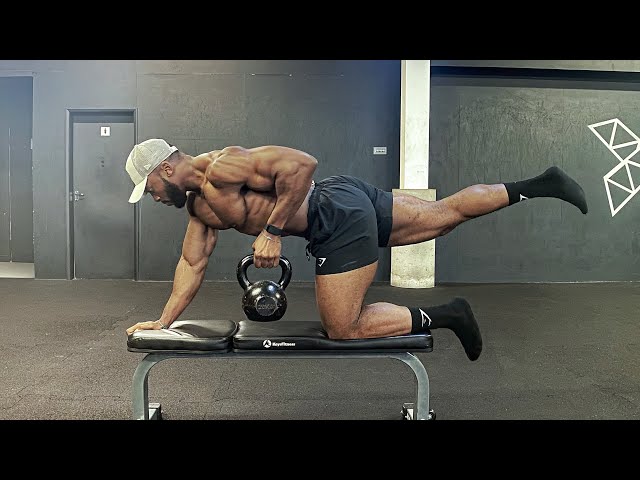
- Stand on one leg, holding a kettlebell or dumbbell in the opposite hand.
- Hinge at the hips to lower the weight while extending your free leg behind you for balance.
- Keep your back straight and your core engaged.
- Return to the starting position by driving through your planted foot.
Benefits: Targets the hamstrings, glutes, and improves balance.
Kettlebell Swings
Technique:
- Stand with your feet wider than shoulder-width apart, holding the kettlebell with both hands.
- Hinge at your hips to swing the kettlebell between your legs.
- Drive through your hips to swing the kettlebell up to shoulder height.
- Let the kettlebell swing back down naturally, maintaining control.
Benefits: Enhances power and endurance while working your glutes, hips, and core.
Medicine Ball Slams
Technique:
- Stand with your feet shoulder-width apart, holding a medicine ball.
- Lift the ball overhead while extending onto your toes.
- Slam the ball onto the ground forcefully.
- Catch it as it bounces back and repeat.
Benefits: Builds explosive power, conditioning, and works the entire body.
Structuring Your Functional Fitness Routine
When structuring your functional fitness routine, it’s crucial to balance intensity with recovery to prevent overtraining.
Sample Weekly Functional Fitness Routine
| Day | Workout Focus |
|---|---|
| Monday | Full-Body Functional Strength |
| Tuesday | Active Recovery (Light Yoga or Walk) |
| Wednesday | Lower Body Intensive |
| Thursday | Upper Body and Core |
| Friday | Full-Body High-Intensity Interval |
| Saturday | Mobility and Flexibility |
| Sunday | Rest Day |
Example Full-Body Functional Strength Day
| Exercise | Sets | Reps |
|---|---|---|
| Squat to Press | 4 | 10-12 |
| Deadlifts | 4 | 8-10 |
| Push-Ups | 4 | 15-20 |
| Pull-Ups | 4 | 8-10 |
| Kettlebell Swings | 3 | 20 |
| Turkish Get-Ups (each side) | 3 | 5 |
Monitoring Progress
Keeping track of your progress is vital. Here’s how you can monitor and adjust your workouts.
Journaling
Record details of each workout, including weights used, repetitions completed, and how you felt. This helps you notice patterns and make necessary adjustments.
Periodic Testing
Every 4-6 weeks, perform the same assessments you did initially to gauge improvements. This will also help you tweak your program based on your evolving goals.
Nutrition and Recovery
Nutrition and recovery play a significant role in optimizing your functional fitness routine. To perform at your best, you need to fuel your body properly and allow adequate time for recovery.
Nutrition Tips
- Balanced Diet: Consume a mix of protein, carbohydrates, and healthy fats to support muscle growth and energy needs.
- Hydration: Stay hydrated to maintain performance and recovery.
- Pre-Workout Meal: Eat a small meal or snack 1-2 hours before your workout. Focus on easily digestible carbohydrates and some protein.
- Post-Workout Recovery: Consume a meal rich in protein and carbs within 2 hours post-exercise to aid recovery.
Recovery Strategies
- Sleep: Aim for 7-9 hours of quality sleep each night.
- Active Recovery: Include light activities like walking, stretching, or yoga on rest days.
- Foam Rolling/Soft Tissue Work: Incorporate foam rolling or massage to alleviate muscle tension and promote blood flow.
Common Mistakes and How to Avoid Them
It’s important to recognize and avoid common pitfalls to ensure you get the most out of your functional fitness routine.
Ignoring Form
Poor form can lead to injuries. Always prioritize proper technique over the amount of weight or intensity.
Overtraining
Pushing yourself too hard without adequate recovery can lead to burnout and injury. Listen to your body and adjust your intensity as needed.
Neglecting Warm-Up and Cool-Down
Skipping your warm-up or cool-down can negatively affect your performance and recovery. Ensure you allocate time for both in every session.
Adapting Functional Fitness to Specific Goals
Functional fitness is versatile and can be adapted to fit specific goals like sports performance, rehabilitation, or general health.
Sports Performance
For athletes, functional fitness can improve sport-specific movements, such as rotational exercises for golfers or agility drills for soccer players.
Rehabilitation
Functional movements aligned with physical therapy can aid in the recovery process. Always consult with your therapist to ensure exercises are safe and appropriate.
General Health
For those focusing on general health, functional fitness enhances overall well-being, making daily activities easier and more manageable.
Community and Support
Engaging with a community can boost your motivation and commitment. Consider joining a functional fitness class or group that shares similar goals and interests.
FAQs About Functional Fitness
What is the Ideal Frequency for Functional Workouts?
For most individuals, 3-4 functional fitness sessions per week, combined with active recovery days, is ideal.
Can Functional Fitness Replace Traditional Gym Workouts?
Yes, functional fitness can replace traditional gym workouts, especially if your goal is to improve daily performance and overall functional strength.
What Equipment Do I Need?
While many functional exercises require minimal or no equipment, tools like kettlebells, resistance bands, and medicine balls can enhance your routine.
Is Functional Fitness Suitable for All Ages?
Functional fitness is adaptable and can be modified for different fitness levels and ages. Always consult with a professional for age-appropriate modifications.
Conclusion
Incorporating functional fitness exercises into your advanced workout routine can significantly enhance your overall strength, agility, and daily performance. By focusing on natural movements, compound exercises, and prioritizing flexibility and mobility, you can create a balanced regimen that not only challenges you but also improves your everyday life. Remember to monitor your progress, maintain proper nutrition and recovery, and stay engaged with your fitness journey. Here’s to a more functional and fit you!