
Have you ever wondered which foods can help give your immune system a boost? Your immune system is your body’s defense mechanism against infections and diseases, and it’s essential to keep it running smoothly. One effective way to do this is by incorporating certain superfoods into your diet. These nutrient-dense foods can provide the vitamins, minerals, and antioxidants that are vital for keeping your immune system strong and healthy. Let’s take a closer look at the top 10 superfoods for boosting your immune system.

1. Citrus Fruits
Why They’re Essential
Citrus fruits are renowned for their rich vitamin C content. Vitamin C is a critical nutrient that helps maintain the body’s defenses by supporting various cellular functions and protecting against disease-causing pathogens.
Examples of Citrus Fruits
| Fruit | Vitamin C Content (per 100g) |
|---|---|
| Oranges | 53.2 mg |
| Lemons | 53.0 mg |
| Grapefruits | 31.2 mg |
| Limes | 29.1 mg |
How to Include Them in Your Diet
You can easily add citrus fruits to your diet by drinking a glass of fresh orange juice in the morning, using lemon zest in your recipes, or enjoying a grapefruit for a healthy snack. These fruits are versatile and can be included in salads, desserts, and even main dishes.
2. Garlic
Immune-Boosting Properties
Garlic has been used for centuries for its medicinal properties. It contains allicin, a compound that has been shown to enhance the immune system. Garlic’s ability to boost the immune response may help your body fend off illnesses more effectively.
How to Use Garlic
Garlic can be added to a myriad of dishes, from pasta sauces to roasted vegetables. You can even eat it raw, though its pungent flavor can be quite strong. Try mincing it and adding it to a salad dressing or mixing it with butter for a flavorful spread.
3. Berries
Packed with Antioxidants
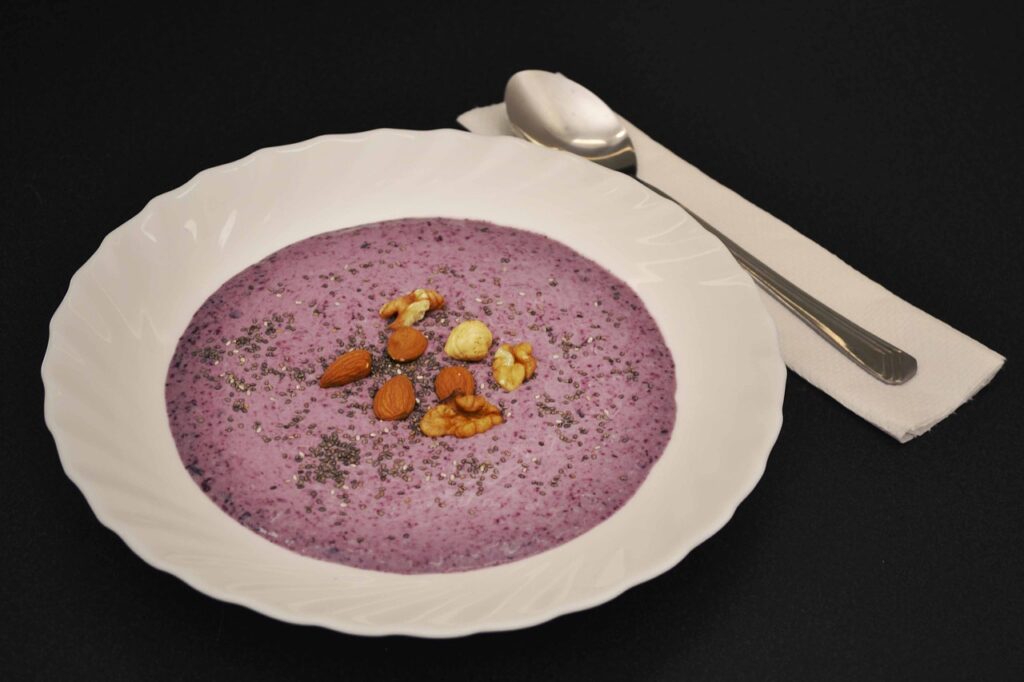
Berries, including blueberries, strawberries, and raspberries, are packed with antioxidants such as vitamin C, anthocyanins, and flavonoids. These antioxidants help neutralize harmful free radicals in your body, supporting your immune system.
Different Types of Berries
| Berry | Notable Antioxidants |
|---|---|
| Blueberries | Anthocyanins, Vitamin C |
| Strawberries | Vitamin C, Flavonoids |
| Raspberries | Vitamin C, Ellagic Acid |
Incorporating Berries into Your Meals
You can enjoy berries in a variety of ways—add them to your morning cereal, blend them into a smoothie, or simply snack on them throughout the day. Their natural sweetness also makes them a great addition to desserts.
4. Spinach
Nutrient-Rich and Versatile
Spinach is a powerhouse of nutrients, including vitamins A, C, and E, magnesium, and iron. These nutrients are vital for maintaining immune function and overall health.
Benefits of Spinach
Spinach also contains antioxidants and beta carotene, which enhance the infection-fighting ability of your immune system.
How to Consume Spinach
Whether fresh, steamed, or sautéed, spinach can be enjoyed in many ways. Add it to salads, smoothies, soups, or as a side dish to your main meals. It’s also an excellent ingredient for casseroles and omelets.

5. Yogurt
Probiotics for Gut Health
Yogurt is known for its probiotic content—live bacteria that can benefit your gut health. A healthy gut is closely linked to a strong immune system as it helps regulate what’s entering your body and combats harmful bacteria and viruses.
Choosing the Right Yogurt
Look for yogurts that list live and active cultures on the label.
Adding Yogurt to Your Diet
You can enjoy yogurt straight from the cup, mix it with fruits, or add a dollop to your smoothies. It’s also a fantastic base for dressings and dips.
6. Almonds
Rich in Vitamin E
Almonds are a great source of vitamin E, an antioxidant that helps in maintaining the health of your immune system. This fat-soluble vitamin requires the presence of fat to be absorbed properly, and almonds provide both.
Nutrient Profile
| Nutrient | Per 1 oz (28 grams) |
|---|---|
| Vitamin E | 7.3 mg |
| Protein | 6 grams |
| Fiber | 3.5 grams |
| Healthy Fats | 14 grams |
Easy Ways to Consume Almonds
Include a handful of almonds in your daily diet as a snack, or add them to your cereal, yogurt, or salads. You can also use almond butter as a spread on toast or include it in your smoothies.
7. Turmeric
Anti-Inflammatory Spice
Turmeric is a bright yellow spice often used in curries and has been praised for its anti-inflammatory properties. The active ingredient, curcumin, has been found to enhance immune function by modulating the activation of T cells, B cells, macrophages, and more.
How to Use Turmeric
You can add turmeric to soups, stews, and even teas. Consider sprinkling it on roasted vegetables or blending it into smoothies for an extra health boost.
8. Green Tea
Antioxidant Powerhouse
Green tea is abundant in antioxidants, particularly epigallocatechin gallate (EGCG), which has been shown to enhance immune function. Additionally, it contains amino acids like L-theanine, which aid in the production of germ-fighting compounds in your T-cells.
How to Consume Green Tea
Drink a cup of green tea in the morning or enjoy it as a calming beverage in the afternoon. You can also add lemon or ginger to enhance its flavor and health benefits.
9. Ginger
Natural Immune Booster
Ginger has been used for its medicinal properties for centuries. It has antimicrobial and anti-inflammatory effects that can help in boosting the immune system and providing relief from sore throats and other inflammatory illnesses.
Using Ginger in Everyday Meals
Ginger can be incorporated into your diet in numerous ways. Add it to your tea, grate it into your stir-fries, or use it in your smoothie for a spicy kick. You can also make a ginger-garlic paste to enhance the flavor of your dishes.
10. Broccoli
Nutrient-Dense and Accessible
Broccoli is a vegetable packed with vitamins A, C, and E, as well as fiber and antioxidants. This nutrient profile makes it one of the healthiest vegetables you can add to your diet for boosting your immune system.
Benefits of Broccoli
Rich in sulforaphane, a compound that activates antioxidant enzymes, broccoli helps in protecting your cells from inflammation and enhances your body’s immune response.
Cooking Tips
Broccoli is versatile and can be consumed steamed, roasted, or sautéed. Add it to your salads, casseroles, or enjoy it as a side dish with your meals.
Summary Table for Easy Reference
| Superfood | Key Nutrients | How to Consume |
|---|---|---|
| Citrus Fruits | Vitamin C | Fresh, juices, salads |
| Garlic | Allicin | Raw, cooked in dishes |
| Berries | Antioxidants (Vitamin C, etc.) | Smoothies, cereals, desserts |
| Spinach | Vitamins A, C, E | Salads, smoothies, steamed |
| Yogurt | Probiotics | Plain, with fruits, smoothies |
| Almonds | Vitamin E, Healthy fats | Snacks, salads, almond butter |
| Turmeric | Curcumin | Curries, teas, smoothies |
| Green Tea | EGCG, L-Theanine | As a beverage |
| Ginger | Anti-inflammatory compounds | Teas, stir-fries, smoothies |
| Broccoli | Vitamins A, C, E, Fiber | Steamed, roasted, sautéed |
Incorporating these superfoods into your daily diet can help keep your immune system in top shape. By doing so, you’ll not only feel healthier but may also find that you have more energy and can fight off illnesses more effectively. Remember that variety is key—each of these foods offers unique benefits, so try to mix them up to get the most out of their immune-boosting properties.