
Have you ever wondered how you should approach exercising as you age? The truth is, fitness is important at every stage of life, and this includes your golden years. Engaging in regular physical activity can dramatically improve your overall well-being, mobility, and even mental health. With that in mind, let’s discuss some workout routines that are particularly suited for seniors.

The Importance of Exercise for Seniors
Maintaining an exercise routine as you age is crucial for various reasons. Not only does it help you stay physically fit, but it also contributes to a balanced lifestyle, reducing the risk of chronic diseases and enhancing your quality of life.
Physical Health Benefits
When you engage in regular exercise, you improve your cardiovascular health, increase muscle mass, and enhance your bone density. These benefits contribute to a lower risk of conditions such as heart disease, osteoporosis, and diabetes.
Mental Health Benefits
Exercise is also beneficial for your mental health. It can help alleviate symptoms of depression and anxiety, promote better sleep, and boost your mood by releasing endorphins. These mental health benefits are incredibly important in maintaining a positive outlook on life.
Types of Exercises for Seniors
Different types of exercises serve different purposes. Understanding what each type of exercise does can help you tailor a routine that meets your specific needs.
Aerobic Exercises
Aerobic or cardiovascular exercises are activities that increase your heart rate. These exercises improve your cardiovascular health, help manage your weight, and enhance stamina.
Examples include:
- Walking
- Cycling
- Swimming
- Dancing
Strength Training
Strength training exercises are designed to increase muscle mass and strength. These exercises help you perform daily activities with ease and reduce the risk of falls by improving your balance.
Examples include:
- Lifting light weights
- Using resistance bands
- Body weight exercises like squats and push-ups
Flexibility Exercises
Flexibility exercises help keep your muscles limber and your joints flexible. They are essential for maintaining a broad range of motion, which can prevent stiffness and discomfort.
Examples include:
- Stretching exercises
- Yoga
- Tai Chi
Balance Exercises
Balance exercises are vital in reducing the risk of falls, a common concern for seniors. They help in maintaining stability and coordination.
Examples include:
- Standing on one leg
- Heel-to-toe walk
- Balance-enhancing yoga poses
Sample Workout Routine
Creating a balanced workout routine involves incorporating various types of exercises. Here’s a sample week-long routine to give you an idea of how everything can fit together.
| Day | Activity |
|---|---|
| Monday | 30-minute walk (Aerobic) + 10 minutes stretching (Flexibility) |
| Tuesday | Resistance band arm exercises (Strength Training) + Balance exercises (15 minutes) |
| Wednesday | 30-minute cycling or swimming (Aerobic) + 10 minutes Yoga (Flexibility) |
| Thursday | Light weight lifting (Strength Training) + 15 minutes of balance exercises |
| Friday | 30-minute walk (Aerobic) + Full body stretching (Flexibility) |
| Saturday | Tai Chi session (30 minutes – Balance and Flexibility) |
| Sunday | Rest day or light activity such as a gentle stroll |
Tips for Starting a Workout Routine
Starting a new workout routine can seem daunting, but it’s much easier with the right approach.
Consult Your Doctor
Before beginning any new exercise regimen, it’s crucial to consult with your healthcare provider. They can give you personalized advice based on your health status and medical history.
Start Slow
Begin with low-intensity exercises and gradually increase the difficulty and duration as you become more comfortable. This will help prevent injuries.
Choose Enjoyable Activities
You’re more likely to stick with an exercise routine if you genuinely enjoy the activities involved. Whether it’s dancing, walking, or swimming, make sure it’s something you look forward to.
Listen to Your Body
Pay attention to how your body feels during and after exercise. If you experience any pain or discomfort, it’s important to adjust your activities accordingly.
Modifications for Common Health Issues
Different health conditions can affect how you should approach exercise. Here are some modifications for common health issues among seniors.
Arthritis
For those with arthritis, low-impact exercises like swimming or cycling are ideal. They minimize joint stress while still providing the benefits of aerobic activity. Stretching and flexibility exercises can also help maintain joint function.
Osteoporosis
Weight-bearing and resistance exercises are particularly beneficial for people with osteoporosis. These exercises help build bone density. However, avoid high-impact activities that can lead to fractures.
Heart Disease
If you have heart disease, aerobic exercises such as walking and cycling can be beneficial but should be done at a moderate pace. Always follow your doctor’s advice and monitor your heart rate.
Diabetes
For those with diabetes, regular exercise helps regulate blood sugar levels. Aerobic and strength training exercises are particularly effective. Make sure to check your blood sugar levels before and after exercise.
Chronic Pain
Light aerobic activity and stretching can help manage chronic pain. It’s important to find a balance between staying active and not overexerting yourself, so listen to your body closely.
The Role of Nutrition
Exercise alone isn’t enough; nutrition plays a critical role in your overall health. A balanced diet can enhance your workout performance and recovery.
Hydration
Staying hydrated is crucial. Older adults have a reduced sense of thirst, so it’s important to make a conscious effort to drink water regularly.
Balanced Diet
A balanced diet rich in fruits, vegetables, lean proteins, and whole grains will provide the nutrients your body needs to function optimally. Avoid processed foods and sugary drinks to maintain your health.
Supplements
Sometimes, it can be challenging to get all the nutrients you need through diet alone. Consult with your healthcare provider about supplements such as calcium, vitamin D, and omega-3 fatty acids.
Staying Motivated
Maintaining motivation can be a challenge over time, but there are strategies to keep you on track.
Set Achievable Goals
Setting achievable, short-term goals can help keep you motivated. Celebrate your accomplishments, no matter how small, to maintain a positive mindset.
Social Support
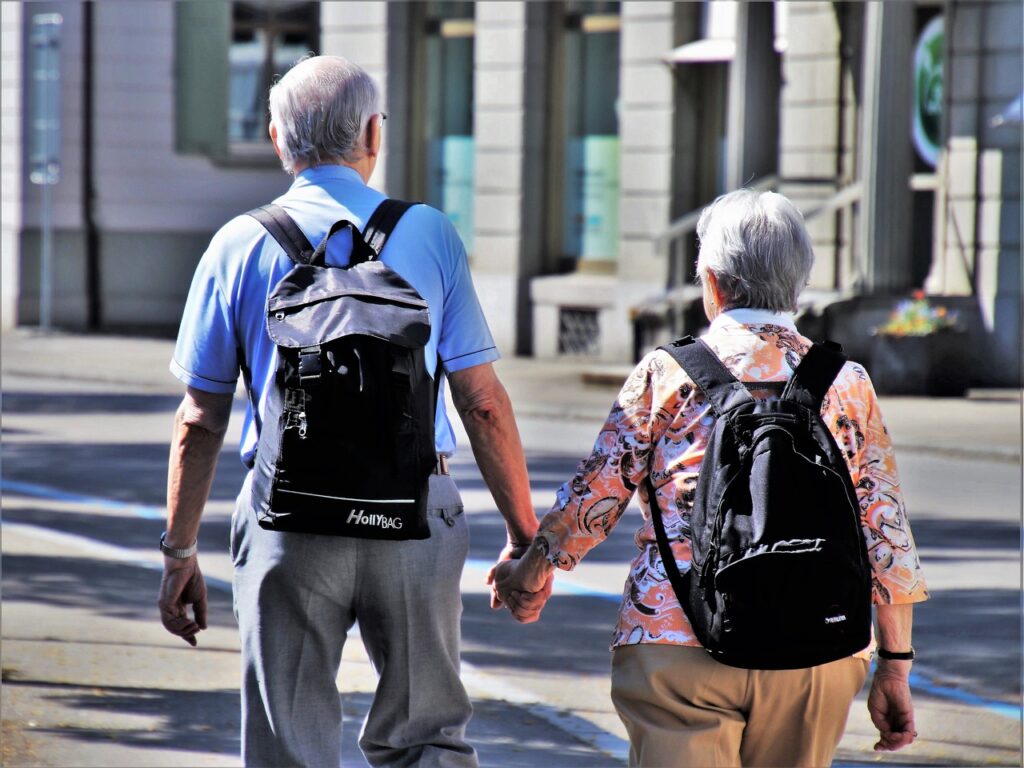
Exercise can be more enjoyable when done with friends or family. Consider joining a fitness class or forming a walking group.
Keep Track
Keeping a journal to track your progress can be incredibly motivating. Write down what exercises you did, how you felt, and any improvements you notice.
Common Myths About Senior Exercise
There are many misconceptions about exercising in your later years. Let’s bust a few of these myths.
Myth: It’s Too Late to Start Exercising
It’s never too late to start. Studies show that even starting in your 60s or 70s can yield significant health benefits.
Myth: Exercising Will Hurt My Joints
In fact, low-impact exercises can help strengthen the muscles around your joints, reducing pain and improving function.
Myth: Older Adults Should Avoid Strength Training
Strength training is not only safe but also beneficial for older adults. It helps in maintaining muscle mass and bone density, both of which are crucial as you age.
Myth: I’m Too Weak or Out of Shape to Start
No matter your current fitness level, there are exercises you can do to get started. The key is to start slow and gradually build up your strength and stamina.
Summary
Incorporating a variety of exercises into your routine can improve your physical and mental health significantly. Remember to consult your healthcare provider before starting any new regimen, start slow, and choose activities you enjoy. By doing so, you’ll set yourself up for success and enjoy a vibrant, healthier life well into your senior years.
Exercise is as much about maintaining a healthy body as it is about fostering a joyful, active lifestyle. So, lace up those sneakers, stretch those muscles, and embrace the invigorating journey of fitness tailored just for you!