
Have you ever wondered how yoga can improve your flexibility? It’s a common question many people ask when they first start their yoga journey. Flexibility is often seen as one of the key benefits of regular yoga practice, but there’s more to it than just being able to touch your toes or perform a split.
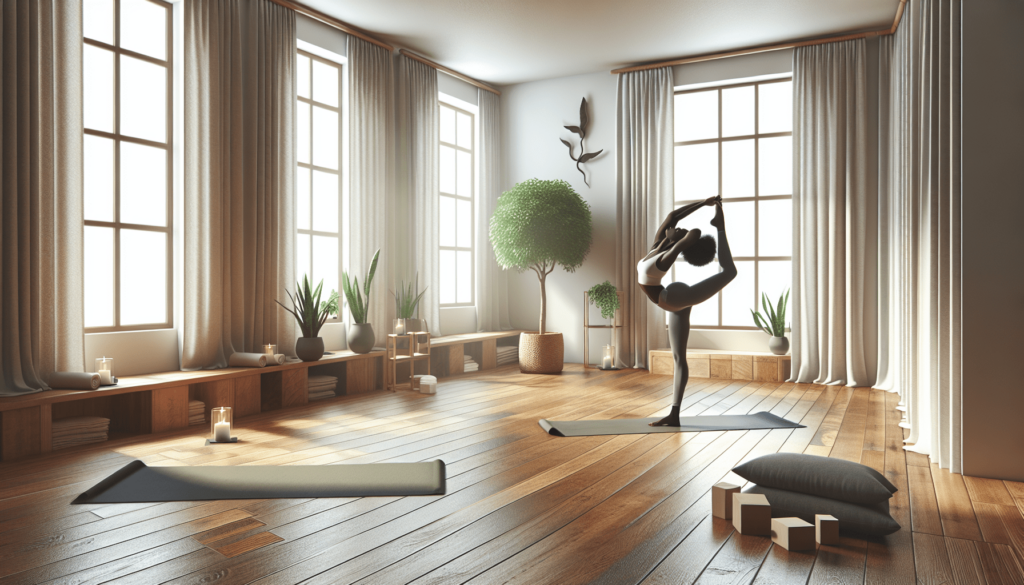
What is Flexibility?
Flexibility refers to the ability of your muscles and joints to move through their full range of motion without pain. It’s an essential component of overall physical health because it helps you perform everyday tasks more easily and reduces the risk of injuries. In yoga, flexibility is not just about physical benefits. It also has profound effects on your mental well-being and stress levels.
Importance of Flexibility
Being flexible can greatly improve your quality of life. It can enhance your athletic performance, ease muscle tension, and improve your posture. Additionally, increased flexibility can aid in the prevention of injuries by allowing your body to move freely and efficiently. In yoga, flexibility also encourages a deep connection between mind and body, fostering self-awareness and inner peace.
Misconceptions About Flexibility and Yoga
One common misconception is that you need to be flexible to start practicing yoga. This is not true. Yoga is for everyone, regardless of how flexible you are when you begin. Flexibility comes with consistent practice and patience. Moreover, yoga offers modifications and variations for every pose, making it accessible for all levels.
How Yoga Enhances Flexibility
Yoga enhances flexibility by lengthening and stretching muscles through various poses and sequences. Here’s how it works:
Stretching Muscle Fibers
When you stretch a muscle, you are essentially elongating the muscle fibers and increasing their overall length. This process is gradual and requires consistent practice. Over time, the muscle fibers adapt and become more flexible.
Increasing Range of Motion
Regular practice of yoga helps to increase the range of motion in your joints. This is achieved by repetitively moving and stretching the muscles surrounding the joints, which lubricates and strengthens them, making movements smoother and less restricted.
Reducing Muscle Stiffness
Yoga helps in reducing muscle stiffness that you might experience due to inactivity or sedentary lifestyle. Various yoga poses target different muscle groups, releasing tension and improving flexibility.
Yoga Poses for Flexibility
Now that you understand how yoga can improve flexibility, let’s delve into some specific yoga poses designed to enhance your flexibility. Below are yoga routines categorized by different parts of your body:
Flexibility for Hamstrings and Hips
Stretching the hips and hamstrings can be particularly beneficial for people who sit for long periods.
Forward Fold (Uttanasana)
Instructions:
- Stand with your feet hip-width apart.
- Inhale, and as you exhale, bend forward at your hips.
- Lower your hands towards the floor or your shins.
- Hold this position for 5 long breaths.
Benefits:
- Stretches hamstrings
- Lengthens the spine
- Calms the mind
Pigeon Pose (Eka Pada Rajakapotasana)
Instructions:
- Start in a tabletop position.
- Bring your right knee towards your right wrist and your right ankle towards your left wrist.
- Extend your left leg back, keeping your hips squared.
- Hold the pose for 5-10 breaths, then switch sides.
Benefits:
- Opens up the hips
- Stretches hip flexors
- Soothes sciatica pain
Flexibility for Spine
A flexible spine is crucial for maintaining good posture and preventing back pain.
Cat-Cow Pose (Marjaryasana-Bitilasana)
Instructions:
- Start in a tabletop position.
- Inhale, arch your back, lift your head and tailbone (Cow Pose).
- Exhale, round your back, tuck your chin and tailbone (Cat Pose).
- Repeat for 10 breaths.
Benefits:
- Increases spinal flexibility
- Strengthens back muscles
- Improves posture
Seated Forward Bend (Paschimottanasana)
Instructions:
- Sit with your legs extended straight.
- Inhale, lengthen your spine.
- Exhale, fold forward from the hips, reaching for your feet.
- Hold for 5-10 breaths.
Benefits:
- Stretches the spine
- Calms the mind
- Stimulates the internal organs
Flexibility for Shoulders and Chest
Improving flexibility in the shoulders and chest can help combat poor posture, especially for those who hunch over computers.
Thread the Needle Pose
Instructions:
- Start in a tabletop position.
- Slide your right arm under your left arm, resting your shoulder and head on the floor.
- Hold for 5-10 breaths, then switch sides.
Benefits:
- Stretches shoulders and arms
- Improves mobility in upper back
- Relieves tension in shoulders
Puppy Pose (Uttana Shishosana)
Instructions:
- Start in a tabletop position.
- Walk your hands forward, lowering your chest towards the floor.
- Rest your forehead on the mat, keeping your hips above your knees.
- Hold for 5-10 breaths.
Benefits:
- Opens the shoulders and chest
- Lengthens the spine
- Alleviates back pain
Creating a Consistent Yoga Routine
To see significant improvements in flexibility, consistency is key. Here are tips to help you maintain a regular yoga practice:
Set Realistic Goals
Start by setting achievable goals. Whether it’s practicing three times a week or mastering a particular pose, having a goal keeps you motivated.
Consistency Over Intensity
It’s more beneficial to practice yoga consistently with moderate intensity rather than practicing sporadically with high intensity. Consistent practice yields gradual, sustainable results.
Mix Up Your Practice
Incorporate a variety of poses targeting different muscle groups. This not only keeps your practice interesting but also ensures a balanced approach to flexibility training.
Importance of Warm-Up and Cool Down
The effectiveness of your yoga practice can be significantly improved with proper warm-up and cool down routines.
Warm-Up
Warming up prepares your body for the stretches and poses ahead. Simple exercises like gentle stretches or a few rounds of Sun Salutations (Surya Namaskar) can increase blood flow and loosen muscles.
Cool Down
Cooling down helps your muscles recover and reduces stiffness. Gentle stretches and deep breathing exercises can aid in bringing your body back to a relaxed state.
Tips for Safeguarding Your Practice
Safety should always be your top priority when practicing yoga. Here are some tips to keep in mind:
Listen to Your Body
Push yourself, but never to the point of pain. Yoga should feel like a gentle stretch rather than a strain.
Use Props
Props like yoga blocks, straps, and bolsters can help you achieve poses safely, especially if you’re a beginner.
Stay Hydrated
Drink water before and after your practice. Hydration aids muscle elasticity and prevents cramps.
Seek Professional Guidance
If you’re new to yoga, consider attending classes with a certified instructor. They can provide personalized guidance and correct alignment issues.
The Role of Breath in Enhancing Flexibility
Breath control, or Pranayama, is a fundamental aspect of yoga that significantly contributes to flexibility. Here’s how:
Deep Breathing
Deep, controlled breathing helps you relax, making it easier to move into and maintain poses. Breathing also supplies your muscles with oxygen, enhancing their ability to stretch.
Synchronizing Breath with Movement
Synchronizing your breath with movements helps create a fluid, meditative practice. This connection between breath and movement is essential for achieving deeper stretches safely.
Long-term Benefits of Practicing Yoga for Flexibility
When practiced consistently, yoga offers long-term benefits that go beyond improved flexibility.
Enhanced Physical Health
Regular yoga practice can improve your overall physical health, including better muscle tone, increased strength, and improved cardiovascular health.
Mental Well-being
Yoga is known for its profound effects on mental health. It reduces stress, enhances mood, and promotes mental clarity, all of which complement the physical benefits of improved flexibility.
Holistic Approach to Health
Yoga encourages a holistic approach to health by integrating physical, mental, and spiritual practices. This balanced approach leads to overall well-being and better quality of life.
Common Challenges and How to Overcome Them
When working on flexibility through yoga, you might face several challenges. Here are common issues and ways to overcome them:
Plateaus in Flexibility
It’s common to hit a plateau where you feel your progress has stalled. To overcome this, try incorporating different types of stretches and poses or even taking a break to allow your muscles to recover.
Lack of Time
Finding time for yoga can be challenging. Aim for short, frequent sessions if you can’t commit to longer practices. Even 10-15 minutes daily can make a difference.
Impatience
Flexibility improvements take time and patience. Focus on the journey rather than the end goal. Celebrate small milestones and understand that each body is unique.
Listening to Your Body
Your body will guide you to what it needs. Listening to its signals ensures you’re practicing safely and effectively.
Pain vs. Discomfort
Learn to differentiate between pain and discomfort. Pain is a sharp, intense feeling signaling something is wrong, while discomfort usually indicates a stretch or challenge in a particular area.
Rest Days
Incorporate rest days into your practice to allow your muscles to repair and grow stronger. This will also prevent burnout and overuse injuries.
Incorporating Yoga into Your Daily Life
Integrating yoga into your routine doesn’t require much time. Here are ways you can effortlessly include yoga in your daily life:
Morning Stretch Routine
Start your day with a simple 10-minute yoga stretch routine focused on flexibility. This sets a positive tone for the day and awakens your body.
Sample Routine:
| Pose | Duration |
|---|---|
| Cat-Cow Pose | 2 minutes |
| Child’s Pose | 1 minute |
| Downward Dog | 1 minute |
| Forward Fold | 2 minutes |
| Seated Forward Bend | 2 minutes |
| Gentle Twist | 1 minute per side |
Desk Yoga
If you have a desk job, practice mini yoga stretches to combat stiffness. Simple stretches like seated cat-cow, neck rotations, and wrist stretches can improve your flexibility over time.
Evening Wind Down
Wind down your day with a short yoga session focused on relaxation and flexibility. This can help you release the day’s stress and prepare for a restful sleep.
Personalizing Your Practice
Personalizing your yoga practice makes it more enjoyable and effective. Here’s how:
Identify Your Goals
Determine what you hope to achieve from your yoga practice—be it increased flexibility, stress relief, or improved strength. Tailor your routines to align with these goals.
Track Your Progress
Keeping a yoga journal can help you track your progress over time. Note down the poses you practice, any improvements, and how you feel after each session.
Variety
Incorporate different styles of yoga into your practice. Hatha Yoga is great for beginners, Vinyasa Yoga for flow and movement, and Yin Yoga for deep stretching and relaxation.
Conclusion
Improving flexibility through yoga is a journey rather than a destination. With consistent practice, patience, and a holistic approach, you can unlock and enjoy the numerous physical and mental benefits yoga has to offer. Remember, your yoga practice is unique to you. Embrace it with an open heart and mind, knowing that every stretch and pose is a step towards better flexibility and overall well-being.