
Have you ever asked yourself how you can effectively track your fitness progress and results? Keeping track of your journey can be incredibly motivating and insightful. Whether you’re trying to lose weight, build muscle, or simply stay healthy, knowing how far you’ve come can inspire you to keep pushing towards your goals. Let’s explore some of the best ways to track your fitness progress and results so you can get the most out of your fitness journey.
Why Tracking Your Fitness Progress Matters
Tracking your fitness progress isn’t just about keeping score. It’s about understanding what works for you and what doesn’t. It helps you stay accountable, identify areas for improvement, and continue to challenge yourself in new and effective ways. Monitoring your journey can make you more aware of your achievements, giving you the confidence to push further.
Motivation and Accountability
When you keep track of your progress, you can see tangible evidence of your hard work, which can be highly motivating. Seeing that you’ve lost weight, gained muscle, or improved your endurance can drive you to stay committed to your fitness plan.
Personal Insight
Tracking your progress allows you to gain insights into your body and how it responds to different types of exercise and nutrition. This information can be invaluable in tweaking your routines to maximize effectiveness.
Setting and Achieving Goals
By establishing clear goals and tracking your progress towards them, you can maintain focus and direction. Whether it’s running a 5k, lifting a certain amount of weight, or fitting into a particular clothing size, having benchmarks can keep you engaged.
Methods for Tracking Your Fitness Progress
There are numerous ways to track your fitness progress, each with its own set of benefits. Here are some of the most effective methods:
1. Keeping a Fitness Journal
A fitness journal can be a powerful tool. Whether it’s a traditional notebook or an app on your phone, logging your workouts, meals, and feelings can give you a comprehensive view of your progress.
What to Include in Your Fitness Journal
- Workouts: Type, duration, intensity, and how you felt during and after.
- Meals: What you ate, portion sizes, timing, and any notes on how you felt.
- Personal Notes: Any thoughts, feelings, energy levels, sleep quality, and stress levels.
2. Using Fitness Apps
Fitness apps have revolutionized the way we track progress. With features such as workout logging, meal tracking, and progress charts, these apps can be your virtual personal trainer.
| Feature | Benefit |
|---|---|
| Workout Logging | Allows you to log exercises, weights, repetitions, and duration. |
| Meal Tracking | Helps you keep track of calorie intake, macronutrient balance, and overall diet quality. |
| Progress Charts | Visual representation of your fitness journey, showcasing improvements in weight, muscle mass, body measurements, and more. |
| Social Integration | Share your progress, join challenges, and get support from a community of like-minded individuals. |
| Custom Plans | Create personalized workout and meal plans that suit your specific goals and lifestyle. |
3. Regular Weigh-Ins
While weight isn’t the only indicator of health, regular weigh-ins can help you monitor changes in your body composition. Be sure to weigh yourself at the same time of day and under similar conditions for the most accurate results.
4. Taking Body Measurements
Taking measurements of various body parts (waist, hips, chest, arms, legs) can provide a more nuanced view of your progress, especially when paired with weight tracking.
| Measurement Area | How to Measure |
|---|---|
| Waist | Measure around the narrowest part of your torso. |
| Hips | Measure around the widest part of your hips. |
| Chest | Measure around the fullest part of your chest. |
| Arms | Measure around the bicep, halfway between the shoulder and the elbow. |
| Legs | Measure around the thigh at the midpoint between the hip and the knee. |
5. Tracking Body Fat Percentage
Body fat percentage is a more specific metric than weight alone. Many gyms offer body fat analysis tests, or you can use devices like skinfold calipers, bioelectrical impedance scales, or even visit a healthcare provider for more precise methods.
6. Measuring Fitness Levels
Your fitness level is a more performance-oriented indicator of progress. This can include tracking metrics such as:
- Strength: Through the weight you can lift and the number of repetitions.
- Cardio: Via running times, distance covered, or heart rate.
- Endurance: By how long you can sustain an activity.
- Flexibility: Measured by improvements in range of motion or flexibility in specific exercises.
7. Progress Photos
Progress photos can be incredibly motivating. Taking consistent photos under the same conditions (e.g., same lighting, time of day, clothing) can visually showcase changes that might not be noticeable day-to-day.
8. Using Wearable Technology
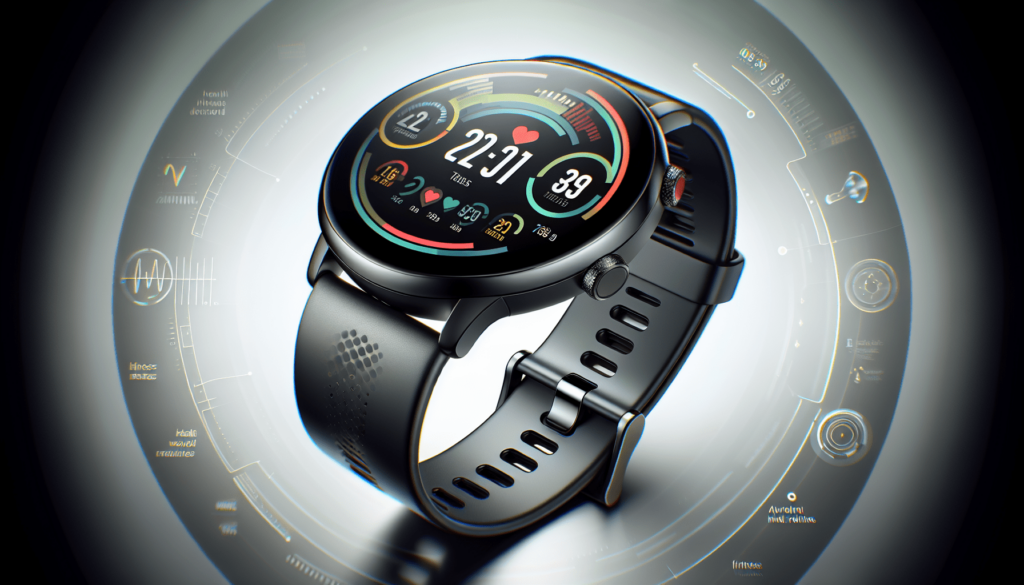
Wearables like fitness trackers and smartwatches can provide real-time data on your physical activity, heart rate, sleep patterns, and more. These devices can also sync with fitness apps for a comprehensive tracking solution.
Best Practices for Tracking
To get the most out of your tracking efforts, here are some best practices to follow:
Keep It Consistent
Tracking inconsistently can lead to misleading results. Choose specific times and days to log your data and stick to them.
Be Honest and Accurate
Accurate data is crucial for understanding your progress. Log your actual workouts, meals, and measurements without guesswork.
Set Realistic Goals
Setting achievable goals can keep you motivated. Break down large goals into smaller, manageable ones and track progress towards each.
Review and Adjust
Regularly review your data to spot trends and make adjustments to your fitness plan as needed. If you notice you’re plateauing, consider changing your workout routine or diet.
Common Mistakes to Avoid
Tracking your fitness progress may seem straightforward, but there are several common pitfalls to look out for:
Overemphasis on Weight
Weight can fluctuate daily due to various factors like hydration, salt intake, and hormonal changes. Don’t rely solely on weight as your primary progress indicator.
Ignoring Non-Scale Victories
Non-scale victories (NSVs) like improved energy levels, better sleep, and increased confidence are often overlooked but equally important.
Skipping Regular Check-Ins
Skipping your scheduled check-ins can disrupt your tracking and make it harder to identify trends. Make it a habit to log your data consistently.
Being Too Hard on Yourself
Progress isn’t always linear. It’s important to have a positive mindset and recognize that setbacks are a part of the journey. Celebrate your accomplishments, no matter how small.
Final Thoughts
Tracking your fitness progress and results can be a game-changer in achieving your health and fitness goals. By using a combination of methods—whether it’s a fitness journal, an app, regular measurements, or wearable technology—you can gain valuable insights and stay motivated along the way. Remember, the key is consistency and honesty in tracking. With these techniques, you’ll be better equipped to understand your body and make educated decisions to improve your fitness journey.
So, are you ready to start tracking your fitness progress? Give these methods a try and watch as you achieve your goals step by step.