
Have you been dreaming of creating a workout space in your home but don’t know where to begin? Whether you’re new to home fitness or looking to upgrade your current setup, transforming a part of your home into an efficient workout space can be both fulfilling and practical. The right space can help you stay motivated, save time, and accommodate various exercises.
Benefits of a Home Workout Space
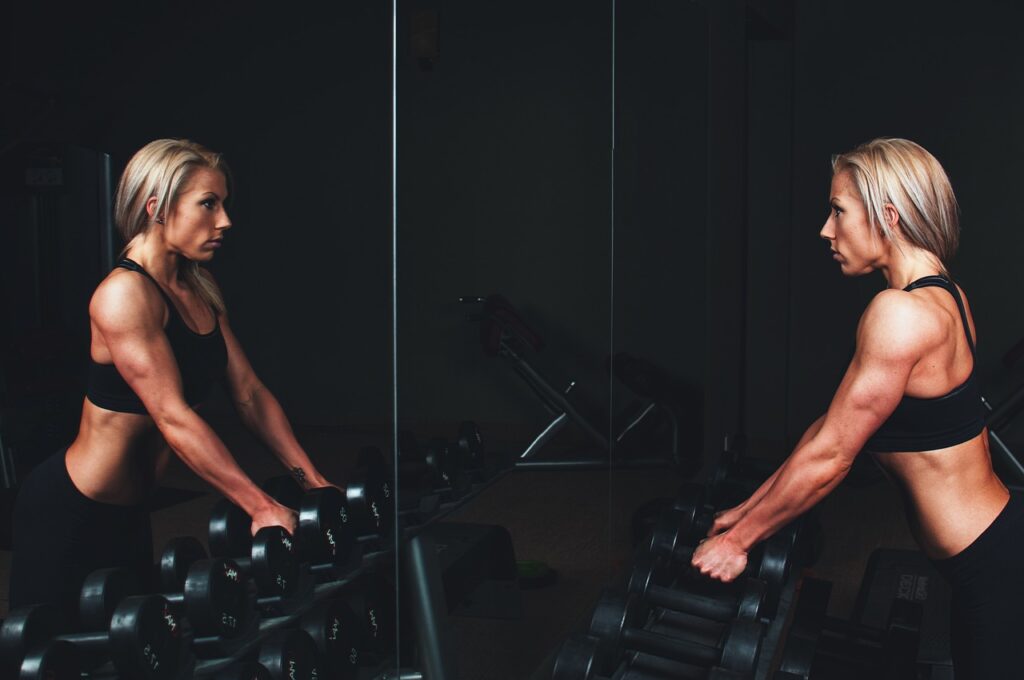
Creating a dedicated workout area in your home offers numerous advantages. It can save you money on gym memberships and create a convenient way for you to maintain your fitness routine. Here are some additional benefits:
- Convenience: No need to commute to the gym. Work out whenever it fits your schedule.
- Personalization: Customize the space to meet your specific fitness needs.
- Comfort: Exercise in the comfort of your own home.
- Cost-Efficiency: Long-term savings compared to annual gym fees.
Choosing the Right Location
One of the most critical decisions in setting up your workout space is choosing its location. Here’s what you need to consider:
Available Space
Take stock of your available space. This could be a spare room, a section of your living room, your basement, or even your garage. The size of the area will determine what equipment you can accommodate and how many different types of exercises you can perform.
Noise Levels
Consider the noise factor—both for you and anyone else in your household. If you prefer quiet while you exercise, pick a location away from high-traffic areas. On the other hand, remember that cardio machines and weights can generate noise, which might disturb others.
Comfort and Ventilation
A comfortable environment is crucial for effective workouts. Ensure that your chosen space has adequate ventilation to keep you cool during intense sessions. If possible, opt for a room with windows or install fans.

Essential Equipment
Deciding on your equipment is another pivotal step. While what you need will vary based on your fitness goals, some essentials can benefit almost everyone.
Cardio Equipment
Even if cardio isn’t your main focus, incorporating some cardio equipment can help you maintain a balanced routine. Some popular choices include:
| Equipment | Pros | Cons |
|---|---|---|
| Treadmill | Great for indoor jogging; Multiple inclines and speeds | Can be bulky and noisy |
| Stationary Bike | Low-impact; Good for endurance | Limited to lower body |
| Rowing Machine | Full-body workout; Highly effective for cardiovascular fitness | Requires ample floor space |
| Elliptical Trainer | Low-impact; Suitable for all fitness levels | Can be expensive |
Strength Training Gear
Strength training is essential for building muscle, improving bone density, and enhancing metabolic health. Some equipment to consider:
| Equipment | Pros | Cons |
|---|---|---|
| Dumbbells | Versatile; Useful for various exercises | Can take up space |
| Resistance Bands | Portable; Great for a range of exercises | Limited resistance compared to weights |
| Kettlebells | Excellent for functional movements | Requires learning proper form |
| Weight Bench | Supports various exercises | Can be bulky |
Flexibility and Recovery Tools
Don’t forget about your flexibility and recovery. This equipment aids in stretching, injury prevention, and recovery:
- Yoga Mat: Essential for floor exercises, stretching, and yoga.
- Foam Roller: Great for myofascial release and muscle recovery.
- Stability Ball: Useful for core workouts and stability exercises.
Flooring and Safety
Flooring is an often-overlooked aspect of setting up your workout space. But the right flooring can prevent injuries, protect your home’s foundation, and create a comfortable environment for your exercises.
Types of Flooring
Different types of exercises may require different types of flooring. Consider these options:
| Flooring Type | Suitable For | Pros | Cons |
|---|---|---|---|
| Rubber Flooring | General workouts, weightlifting | Durable; Cushions falls and drops | Can be expensive |
| Foam Tiles | Yoga, Pilates, light exercises | Comfortable; Easy to install | Not ideal for heavy weights |
| Carpet | Low-impact activities | Soft; Often already installed | Doesn’t provide firm support |
| Vinyl | General fitness activities | Easy to clean; Durable | Can be slippery |
Safety Considerations
Your safety should always come first. Here are some safety tips:
- Secure Equipment: Make sure all your equipment, especially heavy machinery like treadmills or weights, is securely positioned.
- Adequate Lighting: Ensure the space is well-lit to avoid accidents.
- Clutter-Free: Keep the area free from unnecessary items to prevent tripping hazards.

Designing the Layout
The layout of your workout space can significantly impact its functionality and your motivation to use it. Here’s how to design a layout that maximizes efficiency:
Zoning Areas
Creating different zones for different types of activities can make your space more organized and easier to use. Consider dividing your space into:
- Cardio Zone: For all your cardio machines and space for aerobic exercises.
- Strength Training Zone: For weights, benches, and resistance equipment.
- Flexibility Zone: For stretching, yoga, and recovery.
Equipment Arrangement
Arrange your equipment to allow smooth transitions between different workouts. For example:
- Place your cardio equipment against one wall.
- Keep free weights and benches in an area where there’s room for movement.
- Place a mat and foam roller in a quieter section for stretching and recovery.
Storage Solutions
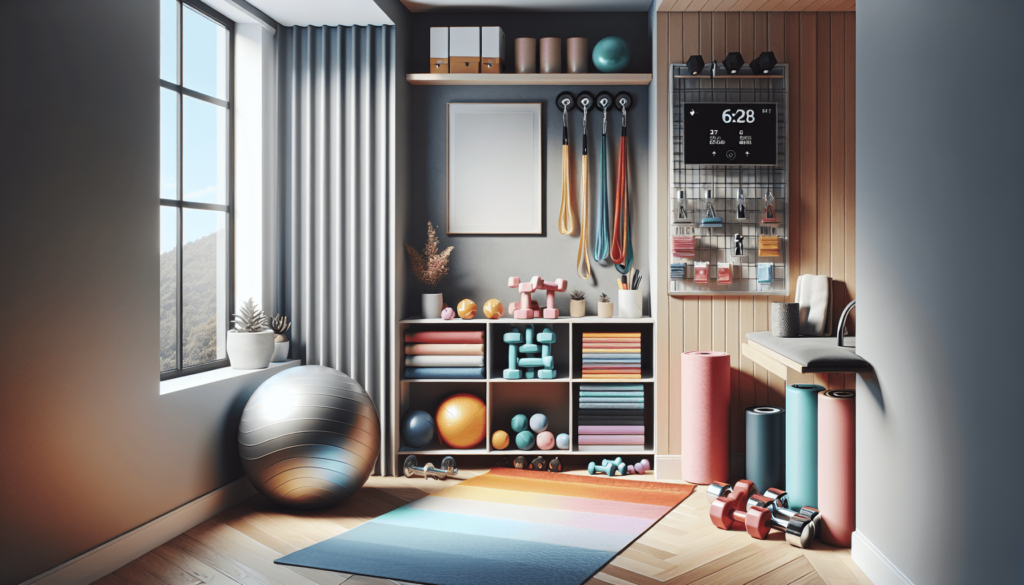
Organizing your equipment with proper storage solutions can save space and keep your workout area tidy:
- Wall Racks: Ideal for storing dumbbells, kettlebells, and resistance bands.
- Shelves: Great for keeping smaller items like mats, foam rollers, and exercise accessories.
- Storage Bins: Useful for keeping miscellaneous items such as workout gloves, towels, and water bottles.
Enhancing Motivation and Ambiance
A motivating environment can make a huge difference in your workout routine. Here’s how to set the right mood:
Sound System
A good sound system can enhance your workout experience. Play your favorite workout tunes or follow along with online classes.
Mirrors
Mirrors aren’t just for vanity—they can help you check your form during exercises, which is crucial for avoiding injuries.
Inspirational Decor
Adding posters, motivational quotes, or any decor that inspires you can create a positive atmosphere.
Technology Integration
In today’s digital age, integrating technology into your home workout space can elevate your fitness experience.
Smart Fitness Equipment
Smart equipment like treadmills or bikes with connected screens can offer guided workouts and track your progress.
Fitness Apps and Wearables
Using fitness apps and wearables can help you track your performance, set goals, and stay motivated.
| Technology | Benefits | Examples |
|---|---|---|
| Smart Treadmills | Interactive workouts; Progress tracking | Peloton Tread, NordicTrack |
| Wearable Fitness Trackers | Monitor heart rate; Track calories burned | Fitbit, Apple Watch |
| Home Gym Systems | Comprehensive workouts; Personalized training plans | Mirror, Tonal |
| Fitness Apps | Guided workouts; Program variety | MyFitnessPal, Nike Training Club |
Budgeting
Creating your home workout space can be as affordable or as high-end as you want. Here’s how to plan your budget wisely:
Basic Setup
For a simple setup, focus on essential items:
| Item | Estimated Cost |
|---|---|
| Yoga Mat | $20 – $50 |
| Resistance Bands | $10 – $30 |
| Basic Dumbbells (Set) | $50 – $100 |
| Jump Rope | $10 – $20 |
Intermediate Setup
This involves more equipment and slightly higher investment:
| Item | Estimated Cost |
|---|---|
| Standard Treadmill | $500 – $1000 |
| Adjustable Dumbbells | $150 – $300 |
| Weight Bench | $100 – $200 |
| Foam Roller | $20 – $40 |
High-End Setup
If budget isn’t a constraint, consider high-quality equipment and technology:
| Item | Estimated Cost |
|---|---|
| Smart Treadmill | $2000 – $4000 |
| Home Gym System | $1500 – $3000 |
| Full Set of Free Weights | $500 – $1000 |
| Smart Bike | $1500 – $2500 |
Maintaining Your Workout Space
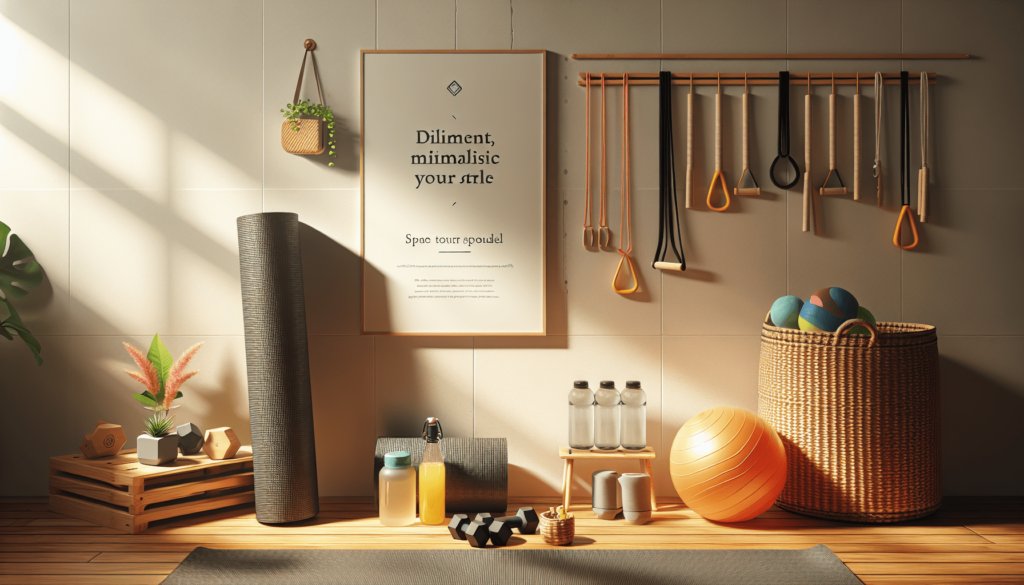
Once you’ve set up your space, it’s essential to maintain it for long-term efficiency and safety. Here’s how:
Regular Cleaning
Keep your equipment and space clean to enhance longevity and prevent injuries:
- Wipe Down Equipment: Use a disinfectant to clean machines, weights, and mats after each use.
- Vacuum and Dust: Ensure the floor and surfaces are free from dust and dirt.
Equipment Maintenance
Regularly check the condition of your equipment:
- Lubricate Moving Parts: For machines like treadmills and bikes.
- Inspect for Wear and Tear: Replace worn-out resistance bands or frayed cables promptly.
Organizing Routine
Reorganize your workout space periodically to keep it clutter-free and functional. This will also help in re-evaluating your current setup and make necessary improvements.
Creating a Routine
Creating a home workout space is only the beginning. You’ll need a consistent routine to make the most of it. Here’s how to establish an effective workout routine:
Setting Goals
Determine what you want to achieve. Whether it’s losing weight, building muscle, or enhancing flexibility, clear goals can guide your workouts.
Scheduling Workouts
Design a workout schedule that fits into your daily life. Consistency is key:
| Day | Activity | Duration |
|---|---|---|
| Monday | Cardio Workout | 45 minutes |
| Tuesday | Strength Training (Upper Body) | 40 minutes |
| Wednesday | Flexibility and Mobility | 30 minutes |
| Thursday | Cardio Workout | 45 minutes |
| Friday | Strength Training (Lower Body) | 40 minutes |
| Saturday | Full-Body Workout | 50 minutes |
| Sunday | Rest or Light Activity | 20 minutes walking/yoga |
Tracking Progress
Monitoring your progress can keep you motivated and ensure you’re on the right path:
- Keep a Workout Journal: Record your exercises, duration, and any other relevant notes.
- Use Technology: Fitness apps and wearables can provide detailed insights into your performance.
Adjusting as Needed
Don’t be afraid to tweak your routine based on how your body feels and your evolving fitness goals.
Conclusion
Setting up a workout space in your home for maximum efficiency is a rewarding endeavor that can lead to long-term health benefits and cost savings. By choosing the right location, investing in essential equipment, arranging your space effectively, integrating technology, and maintaining it properly, you can create a personalized fitness sanctuary. Remember, the ultimate goal is to create a space where you feel comfortable and motivated to reach your fitness aspirations. So, take your time, plan wisely, and enjoy your journey towards a healthier, more active lifestyle!