
Have you ever wondered how you can effectively strengthen your core and improve your balance without needing a gym membership? Using a balance board might just be the answer you’re looking for! Balanced bodies enjoy numerous benefits, from improved posture to better overall fitness. Whether you’re an athlete looking to enhance your performance or someone aiming to maintain a healthy lifestyle, a balance board can be an invaluable addition to your routine. Let’s uncover the best ways to use a balance board for core strength and balance.
Introduction to Balance Boards
Balance boards, sometimes referred to as wobble boards, are devices that challenge your stability. By standing on an unstable surface, your muscles must work harder to maintain balance. This diligent engagement leads to enhanced core strength and improved balance over time.
What is a Balance Board?
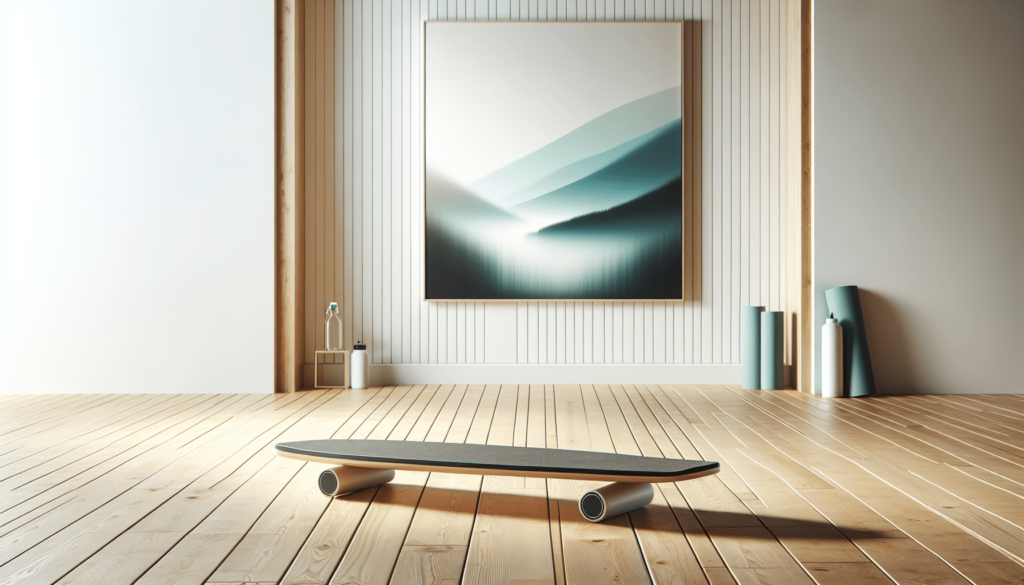
In simple terms, a balance board is a flat platform with a fulcrum or a rounded base that keeps it unstable. The idea is to stand on it and make constant adjustments to avoid tipping over. This continuous motion helps recruit and train your core muscles and other stabilizing muscles in your body.
Different Types of Balance Boards
Balance boards come in various structures, each offering unique benefits:
| Type | Description | Best For |
|---|---|---|
| Wobble Board | A round board with a sphere in the middle | Overall balance and simple exercises |
| Rocker Board | A rectangular board with a cylindrical base | Beginners or rehabilitation |
| Roller Board | A board placed on a rolling cylinder | Advanced exercises and sports training |
Benefits of Using a Balance Board
Core Strength Development
Your core muscles, which include your abs, obliques, and lower back muscles, are pivotal for stability and mobility. When you use a balance board, you constantly engage these muscles to keep your body upright. Over time, this leads to significant improvements in core strength.
Improved Balance
Improving your balance is one of the most straightforward benefits of a balance board. The unstable surface forces you to make tiny adjustments, training your body to maintain stability in various situations. Enhanced balance can help in daily activities and prevent falls, especially as you age.
Enhanced Athletic Performance
For athletes, balance training can make a remarkable difference. Sports often require dynamic and flexible movements, and a strong, stable core can be the foundation of these activities. Whether you’re into soccer, basketball, or even yoga, balance training can elevate your game.
Rehabilitation and Injury Prevention
After an injury, particularly involving the lower body, balance boards are commonly used in rehab programs. They help to build strength and stability gradually. Preventing future injuries is another aspect, as a strong core and improved balance can reduce the likelihood of strains and falls.
Effective Balance Board Exercises
Basic Balancing
Step-by-Step Guide:
- Stand with both feet hip-width apart on the board.
- Slightly bend your knees and keep your back straight.
- Try to maintain balance for 1-2 minutes.
Squats on Balance Board
Squats are excellent for your legs and core, and performing them on a balance board adds an extra challenge.
Step-by-Step Guide:
- Stand on the balance board with feet shoulder-width apart.
- Slowly bend your knees, keeping your back straight.
- Lower your body as you would in a regular squat.
- Return to the starting position and repeat for 10-15 reps.
Plank on Balance Board
Planks are a staple for core workouts. Doing them on a balance board further engages your stabilizing muscles.
Step-by-Step Guide:
- Place your forearms on the balance board.
- Extend your legs out behind you, balancing on your toes.
- Keep your body in a straight line from head to heels.
- Hold the position for 30-60 seconds.
Push-Ups on Balance Board
Push-ups on a balance board work your chest, triceps, and core.
Step-by-Step Guide:
- Place your hands on the balance board.
- Extend your legs behind you, balancing on your toes.
- Lower your body towards the board, then push back up.
- Repeat for 10-15 reps.
Single-Leg Balance
Practicing single-leg balance can significantly improve your stability and core strength.
Step-by-Step Guide:
- Stand on the balance board with one foot.
- Slightly bend your standing knee.
- Try to maintain your balance for 30-60 seconds on each leg.
Seated Balance
This exercise mainly targets your lower back and enhances core strength.
Step-by-Step Guide:
- Sit on the balance board with your feet off the ground.
- Try to maintain your balance using your core muscles.
- Hold the position for 30-60 seconds.
Dynamic Movements
Dynamic movements like lunges or twists incorporate additional motion and challenge both balance and coordination.
Lunge Step-by-Step Guide:
- Stand on the balance board with one foot.
- Step forward into a lunge with the other foot.
- Return to the starting position and switch legs.
- Repeat for 10-12 reps per leg.
Twist Step-by-Step Guide:
- Stand on the balance board with feet hip-width apart.
- Hold a weight or medicine ball in front of you.
- Rotate your torso to the left, then to the right.
- Repeat for 10-15 reps per side.
Benefits of a Routine
Consistency is Key
Like any exercise, consistency is vital. Regular use of the balance board will help you see improvements in core strength and balance.
Combination with Other Workouts
Incorporate balance board exercises into your regular fitness routine. For instance, use the board during your warm-up to activate your core or during your cool-down to aid in muscle recovery.
Track Your Progress
Keep a journal or use a fitness app to track your balance board progress. Note down the exercises you perform, the duration, and any improvements in your stability and strength.
Safety Tips
Start Slowly
If you are new to balance boards, start with the simplest exercises and gradually work your way up to more complex movements.
Use Safety Gear
Consider using a mat underneath the balance board to prevent slipping. Wear comfortable clothes and, if necessary, shoes with good grip.
Listen to Your Body
Pay attention to how your body feels during and after exercises. Any pain or discomfort might indicate that you need to modify your workout or take a rest day.
Expert Tips
Consult a Professional
Before starting any new workout routine, it’s a good idea to consult with a fitness professional. They can provide personalized advice to ensure you are using the balance board correctly and effectively.
Watch Tutorials
There are plenty of video tutorials available online that demonstrate proper techniques for various balance board exercises. Watching these can help ensure you’re performing movements correctly to maximize benefits and minimize risk.
Join a Class
Some gyms offer balance board classes. Joining one can provide additional motivation and guidance from trained instructors.
Potential Challenges and How to Overcome Them
Finding Initial Balance
Many beginners find it challenging to maintain balance initially. Start close to a wall or strong support so you can catch yourself if you begin to tip over.
Muscle Fatigue
Balancing exercises can lead to quick muscle fatigue, especially if your core is not strong. Increase your workout duration gradually to allow your muscles time to adapt.
Fear of Falling
It’s normal to be wary of falling when using a balance board. Start with a simple rocker board and progress to more advanced boards as your confidence builds.
Closing Tips
Embrace the Learning Curve
Remember that everyone starts somewhere. It’s okay to wobble and feel unsteady in the beginning. Embrace this part of the learning process and keep pushing forward.
Set Realistic Goals
Set achievable goals for your balance board workouts. Perhaps start by focusing on maintaining balance for a specific duration and gradually add more complex exercises.
Have Fun
Most importantly, have fun with it! Using a balance board is not only a beneficial exercise for your core and balance but can also be a fun and engaging way to diversify your workout routine.
By incorporating a balance board into your fitness regimen, you can enjoy a multitude of benefits, from enhanced core strength and improved balance to better athletic performance and injury prevention. With consistent practice and the right mindset, you’ll be on your way to achieving greater stability and a stronger core in no time.