
Have you ever wondered how to create an effective circuit training workout using just the equipment you have at home? Circuit training is a versatile and efficient workout strategy that can help you improve cardiovascular health, build strength, and burn calories. Whether you’re a seasoned athlete or a beginner, circuit training can be customized to match your fitness level and goals. In this article, we’ll guide you through the steps to create a personalized and effective circuit training workout with your available equipment.

Understanding Circuit Training
Circuit training involves performing a series of exercises in a sequence, with minimal rest between each exercise. The goal is to work different muscle groups while keeping your heart rate elevated. This makes it an excellent option for both strength training and cardiovascular conditioning.
Benefits of Circuit Training
- Efficiency: Circuit training combines strength and cardio, allowing you to maximize your workout in a shorter amount of time.
- Variety: With numerous exercises to choose from, you can keep your workouts interesting and engage different muscle groups.
- Adaptability: Whether you have a fully equipped home gym or just a few pieces of equipment, you can create a circuit that works for you.
Key Elements of a Circuit Training Workout
A well-rounded circuit training workout should include:
- Warm-up: Start with 5-10 minutes of light cardio and dynamic stretches.
- Exercises: Choose 6-10 exercises targeting different muscle groups.
- Intervals: Determine the duration of each exercise (typically 30-60 seconds) and rest periods (15-30 seconds).
- Rounds: Complete the circuit 2-4 times, depending on your fitness level.
- Cool-down: End with 5-10 minutes of stretching and relaxation.
Assessing Your Equipment
Before designing your circuit, take an inventory of the equipment you have. This can range from dumbbells and resistance bands to a stability ball or bodyweight exercises.
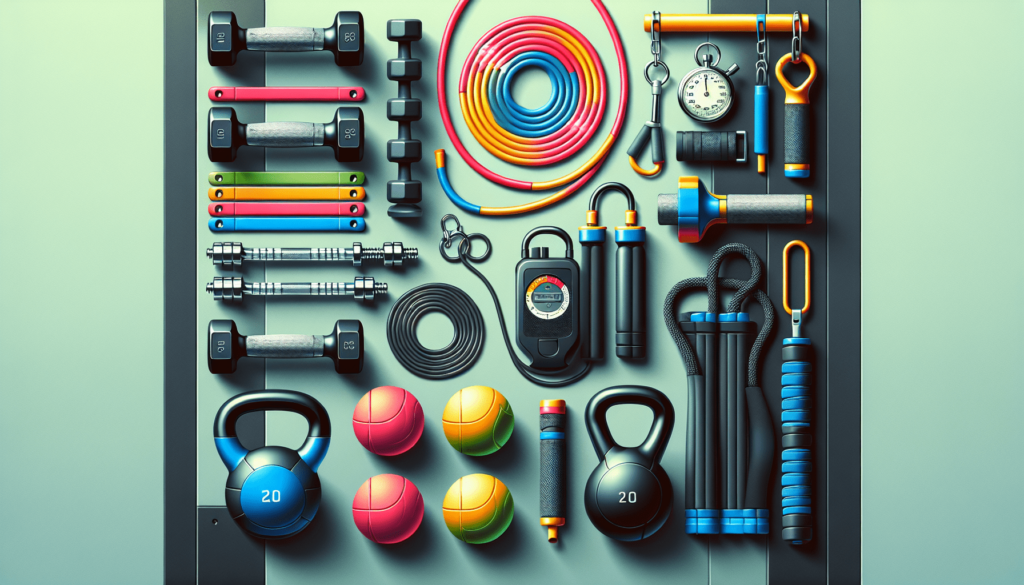
Common Home Equipment
- Dumbbells: Versatile for a variety of strength exercises.
- Resistance Bands: Great for adding resistance without heavy weights.
- Stability Ball: Useful for core exercises and adding instability.
- Kettlebells: Ideal for dynamic movements and full-body exercises.
- Jump Rope: Perfect for incorporating cardio into your circuit.
- Mat: Provides comfort for floor exercises.
No Equipment? No Problem!
Even if you don’t have any equipment, you can still create an effective circuit using bodyweight exercises. Push-ups, squats, lunges, and planks are just a few examples of exercises that require no equipment.
Designing Your Circuit
Now that you understand the basics and have assessed your equipment, it’s time to design your circuit. Follow these steps to create a balanced and effective workout.
Step 1: Choose Your Exercises
Select 6-10 exercises that target different muscle groups. Here are some options:
Upper Body
| Exercise | Equipment | Description |
|---|---|---|
| Push-ups | Bodyweight | Hands shoulder-width apart, lower chest to the ground. |
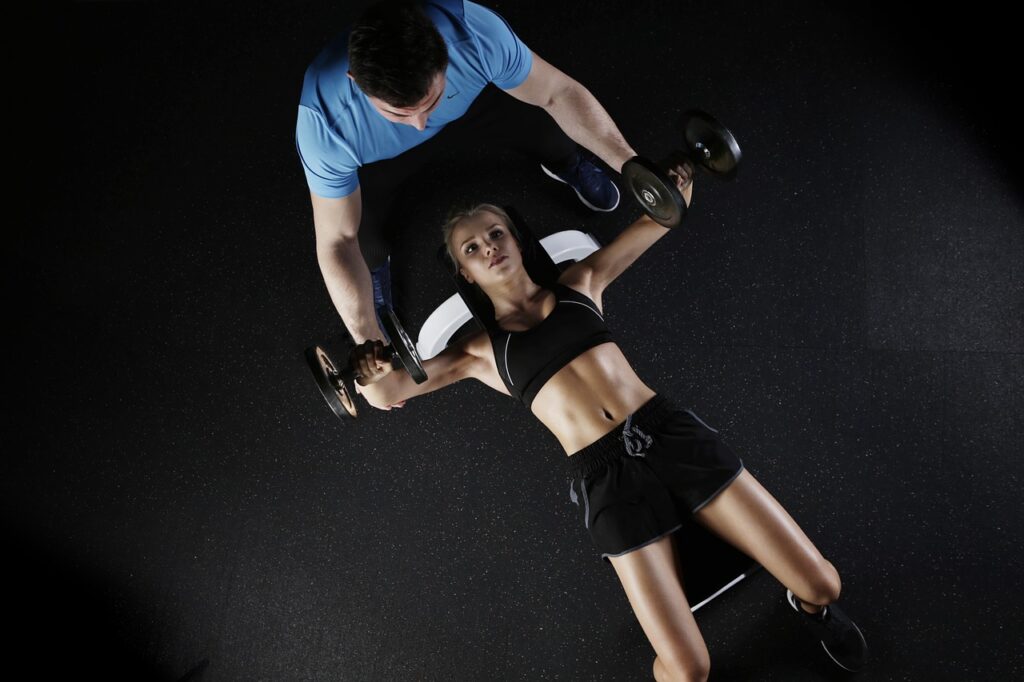
| Dumbbell Press | Dumbbells | Press weights from chest to above shoulders. |
| Resistance Band Rows | Resistance Bands | Pull band towards your body, squeezing shoulder blades. |
Lower Body
| Exercise | Equipment | Description |
|---|---|---|
| Squats | Bodyweight/Dumbbells | Lower hips back and down, keep chest up. |
| Lunges | Bodyweight/Dumbbells | Step forward, lower hips, alternate legs. |
| Deadlifts | Dumbbells/Kettlebell | Hinge at hips, keep back flat, lift weight. |
Core
| Exercise | Equipment | Description |
|---|---|---|
| Plank | Bodyweight | Hold body straight, on elbows or hands. |
| Russian Twists | Dumbbell/Med Ball | Twist torso side to side, feet off the ground. |
| Stability Ball Roll-outs | Stability Ball | Roll ball away from body, engaging core. |
Cardio
| Exercise | Equipment | Description |
|---|---|---|
| Jump Rope | Jump Rope | Jump continuously for the duration. |
| Mountain Climbers | Bodyweight | Knees to chest in a plank position. |
| High Knees | Bodyweight | Run in place, lifting knees high. |
Step 2: Set Your Intervals
Decide the duration for each exercise and rest period. Here’s a common structure:
| Interval Type | Time |
|---|---|
| Exercise Time | 30-60 seconds |
| Rest Time | 15-30 seconds |
Step 3: Plan Your Rounds
Choose how many times you’ll repeat the entire circuit. Beginners may start with 2 rounds, while more advanced individuals may aim for 4 rounds.
Example Circuit
Here’s what a well-rounded circuit might look like using common home equipment:
- Jump Rope – 1 minute
- Push-ups – 45 seconds
- Squats – 45 seconds
- Plank – 1 minute
- Resistance Band Rows – 45 seconds
- Lunges – 45 seconds
- Russian Twists – 1 minute
Complete this circuit 3 times with 30 seconds of rest between each exercise and 1-2 minutes of rest between circuits.
Customizing Your Workout
To keep progressing and prevent boredom, it’s important to regularly change the exercises, intervals, and number of rounds. Here are some tips:
Progressive Overload
Gradually increase the intensity by:
- Adding more weight.
- Increasing the duration of each exercise.
- Reducing rest time.
- Adding more rounds.
Variation In Exercises
To target different muscles and prevent plateaus, vary your exercises every few weeks. For example:
- Substitute push-ups with dumbbell presses.
- Replace squats with goblet squats.
- Change plank to side plank.
Monitor Your Progress
Track your workouts, noting the weights used, intervals, and rounds completed. Keeping a log will help you see your progress and make necessary adjustments.
Sample Workouts Based on Equipment
Let’s see some sample circuits based on the equipment you have.
Minimal Equipment (Bodyweight Only)
| Exercise | Duration |
|---|---|
| Jumping Jacks | 1 minute |
| Push-ups | 45 seconds |
| Bodyweight Squats | 45 seconds |
| Plank | 1 minute |
| Mountain Climbers | 45 seconds |
| Lunges | 45 seconds |
| Bicycle Crunches | 1 minute |
Resistance Bands Workout
| Exercise | Duration |
|---|---|
| Jump Rope | 1 minute |
| Resistance Band Rows | 45 seconds |
| Resistance Band Squats | 45 seconds |
| Plank with Band | 1 minute |
| Resistance Band Curls | 45 seconds |
| Band-resisted Lunges | 45 seconds |
| Band Twists | 1 minute |
Full Home Gym
| Exercise | Duration |
|---|---|
| Kettlebell Swings | 1 minute |
| Dumbbell Bench Press | 45 seconds |
| Stability Ball Squats | 45 seconds |
| Stability Ball Plank | 1 minute |
| Dumbbell Deadlifts | 45 seconds |
| Kettlebell Lunges | 45 seconds |
| Medicine Ball Slams | 1 minute |
Safety and Tips
To ensure an effective and safe circuit training workout, consider the following tips:
Warm-Up and Cool-Down
Always start with a warm-up to prepare your muscles and end with a cool-down to aid in recovery. Neglecting these steps can lead to injuries.
Proper Form
Perform exercises with proper form to avoid injury. If unsure about an exercise’s correct form, consider consulting a fitness professional or using trusted online resources.
Stay Hydrated and Eat Well
Drink plenty of water before, during, and after your workout. Fuel your body with a balanced diet to support your fitness goals.
Listen to Your Body
Pay attention to your body’s signals. It’s okay to adjust the intensity or take breaks if you’re feeling overly fatigued or experience pain.
Conclusion
Creating an effective circuit training workout with your equipment is a fantastic way to stay fit and engaged. By understanding the principles of circuit training, assessing your available equipment, and following structured steps to design your workout, you can develop a routine that meets your fitness goals and keeps you motivated. Remember to vary your exercises, monitor your progress, and always prioritize safety. Happy training and enjoy the journey towards a healthier you!