
Have you ever wondered how elite athletes boost their performance and maintain peak physical condition? One crucial component of their training regimen is advanced interval training. This method can help you maximize your efficiency and take your fitness to the next level. Whether you’re an amateur athlete or a seasoned pro, understanding the intricacies of advanced interval training can yield significant benefits.
What is Advanced Interval Training?
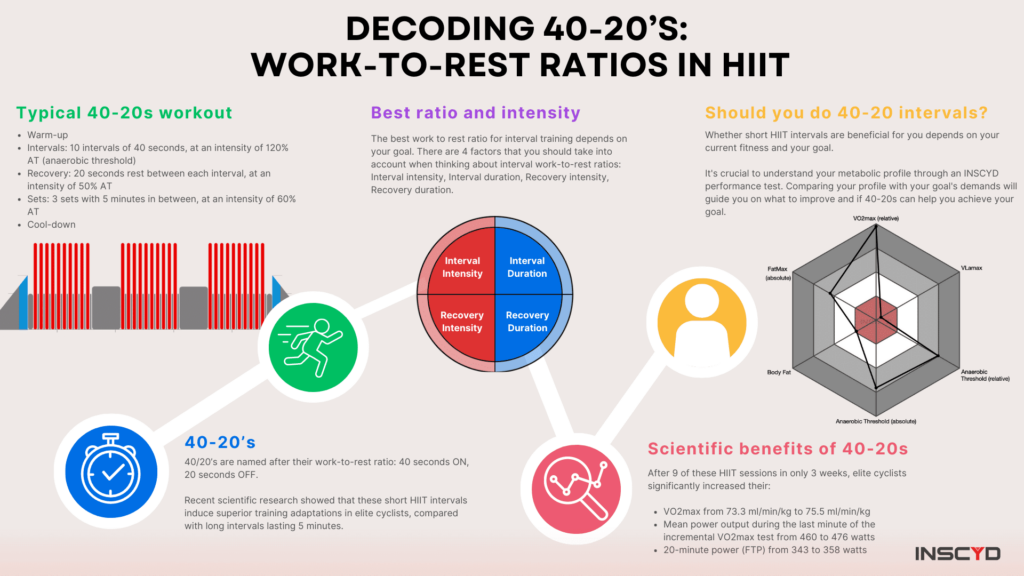
Advanced Interval Training (AIT) involves a series of high-intensity exercise followed by periods of rest or low-intensity activity. This approach aims to improve both your aerobic and anaerobic capacities, making your workouts more effective and impactful.
While traditional interval training might help beginners build endurance and strength, AIT is designed for those looking to push their limits. The essence of AIT is its ability to condition your body to work at maximum effort for extended periods, while also enhancing recovery times.
Benefits of Advanced Interval Training
AIT offers numerous advantages. Here are some key benefits you can expect:
Improved Cardiovascular Health
By subjecting your heart to varying levels of exertion, AIT helps improve heart health. Over time, your cardiovascular efficiency will improve, allowing you to handle more strenuous activities with less effort.
Enhanced Caloric Burn
The high-intensity intervals in AIT significantly increase your caloric expenditure. Even better, you’ll continue burning calories long after your workout through a process known as excess post-exercise oxygen consumption (EPOC).
Increased Metabolic Rate
AIT boosts your metabolic rate, which means you’ll burn calories more efficiently throughout the day. This can be particularly beneficial if you’re aiming for weight loss or body composition changes.
Improved Muscle Tone
The bursts of high-intensity activities activate various muscle groups, promoting muscle growth and toning. Over time, you’ll notice a leaner, more defined physique.
How to Implement Advanced Interval Training
Implementing AIT requires careful planning and execution. Here’s a step-by-step guide to incorporating AIT into your routine:
1. Assess Your Fitness Level
Before you start, it’s essential to understand your current fitness level. This assessment will help you set realistic goals and avoid overtraining.
| Level | Description |
|---|---|
| Beginner | Limited exercise experience |
| Intermediate | Regular exercise, familiar with interval training |
| Advanced | Consistent training, seeking high-intensity challenges |
2. Choose Your Mode of Exercise
Decide on the exercises you want to include. AIT can be applied to running, cycling, swimming, or even bodyweight exercises.
3. Create a Structured Plan
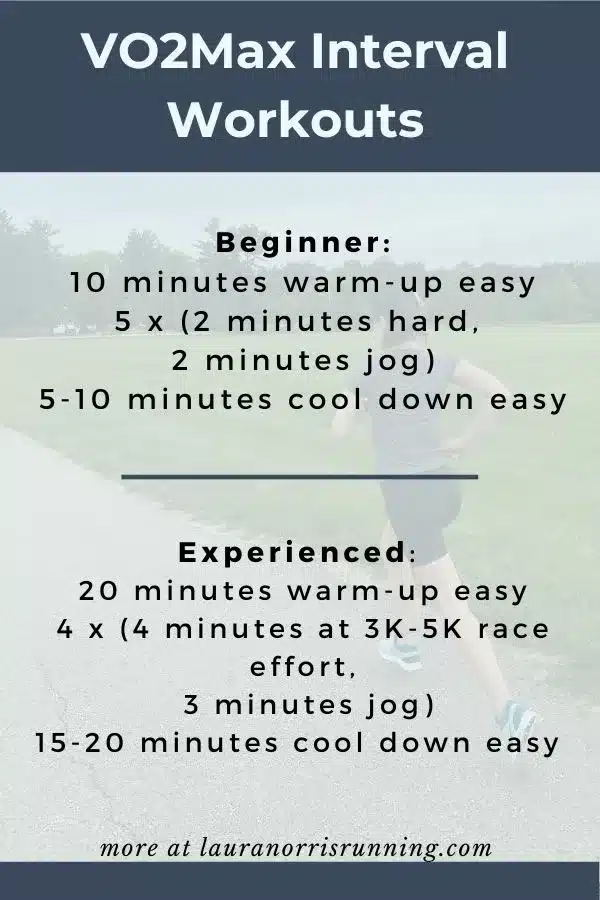
Develop a training plan that outlines your intervals, duration, and intensity levels. For example, you might start with a 1:1 ratio of high-intensity to low-intensity intervals and gradually increase difficulty as you progress.
4. Warm Up and Cool Down
Never skip your warm-up and cool-down routines. A proper warm-up prepares your muscles and joints for intensive work, while cooldowns help in gradual recovery.
Sample Advanced Interval Training Workouts
Here are a few sample workouts to help you get started:
Running Interval Workout
| Interval | Duration (minutes) | Intensity |
|---|---|---|
| Warm-up | 5 | Low |
| Sprint | 1 | High |
| Jog | 2 | Low |
| Sprint | 1 | High |
| Jog | 2 | Low |
| Sprint | 1 | High |
| Cool-down | 5 | Low |
Cycling Interval Workout
| Interval | Duration (minutes) | Intensity |
|---|---|---|
| Warm-up | 5 | Low |
| High Speed | 2 | High |
| Ride Easy | 3 | Low |
| High Speed | 2 | High |
| Ride Easy | 3 | Low |
| High Speed | 2 | High |
| Cool-down | 5 | Low |

Monitoring Progress and Adjustments
To ensure maximum efficiency, keep track of your progress and make necessary adjustments. Here’s how you can do it:
Track Performance Metrics
Use fitness trackers or apps to monitor your heart rate, speed, and calories burned. Consistently review these metrics to gauge improvement.
Listen to Your Body
Pay attention to how your body feels during and after workouts. If you experience excessive fatigue or soreness, it might be time to adjust your intensity levels or take a rest day.
Adjust Intervals Gradually
Once you notice improvements, gradually increase the duration or intensity of your intervals. This progression ensures continuous improvement and prevents plateaus.
Common Mistakes to Avoid in Advanced Interval Training
While AIT can be incredibly effective, it’s essential to avoid common pitfalls that can hinder your progress:
Overtraining
Pushing your body too hard without adequate rest can lead to injuries and burnout. Make sure to include rest days in your training plan.
Lack of Recovery
Ignoring recovery techniques such as stretching, hydration, and proper nutrition can negate the benefits of your workouts. Prioritize recovery as much as you do the workout itself.
Improper Form
Performing exercises with incorrect form can lead to injuries and reduced effectiveness. Consider consulting a trainer to ensure you’re doing everything correctly.

Advanced Techniques in Interval Training
To further enhance your AIT regimen, consider incorporating these advanced techniques:
Negative Splits
Negative splits involve completing the second half of your exercise faster than the first. This technique pushes your endurance and mental toughness.
| Split Type | Duration (minutes) | Intensity |
|---|---|---|
| First Half | 15 | Moderate |
| Second Half | 15 | High |
Fartlek Training
Fartlek, meaning “speed play” in Swedish, combines continual running with intervals of varying speed. This method adds an element of unpredictability, making workouts more engaging and challenging.
Pyramid Training
Pyramid training involves gradually increasing and then decreasing interval durations. This method helps in building both endurance and speed.
| Interval Type | Duration (minutes) | Intensity |
|---|---|---|
| Warm-up | 5 | Low |
| Short Interval | 1 | High |
| Medium Interval | 2 | Medium |
| Long Interval | 3 | Low |
| Medium Interval | 2 | Medium |
| Short Interval | 1 | High |
| Cool-down | 5 | Low |
High-Intensity Functional Training (HIFT)
HIFT involves combining high-intensity intervals with functional exercises. This method is highly effective for improving functional strength and cardiovascular endurance.
| Exercise | Duration (seconds) | Intensity |
|---|---|---|
| Burpees | 30 | High |
| Rest | 15 | Low |
| Squat Jumps | 30 | High |
| Rest | 15 | Low |
| Push-Ups | 30 | High |
| Rest | 15 | Low |
| Mountain Climbers | 30 | High |
| Rest | 15 | Low |
| Cool-down | 5 minutes | Low |
The Role of Nutrition in Advanced Interval Training
Nutrition plays a pivotal role in supporting your AIT regimen. Proper fuel can significantly enhance your performance and recovery.
Pre-Workout Nutrition
Consume a balanced meal or snack rich in carbohydrates and protein about 1-2 hours before your workout. This will provide you with the necessary energy to perform at your best.
Post-Workout Nutrition
Post-workout, your body needs to replenish glycogen stores and repair muscle tissues. Aim for a meal or snack that includes both protein and carbohydrates within 30 minutes of finishing your workout.
Hydration
Staying hydrated is crucial for optimal performance and recovery. Drink water before, during, and after your workouts. For extended sessions, consider an electrolyte-based drink to replace lost minerals.
Mental Strategies for Success in Advanced Interval Training
The physical demands of AIT are significant, but mental resilience is equally important. Here are some strategies to enhance your mental toughness:
Visualization
Visualize yourself completing the workout successfully before you start. This mental rehearsal can boost your confidence and preparedness.
Positive Self-Talk
Maintain a positive inner dialogue during your workout. Encourage yourself and focus on what you can achieve rather than any discomfort or fatigue you might feel.
Setting Micro-Goals
Breaking your workout into smaller, manageable segments can help maintain focus and motivation. Celebrate the completion of each segment to stay motivated throughout.
Conclusion
Advanced Interval Training offers a powerful way to maximize your efficiency and take your fitness to new heights. By understanding its principles, benefits, and methodologies, you can tailor it to meet your specific goals and capabilities.
With commitment, proper planning, and attention to detail, you can harness the power of AIT to achieve remarkable improvements in your physical fitness. Remember to listen to your body and adjust as necessary, ensuring a balanced approach that prioritizes both performance and recovery.