
Have you ever wondered how to maintain your weight without constantly feeling like you’re on a diet? Creating a sustainable nutrition plan for weight maintenance doesn’t have to be complicated or restrictive. By understanding the essentials of balanced eating and aligning them with your lifestyle, you can achieve a healthy, steady weight. Let’s walk through the steps together to create a personalized nutrition plan that fits your needs, preferences, and goals.
Understanding Weight Maintenance
What Is Weight Maintenance?
Weight maintenance is the process of keeping your body weight within a certain range, after you’ve reached your desired weight. This is not about strict dieting or avoiding all your favorite foods, but about finding a balance that works best for your body and lifestyle. It involves eating the right amount of calories and nutrients, coupled with physical activity, to sustain your current weight.
The Importance of a Balanced Diet
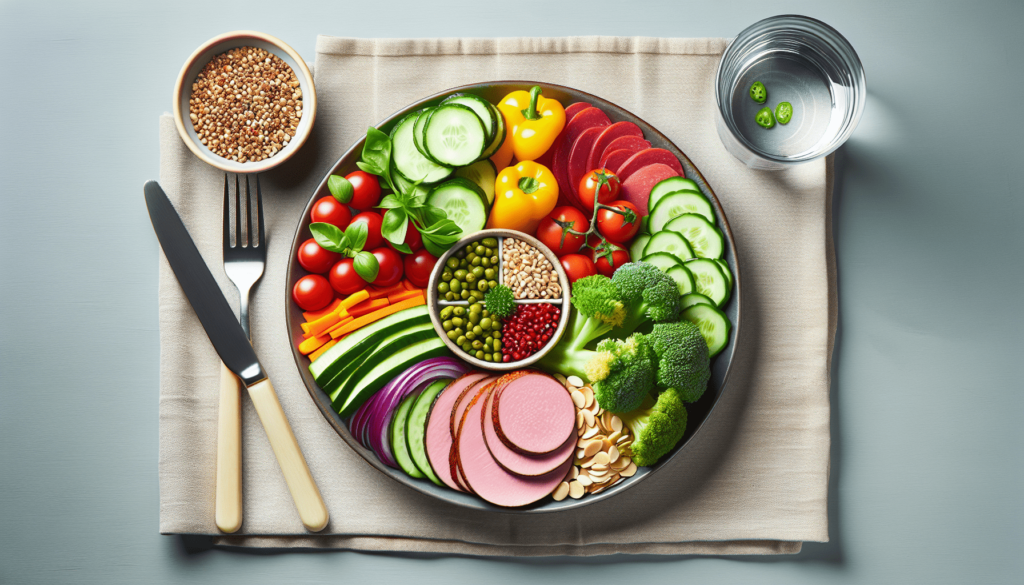
A balanced diet ensures that you get all the nutrients your body needs to function optimally. It’s about consuming the right proportions of carbohydrates, proteins, fats, vitamins, and minerals. Balanced eating helps keep your energy levels stable, supports bodily functions, and can aid in maintaining overall health.
Setting Realistic Goals
Assess Your Current Eating Habits
Before making any changes, evaluate your current eating habits. Keep a food diary for a week to track what you eat and drink. Note the times you eat, portion sizes, and your hunger and fullness levels. This will give you insight into your eating patterns and highlight areas for improvement.
Determine Your Daily Caloric Needs
Your daily caloric needs depend on several factors, including age, gender, weight, height, and physical activity level. You can use an online calculator to estimate your Basal Metabolic Rate (BMR) and Total Daily Energy Expenditure (TDEE). Your BMR is the number of calories your body needs at rest, while TDEE includes additional calories burned through daily activities and exercise.
Set Achievable Goals
Setting realistic and achievable goals is crucial. Do not aim for perfection but for gradual and sustainable changes. For instance, if you notice that you’re consuming too many sugary snacks, aim to reduce them by replacing them with healthier alternatives a few times a week.
Structuring Your Nutrition Plan
Balance Macronutrients
Your diet should consist of a balance between carbohydrates, proteins, and fats.
- Carbohydrates: Provide energy and should make up about 45-65% of your daily calorie intake. Opt for complex carbohydrates like whole grains, fruits, and vegetables.
- Proteins: Essential for muscle repair and growth, they should account for 10-35% of your daily calories. Include lean proteins such as chicken, fish, beans, and nuts.
- Fats: Important for hormone production and nutrient absorption, fats should make up about 20-35% of your diet. Choose healthy fats like avocados, olive oil, and nuts.
Portion Control
Portion control is key to avoiding overeating. Learning to recognize proper portion sizes can be immensely beneficial. Here’s a quick guide:
| Food Group | Serving Size |
|---|---|
| Grains | 1 slice of bread, 1 ounce of cereal |
| Vegetables | 1 cup raw leafy vegetables |
| Fruits | 1 medium fruit or ½ cup fresh juice |
| Dairy | 1 cup milk or yogurt |
| Protein | 3 ounces of cooked meat |
| Fats | 1 teaspoon of oil or butter |
Meal Timing and Frequency
While the number of meals will vary depending on individual preferences, spacing your meals throughout the day can help manage hunger and maintain energy levels. For most people, three balanced meals and one or two small snacks work well. Avoid skipping meals as this can lead to overeating later.
Healthy Eating Habits
Mindful Eating
Mindful eating involves paying full attention to the experience of eating and drinking, both inside and outside the body. It can help you recognize hunger and fullness cues and reduce overeating. Try to minimize distractions during meals by turning off the TV and putting away your phone.
Include a Variety of Foods
Eating a variety of foods ensures that you get a wide range of nutrients. Different foods provide different vitamins, minerals, and other essential nutrients, so try to include a mix of fruits, vegetables, whole grains, proteins, and fats in your diet.
Hydration
Staying hydrated is a crucial part of maintaining your weight. Water helps in digestion, absorption, circulation, and temperature regulation. Aim to drink at least 8 cups of water per day, and more if you’re physically active or in a hot climate.
Incorporating Physical Activity
Find an Activity You Enjoy
Regular physical activity is essential for weight maintenance and overall health. The key is to find something you enjoy so that it becomes a regular part of your life. This can be anything from walking, cycling, swimming, to more structured exercise classes or sports.
Set Realistic Exercise Goals
Like your nutrition goals, your exercise goals should be realistic and achievable. The American Heart Association recommends at least 150 minutes of moderate-intensity aerobic activity or 75 minutes of vigorous activity each week, along with muscle-strengthening activities on two or more days a week.
Combine Cardio and Strength Training
Combining cardiovascular activities with strength training can maximize your efforts. Cardio helps burn calories and improve heart health, while strength training builds muscle, which helps boost metabolism.
| Type of Exercise | Examples | Frequency |
|---|---|---|
| Cardiovascular | Walking, running, cycling | 3-5 times per week |
| Strength Training | Weight lifting, push-ups | 2-3 times per week |
| Flexibility (optional) | Yoga, stretching | 2-3 times per week |
Monitoring Progress and Adjusting
Regularly Check Your Weight
Weigh yourself regularly but not obsessively. Checking your weight once a week can help you stay on track without getting stressed about daily fluctuations. Use the same scale, at the same time of day, wearing similar clothes for consistency.
Keep a Food and Activity Log
Maintain a food and activity log to track what you eat and your exercise routine. This can help you identify patterns and make necessary adjustments. There are various apps available that can make this process easier and more streamlined.
Adjust as Needed
Life is full of changes, and your nutrition plan may need adjustments from time to time. Whether it’s increasing your physical activity or tweaking your food choices, be flexible and willing to make changes. Listen to your body and prioritize what works best for you.
Common Challenges and Solutions
Dealing With Cravings
Cravings are natural, and it’s okay to indulge occasionally. The key is moderation. If you find yourself craving sweets often, try healthier alternatives like fruit or dark chocolate. Sometimes, cravings can also be a sign of nutrient deficiency, so ensure your diet is well-balanced.
Eating Out
Dining out can be challenging when trying to maintain your weight. However, you can make healthier choices by:
- Reviewing the menu beforehand
- Choosing dishes that are grilled, baked, or steamed
- Asking for dressings and sauces on the side
- Being mindful of portion sizes
Managing Social Events and Holidays
Social events and holidays often center around food, making it challenging to stay on track. Here are some tips:
- Eat a healthy snack before attending to avoid overeating
- Opt for smaller portions
- Focus on the social aspect rather than just the food
- Stay active by engaging in physical activities with friends and family
Meal Planning and Preparation
Plan Your Meals
Planning your meals in advance can help you make healthier choices and save time. Create a weekly meal plan that includes breakfast, lunch, dinner, and snacks. Make a shopping list based on your meal plan to avoid impulse purchases.
Batch Cooking and Prep
Batch cooking and meal prep can make it easier to stick to your nutrition plan. Dedicate a day or two each week to cook and portion out your meals. Store them in the refrigerator or freezer for easy access throughout the week.
Sample Meal Plan
Here’s a sample meal plan to give you an idea of how to structure your meals:
| Meal | Example |
|---|---|
| Breakfast | Greek yogurt with berries and a sprinkle of nuts |
| Morning Snack | Sliced vegetables with hummus |
| Lunch | Quinoa salad with mixed greens, grilled chicken, and vinaigrette |
| Afternoon Snack | Apple slices with almond butter |
| Dinner | Baked salmon, sweet potato, and steamed broccoli |
| Evening Snack | Cottage cheese with a handful of blueberries |
Making Your Plan Sustainable
Flexibility
A sustainable nutrition plan should be flexible. It’s important to enjoy your favorite foods in moderation and not feel guilty about occasional indulgences. Flexibility helps you stay consistent and prevents burnout.
Support System
Having a support system can make a big difference in your journey. Share your goals with friends, family, or a nutritionist who can provide encouragement and accountability. Joining online communities or groups with similar goals can also be beneficial.
Celebrate Small Wins
Celebrate your small wins along the way. It could be as simple as choosing a healthy snack over junk food, completing a workout, or successfully planning your meals for the week. Recognizing these achievements will keep you motivated.
Conclusion
Creating a nutrition plan for weight maintenance is about finding balance and making sustainable changes that fit your lifestyle. By understanding your nutritional needs, setting realistic goals, enjoying a variety of foods, and incorporating physical activity, you’ll be well on your way to maintaining a healthy weight. Remember, it’s a journey, and being flexible and kind to yourself is key. Stay consistent and patient, and you’ll see the benefits of your efforts over time.