
Have you ever wondered why everyone keeps talking about probiotics? You might be curious about how these tiny microorganisms can have such a significant impact on your health. Probiotics are live bacteria and yeasts that are beneficial for your digestive system and overall well-being. They are often referred to as “good” or “friendly” bacteria because they help keep your gut healthy.
What Are Probiotics?
Probiotics are live microorganisms that, when consumed in adequate amounts, confer health benefits to the host. They can be found naturally in fermented foods like yogurt, kefir, sauerkraut, and miso, or they can be taken as dietary supplements. The most common types of probiotics are bacteria that belong to groups called Lactobacillus and Bifidobacterium.
How Do Probiotics Work?
Probiotics work by balancing the good and bad bacteria in your gut. Your digestive system is home to trillions of bacteria, which play a crucial role in your health. When the balance between good and bad bacteria is disrupted, it can lead to digestive issues, infections, and other health problems. Probiotics help to restore this balance by increasing the number of good bacteria.
The Gut Microbiome
Your gut microbiome is a complex community of microorganisms living in your intestines. This includes bacteria, viruses, fungi, and other microbes. The gut microbiome plays a vital role in digestion, metabolism, and immune function. Maintaining a healthy gut microbiome is essential for overall health.
| Component | Function |
|---|---|
| Bacteria | Breakdown food, synthesize vitamins, prevent pathogen growth |
| Viruses | Regulate bacterial populations |
| Fungi | Support metabolism and produce beneficial compounds |
| Other Microbes | Assist in nutrient absorption and immune function |
Benefits of Probiotics for Gut Health
Probiotics offer numerous benefits for gut health. Let’s delve into some of the key advantages they provide:
Improved Digestion
Probiotics can help improve your digestion by breaking down food and absorbing nutrients more efficiently. They produce enzymes that assist in the digestion of carbohydrates, fats, and proteins. This leads to better nutrient absorption and a healthier digestive system.
Relief from Digestive Disorders
Many people suffer from digestive disorders like irritable bowel syndrome (IBS), inflammatory bowel disease (IBD), and diarrhea. Probiotics can help to alleviate the symptoms of these conditions by reducing inflammation, balancing gut bacteria, and improving bowel movements.
Enhanced Immune System
A large part of your immune system is located in your gut. Probiotics can help to strengthen your immune system by stimulating the production of antibodies and enhancing the activity of white blood cells. This makes you less susceptible to infections and illnesses.

Benefits of Probiotics for Digestion
Digestive issues are common, but probiotics can offer significant relief. Here are some specific ways probiotics benefit digestion:
Prevention and Treatment of Diarrhea
Probiotics, particularly strains like Lactobacillus rhamnosus and Saccharomyces boulardii, have been shown to prevent and treat diarrhea. This includes diarrhea caused by infections, antibiotics, and travel (often referred to as “traveler’s diarrhea”).
Easing Constipation
Struggling with constipation? Probiotics can help. They increase the frequency of bowel movements and improve stool consistency, making it easier to pass.
Reduction of Gas and Bloating
If gas and bloating are regular issues for you, probiotics might be a solution. They help to break down food more efficiently, reducing the production of gas in the intestines and alleviating discomfort.
The Specific Strains of Probiotics
Different strains of probiotics offer different benefits. Knowing which strain to take can be crucial for addressing specific health concerns.
Lactobacillus
Lactobacillus is one of the most common probiotic bacteria. It is known for its ability to convert lactose into lactic acid, which is essential for people who are lactose intolerant. It’s also effective in treating diarrhea and enhancing the immune system.
Bifidobacterium
Bifidobacterium is another common type of probiotic. It helps to balance the good and bad bacteria in your gut, improving digestion and boosting the immune system. It is often used to treat IBS and constipation.
Saccharomyces boulardii
Saccharomyces boulardii is a yeast probiotic that is particularly effective in treating and preventing diarrhea. It also helps to reduce inflammation and enhance the immune response.
Sources of Probiotics
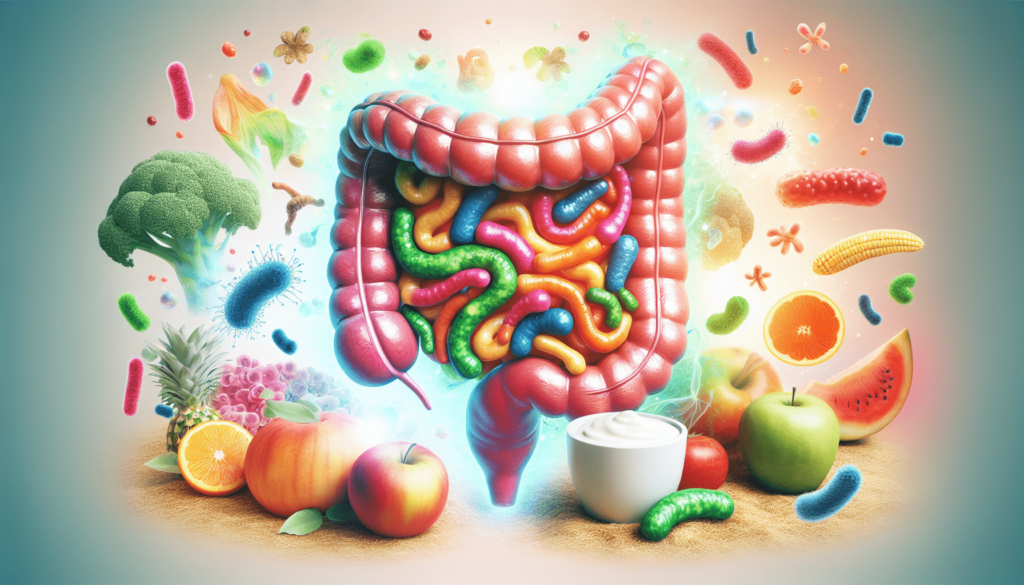
Probiotics can be obtained from various sources, including food and supplements. Here are some of the best sources of probiotics:
Fermented Foods
Fermented foods are an excellent source of probiotics. Some popular fermented foods include:
- Yogurt
- Kefir
- Sauerkraut
- Kimchi
- Miso
- Tempeh
Probiotic Supplements
If you’re not getting enough probiotics from your diet, supplements can be a convenient alternative. They are available in various forms, including capsules, tablets, and powders. When choosing a supplement, look for one that contains multiple strains of bacteria and a high CFU (colony-forming unit) count.
How to Incorporate Probiotics into Your Diet
Incorporating probiotics into your diet is easier than you might think. Here are some tips:
- Start your day with a serving of yogurt or kefir.
- Add sauerkraut or kimchi to your meals.
- Use miso paste in soups and salad dressings.
- Take a probiotic supplement as directed by a healthcare professional.
Considerations When Taking Probiotics
While probiotics offer many health benefits, it’s essential to consider a few factors before adding them to your routine:
Consult a Healthcare Professional
It’s always a good idea to consult a healthcare professional before starting any new supplement, especially if you have underlying health conditions or are pregnant.
Start Slowly
If you’re new to probiotics, start slowly to give your body time to adjust. Increase your intake gradually to avoid potential side effects like gas and bloating.
Monitor Your Progress
Keep track of how you feel after incorporating probiotics into your diet. Note any improvements in digestion and overall health, and adjust your intake as needed.
Probiotics and Mental Health
The gut-brain connection is a fascinating area of research. Studies suggest that probiotics may also have a positive impact on mental health.
Reduced Anxiety and Depression
Probiotics may help to reduce symptoms of anxiety and depression. They produce neurotransmitters like serotonin, which are known to improve mood and mental well-being.
Enhanced Cognitive Function
Some research indicates that probiotics can enhance cognitive function and memory. This is likely due to their ability to reduce inflammation and oxidative stress in the brain.
Probiotics for Skin Health
Your skin is a reflection of your internal health. Probiotics can have a beneficial effect on your skin by improving gut health.
Reduced Acne
Probiotics may help to reduce acne by balancing the bacteria in your gut and reducing inflammation.
Improved Skin Hydration
Probiotics can also improve skin hydration and reduce the appearance of wrinkles. They strengthen the skin barrier and help retain moisture.
The Future of Probiotic Research
The field of probiotic research is continually evolving. Scientists are exploring new strains and their potential health benefits. Future research aims to uncover more about how probiotics can improve various aspects of health and develop targeted probiotic therapies.
Common Myths About Probiotics
There are several myths and misconceptions about probiotics. Let’s address some of the most common ones:
All Probiotics Are the Same
Not all probiotics are the same. Different strains offer different benefits, and it’s essential to choose the right one for your specific needs.
Probiotics Are Only for Digestive Health
While probiotics are well-known for their digestive benefits, they also offer numerous other health advantages, including enhanced immune function, mental health benefits, and improved skin health.
You Need to Take Probiotics Forever
Taking probiotics is not necessarily a lifelong commitment. Depending on your health needs, you may only need them for a specific period. Always consult a healthcare professional for personalized advice.
Conclusion
Probiotics offer a wide range of benefits for gut health and digestion. By balancing the good and bad bacteria in your gut, they can improve digestion, relieve digestive disorders, boost the immune system, and even enhance mental and skin health. Incorporating probiotics into your diet through fermented foods or supplements can have a positive impact on your overall well-being. Remember to consult a healthcare professional before starting any new supplement and monitor your progress to ensure you’re getting the most out of your probiotic intake.