
Have you ever wondered why, even with rigorous training, your progress sometimes stagnates or you feel persistently fatigued? The secret might lie in how you handle your rest days.
Introduction
When you’re engaged in an advanced training program, it’s easy to focus on pushing your body to its limits. You might think that the more time you spend working out, the better your results will be. However, this approach can be counterproductive. Incorporating rest days into your regimen is not a sign of weakness; rather, it’s a strategic element that can elevate your overall performance and well-being.
Understanding the Importance of Rest Days
What Are Rest Days?
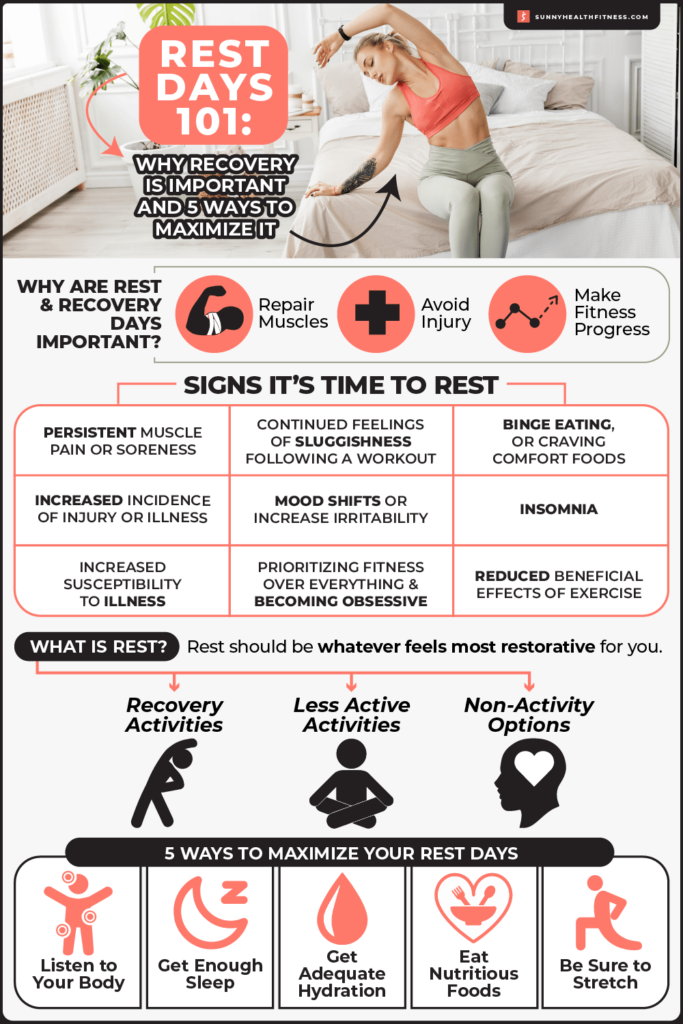
Rest days are precisely what they sound like—days when you give your body a break from intense physical activities. These periods of rest can involve complete inactivity or limited, low-intensity exercises such as walking or yoga. The term “rest” can be a bit misleading because it’s not about being lazy; it’s about giving your muscles, joints, and mind the opportunity to recover from the strain of your training routine.
Why Are Rest Days Crucial?
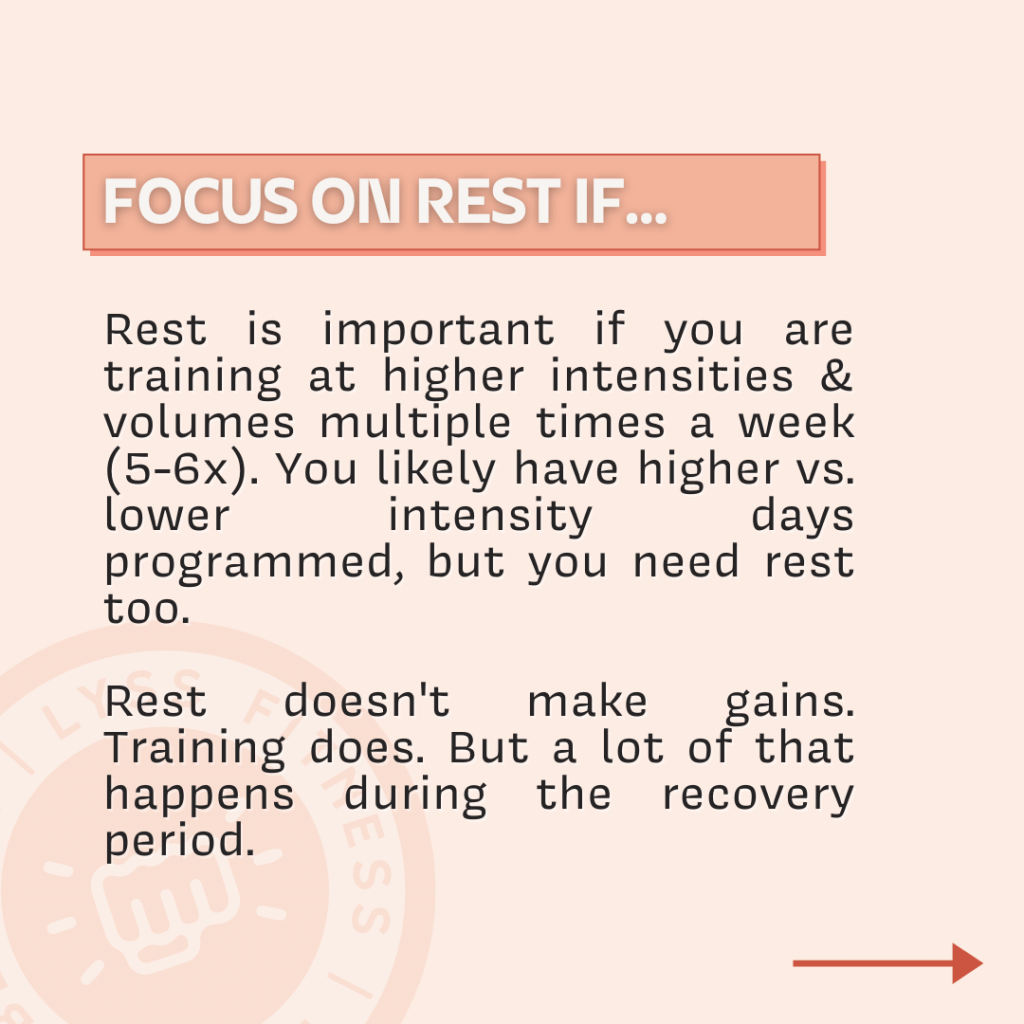
Advanced training programs are demanding. They place significant stress on your muscles, cardiovascular system, and even your mental resilience. Without adequate rest, you risk overtraining, which can lead to injuries, chronic fatigue, and diminished returns on your workouts.
The Science Behind Rest Days
Muscle recovery is an essential aspect of growth and improved performance. When you train, you create small tears in muscle fibers. These tears need time to repair, and this process facilitates muscle growth and strength gain. Rest days provide this crucial repair time. Additionally, rest helps maintain hormone levels, including those associated with muscle growth and stress, ensuring your body remains in a balanced state.
How Rest Days Boost Performance
Muscle Repair and Growth
When you lift weights or perform high-intensity workouts, you put your muscles under significant stress. This stress creates microtears in muscle fibers. During rest days, your body goes to work repairing these microtears, which leads to muscle growth and increased strength. Skipping rest days can impede this vital recovery process, slowing down your progress.
Injury Prevention
Incorporating regular rest days can dramatically reduce the risk of injuries. Constant strain on muscles, ligaments, and joints without adequate recovery time can lead to overuse injuries such as tendonitis or stress fractures. Resting allows tissues to heal and adapt to the stresses placed on them during training.
Mental Recovery
Physical exhaustion is only part of the equation. Intense training regimens can also be mentally draining. Taking time to rest allows your mind to reset, reducing the risk of burnout and helping you maintain a positive outlook on your training journey.
Smart Strategies for Rest Days
Active vs. Passive Rest
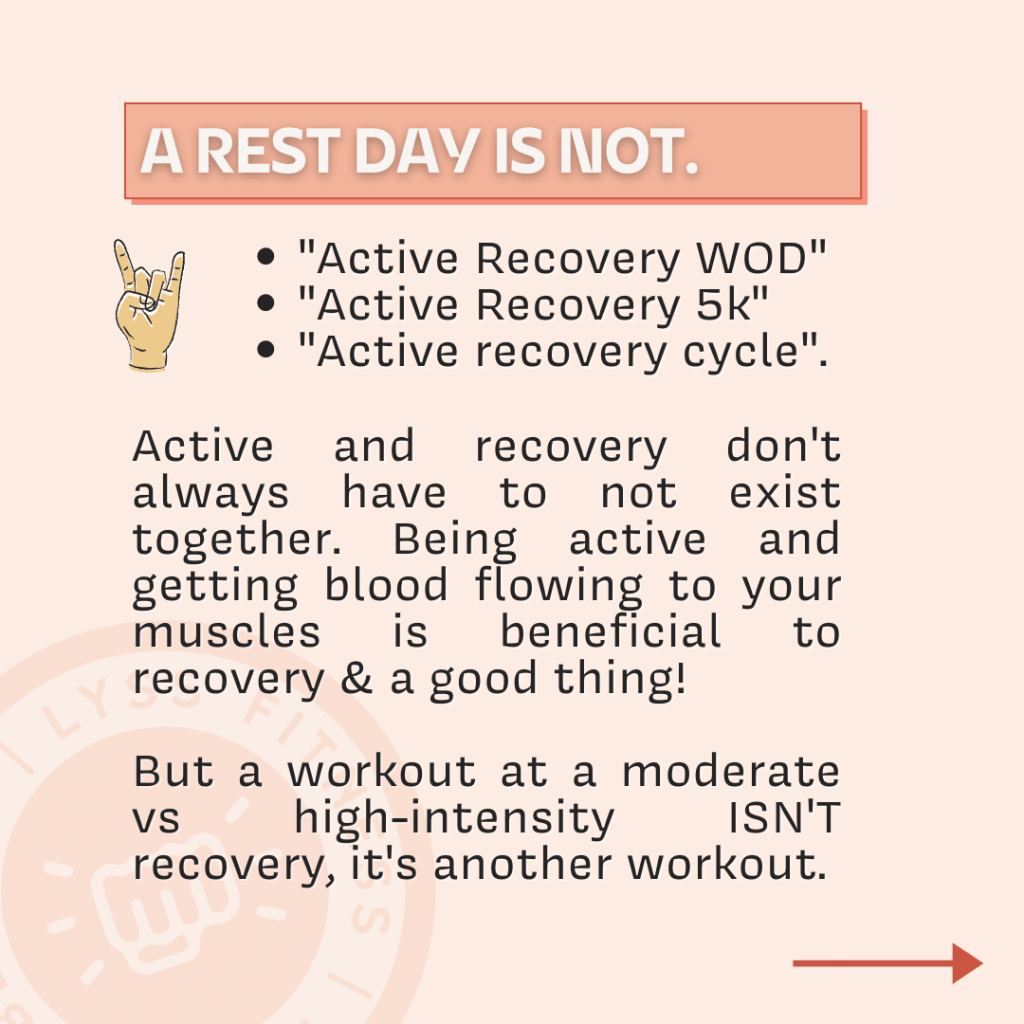
Rest days don’t necessarily mean lying on the couch all day. Active rest involves light activities that promote blood flow and recovery without adding significant stress to your muscles. This can include walking, light cycling, or gentle yoga. Passive rest, on the other hand, involves minimal physical activity and focuses more on complete relaxation.
Here’s a quick breakdown:
| Type of Rest | Description | Examples |
|---|---|---|
| Active Rest | Engages in light activities to aid recovery | Walking, gentle yoga, stretching |
| Passive Rest | Minimal physical activity for full recovery | Reading, watching a movie, light chores |
Nutrition During Rest Days
Nutrition plays a crucial role in your recovery process. On rest days, focus on consuming balanced meals that include lean proteins, healthy fats, and complex carbohydrates. Proteins are essential for muscle repair, while carbohydrates replenish glycogen stores. Omega-3 fatty acids found in fish and flax seeds can help reduce inflammation.
Hydration Is Key
Staying hydrated is equally important on rest days. Water aids in the recovery process by helping transport nutrients to muscles and removing waste products. Although you might not feel as thirsty on days you’re not training, maintaining adequate hydration supports overall health and recovery.
The Role of Sleep
Why Sleep Matters
Sleep is perhaps the most potent recovery tool in your arsenal. During deep sleep stages, your body releases growth hormones, which are vital for muscle repair and growth. Lack of quality sleep can adversely affect your recovery process, making rest days less effective.
Optimizing Sleep Quality
To get the most out of your rest days, aim for at least 7-9 hours of quality sleep. Developing good sleep hygiene habits, such as maintaining a regular sleep schedule, creating a relaxing bedtime routine, and ensuring your sleep environment is conducive to rest, can significantly improve your recovery and overall performance.
Overtraining and Its Consequences
Signs of Overtraining
It’s crucial to recognize the signs of overtraining to prevent injuries and long-term damage. Symptoms can vary but often include persistent fatigue, decreased performance, immune system suppression, insomnia, and mood swings. These signs indicate that your body is not recovering adequately and that you need to incorporate more rest into your training program.
Adjusting Your Training Program
If you suspect you’re experiencing overtraining, review your training schedule. Consider scaling back on the intensity and frequency of your workouts. Sometimes a week of reduced training, known as a deload week, can provide the necessary rest without the need for complete inactivity.
Balancing Intensity and Recovery
Periodization in Training
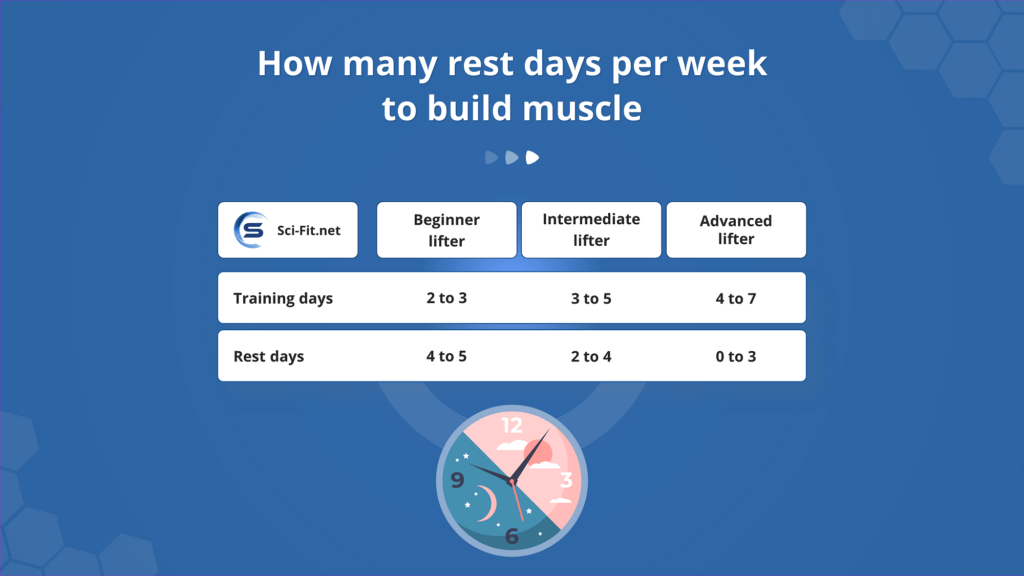
Integrating periodization into your training can help balance intensity and recovery. Periodization involves structuring your training into cycles of varying intensity and volume. This method allows for planned periods of rest and active recovery while still progressing toward your goals.
Listening to Your Body
One of the most important skills you can develop is learning to listen to your body. Paying attention to how you feel before, during, and after workouts can provide valuable insights into whether you need more rest. Don’t ignore persistent aches or a feeling of dread before training—these are often indicators that your body needs a break.
The Psychological Benefits of Rest Days
Reducing Stress and Anxiety
Rest days don’t just benefit your physical well-being; they also play a crucial role in reducing stress and anxiety. Taking time to relax and engage in activities you enjoy can significantly improve your mental health, making your training sessions more effective and enjoyable.
Rekindling Motivation
Constantly pushing yourself without breaks can lead to burnout. Rest days provide you with the opportunity to recharge your motivation and approach your training with renewed vigor. This time away from intense workouts can help you appreciate your progress and set new, exciting goals.
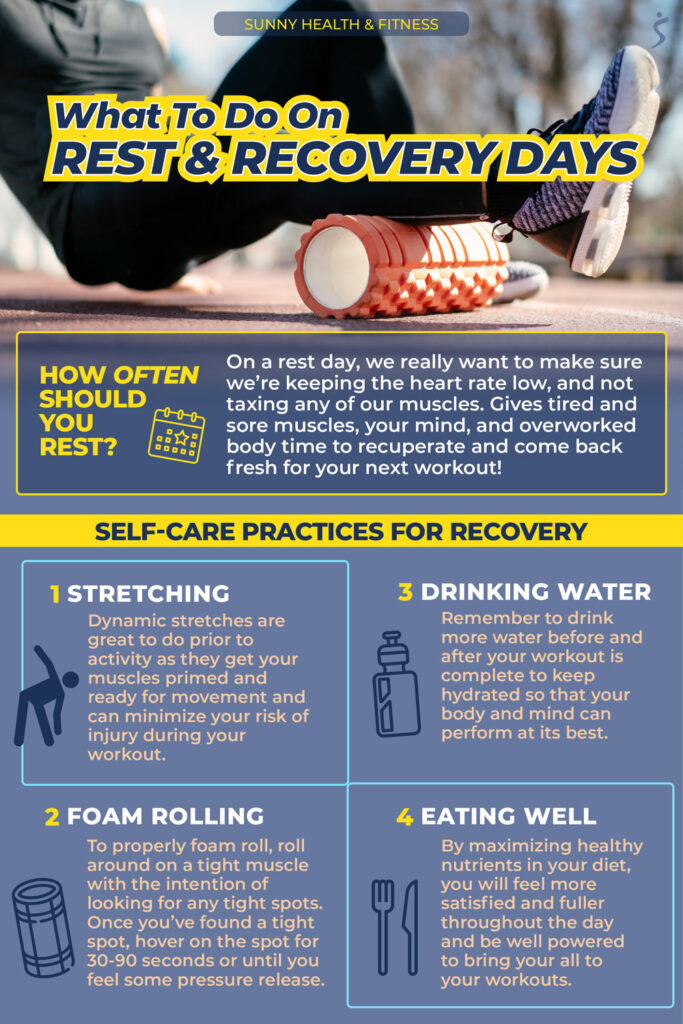
Tailoring Rest Days to Your Needs
Individual Variability
Rest needs can vary significantly from person to person based on factors such as age, fitness level, and the type of training program. It’s essential to tailor your rest days to your individual needs rather than following a one-size-fits-all approach.
Monitoring Progress
Keep track of how rest days impact your performance. Use training logs or fitness apps to monitor your progress and note any changes in strength, endurance, or overall well-being. This data can help you fine-tune your rest and recovery strategy.
Practical Tips for Effective Rest Days
Scheduling Rest Days
Plan your rest days strategically to complement your training regimen. For instance, after a heavy lifting session or an intense cardio workout, scheduling a rest day can maximize recovery. Listen to your body and adjust your schedule as needed based on how you’re feeling.
Incorporate Mindfulness Practices
Mindfulness practices such as meditation or deep-breathing exercises can enhance your recovery on rest days. These activities promote relaxation and reduce stress, contributing to overall well-being.
Engage in Light Activities
While rest days are meant for recovery, engaging in light, enjoyable activities can keep you active without overloading your muscles. Spend time in nature, take a leisurely bike ride, or practice gentle stretching to keep your body moving and aid in recovery.
Conclusion
Rest days are an indispensable part of any advanced training program. They’re not just about taking a break but are essential for muscle repair, injury prevention, mental recovery, and overall performance enhancement. By incorporating strategic rest days into your regimen, you allow your body to recover, rebuild, and ultimately perform at its best.
Listening to your body, optimizing nutrition, getting quality sleep, and maintaining a balanced approach to training can make all the difference. Remember, rest is a powerful tool in your training arsenal—use it wisely, and you’ll see the benefits in your performance and well-being.