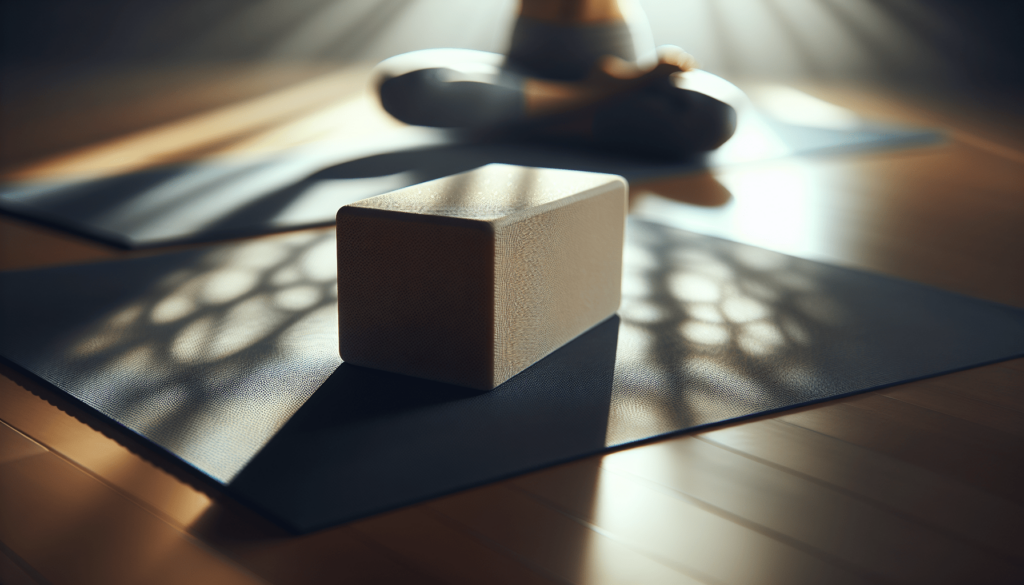
Have you ever wondered whether you’re using the right size yoga block in your practice? This seemingly simple piece of equipment can actually make a significant difference in both your comfort and performance on the mat. Let’s delve into the ins and outs of choosing the right size yoga block for your practice, ensuring you get the most out of each session.
What is a Yoga Block?
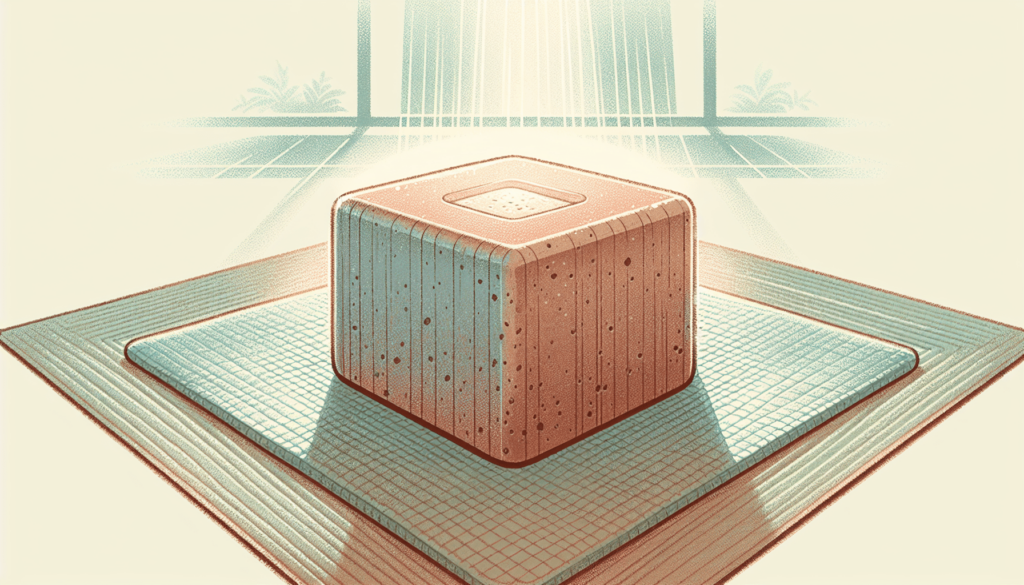
A yoga block is a versatile and supportive tool used primarily to enhance your stretches, improve alignment, and bolster balance during yoga practices. Typically constructed from materials like foam, cork, or wood, yoga blocks come in different sizes and shapes to cater to various needs and preferences.
Why Are Yoga Blocks Important?
Yoga blocks serve multiple purposes, making them indispensable in many yoga routines. They provide support in challenging poses, help maintain proper alignment, and make stretching exercises more manageable. Whether you’re a beginner or a seasoned practitioner, using the right size yoga block can elevate your practice.
Support in Challenging Poses
For beginners, yoga blocks provide the extra length and support needed to achieve poses that are otherwise out of reach. They bring the floor closer to you, offering stability in poses like Trikonasana (Triangle Pose) or Parivrtta Trikonasana (Revolved Triangle Pose).
Proper Alignment
Maintaining correct alignment is crucial to prevent injuries and ensure that you reap the full benefits of each asana. A yoga block helps you achieve optimal alignment by reducing the strain on your muscles and joints.
Enhanced Stretching
Yoga blocks enable you to deepen your stretches in a safe and controlled manner. For instance, in a seated forward bend, placing a block beneath your feet can help you stretch without overextending.
Types of Yoga Blocks
Yoga blocks come in various materials, each with its own unique properties. Let’s break down the most common types to help you identify which one might be best for you:
| Material | Properties | Best For |
|---|---|---|
| Foam | Lightweight, affordable, firm yet soft | Beginners, those needing gentle support |
| Cork | Durable, eco-friendly, heavier | Intermediate to advanced practitioners, eco-conscious users |
| Wood | Very sturdy, long-lasting | Advanced practitioners, those needing maximum support |
Different Sizes of Yoga Blocks
Yoga blocks are typically available in three standard sizes, each designed to cater to different needs and body types. Here’s a look at the most common sizes:
| Size | Dimensions (inches) | Best Used For |
|---|---|---|
| Small | 3” x 6” x 9” | For those with smaller hands or more flexibility |
| Standard | 4” x 6” x 9” | Most versatile and widely used size |
| Large | 5” x 6” x 9” | Taller individuals, those needing more support |
Small Yoga Blocks
Small yoga blocks (3” x 6” x 9”) are excellent for individuals with smaller hands or those who have a higher degree of flexibility. They offer sufficient support without being bulky, making them ideal for poses requiring precision and control.
Standard Yoga Blocks
Standard yoga blocks (4” x 6” x 9”) are the most versatile and commonly used size. They strike a perfect balance between support and portability, fitting well in most hands and offering adequate stability in various poses and stretches.
Large Yoga Blocks
Large yoga blocks (5” x 6” x 9”) are perfect for taller individuals or those needing more substantial support. The extra height and width provide an increased stability, making them particularly suitable for restorative and therapeutic practices.
Factors to Consider When Choosing a Yoga Block
Selecting the right yoga block involves more than just picking a size off the shelf. Various factors, including your body’s needs, goals, and preferences, can influence your decision. Here are some key considerations:
Your Experience Level
Your experience level in yoga can significantly impact your choice of yoga block. Beginners may benefit more from the additional support and cushioning offered by a foam block, while experienced practitioners might opt for the sturdiness of cork or wooden blocks.
Your Flexibility and Body Type
Your flexibility and body type should also inform your choice. Individuals with less flexibility might require larger blocks to achieve proper alignment and reduce strain, while those with smaller frames or greater flexibility could fare better with smaller blocks.
Type of Yoga Practice
The type of yoga you practice also plays a crucial role. For dynamic and flowing styles like Vinyasa or Ashtanga, lightweight and easy-to-handle foam blocks are ideal. For more static and grounding practices like Iyengar or Restorative Yoga, the solid support of cork or wood might be more appropriate.
Environmental Concerns
If you’re concerned about the environment, you might prefer eco-friendly options. Cork blocks are made from sustainable materials and are biodegradable, making them an excellent choice for the eco-conscious yogi.
How to Use Yoga Blocks Effectively
To get the most out of your yoga block, it’s essential to know how to use it effectively. Here are some helpful tips on incorporating your yoga block into practice:
Basic Poses Using Yoga Blocks
-
Triangle Pose (Trikonasana):
- Place a block on the inside or outside of your front foot.
- Rest your bottom hand on the block to maintain balance and alignment.
-
Supported Bridge Pose (Setu Bandhasana):
- Position a block underneath your sacrum.
- This allows you to relax and benefit from the gentle backbend without exertion.
-
Seated Forward Bend (Paschimottanasana):
- Place a block between your feet and gently fold forward.
- This alleviates strain on your lower back and enhances the stretch.
Advanced Poses and Modifications
-
Crow Pose (Bakasana):
- Use two blocks to create a platform for your feet.
- This helps you shift your weight forward more comfortably and achieve the pose.
-
Pigeon Pose (Eka Pada Rajakapotasana):
- Place a block under your hip for additional support and balance.
- This modification helps in maintaining alignment and reduces hip tension.
-
Wheel Pose (Urdhva Dhanurasana):
- Place two blocks beneath your hands.
- This elevates your starting position, making it easier to transition into the full pose.
Maintaining Balance
Using a block can drastically improve your balance, particularly in standing poses. Here’s how:
-
Half Moon Pose (Ardha Chandrasana):
- Place the block on its tallest height outside your front foot.
- This provides a stable foundation, enabling you to focus on balancing without overextending.
-
Warrior III (Virabhadrasana III):
- Position two blocks at shoulder-width apart in front of you.
- This adds an element of stability and makes the balancing act more approachable.
Caring For Your Yoga Block
Maintaining your yoga block is straightforward but essential for longevity and hygiene.
Cleaning
- Foam Blocks: Wipe down with a damp cloth and mild soap. Let it air dry completely.
- Cork Blocks: Use a damp cloth and a natural cleaner. Avoid submerging in water.
- Wooden Blocks: Wipe with a dry or slightly damp cloth. Oil occasionally to maintain wood quality.
Storage
Store your blocks in a cool, dry place. If you have multiple blocks, stack them to save space and maintain their shape.
Conclusion
Choosing the right size yoga block might seem like a small detail, but it has a significant impact on your practice. By considering factors like your experience level, body type, the style of yoga you practice, and environmental concerns, you can select a block that enhances your yoga journey. Whether you’re striving for better alignment, deeper stretches, or improved balance, the right yoga block can help you achieve your goals with ease and stability.
So, next time you’re on the mat, take a moment to assess your block’s size and material. Doing so could make all the difference between a good practice and a transformative one. Happy practicing!