
Have you ever wondered how advanced stretching techniques could improve your flexibility and overall well-being? You’re not alone. Many people are curious about how enhancing their flexibility can aid in various aspects of life, from improving athletic performance to boosting mental health. In this comprehensive guide, we’ll dive deep into advanced stretching techniques, exploring their benefits, and offering practical tips to incorporate them into your daily routine.
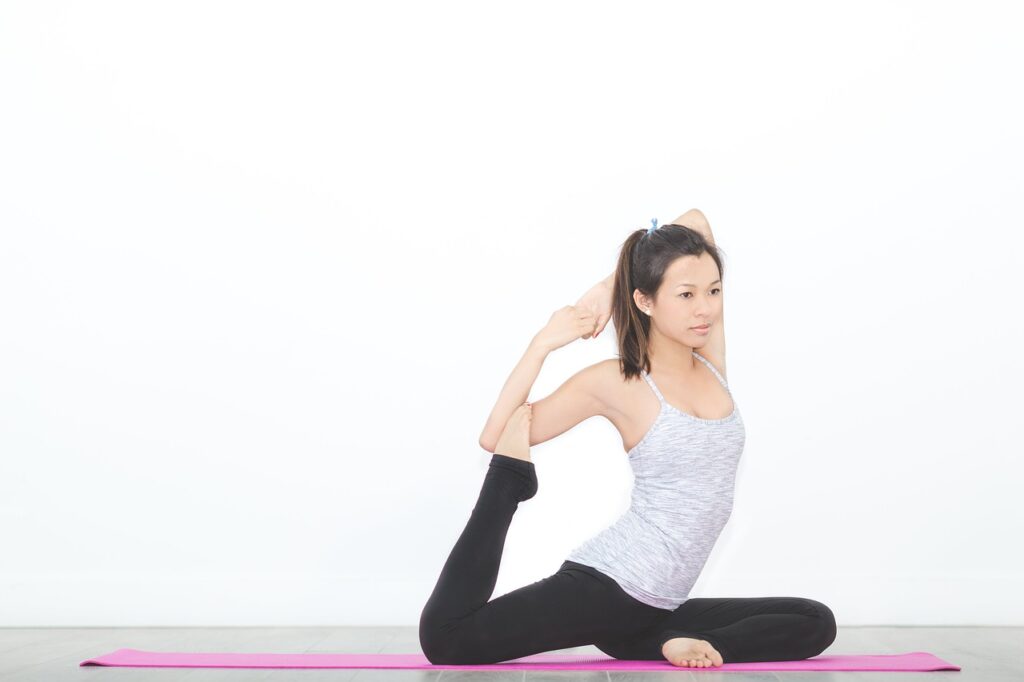
What Are Advanced Stretching Techniques?
Advanced stretching techniques go beyond the basic stretches you may have learned in PE class or during a yoga session. These techniques are more complex and can provide greater benefits when performed correctly. They typically involve dynamic movements, deeper stretches, and sometimes even tools like resistance bands or foam rollers.
Types of Advanced Stretching Techniques
To better understand advanced stretching, let’s categorize them into several types. Each type has unique characteristics and benefits:
| Type of Stretch | Description |
|---|---|
| Static Stretching | Holding a stretch for a prolonged period (usually 15-60 seconds) |
| Dynamic Stretching | Moving parts of your body and gradually increasing reach and speed |
| Ballistic Stretching | Using bouncing movements to push your body beyond its usual range |
| PNF (Proprioceptive Neuromuscular Facilitation) | Involves both stretching and contracting the muscle group being targeted |
| Myofascial Release | Using foam rollers or massage balls to relieve muscle tightness |
The Benefits of Advanced Stretching Techniques
Now that you have an overview of what advanced stretching involves, let’s explore the manifold benefits that these techniques can offer. The advantages are wide-ranging, affecting physical health, mental well-being, and even social aspects of life.
Enhanced Flexibility
Flexibility is perhaps the most apparent benefit of advanced stretching techniques. Improved flexibility can contribute to better posture, reduced risk of injury, and enhanced athletic performance. Unlike basic stretching, advanced techniques allow for deeper muscle elongation and more dynamic movement patterns, leading to greater flexibility gains over time.
Improved Athletic Performance
For athletes, enhanced flexibility can significantly improve performance in various sports. For instance:
| Sport | Benefit from Flexibility |
|---|---|
| Running | Longer stride length and reduced risk of injuries |
| Swimming | Increased range of motion for strokes |
| Gymnastics | Ability to perform more complex movements |
| Martial Arts | Enhanced kicking and striking capabilities |
By incorporating advanced stretching into your training regimen, you can achieve a higher level of athleticism.
Better Posture and Alignment
Poor posture is a common issue, especially for those who spend long hours sitting at a desk. Over time, advanced stretching can correct postural imbalances and realign your body. Techniques such as static and PNF stretching can lengthen tight muscles and strengthen weak ones, leading to better posture and reduced occurrences of back pain.
Stress Relief and Mental Well-being
Stretching isn’t just good for your body; it’s also beneficial for your mind. The meditative aspect of stretching can help reduce stress and anxiety levels. Moreover, focusing on your body’s movements can serve as a form of mindfulness, bringing you into the present moment and helping you to unwind.
Enhanced Recovery
Advanced stretching can expedite muscle recovery post-exercise by improving blood flow and promoting faster repair of muscle fibers. Myofascial release techniques, in particular, can help to break down scar tissue and alleviate delayed onset muscle soreness (DOMS).

How to Incorporate Advanced Stretching Into Your Routine
Assess Your Needs and Goals
The first step in incorporating advanced stretching into your life is to assess your needs and goals. Are you looking to improve flexibility for a specific sport, or do you want to alleviate chronic back pain? Understanding your objectives will guide you towards the most effective techniques.
Consistent Practice
Consistency is key when it comes to any fitness routine. Aim to incorporate advanced stretching techniques at least 3-4 times a week. Even spending just 10-15 minutes per session can lead to significant improvements over time.
Warm-Up and Cool Down
Always remember to include a warm-up before engaging in advanced stretching and a cool down afterward. This ensures that your muscles are prepared for the stretches and helps to prevent injury. Warm-ups could include light jogging or dynamic stretches, while cool-downs could involve static stretching and deep breathing exercises.
Choose the Right Environment
For the best results, choose a quiet, distraction-free environment to practice your stretches. This will help you focus, which is particularly important when attempting more challenging or complex techniques.
Practical Examples of Advanced Stretching Techniques
Knowing what advanced stretching techniques are is one thing, but understanding how to perform them is another. Here are some practical examples that you can try.
Dynamic Stretching Routine
Dynamic stretching involves actively moving parts of your body to gradually increase reach, speed of movement, or both. It is excellent for warming up and enhancing overall mobility.
Example Exercises:
- Leg Swings: Swing one leg forward and backward while supporting yourself with a wall or chair.
- Arm Circles: Rotate your arms in large circles, gradually increasing the range of motion.
- Torso Twists: Stand with your feet shoulder-width apart and twist your torso to one side, then the other.
PNF Stretching Routine
PNF stretching involves both the stretching and contracting of muscle groups to achieve maximum flexibility. It is often done with a partner but can also be done solo.
Example Exercises:
- Hamstring Stretch: Lie on your back and lift one leg. Use a strap or your hands to pull the leg towards you, then push against the resistance for a few seconds before relaxing and pulling it further.
- Chest Stretch: Stand in a doorway and place your arms at a 90-degree angle against the frame. Lean forward and then push against the frame for a few seconds before relaxing into the stretch.
Myofascial Release Routine
Myofascial release techniques involve using tools like foam rollers or massage balls to relieve muscle tightness and improve flexibility.
Example Exercises:
- Foam Rolling for Quads: Lie face down with the foam roller under your thighs. Roll back and forth, pausing on any tender spots.
- Massage Ball for Shoulders: Place a massage ball between your shoulder blade and a wall. Apply pressure and move your body to massage the area.

Tips for Safe Stretching
While stretching offers numerous benefits, it’s crucial to practice safely to avoid injury. Here are some tips to keep in mind:
Listen to Your Body
If you feel sharp pain or discomfort while stretching, it’s essential to stop immediately. Stretching should feel intense but not painful. Pushing too hard can lead to muscle strains or other injuries.
Breathe Properly
Proper breathing can enhance the effectiveness of your stretches. Inhale deeply before initiating the stretch, then exhale as you go deeper into the stretch. This will help relax the muscles and improve oxygen delivery.
Stay Hydrated
Hydration plays a critical role in muscle flexibility and function. Make sure you’re drinking enough water throughout the day, especially before and after stretching sessions.
Common Mistakes to Avoid
Skipping the Warm-Up
Never dive directly into advanced stretching without a proper warm-up. Muscles need to be warmed up to be more pliable and less prone to injury. A simple 5-10 minute cardio session can do wonders.
Overstretching
While it may be tempting to push your limits to gain flexibility, overstretching can have the opposite effect. Muscles that are overstretched can become weak and more prone to injury. Always stay within your comfort zone.
Inconsistency
Like any fitness regimen, consistency is crucial. Sporadic stretching sessions will yield little to no results. Make it a habit to stretch regularly to reap the full benefits.

Final Thoughts
Incorporating advanced stretching techniques into your fitness routine can provide a plethora of benefits, from enhanced flexibility and improved athletic performance to better posture and stress relief. While it may require a bit of effort and consistency, the long-term rewards make it well worth your time.
By assessing your needs, choosing the right techniques, and practicing safely, you can make advanced stretching an integral part of your healthy lifestyle. Remember, your body is unique, so listen to it carefully and adjust your routines accordingly.
So, are you ready to take your flexibility to the next level? With the information and examples provided, you have all the tools you need to start reaping the benefits of advanced stretching techniques. Make a commitment today, and your future self will thank you.