
Have you ever wondered how to maintain your activity levels as you grow older? Aging is a natural process that happens to everyone, but staying active can greatly enhance your quality of life and keep your body and mind in good shape. Life doesn’t slow down as you age, and neither should you!
Keeping active not only keeps you healthier but also boosts your mood, energy levels, and overall sense of well-being. Here’s a comprehensive guide to staying active as you journey through the years.
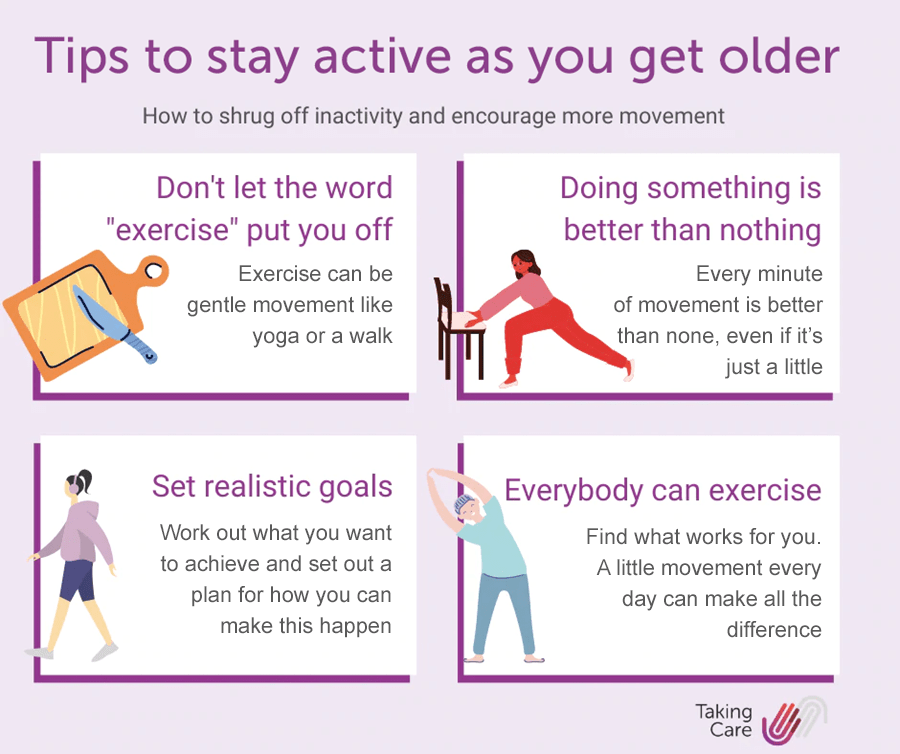
The Importance of Staying Active
Physical Health Benefits
Engaging in regular physical activity can reduce your risk of heart disease, stroke, diabetes, and even some cancers. Physical activity keeps your muscles, bones, and joints strong, reducing the risk of falls and fractures. Regular exercise can also help manage chronic pain, improve balance, and enhance flexibility.
Mental Health Benefits
Being active is not just good for your body but also for your mind. Exercise can reduce feelings of depression and anxiety, improve your sleep, and boost overall cognitive function. Staying active can also delay the onset of dementia and other cognitive declines.
Social Benefits
Participating in group activities or community sports can improve your social life, reducing feelings of isolation and loneliness. Joining a club or social group can give you a sense of belonging and help you build new friendships.
Types of Exercises to Consider
Aerobic Exercises
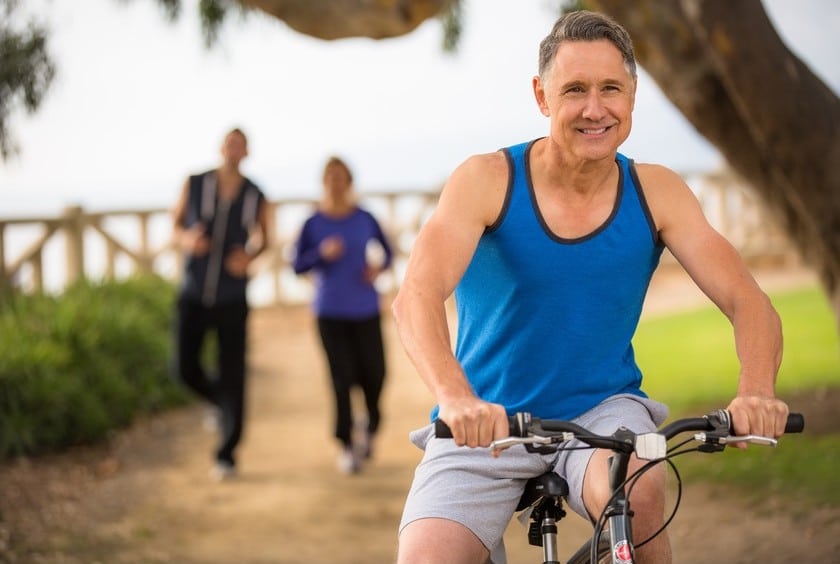
Aerobic exercises, also known as cardiovascular exercises, use large muscle groups and increase your heart rate. Examples include walking, jogging, swimming, and cycling. Aim for at least 150 minutes of moderate aerobic activity or 75 minutes of vigorous activity each week.
Strength Training
Strength training is essential for maintaining muscle mass and bone density. Activities such as lifting weights, using resistance bands, or performing body-weight exercises like push-ups and squats are beneficial. Aim to include strength training exercises on two or more days a week.
Flexibility and Balance Exercises
Flexibility exercises like yoga or stretching can improve your range of motion and reduce the risk of injury. Balance exercises such as tai chi can help prevent falls, which are a common concern as you age.
Low-Impact Activities
Low-impact activities are easier on your joints and include walking, swimming, and cycling. These activities are particularly beneficial if you have conditions like arthritis or osteoporosis.
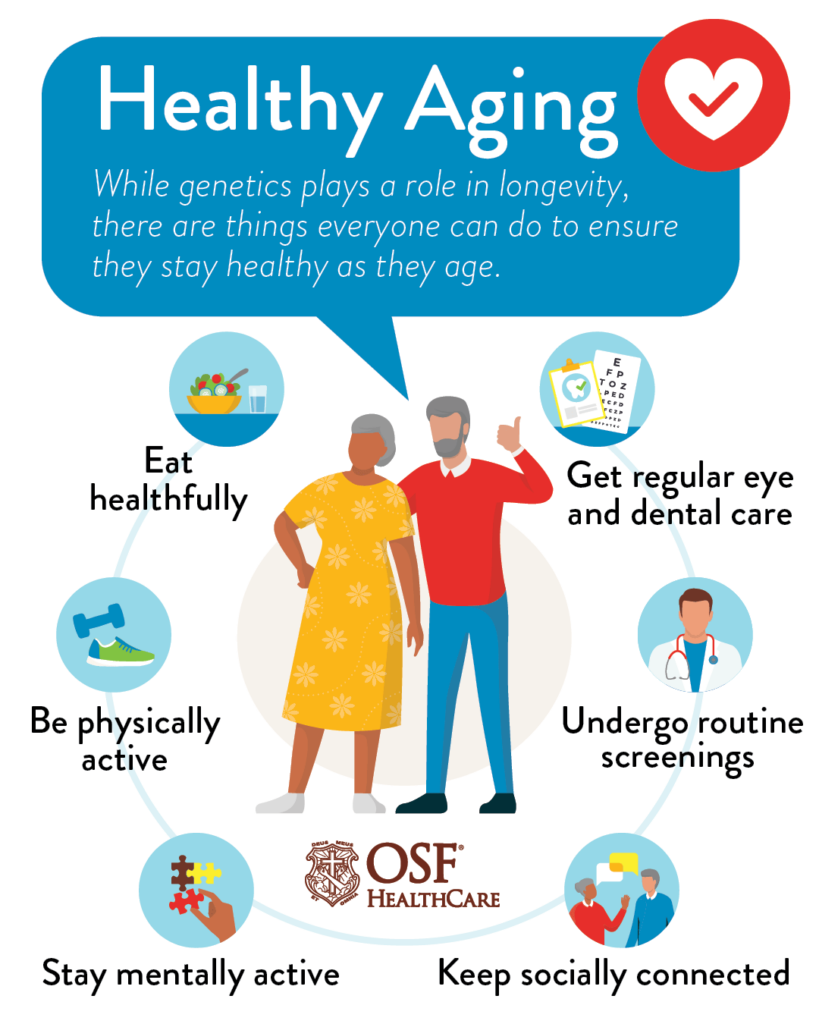
Creating a Balanced Exercise Routine
Setting Realistic Goals
It’s important to set achievable goals to keep yourself motivated. Start with small, attainable objectives and gradually increase the intensity and duration of your activities.
Variety is Key
Incorporating a variety of exercises ensures that different muscle groups are being used and helps prevent boredom. Mix aerobic, strength, flexibility, and balance exercises to create a well-rounded routine.
Listening to Your Body
Pay attention to how your body feels. It’s crucial to rest and recover if you experience pain or discomfort. Overexerting yourself can lead to injuries, which might set back your progress.
Nutrition and Hydration
Eating a Balanced Diet
A balanced diet is essential for maintaining your energy levels and overall health. Ensure that you are getting a mix of proteins, carbohydrates, fats, vitamins, and minerals. Include plenty of fruits, vegetables, whole grains, and lean proteins in your diet.
Staying Hydrated
Hydration is equally important. As you age, your sense of thirst may diminish, but your body’s need for fluids doesn’t. Aim to drink at least 8 glasses of water a day, and more if you are engaging in physical activity.

The Role of Sleep
Importance of Quality Sleep
Quality sleep is vital for recovery and overall well-being. Sleep rejuvenates your body and mind, helping repair tissues, and consolidating memories.
Improving Sleep Hygiene
Maintain a regular sleep schedule by going to bed and waking up at the same time every day. Create a restful environment free from distractions like electronic devices. Avoid caffeine and heavy meals before bedtime.
Social Engagement and Activity
Joining Clubs and Groups
Consider joining clubs, sports teams, or exercise groups. This can provide motivation as well as a social network that encourages regular physical activities.
Volunteering
Volunteering can keep you active and engaged in your community. It provides a sense of purpose and can involve physical activity, depending on the nature of the work.
Mental Exercises and Activities
Puzzles and Games
Engage in activities like puzzles, crosswords, or board games to keep your mind sharp. These activities stimulate cognitive function and can be a fun way to spend your time.
Learning a New Skill
Learning a new skill or hobby, such as playing an instrument, painting, or knitting, can keep your brain active and provide a sense of accomplishment.
Practical Tips for Staying Active
Consistency Over Intensity
Consistency is more important than intensity. Regular, moderate exercise is more beneficial in the long run than intense workouts followed by long periods of inactivity.
Making Use of Technology
There are numerous apps and gadgets designed to track your activity levels, provide exercise routines, and offer motivation. Smartwatches and fitness trackers can be particularly useful.
Exercising with a Partner
Having a workout buddy can make exercise more enjoyable and hold you accountable. Whether it’s a family member, friend, or neighbor, having someone to share your physical activities with can keep you motivated.

Common Challenges and Solutions
Motivation
Lack of motivation can be a significant barrier. Set short-term goals, reward yourself for achieving them, and keep a workout journal to track your progress.
Physical Limitations
Physical limitations or chronic conditions can make certain types of exercise difficult. Consult with a healthcare provider to tailor a fitness plan that suits your needs and capabilities. There are often modified versions of exercises that can be done safely.
Time Management
Finding the time to exercise can be challenging. Try to incorporate physical activity into your daily routine, such as taking the stairs instead of the elevator or walking while you talk on the phone.
Consulting Healthcare Providers
Regular Check-ups
Regular check-ups with your healthcare provider can help monitor your health and manage any conditions you may have. They can provide personalized advice and recommendations on staying active.
Professional Guidance
Consider consulting a physical therapist or a certified personal trainer, especially if you’re starting a new exercise regimen. They can offer guidance on proper techniques and help prevent injuries.
Medication Review
Certain medications can affect your ability to exercise. Always discuss your medications with your healthcare provider to understand any potential side effects or interactions.
Staying Safe While Being Active
Understanding Your Limits
Know your limits and respect them. It’s important not to push yourself too hard, especially if you’re experiencing pain or discomfort.
Safety Precautions
Wear appropriate footwear and use proper equipment to avoid injuries. Ensure that the environment where you’re exercising is safe and free from hazards.
Warm-Up and Cool-Down
Always warm up before starting any exercise to prepare your body and reduce the risk of injury. Cooling down after exercising helps your muscles recover and reduces soreness.
Conclusion
Staying active as you get older is crucial for maintaining your physical, mental, and emotional well-being. Incorporating various types of exercises, eating a balanced diet, staying hydrated, getting quality sleep, and engaging socially can all contribute to a healthier, more active lifestyle. Remember, it’s never too late to start, and the benefits can be life-changing. Keep moving, stay connected, and most importantly, listen to your body.
| Activity | Examples | Frequency | Benefits |
|---|---|---|---|
| Aerobic | Walking, Cycling, Swimming | 150 minutes/week | Heart health, stamina |
| Strength Training | Weight lifting, Resistance bands | 2+ times/week | Muscle mass, Bone health |
| Flexibility | Yoga, Stretching | Daily | Range of motion, Injury prevention |
| Balance | Tai Chi, Balance exercises | Daily | Fall prevention, Stability |
Stay active and enjoy the numerous benefits it brings to your life, no matter your age. Remember, consistency is key, and every small step you take leads to a healthier, happier you.