
Have you ever wondered how you can manage your weight without feeling deprived or constantly battling hunger? Portion control might be the answer you’re looking for to achieve your weight management goals effectively and sustainably. By fine-tuning your eating habits to focus on the quantity of food you consume, you can enjoy a wide variety of foods, feel satisfied, and maintain an ideal weight.
Understanding Portion Control
What Is Portion Control?
Portion control involves regulating the amount of food you eat at each meal. By paying attention to portion sizes, you can avoid overeating and manage your calorie intake more effectively. It’s not about eliminating your favorite foods but about enjoying them in moderation.
Why Is Portion Control Important?
Portion control is crucial for weight management because even healthy foods can contribute to weight gain if consumed in large quantities. By understanding portion sizes, you can maintain a balanced diet that provides your body with essential nutrients without excessive calories.
Common Portion Control Challenges
Large Portions Everywhere
In today’s world, large portions are ubiquitous, from restaurant servings to packaged snacks. Getting used to these oversized portions can distort your perception of what is a normal amount to eat, leading to unintentional overeating.
Misreading Food Labels
Often food labels can be misleading, making it challenging to determine what constitutes a single serving. Learning to read labels accurately is essential for practicing effective portion control.
Emotional and Mindless Eating
Stress, boredom, and other emotions can lead to mindless eating, where you consume food without even realizing it. This type of eating can sabotage your weight management efforts by adding unnecessary calories to your diet.
Strategies for Effective Portion Control
Measuring Portions
Using measuring cups, spoons, or a food scale can help you get a better sense of appropriate portion sizes. Initially, measuring portions can set a benchmark for what a proper serving looks like, over time helping you to estimate portions more accurately.
Use Smaller Plates and Bowls
Smaller plates and bowls can make your portions look larger, tricking your brain into feeling satisfied with less food. Switching to smaller dishware is a straightforward strategy for controlling portions without the need to measure every meal meticulously.
Understanding Serving Sizes
Familiarizing yourself with standard serving sizes can help you gauge how much you’re eating. Here’s a quick guide to some common servings:
| Food Type | Standard Serving Size |
|---|---|
| Vegetables | 1 cup (raw) or 1/2 cup (cooked) |
| Fruits | 1 medium fruit or 1/2 cup (cut) |
| Grains | 1 ounce or 1/2 cup (cooked) |
| Protein | 3 ounces cooked meat |
| Dairy | 1 cup milk or yogurt |
| Fats (oils, butter) | 1 teaspoon |
Mindful Eating
Mindful eating involves paying full attention to the eating experience, from the texture and taste of food to your body’s hunger and fullness cues. This practice can help you slow down, enjoy your food more, and recognize when you’ve had enough to eat.
Pre-Portion Your Snacks
Buying snacks in bulk can be economical, but it also presents a temptation to overeat. Instead, portion out single servings of snacks into small bags or containers. This way, you’ll have pre-measured amounts ready to grab without the risk of eating too much in one sitting.
Balancing Macronutrients
Ensuring that your meals have a good balance of protein, fats, and carbohydrates can help you feel full and satisfied for longer. This balance can prevent overeating and provide your body with the nutrients it needs to function optimally.
Portion Control Tips for Different Meals
Breakfast
Breakfast is often touted as the most important meal of the day, and it’s a great place to start practicing portion control. Consider these tips for a balanced breakfast:
- Opt for whole grains like oatmeal or whole-wheat toast.
- Include a source of protein such as eggs, yogurt, or nuts.
- Add a serving of fruits for fiber and vitamins.
Lunch
Lunch often gets rushed, especially on busy days, but it’s important to remain mindful of portion sizes:
- Build your meal around a source of lean protein such as chicken, fish, or beans.
- Fill half your plate with vegetables, either raw or cooked.
- Include a serving of whole grains, like brown rice or quinoa.
Dinner
Dinner is an opportunity to wind down and enjoy a nutritious meal:
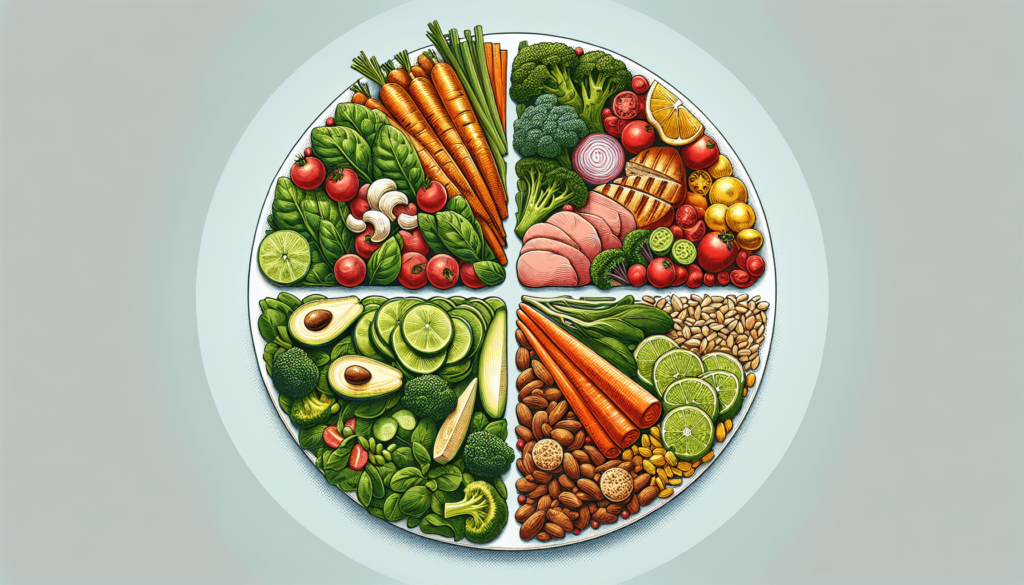
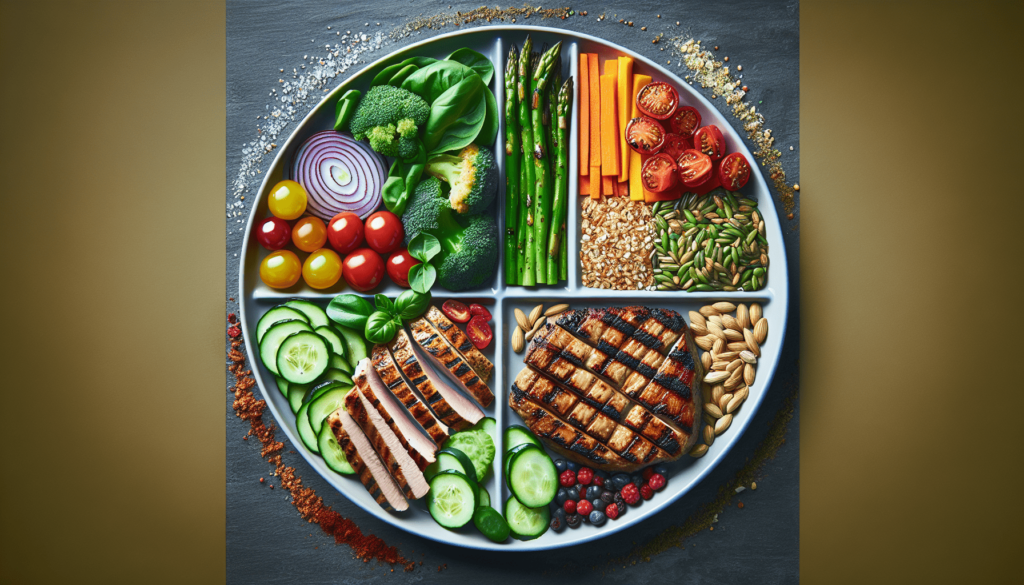
- Divide your plate into sections: half for vegetables, a quarter for protein, and a quarter for grains.
- Be aware of sauces and dressings, which can add extra calories. Use them sparingly or choose low-calorie options.
- Make a conscious decision to savor your food and acknowledge when you start to feel full.
Snacks
Healthy snacking can prevent overeating at meal times but pay attention to portions:
- Choose nutrient-dense snacks like fruit, nuts, or yogurt.
- Measure out a single serving instead of eating directly from the package.
- Snack mindfully, avoiding distractions like watching TV or working at your desk.
Mindful Eating Practices
Slow Down Your Eating
One of the most effective ways to practice portion control is to slow down the pace at which you eat. Taking your time allows your body to signal when it’s full, reducing the likelihood of overeating.
Savor Each Bite
Focusing on the flavors, textures, and aromas of your food can enhance your eating experience and help you feel more satisfied with smaller portions. This practice can also make meals more enjoyable and less about quantity.
Listen to Your Body
Your body gives you signals about hunger and fullness, but it’s easy to ignore them in our fast-paced lives. Taking a moment to check in with your body before and during a meal can guide you in eating just what you need.
Special Considerations
Dining Out
Eating out poses unique challenges for portion control because restaurant servings are often much larger than necessary:
- Don’t hesitate to ask for a half-portion or a lunch-sized serving.
- Consider splitting a dish with a friend or boxing up half of your meal before you start eating.
- Watch out for high-calorie extras like bread baskets, appetizers, and desserts.
Social Gatherings
Social events often revolve around food, which can make it difficult to control portions:
- Focus on socializing rather than eating.
- Bring a healthy dish to share so you know there will be something suitable for you.
- Use a small plate and fill it once. Avoid grazing or going back for seconds.
Portion Control for Different Diets
Vegetarian and Vegan Diets
For those following vegetarian or vegan diets, portion control is equally important:
- Ensure a balance of protein sources like beans, lentils, and tofu.
- Incorporate a variety of vegetables to keep meals interesting and nutritious.
- Be mindful of high-calorie plant foods like nuts and avocados, which are healthy but calorie-dense.
Low-Carb Diets
If you’re following a low-carb diet, portion control can help maintain balanced nutrition:
- Focus on appropriate servings of protein and healthy fats.
- Choose low-carb vegetables to add bulk and nutrients.
- Be cautious with higher-calorie low-carb foods to prevent overeating.
High-Protein Diets
High-protein diets can be effective for weight management when portion controlled:
- Measure your protein servings to avoid excessive calorie intake.
- Balance meals with vegetables and moderate amounts of healthy fats.
- Stay mindful of portion sizes even with high-protein foods to prevent overconsumption.
Tools and Resources
Digital Tools
Various apps and digital tools can help track your portions and nutritional intake:
- MyFitnessPal: A popular app for logging meals and tracking macronutrients.
- Cronometer: Provides detailed nutritional information and portion tracking.
- Lose It!: Helps set goals and track food intake with portion control features.
Kitchen Gadgets
Certain gadgets can simplify portion control:
- Food Scales: Provide precise measurements for ingredients and meals.
- Measuring Cups and Spoons: Ideal for measuring liquids and smaller amounts of food.
- Portion-Control Plates: Segmented plates that visually guide you to the right portions for each food group.
Setting Realistic Goals
Start Small
Begin with small, manageable changes to your portions. Trying to change too much at once can be overwhelming and difficult to sustain.
Be Consistent
Consistency is key in any habit change. Make portion control a regular part of your eating routine, and it will become second nature over time.
Monitor Your Progress
Regularly check in on your progress. Whether you use a food diary, an app, or simply reflect on your habits, monitoring can provide valuable insights.
Adjust As Needed
Your body’s needs can change over time, and it’s essential to adjust your portion sizes accordingly. Pay attention to how your body feels and make adjustments to your portions to ensure you’re meeting your nutritional needs without overeating.
Overcoming Setbacks
Don’t Be Too Hard on Yourself
Everyone slips up occasionally, and it’s essential to handle setbacks with self-compassion. Learn from the experience, but don’t let it discourage you from continuing your portion control efforts.
Revisit Your Goals
If you find yourself struggling, it may be helpful to revisit and adjust your goals. Ensure they are realistic and achievable, and break them down into smaller, manageable steps.
Seek Support
Consider seeking support from friends, family, or professionals such as dietitians or nutritionists. Having a support system can provide encouragement, accountability, and practical advice.
Long-Term Success
Make Portion Control a Lifestyle
The goal is to integrate portion control into your everyday life. It’s about creating sustainable habits that fit into your lifestyle rather than following short-term diets or restrictive eating patterns.
Enjoy Your Food
Portion control should enhance your eating experience, not diminish it. Enjoy a variety of foods in the right amounts, and savor the flavors and textures. Remember, the aim is to feel satisfied and nourished without feeling deprived.
Stay Educated
Nutritional information and dietary guidelines can evolve over time. Stay informed about the latest recommendations and continue learning about healthy eating practices. This knowledge can help you make better food decisions and maintain your portion control habits.
Conclusion
Portion control is a powerful tool for weight management, enabling you to enjoy the foods you love while maintaining balance and preventing overeating. By incorporating practical tips such as measuring portions, using smaller plates, practicing mindful eating, and balancing your macronutrients, you can develop sustainable habits that support your health and well-being.
Understanding standard serving sizes, overcoming common challenges, and using the right tools and resources can make portion control more manageable and less daunting. Remember that portion control is not about restriction but about finding a healthy balance that allows you to enjoy your meals while managing your weight effectively.
By embracing these strategies and making them part of your daily routine, you’ll be well on your way to achieving and maintaining your weight management goals. Keep in mind that everyone’s journey is unique, so find what works best for you and stay patient and committed to your health and wellness.