
Have you ever wondered what it would be like to find a moment of peace amidst the chaos of daily life? Mindful meditation might just be what you’re looking for. It’s a practice that can significantly enhance your mental well-being, reduce stress, and improve your overall quality of life. But like any new endeavor, starting can feel daunting. This comprehensive guide will walk you through everything you need to get started on your mindful meditation journey.

What is Mindful Meditation?
Mindful meditation is a practice that involves paying full attention to the present moment. It’s about observing your thoughts and feelings without judging them. By adopting this approach, you train your mind to remain focused on the present, rather than getting caught up in regrets about the past or worries about the future.
The Basics of Mindfulness
Mindfulness is all about awareness. This isn’t just about what’s going on around you, but also about your internal states—your thoughts, feelings, and bodily sensations. Cultivating mindfulness can help you become more attuned to your body’s signals and your mental landscape, which can be highly beneficial in managing stress and improving mental health.
The Concept of Meditation
Meditation is a practice where an individual uses techniques like focusing the mind on a particular object, thought, or activity to achieve a mentally clear and emotionally calm state. When combined with mindfulness, meditation can be a powerful tool to bring balance and peace to your life.
Why You Should Try Mindful Meditation
There are numerous benefits to integrating mindful meditation into your daily routine. Whether you’re looking to improve your mental health, manage stress, or simply find a little more peace in your life, mindful meditation can help.
Mental Health Benefits
Mindful meditation has been shown to reduce symptoms of anxiety and depression. By focusing on the present moment, you can break the cycle of negative thoughts that often accompany these conditions. Over time, regular practice can lead to a more positive outlook on life.
Physical Health Benefits
The benefits aren’t just mental—mindful meditation can also have positive effects on your physical health. Studies have shown that it can help lower blood pressure, improve sleep, and even boost your immune system.
Table: Physical Benefits of Mindful Meditation
| Benefit | Description |
|---|---|
| Lower Blood Pressure | Helps in reducing stress, which can lower blood pressure |
| Improved Sleep | Encourages relaxation and reduces insomnia |
| Stronger Immune System | Reduces stress hormones, which can strengthen immune response |
Emotional Benefits
Emotionally, mindful meditation can help you develop a greater sense of self-awareness and inner peace. This can make you more resilient in the face of adversity, better able to cope with stressful situations, and more compassionate towards yourself and others.

How to Get Started with Mindful Meditation
Starting anything new can be challenging, but breaking it down into manageable steps can make it easier. Here are some basics to help you get started with mindful meditation.
Creating a Comfortable Space
One of the first steps is to find a quiet, comfortable space where you won’t be disturbed. This doesn’t need to be a special room; it could be a corner of your living room or even a spot in your garden.
Choosing the Right Time
Consistency is key when starting a new practice. Try to meditate at the same time each day to make it a habit. Many people find that meditating in the morning sets a positive tone for the day, but you can choose any time that works best for you.
Basic Posture
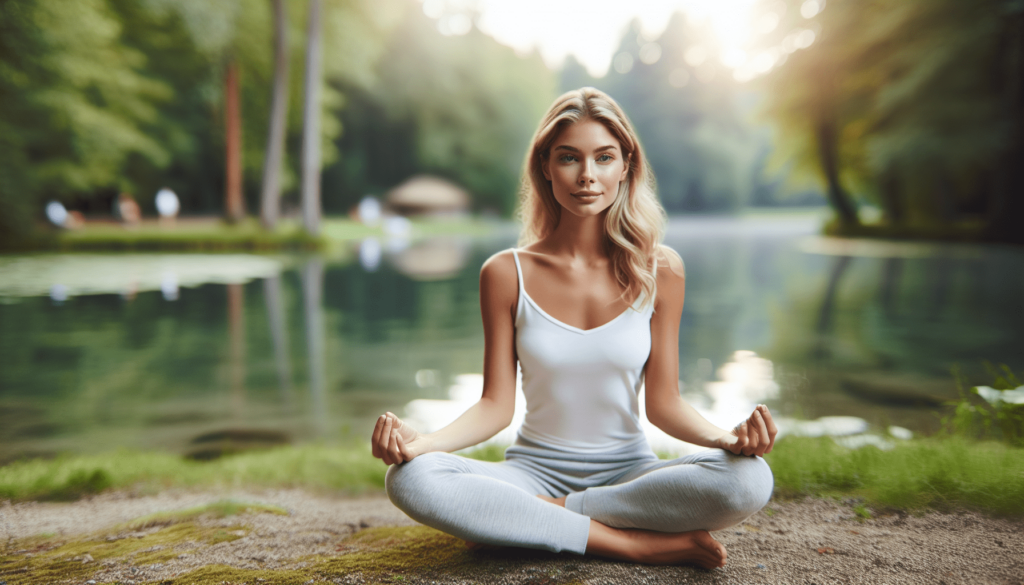
You don’t need to sit in a lotus position to meditate, but maintaining good posture is important. Sit in a chair with your feet flat on the floor, or on a cushion if you prefer. Keep your back straight, but not stiff, and allow your hands to rest comfortably in your lap or on your knees.
The Role of Breathing
Your breath is a powerful tool in mindfulness meditation. Focus on your breathing—notice how it feels as air enters and leaves your nose. If your mind starts to wander, gently bring your focus back to your breath.
Mindful Meditation Techniques
Various techniques can help you in your mindful meditation practice. Below are a few that you might find beneficial.
Guided Meditation
For beginners, guided meditation can be particularly helpful. You can find many guided meditations online or through apps. These usually involve a narrator leading you through the steps of your meditation, which can make it easier to stay focused.
Body Scan
The body scan is another effective technique. This involves focusing attention on different parts of your body, starting from your toes and moving up to your head. This can help you become more aware of physical sensations and release any tension you might be holding.
Focused Attention
This technique involves focusing your attention on a single point, such as your breath, a word, or a candle flame. The aim is to keep your focus on this point and gently bring it back whenever your mind wanders.

Common Challenges and How to Overcome Them
Like any new habit, mindful meditation comes with its own set of challenges. Being aware of these can help you overcome them more easily.
Dealing with Distractions
Distractions are a common issue when you’re trying to meditate. Whether it’s noises from your environment or wandering thoughts, it’s important to acknowledge these distractions and gently bring your focus back to your breath or your chosen point of focus.
Managing Expectations
It’s easy to get discouraged if you don’t see immediate results. Remember, the benefits of mindful meditation build over time. Be patient with yourself and acknowledge your progress, no matter how small.
Staying Consistent
Consistency can be one of the biggest challenges. Try setting a regular time for your practice and committing to at least a few minutes each day. Over time, this can become a habit that’s easier to maintain.
Measuring Your Progress
It’s important to recognize that progress in mindful meditation can be subtle. Keeping a journal can help you track changes in your thoughts, feelings, and overall well-being over time.
Journaling
Writing down your meditation experiences can provide insights into your progress and help you identify areas for improvement. Note how you felt before and after your session, any distractions you encountered, and any changes you observe in your daily life.
Self-Reflection
Take some time to reflect on your meditation practice periodically. Ask yourself questions like, “What benefits have I noticed?” and “What challenges am I facing?” This can help you make adjustments to your practice and stay motivated.
Tips for Long-Term Success
Sticking with mindful meditation in the long term can be challenging, but with the right strategies, it can become a rewarding part of your daily routine.
Setting Realistic Goals
Start with small, achievable goals. Aim to meditate for just a few minutes each day and gradually increase the duration as you become more comfortable with the practice.
Finding a Community
Joining a meditation group or class can provide support and encouragement. Sharing your experiences with others can make the practice more enjoyable and help you stay committed.
Celebrating Your Achievements
Take the time to acknowledge and celebrate your progress. Whether it’s meditating consistently for a week or noticing a reduction in your stress levels, recognizing your achievements can boost your motivation.
Advanced Techniques and Next Steps
Once you’ve established a regular meditation practice, you might be interested in exploring more advanced techniques and deepening your practice.
Loving-Kindness Meditation
This technique involves focusing on sending love and kindness to yourself and others. It can help you develop a greater sense of empathy and compassion.
Mindful Movement
Incorporating movement into your meditation practice, such as yoga or tai chi, can enhance your awareness of your body and its movements. This can provide a different perspective on mindfulness and help you connect with your body in new ways.
Attending a Retreat
If you’re ready to take your practice to the next level, consider attending a meditation retreat. This can provide an immersive experience and an opportunity to deepen your practice with the guidance of experienced teachers.
Conclusion
Starting a mindful meditation practice can be a transformative experience, bringing greater peace, awareness, and balance into your life. While it may come with challenges, the benefits far outweigh the difficulties. By following this guide, you can establish a practice that supports your mental, emotional, and physical well-being.
Remember, the journey of mindful meditation is a personal one, and there is no right or wrong way to practice. Be patient and kind to yourself as you explore this powerful tool for enhancing your life. Enjoy the journey of discovering more about yourself and finding calm in the present moment.