
Have you ever wondered if tracking your calorie intake can really make a difference in your health journey? As a beginner, understanding the benefits of this practice can set you on a path of better health and well-being. Let’s talk about what calorie tracking involves and why it’s beneficial.

What is Calorie Tracking?
Calorie tracking is the process of recording the number of calories you consume through food and drink each day. By monitoring your intake, you can better manage your dietary choices and make informed decisions about what to eat. This method can be particularly effective for those who are new to managing their diet and looking to take charge of their health.
Why Track Calories?
You might be wondering what makes calorie tracking so important. The practice brings several substantial benefits that can help you achieve your health goals, be it weight loss, muscle gain, or simply maintaining a balanced diet.
Enhance Awareness of Eating Habits
One of the initial benefits of tracking calories is that it increases your awareness of what you eat. Often, we consume snacks and meals without realizing their nutritional content. By keeping a record, you become more mindful of your daily intake.
Identify Nutritional Choices
Tracking your calories helps you understand the nutritional breakdown of different foods. This awareness can help you make healthier choices, swapping out high-calorie, low-nutrient foods for more nutritious, lower-calorie options.

Weight Management
Whether your goal is to lose weight, gain weight, or maintain your current weight, tracking calories can be particularly helpful.
Weight Loss
If weight loss is your goal, creating a calorie deficit—consuming fewer calories than your body burns—can lead to weight loss. By tracking your intake, you can ensure you’re hitting the right calorie targets without feeling deprived.
Weight Gain
Conversely, if you’re looking to gain weight, monitoring your calorie intake can ensure you’re consuming more calories than you burn, thereby promoting weight gain. This is crucial for those looking to build muscle or recuperate from weight loss due to medical conditions.
Weight Maintenance
For those who are happy with their current weight, tracking calories can help maintain your weight by ensuring you’re consuming just the right amount of calories for your daily needs.
Understanding Macronutrients
It’s not just about the calories; it’s also essential to understand what those calories are made of.
Protein
Proteins are the building blocks of our body tissues. They play a crucial role in muscle repair and growth. Tracking helps ensure you’re getting sufficient protein, especially if you’re into strength training or muscle building.
Carbohydrates
Carbohydrates are your body’s primary source of energy. By tracking calories, you can manage your carbohydrate intake to fuel your activities without overindulging, which can lead to weight gain.
Fats
Despite their bad reputation, fats are necessary for our body. They help absorb vitamins and provide essential fatty acids. Calorie tracking helps you balance your fat intake, ensuring that you consume healthy fats rather than unhealthy ones.

Portion Control
One of the biggest challenges people face when beginning a diet is understanding portion sizes. By tracking calories, you gain a better understanding of what appropriate portion sizes look like.
Serving Size vs. Portion Size
Understanding the difference between a serving size (the recommended amount of food) and a portion size (the amount you actually eat) is crucial. Calorie tracking can help highlight these discrepancies and help you adjust your portions accordingly.
Reducing Overeating
Tracking your calories makes it easier to recognize when you’re overeating. You may not even realize how often you’re consuming extra calories until you see it written down.
Better Food Choices
As you become more familiar with calorie counts and nutritional content, you’ll naturally start making better food choices.
Reading Labels
One of the habits you’ll develop is reading food labels more carefully. Understanding what’s in your food empowers you to make healthier choices and avoid high-calorie, low-nutrient options.
Mindful Eating
Calorie tracking encourages mindful eating, where you pay more attention to what and how much you eat. This can lead to a more satisfying eating experience and better overall health.
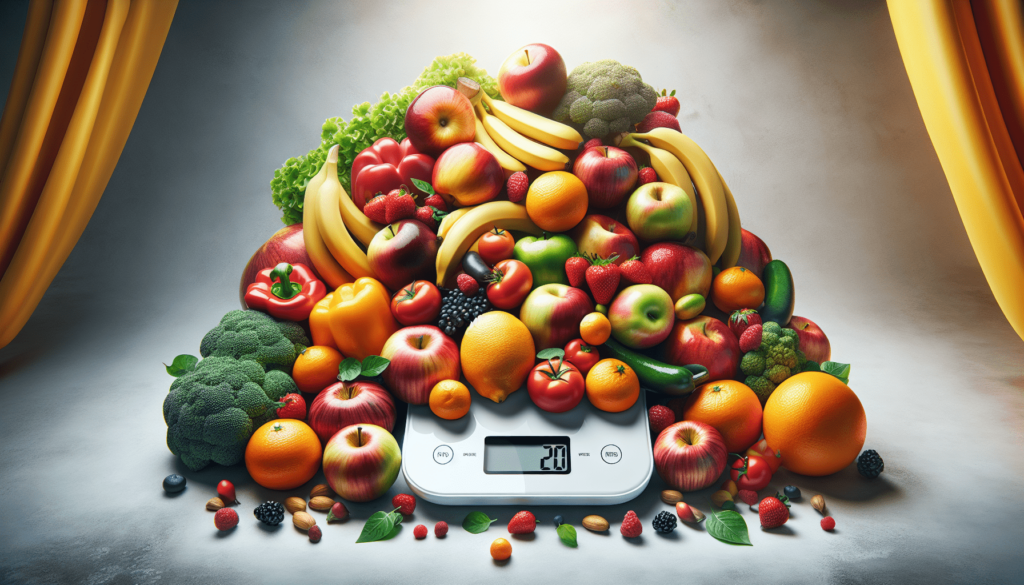
Customized Diet Plans
Everyone’s body is different, and what works for one person might not work for another. Tracking calories allows you to tailor your diet to your specific needs and preferences.
Setting Goals
With calorie tracking, you can set specific, measurable, and realistic dietary goals. Whether it’s hitting a certain calorie count or meeting macronutrient targets, having clear goals can keep you focused and motivated.
Adjusting Your Diet
As you track your progress, you can make adjustments to your diet. If you notice you’re not hitting your targets or not seeing the results you want, you can tweak your calorie intake or macronutrient ratios.
Increased Motivation and Accountability
When you track your calories, you have a visual representation of your progress that can help keep you motivated.
Observing Progress
Seeing your daily and weekly progress can be incredibly motivating. Knowing you’re getting closer to your goals can boost your confidence and keep you committed to your health journey.
Accountability
Tracking calories can also keep you accountable. Whether you’re using an app, a journal, or working with a nutritionist, having a record of your intake can help you stay on track and meet your dietary goals.

Tools for Calorie Tracking
Several tools can make the process of tracking calories more manageable.
Calorie Tracking Apps
Apps like MyFitnessPal, Lose It!, and Cronometer are excellent resources that make it easy to log your food intake, count calories, and monitor your macronutrients. These apps often come with large databases of foods, making it easy to find and track what you eat.
| App Name | Features | Cost |
|---|---|---|
| MyFitnessPal | Extensive food database, barcode scanner, community support | Free / Premium |
| Lose It! | Personalized weight loss plans, food database, exercise tracking | Free / Premium |
| Cronometer | Detailed nutrient tracking, custom foods, biomarker tracking | Free / Premium |
Food Journals
If you prefer a more traditional method, keeping a food journal can be just as effective. Write down everything you eat and drink, along with their estimated calorie counts.
Nutrition Labels
Understanding nutrition labels empowers you to make informed dietary choices. Learning to read and interpret these labels is a crucial skill in calorie tracking.
Making Calorie Tracking Sustainable
One of the biggest challenges with calorie tracking is consistency. Here are some tips to make calorie tracking a sustainable part of your routine.
Start Simple
Begin by tracking only the most important meals and foods. As you get used to the process, you can start tracking more detailed aspects of your diet.
Set Realistic Expectations
Understand that you don’t have to be perfect. There will be days when you go over your calorie limit or forget to track a meal. Focus on consistency rather than perfection.
Use Technology
Leverage the power of apps and online tools to make the process easier. Most calorie tracking apps come with scanners and databases that save you time and effort.
Plan Ahead
Planning your meals in advance can make calorie tracking less of a chore. When you know what you’re going to eat, you can log your meals ahead of time and ensure you’re staying within your calorie limits.
Addressing Common Concerns
Is Calorie Tracking Time-Consuming?
Initially, calorie tracking might seem time-consuming, but with practice, it becomes a quick and easy part of your routine. The more you do it, the quicker it gets.
Is it Obsessive to Track Every Bite?
Some people worry that tracking every bite can lead to obsessive behavior. However, it’s all about finding a balance. If you find that you’re becoming too fixated, try relaxing your tracking a bit and focusing on overall patterns rather than precise numbers.
What if I Eat Out Often?
Eating out can make calorie tracking more challenging, but it’s still possible. Many restaurants provide nutritional information online, and there are apps that can help you estimate the calorie content of restaurant meals. When in doubt, opt for dishes with identifiable ingredients and avoid high-calorie sauces and dressings.
Real-Life Success Stories
Hearing about others’ success can be motivational. Here are a couple of real-life stories of people who found success through calorie tracking.
Sarah’s Weight Loss Journey
Sarah wanted to lose 30 pounds. By tracking her calories using a mobile app, she was able to identify and cut out unnecessary calories from her diet. Over six months, she not only lost the weight but also felt more energized and confident.
Mark’s Muscle Gain
Mark aimed to build muscle. Through consistent calorie tracking, he ensured he was consuming enough protein and total calories to gain muscle. After a year, his strength increased significantly, and he achieved the muscular physique he wanted.
Conclusion
As a beginner, tracking your calories can provide numerous benefits to your health and well-being. From increasing your awareness of eating habits and better managing your weight to understanding your macronutrient needs and making informed food choices, the advantages are plentiful. By leveraging the right tools and adopting sustainable practices, you can make calorie tracking an effective and integral part of your health journey. Give it a try, and you may find it’s just the tool you need to achieve your dietary and fitness goals.
Happy tracking!