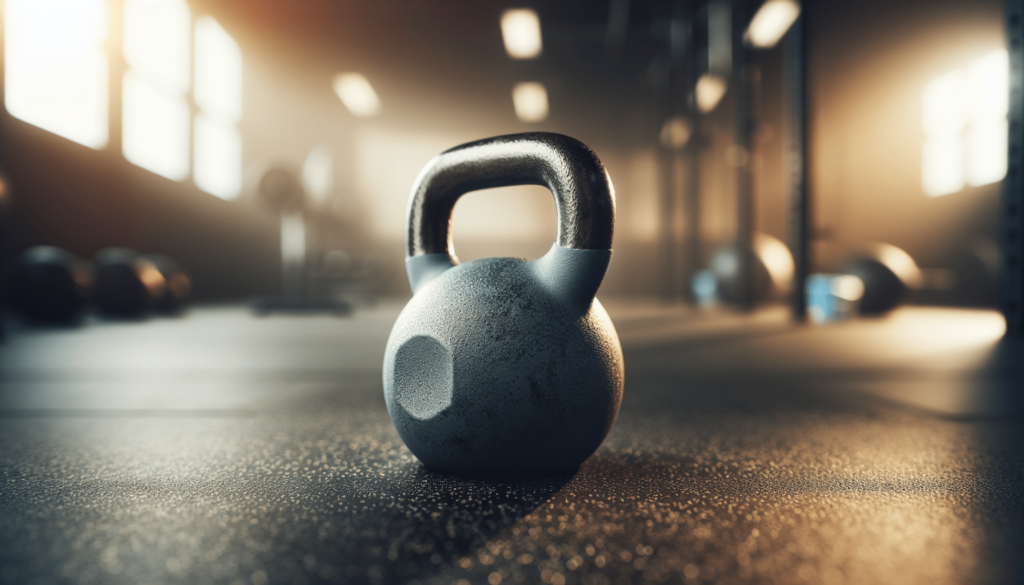
Are you looking for a new workout routine to boost your full-body strength? One highly effective yet often underutilized tool for achieving this is the kettlebell. Engaging in kettlebell workouts can transform your fitness regimen and produce impressive gains in strength, endurance, and flexibility.
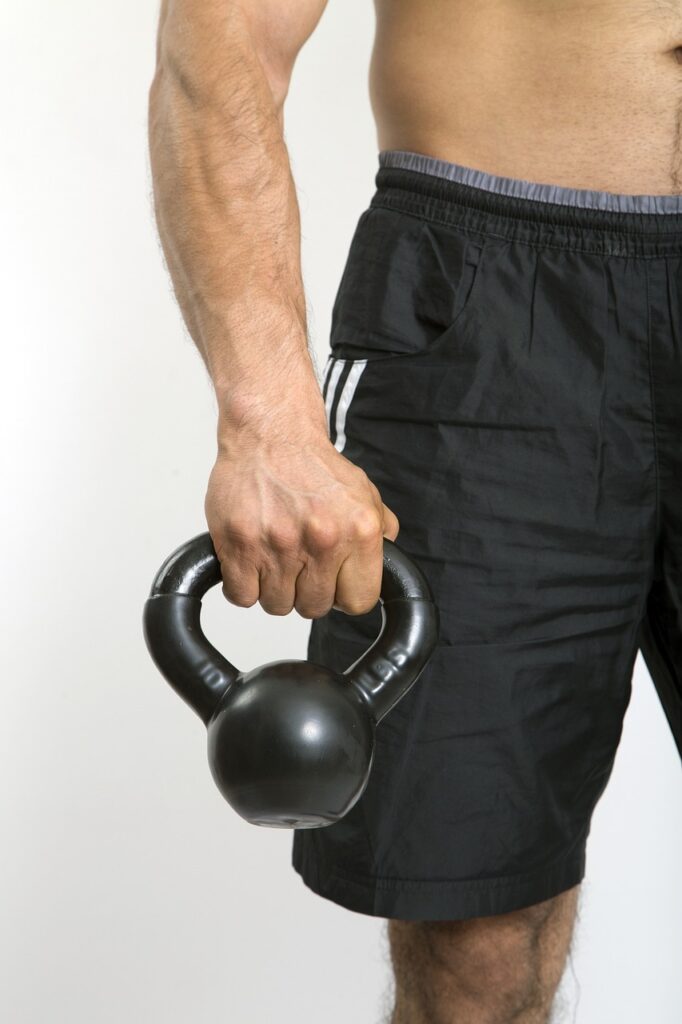
What Are Kettlebells?
Kettlebells are weighted balls with a handle that provide a unique way to challenge your body. Unlike traditional dumbbells, kettlebells allow for a more dynamic range of motion, making them ideal for workouts that target multiple muscle groups simultaneously. They’re extremely versatile and can be used for strength training, cardiovascular workouts, and flexibility exercises.
Benefits of Kettlebell Workouts
Full-Body Engagement
One of the key advantages of kettlebell workouts is the way they engage multiple muscle groups. Moves like kettlebell swings, snatches, and Turkish get-ups require the coordination of your legs, core, and upper body, offering a comprehensive workout.
Enhanced Cardiovascular Fitness
While kettlebell exercises are fantastic for building strength, they also increase your heart rate, providing a cardiovascular benefit. This makes kettlebell workouts a form of high-intensity interval training (HIIT), contributing to improved cardiovascular health.
Increased Flexibility and Mobility
Kettlebell routines often incorporate dynamic movements that require a range of motion in your joints. This helps to improve both flexibility and mobility, which are crucial for overall athletic performance and day-to-day activities.
Convenience and Time Efficiency
Kettlebell workouts can be performed anywhere and often require less space than other types of gym equipment. Additionally, because they engage so many muscle groups at once, your workout can be more efficient, saving you time.
Essential Kettlebell Moves
The Kettlebell Swing
The kettlebell swing is a fundamental move that primarily targets your glutes, hamstrings, and lower back. However, your core and shoulders also get in on the action.
- Starting Position: Stand with your feet shoulder-width apart, holding the kettlebell with both hands in front of you.
- Execution: Hinge at your hips and push your butt back while keeping your chest up and shoulders down. Swing the kettlebell back between your legs and then thrust your hips forward explosively to swing the kettlebell up to chest height.
- Points to Remember: Your arms should act as a ‘bridge’ and not lift the kettlebell. The power should come from your hips.
| Reps | Sets |
|---|---|
| 10-15 | 3-4 |
The Turkish Get-Up
This exercise is highly effective in improving core strength and shoulder stability. It’s a multi-step movement that requires focus and precision.
- Starting Position: Lie down on your back with the kettlebell in your right hand, holding it above your shoulder with a locked elbow.
- First Step: Bend your right knee and place your foot flat on the ground. Use your left hand to push yourself up onto your left elbow, then your hand.
- Second Step: Lift your hips off the ground, bringing your leg underneath you in a lunge position.
- Final Step: Stand up, keeping the kettlebell overhead at all times. Reverse the steps to return to the starting position.
| Reps | Sets |
|---|---|
| 3-5 | 3 |
Kettlebell Goblet Squat
Perfect for targeting your quadriceps, glutes, and hamstrings, the goblet squat is another versatile movement.
- Starting Position: Hold the kettlebell by the horns close to your chest with both hands.
- Execution: Squat down by bending at the hips and knees, keeping the kettlebell close to your body.
- Points to Remember: Ensure your back remains straight throughout the movement and push through your heels to stand up.
| Reps | Sets |
|---|---|
| 10-12 | 3-4 |
Kettlebell Clean and Press
This compound move targets multiple muscle groups, including your legs, back, shoulders, and arms.
- Starting Position: Stand with feet hip-width apart, holding the kettlebell in one hand.
- First Step: Perform a deadlift to bring the kettlebell to shoulder height.
- Second Step: Press the kettlebell overhead, ensuring that your wrist stays neutral.
- Points to Remember: Engage your core throughout to maintain balance and stability.
| Reps | Sets |
|---|---|
| 8-10 | 3-4 |
Structuring Your Kettlebell Workout Routine
Warm-Up
Before diving into kettlebell exercises, it’s essential to warm up properly to prepare your muscles and joints. A 10 to 15-minute warm-up consisting of dynamic stretches, light cardio, and mobility drills will suffice.
Full-Body Kettlebell Routine
A balanced kettlebell routine targets all major muscle groups, providing a holistic approach to strength and fitness. Here’s a sample routine you can follow:
| Exercise | Reps | Sets |
|---|---|---|
| Kettlebell Swing | 15 | 3 |
| Turkish Get-Up | 5 | 3 |
| Goblet Squat | 12 | 3-4 |
| Clean and Press (each side) | 10 | 3 |
| Kettlebell Deadlift | 10 | 3 |
| Single-Arm Row (each side) | 12 | 3 |
Cool-Down
Cooling down is just as important as warming up. Spend 10 to 15 minutes doing light stretching, focusing on the muscles you’ve just worked.

Safety Tips for Kettlebell Training
Correct Form Is Crucial
Using incorrect form can lead to injuries. Ensure you understand each move thoroughly before adding weight.
Start Light
Especially if you are new to kettlebells, starting with a lighter weight will help you focus on form and reduce the risk of injury.
Keep a Neutral Spine
A straight back is essential for preventing injuries, especially during moves like swings and deadlifts.
Hydrate and Recover
Kettlebell training is intense. Hydrate properly before, during, and after your workout to aid in recovery and maintain performance.
How to Choose the Right Kettlebell Weight
Basic Guidelines
- Beginners: Women may start with a kettlebell between 8-12 kg (18-26 lbs), and men around 12-16 kg (26-35 lbs).
- Intermediate: Women can progress to 12-16 kg (26-35 lbs), while men can increase to 16-20 kg (35-44 lbs).
- Advanced: As you become more experienced, you can use 16-20 kg (35-44 lbs) for women and 20-24 kg (44-53 lbs) for men.
Test the Weight
Perform a few basic moves, like swings and goblet squats, to determine if the weight is manageable. You should feel challenged but not strained.
Frequently Asked Questions
How Often Should I Do Kettlebell Workouts?
For most people, 2-3 times per week is sufficient for gaining strength and endurance while allowing adequate recovery.
Can Kettlebell Workouts Help with Weight Loss?
Yes, kettlebell workouts can aid in weight loss due to their combination of strength and cardiovascular training, which effectively burns calories.
Are Kettlebells Suitable for All Fitness Levels?
Absolutely. The key is to choose the right weight and modify movements as necessary to suit your fitness level.
Conclusion
Kettlebell workouts offer an excellent way to achieve full-body strength, improve cardiovascular fitness, and enhance flexibility and mobility. With the right moves, you can get a highly effective workout that targets multiple muscle groups at once. Remember to focus on form, start with an appropriate weight, and listen to your body to avoid injuries. Enjoy your journey to becoming stronger and fitter with kettlebells!