
Have you ever wondered how to schedule your workouts for maximum results? Figuring out the optimal workout routine can be a game-changer in your fitness journey. This guide will help you understand how to plan your workouts effectively, ensuring that your hard work translates into the results you are striving for.

Understanding Your Fitness Goals
Before you start planning your workout schedule, it’s essential to clarify your fitness goals. Are you aiming to lose weight, build muscle, improve endurance, or maybe a combination of these? Your goals will significantly influence how you structure your workouts.
Identifying Your Primary Goal
For each of us, the primary fitness goal can be different. Identifying this goal will help you tailor your workout routine more effectively. Let’s break down some common goals:
- Weight Loss: If shedding pounds is your primary focus, you’ll need to incorporate high-intensity cardio sessions and strength training to boost your metabolism.
- Muscle Gain: For those looking to build muscle mass, heavy resistance training and adequate rest periods are crucial.
- Endurance: Improving endurance requires a mix of prolonged aerobic exercises with lower intensity.
Balancing Different Types of Workouts
Once you’ve identified your goals, the next step is to balance different types of workouts in your schedule. A well-rounded fitness routine should include cardio, strength training, flexibility exercises, and rest days.
Cardio Training
Cardiovascular exercises are essential for heart health and calorie burning. Depending on your goal, you might need more or less cardio.
- Frequency: Aim for 3-5 times per week.
- Duration: Sessions can range from 20-60 minutes.
- Intensity: Choose between moderate (walking, swimming) and high-intensity (running, HIIT).
Strength Training
Building muscle not only makes you stronger but also boosts your metabolism. Here’s how you can structure your strength training:
- Frequency: Aim for 2-4 times per week.
- Duration: Sessions typically last 45-60 minutes.
- Exercise Type: Focus on both compound movements (squats, deadlifts) and isolation exercises (bicep curls, tricep extensions).
Flexibility and Mobility
Flexibility and mobility exercises enhance your range of motion and reduce injury risk. Incorporate these into your routine:
- Frequency: 2-3 times per week.
- Duration: 10-15 minutes per session.
- Activities: Incorporate yoga or stretching routines.
Rest and Recovery
Don’t underestimate the power of rest. Your muscles need time to recover and grow.
- Rest Days: At least 1-2 full rest days per week.
- Active Recovery: Light activities like walking or gentle yoga can be useful on rest days.

Creating a Weekly Workout Schedule
Having a weekly workout schedule can help you stay consistent. Here’s a sample weekly plan that balances cardio, strength training, and flexibility work.
| Day | Workout Type |
|---|---|
| Monday | Strength Training (Upper Body) |
| Tuesday | Cardio (HIIT) |
| Wednesday | Strength Training (Lower Body) |
| Thursday | Flexibility and Mobility |
| Friday | Cardio (Moderate Intensity) |
| Saturday | Strength Training (Full Body) |
| Sunday | Rest or Active Recovery |
Adjusting to Your Lifestyle
Your workout routine should fit into your lifestyle, not the other way around. If you have a busy week, you might need to shorten your workouts but maintain the intensity. Alternatively, spread out shorter sessions throughout the day to ensure consistency.
Timing Your Workouts
Timing can also significantly impact the effectiveness of your workouts. Here’s what you need to consider:
Morning Workouts
Benefits of morning workouts include jumpstarting your metabolism and enhancing your energy levels throughout the day. If you’re a morning person, this might be the time for your most intense training.
Evening Workouts
If you’re not an early riser, evening workouts can be equally effective. This allows you to use physical activity to unwind and relieve the stress of the day.
Eating and Workout Timing
When you eat relative to your workout can affect your performance. Consuming a balanced meal or snack containing protein and carbs about 1-2 hours before working out can fuel your session. Post-workout, replenish your body with nutrients to aid recovery.
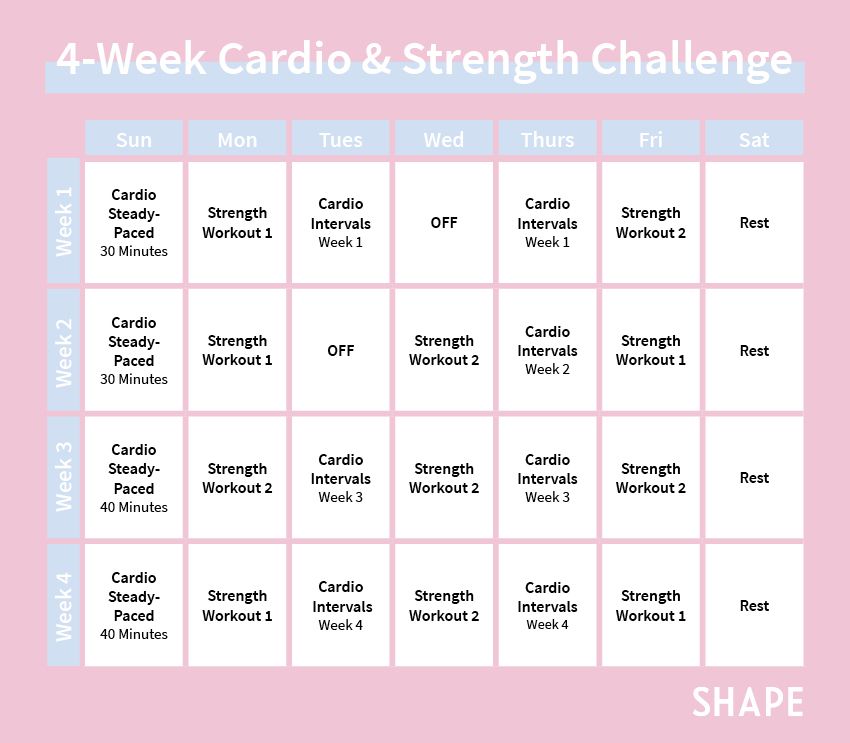
Specific Workout Programs
Now, let’s discuss how to tailor specific workout programs for different goals.
Weight Loss Program
For weight loss, incorporating high-intensity interval training (HIIT) with strength training can help maximize calorie burn.
| Day | Workout Type |
|---|---|
| Monday | HIIT |
| Tuesday | Strength Training (Upper Body) |
| Wednesday | Moderate Cardio (Jogging) |
| Thursday | Strength Training (Lower Body) |
| Friday | HIIT |
| Saturday | Rest or Light Activity |
| Sunday | Flexibility and Mobility |
Muscle Gain Program
For muscle gain, focus on lifting heavier weights with lower reps and ensuring adequate recovery time.
| Day | Workout Type |
|---|---|
| Monday | Strength Training (Chest and Triceps) |
| Tuesday | Strength Training (Back and Biceps) |
| Wednesday | Rest |
| Thursday | Strength Training (Legs) |
| Friday | Strength Training (Shoulders and Abs) |
| Saturday | Full Body (Compound Movements) |
| Sunday | Rest or Active Recovery |
Endurance Program
For endurance, a mix of long-distance cardio and strength training is crucial.
| Day | Workout Type |
|---|---|
| Monday | Long Run/Swim/Bike |
| Tuesday | Strength Training (Full Body) |
| Wednesday | Interval Training |
| Thursday | Rest or Light Activity |
| Friday | Moderate Run/Swim/Bike |
| Saturday | Strength Training (Lower Body) |
| Sunday | Flexibility and Mobility |
Listening to Your Body
One of the most important aspects of any fitness routine is listening to your body. Understanding the difference between feeling fatigued and being sore from a good workout is crucial.
Signs You Need More Recovery
- Persistent muscle soreness
- Decreased performance
- Unusual fatigue
- Mood changes like irritability
Adapting When Necessary
Your body isn’t a machine, and sometimes you might need to adapt your schedule. If you’re feeling overly fatigued, it’s okay to substitute a planned workout with a rest day or switch to a light activity.
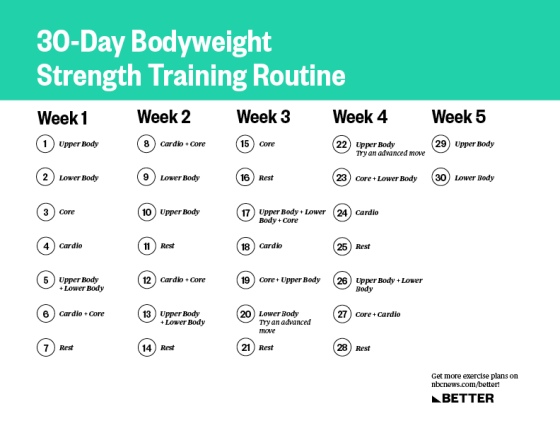
Importance of Consistency
Consistency is key in any fitness journey. Here are some tips to keep you consistent:
Set Realistic Goals
Setting achievable, short-term goals can motivate you to stay on track. As you accomplish these, they can propel you toward your long-term objectives.
Track Your Progress
Keeping a workout journal or using a fitness app can help you track your progress. Note down the exercises you did, the weights you used, and how you felt during each workout. This can be incredibly motivating and help you tweak your routine for better results.
Hydration and Nutrition
No workout routine is complete without proper hydration and nutrition. These play a pivotal role in how effectively you can train and recover.
Staying Hydrated
Ensure that you drink enough water before, during, and after workouts. Proper hydration can prevent cramps and help maintain performance levels.
Balanced Diet
Eating a balanced diet rich in protein, healthy fats, and carbs will provide the energy you need for workouts and assist in recovery. Tailor your nutritional intake to support your individual fitness goals.

Supplementing Your Workout Routine
Depending on your goals, you might consider supplements to support your workout routine. Always consult with a healthcare provider before starting any new supplements.
Common Supplements
- Protein Powder: Supports muscle recovery and growth.
- BCAAs: Helps reduce muscle fatigue and improve recovery.
- Creatine: Increases strength and performance for high-intensity exercises.
- Vitamins and Minerals: Fill any nutritional gaps in your diet.
Mental Preparation and Motivation
Mental preparation is just as important as physical preparation. Staying motivated and committing to your schedule requires a strong mental focus.
Mindfulness and Meditation
Incorporate mindfulness or meditation practices to improve focus and reduce stress. These can be especially helpful in maintaining a positive mindset towards your fitness goals.
Inspirational Sources
Find inspiration through fitness communities, whether online or in person, to stay motivated. Following fitness influencers, joining groups, or having a workout buddy can keep you accountable and inspired.
Adapting to Changes and Challenges
Life is full of surprises, and sometimes you may face challenges that disrupt your workout schedule. The key is to adapt rather than give up.
Handling Busy Schedules
If you’re short on time, even a quick 15-20 minute workout is better than nothing. High-intensity short workouts can be very effective.
Overcoming Plateaus
If you hit a plateau, change your routine to introduce new challenges for your body. This could mean increasing the intensity, changing the type of exercises, or trying a new workout style.
Long-term Commitment
Lastly, view your fitness journey as a long-term commitment. The results will come, but they require time, patience, and consistent effort.
Revisiting and Revising Your Plan
Periodically revisit and revise your workout plan to ensure it’s aligned with your current goals and fitness level. This might be every few months or whenever you feel the need for a change.
Celebrating Milestones
Celebrate your milestones, no matter how small. Recognizing your achievements can boost motivation and remind you of how far you’ve come.
In conclusion, scheduling your workouts for maximum results involves a combination of strategic planning, consistency, and adaptability. By understanding your goals, balancing different types of workouts, and listening to your body, you’ll be well on your way to achieving your fitness aspirations. Remember, your fitness journey is unique, and what works best for you may differ from others. Stay committed, stay flexible, and enjoy the process.