
Have you ever started a fitness journey and found yourself unsure of how to track your progress? It can be overwhelming when you’re trying to figure out how to measure your efforts effectively. This guide is designed to help you make sense of tracking your fitness progress so that you can stay motivated and achieve your goals.

Why Tracking Your Fitness Progress Matters
Keeping track of your fitness progress isn’t just about logging numbers; it’s about seeing how far you’ve come. Monitoring your progress can help you stay motivated, identify areas that need improvement, and celebrate your successes.
Motivation and Accountability
When you see tangible results from your efforts, it’s easier to stay motivated. Plus, tracking your progress holds you accountable, making it less likely that you’ll skip a workout or indulge in unhealthy habits.
Adjusting Your Fitness Plan
Sometimes, despite your best efforts, you might not see the results you’d like. Tracking your progress allows you to tweak your fitness plan to make sure it’s effective. Whether it’s changing your exercise routine or adjusting your diet, tracking provides the data you need to make informed decisions.
Different Methods of Tracking Progress
There are numerous methods for tracking your fitness progress. Each has its own benefits and can be chosen based on what you find most motivating and easy to maintain.
Keeping a Workout Journal
One of the simplest ways to track your progress is by keeping a workout journal. Write down your exercises, reps, sets, and any other relevant details. This can be done in a notebook, spreadsheet, or any app designed for this purpose.
Using Fitness Apps
There are countless fitness apps available that can help you track everything from your workouts to your diet. These can be very convenient as they often include features like reminders and progress graphs.
Taking Progress Photos
Sometimes numbers don’t tell the full story. Taking photos at regular intervals (such as every 2-4 weeks) can provide visual proof of your progress. Be sure to take the photos under similar conditions each time for consistency.
Body Measurements
Tracking body measurements can provide a more detailed picture of your progress than weight alone. Common areas to measure include the waist, hips, arms, and thighs. Use a flexible tape measure and record your measurements once a month.
| Measurement Area | Starting Measurement | Monthly Measurement 1 | Monthly Measurement 2 | Monthly Measurement 3 |
|---|---|---|---|---|
| Waist | _______ | _______ | _______ | _______ |
| Hips | _______ | _______ | _______ | _______ |
| Arms | _______ | _______ | _______ | _______ |
| Thighs | _______ | _______ | _______ | _______ |
Tracking Weight
While weight is one of the most common metrics people track, remember that it doesn’t tell the whole story. Muscle gain, water retention, and other factors can affect your weight. Weigh yourself at the same time of day, preferably in the morning before eating or drinking.
Performance Metrics
If you’re more focused on your fitness levels than your appearance, tracking performance metrics might be for you. For example, log how far you can run in a certain time, how much weight you can lift, or how many push-ups you can do.
Resting Heart Rate and Blood Pressure
Your resting heart rate and blood pressure can be good indicators of your overall fitness. Generally, a lower resting heart rate and normal blood pressure suggest good cardiovascular health. Use a heart rate monitor and a blood pressure cuff to track these metrics.
Setting Achievable Goals
Setting goals can give you something to aim for and provide a framework for measuring your success. Follow the SMART criteria: Specific, Measurable, Achievable, Relevant, and Time-bound.
Specific Goals
Instead of setting a vague goal like “I want to get fit,” set a specific goal like “I want to run a 5k in under 30 minutes.” Specific goals give you a clear target to aim for and make it easier to track progress.
Measurable Goals
Make sure your goals can be measured. For example, “I want to lose 10 pounds” or “I want to increase my bench press by 20 pounds.”
Achievable Goals
Be realistic when setting goals. While it’s great to aim high, setting impossible targets can be demotivating. Consider your current fitness level and make incremental goals.
Relevant Goals
Your goals should be relevant to what you want to achieve. If your main aim is to improve cardiovascular health, setting a goal to lift heavier weights might not be as relevant.
Time-bound Goals
Set a deadline for your goals to give you a sense of urgency and a timeframe to work within. For example, “I want to lose 10 pounds in the next 3 months.”
Tips for Staying Consistent
Staying consistent is often the biggest challenge when it comes to tracking fitness progress. Here are some tips to help you stick with it.
Create a Routine
Having a consistent workout schedule can make it easier to stick to your fitness plan. Block off time in your calendar just like you would for any important appointment.
Set Reminders
Whether it’s a phone alarm or a note on your fridge, reminders can be a great way to ensure you don’t forget your workout or tracking your progress.
Celebrate Milestones
Whenever you reach a small goal or notice improvement, take time to celebrate. This can be as simple as treating yourself to a new workout outfit or enjoying a day off.
Get a Workout Buddy
Having someone to work out with can make exercise more enjoyable and add a layer of accountability. You and your workout buddy can keep each other motivated.
Join a Fitness Group or Class
Participating in a fitness class or group can provide a sense of community and additional motivation to keep going. Many classes track progress and celebrate their members’ achievements.
Prioritize Recovery
Listening to your body and allowing time for recovery can prevent burnout and injuries. Make sure to include rest days in your schedule and get plenty of sleep.
Keep Learning
Reading up on fitness and nutrition can keep you motivated and help you find new strategies to achieve your goals. There’s always something new to learn.

Common Pitfalls to Avoid
Tracking your fitness progress can be incredibly rewarding, but it’s important to be mindful of common pitfalls that can derail your efforts.
Obsessing Over Numbers
While data can be helpful, becoming too focused on numbers can be detrimental to your mental health. Remember that fitness is a journey, not just a destination marked by numbers.
Neglecting Rest Days
Overtraining can lead to injuries and burnout. Ensure you’re giving your body enough time to recover between sessions.
Ignoring Diet
No matter how much you work out, neglecting your diet can hinder your progress. Make sure you’re eating a balanced diet rich in nutrients.
Comparing Yourself to Others
Everyone’s fitness journey is unique. Comparing yourself to others can lead to frustration and demotivation. Focus on your own progress, and celebrate your personal achievements.
Setting Unrealistic Goals
Setting goals that are too ambitious can lead to disappointment. Make sure your goals are realistic and achievable, given your current fitness level and lifestyle.
Tracking Your Diet
Diet plays a huge role in your fitness progress. Whether your goal is to lose weight, gain muscle, or improve your overall health, tracking your diet can give you valuable insights.
Using a Food Diary
Keeping a food diary can help you understand your eating habits and make necessary adjustments. Write down everything you eat and drink and review it regularly.
Calorie Tracking Apps
Apps like MyFitnessPal and Lose It! make it easy to track your calorie intake. These apps often include barcode scanners and can save you time searching for foods.
Watching Macros
Understanding your macronutrient (proteins, fats, carbohydrates) intake can help you fine-tune your diet. Many fitness apps allow you to track your macros along with your calories.
Stay Hydrated
Often overlooked, staying hydrated is crucial for your overall health and fitness progress. Aim to drink at least 8 glasses of water per day, more if you’re highly active.
Evaluating Your Progress
After you’ve been tracking for a while, it’s important to take a step back and evaluate your progress. This will help you understand what’s working and what needs adjustment.
Regular Check-ins
Schedule regular check-ins to review your fitness logs, photos, or any other tracking method you’re using. Quarterly evaluations can provide a good balance between frequent updates and giving enough time to see progress.
Adjusting Goals
As you progress, you may find that your initial goals need to be updated. Adjust your goals to reflect your current fitness level and adjust your plan as necessary.
Seeking Professional Advice
If you’re unsure how to evaluate your progress or need help setting new goals, seeking advice from a fitness professional can be useful. They can provide a different perspective and help tailor your fitness plan.
Mental Benefits of Tracking
Tracking your fitness progress doesn’t just benefit your physical health; it also offers several mental health benefits.
Boosts Motivation
Seeing your progress over time, no matter how small, can boost your motivation. That feeling of accomplishment can be a powerful incentive to keep going.
Enhances Accountability
When you have a tracking system in place, you are more accountable not just to yourself but also to any coaches or teammates you may be working with. This sense of accountability can be a strong motivator.
Provides a Sense of Control
Tracking gives you concrete data that you can use to take control of your fitness journey. When you understand what’s working and what’s not, you can make informed decisions that lead to better results.
Reduces Stress
Knowing you have a plan and a way to measure success can reduce stress. It can alleviate the anxiety of wondering whether you’re on the right path.
Common Tools for Tracking
There are a variety of tools available to help you track your fitness, each with its own strengths and weaknesses.
Fitness Trackers
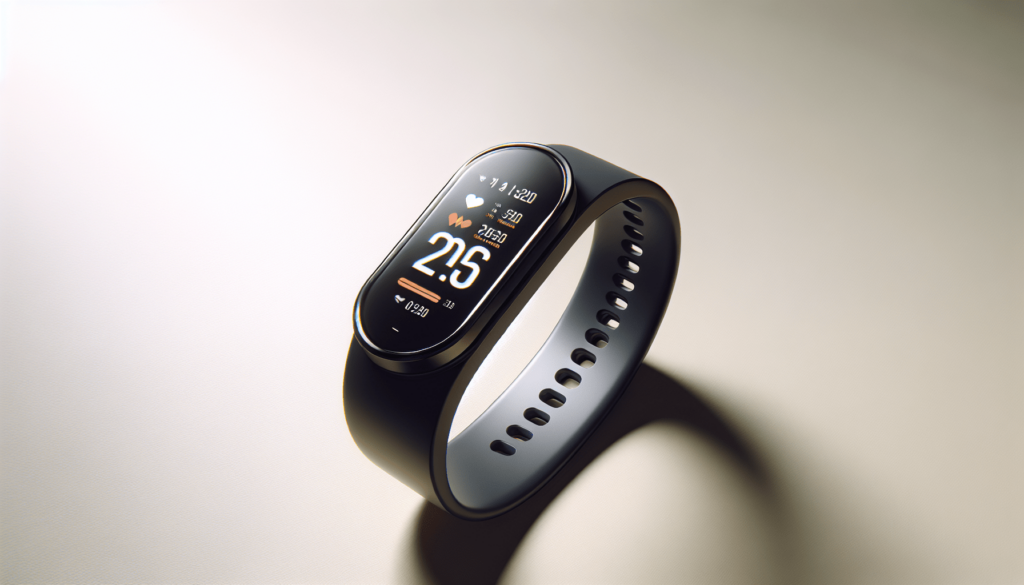
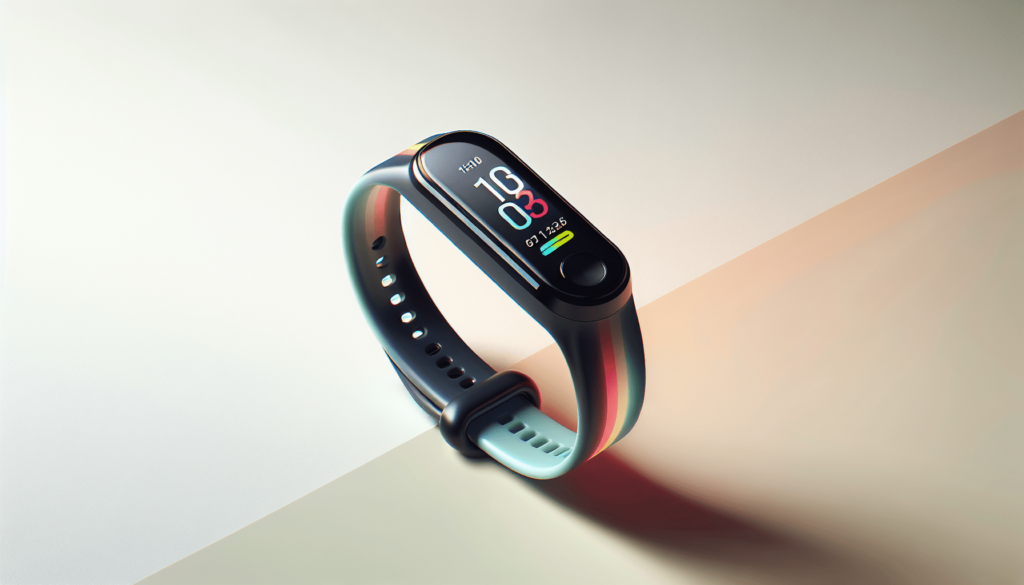
Devices like Fitbits and Apple Watches can provide a wide range of data, from steps taken to heart rate and sleep quality. These can be very convenient for providing real-time feedback.
Mobile Apps
From MyFitnessPal for tracking diet to Strava for logging your runs, there’s an app for nearly every aspect of fitness. These apps often offer community features, challenges, and progress graphs.
Spreadsheets
Simple and customizable, spreadsheets can be a great way to track your workouts, measurements, and progress photos. They are flexible and can be tailored specifically to your needs.
Journals and Notebooks
Some people prefer the tactile feel of writing in a journal or notebook. Plus, it doesn’t require batteries or an internet connection!
Online Communities
Many online communities cater to fitness enthusiasts. These forums and social media groups can offer support, encouragement, and a platform for sharing your progress.
Conclusion
Tracking your fitness progress can be a game-changer in your fitness journey. It offers numerous benefits, from increased motivation and accountability to providing essential data that can guide your efforts. By using a variety of tracking methods, setting SMART goals, and avoiding common pitfalls, you can ensure that your fitness journey is both effective and rewarding.
Remember, the goal is to make progress, no matter how small. Tracking helps you see how far you’ve come and empowers you to make informed decisions. So, let’s start tracking and see where your fitness journey takes you!