
Have you ever wondered how you can improve your digestive health? Maybe you’ve experienced discomfort and wish there was a more straightforward way to keep your digestive system happy. You’re not alone. Many people face issues related to digestion every day, but the good news is that there are numerous ways to enhance your digestive health and live more comfortably.
Understanding Digestion
To improve your digestive health, it’s essential first to understand how digestion works. Digestion is the complex process where your body breaks down the food you eat into nutrients, which it then uses for energy, growth, and cell repair.
When you consume food, it passes through your digestive tract, where various organs work together to break it down. Here’s a simple breakdown:
| Organ | Function |
|---|---|
| Mouth | Chewing breaks down food into smaller pieces. Saliva contains enzymes to start the digestion process. |
| Esophagus | The esophagus transports food from the mouth to the stomach via muscular contractions called peristalsis. |
| Stomach | The stomach mixes food with digestive juices, which include enzymes and hydrochloric acid, breaking down proteins and fats. |
| Small Intestine | This organ continues to break down food with enzymes from the pancreas and bile from the liver. Nutrient absorption into the bloodstream occurs here. |
| Large Intestine | Any remaining undigested food and water move into the large intestine. It absorbs water and vitamins, while forming stool. |
| Rectum and Anus | These parts store and then expel waste from your body through bowel movements. |
Having a basic understanding of how digestion works can make it easier to identify how to enhance the process.
Top Ways to Improve Your Digestive Health
Improving your digestive health involves adopting several strategies that can work together harmoniously. Here are some top methods to consider:
Eat a High-Fiber Diet
Fiber is essential for a healthy digestive system. It helps keep food moving through your digestive tract and can prevent constipation. Aim to include a variety of high-fiber foods in your diet, such as:
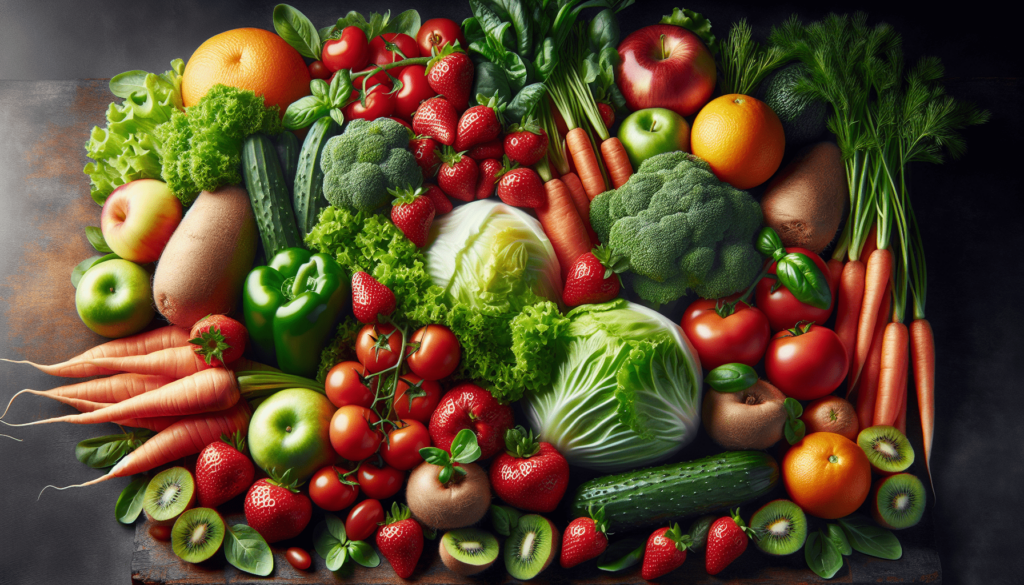
- Fruits and Vegetables: Berries, apples, carrots, and leafy greens.
- Whole Grains: Oats, brown rice, and whole wheat bread.
- Legumes: Beans, lentils, and chickpeas.
- Nuts and Seeds: Almonds, chia seeds, and flaxseeds.
Make a conscious effort to incorporate these fiber-rich foods into each meal.
Stay Hydrated
Water is crucial for digestion. It helps break down food so your body can absorb the nutrients. Adequate hydration also softens stool, making it easier to pass and preventing constipation. Aim to drink at least 8 glasses (64 ounces) of water a day, more if you’re physically active or live in a hot climate.
Avoid Processed Foods
Processed foods often contain unhealthy fats, sugars, and preservatives, which can disrupt your digestive system. Try to limit the intake of:
- Fast Food: Burgers, fries, and fried chicken.
- Sugary Snacks: Candy, cakes, and cookies.
- Prepackaged Meals: Frozen dinners and instant noodles.
Instead, focus on whole, minimally processed foods that are rich in nutrients.
Eat Mindfully
Mindful eating can significantly improve your digestion. This involves paying full attention to the experience of eating and drinking. Here are some tips to eat mindfully:
- Chew Thoroughly: Digestion starts in the mouth. Chewing breaks food into smaller pieces and mixes it with saliva, making it easier for your stomach to process.
- Avoid Distractions: Put away phones and turn off the TV while eating. Focus on the food you’re consuming.
- Eat Slowly: Taking your time can prevent overeating and improve digestion. It allows your brain to register that you’re full.
Regular Exercise
Exercise helps keep your digestive system moving. Physical activity increases blood flow to your organs, including your gastrointestinal tract, which can help move food through your system more efficiently. Aim for at least 30 minutes of moderate exercise, like brisk walking, cycling, or swimming, most days of the week.
Manage Stress
Stress can negatively impact your digestive health, leading to issues like stomach ulcers, constipation, and diarrhea. Finding effective ways to manage stress can have a positive effect on your digestion. Consider trying:
- Meditation: A few minutes of daily meditation can help reduce stress levels.
- Deep Breathing Exercises: Simple breathing techniques can help calm your nervous system.
- Physical Activity: Regular exercise is a natural stress reliever.
- Hobbies: Engaging in activities you enjoy can help take your mind off stress.
Probiotics and Prebiotics
Probiotics are beneficial bacteria that live in your digestive tract, while prebiotics are the foods that feed those bacteria. Together, they can keep your gut healthy. Foods rich in probiotics include:
- Yogurt
- Kefir
- Sauerkraut
- Kimchi
- Miso
Prebiotic foods include:
- Garlic
- Onions
- Bananas
- Asparagus
- Jerusalem Artichokes
Consider incorporating both probiotics and prebiotics into your diet to maintain a balanced gut microbiome.
Avoid Overeating
Overeating can overwhelm your digestive system, leading to discomfort and indigestion. Opt for smaller, more frequent meals throughout the day instead of three large meals. Eating smaller portions can make it easier for your digestive system to break down and process food efficiently.
Limit Alcohol and Caffeine
Excessive alcohol and caffeine consumption can irritate your digestive system. Alcohol can lead to inflammation and may impair nutrient absorption, while caffeine can cause increased stomach acid production, leading to conditions like acid reflux. Try to limit consumption to moderate levels:
- Alcohol: No more than one drink per day for women and two for men.
- Caffeine: Aim for no more than 400 milligrams per day, equivalent to about four cups of coffee.
Quit Smoking
Smoking negatively impacts nearly every organ in your body, including your digestive system. It can weaken the muscle that controls the lower end of your esophagus, leading to acid reflux and heartburn. Quitting smoking can significantly improve your digestive health and reduce the risk of developing gastrointestinal cancers.
Recognize Food Intolerances
Food intolerances, like lactose or gluten intolerance, can cause digestive discomfort. Symptoms may include bloating, gas, diarrhea, and stomach pain. If you suspect you have a food intolerance, it may be helpful to:
- Keep a Food Diary: Track what you eat and any symptoms that arise.
- Elimination Diet: Temporarily eliminate suspected foods to see if symptoms improve.
- Consult a Healthcare Provider: Get professional advice on managing food intolerances.
Get Enough Sleep
Sleep is vital for overall health, including digestion. Lack of sleep can exacerbate digestive issues, including irritable bowel syndrome (IBS) and inflammatory bowel disease (IBD). Aim for 7-9 hours of quality sleep nightly, and maintain a regular sleep schedule.
Proper Food Storage
Properly storing food helps prevent gastrointestinal infections. Bacteria like Salmonella and E. coli can cause severe digestive problems. Follow these guidelines for food storage:
- Refrigerate Perishables: Store meat, dairy, and leftovers promptly.
- Wash Hands and Surfaces: Prevent cross-contamination by washing hands and surfaces often.
- Cook to Proper Temperatures: Use a food thermometer to ensure food reaches safe temperatures.
Herbal Remedies
Certain herbs and teas can soothe the digestive system and promote health. Consider incorporating the following:
- Ginger: Known for relieving nausea and inflammation.
- Peppermint: Can reduce symptoms of IBS and improve digestion.
- Chamomile: Helps soothe the stomach and reduce inflammation.
Discuss with a healthcare provider before trying herbal remedies, especially if you take medications or have underlying health conditions.
Recognizing When to Seek Help
While these methods can significantly improve your digestive health, it’s important to recognize when professional medical advice is necessary. Symptoms like persistent abdominal pain, unexplained weight loss, blood in stools, or chronic heartburn should prompt a visit to a healthcare provider. Early intervention can prevent more severe issues down the line.
Conclusion
Improving your digestive health involves a multi-faceted approach that includes diet, lifestyle changes, stress management, and being mindful of your body’s needs. By incorporating these strategies into your daily routine, you can support your digestive system and enjoy a more comfortable, healthier life.
Remember, small, consistent changes can lead to significant improvements. Listen to your body, stay informed, and seek professional advice when necessary. Your digestive health is a pivotal part of your overall well-being, and taking steps to care for it can have lasting positive effects.