
Have you ever thought about trying aerial yoga but felt overwhelmed by where to start? Aerial yoga, often seen as a mesmerizing blend of yoga poses, Pilates, and dance, is quickly becoming a favorite for many. As a beginner, embarking on this journey might seem a bit daunting, but worry not. This article will walk you through some of the best beginner aerial yoga workouts, ensuring that you get off to a strong and confident start.
What is Aerial Yoga?
Aerial yoga uses a fabric hammock or swing to support your body. The hammock allows you to perform traditional yoga poses, but with the added benefit of support, which can help deepen your stretches and improve your flexibility. It’s not just about fancy tricks; it’s about enhancing your practice in a safe and supportive way.
Benefits of Aerial Yoga
Aerial yoga offers a host of benefits which include improving your flexibility, strength, and balance. Here are some key benefits:
- Enhanced Flexibility: The hammock allows for a greater range of motion, helping you achieve deeper stretches.
- Increased Strength: Supporting yourself in the hammock engages your muscles in new ways, building strength.
- Improved Balance: Balancing in the hammock requires core stability and coordination.
- Stress Relief: The gentle, supported inversions can help decompress your spine and reduce stress.
Getting Started with Aerial Yoga
Before diving into the workouts, it’s essential to establish a strong foundation.
Equipment and Setup
The first step is ensuring you have the right equipment. You’ll need an aerial yoga hammock, which should be securely installed either in your home or at a yoga studio.
Equipment Checklist:
| Equipment | Purpose |
|---|---|
| Aerial Yoga Hammock | Supports your body during poses |
| Carabiners | Attaches hammock to mounting points |
| Mounting Points | Securely connects the hammock to a ceiling or stand |
| Yoga Mat | Provides grip and comfort for ground poses |
Make sure your area is free of any obstacles to avoid injuries. Also, wear comfortable clothing that allows for a full range of movement, but try to avoid loose garments that might get tangled in the hammock.
Safety Tips
Your safety is paramount when practicing aerial yoga. Here are a few tips to keep in mind:
- Check Your Hammock: Always inspect your hammock and its attachments for wear and tear before starting.
- Warm-Up: Begin with a gentle warm-up to prepare your muscles and joints.
- Listen to Your Body: Never push through pain. If something doesn’t feel right, stop and consult an instructor if needed.
- Practice Near a Spotter: If you’re new, having someone nearby to assist can provide additional safety.

Beginner Aerial Yoga Workouts
Now that you’re set up, let’s get into some beginner-friendly aerial yoga workouts. These exercises will help you get comfortable with the hammock and build a solid foundation for more advanced poses.
Warm-Up: Grounded Stretch
Starting on the ground helps you ease into your practice and prepares your body for the more demanding poses.
-
Cat-Cow Stretch:
- Position yourself on all fours with your hands directly under your shoulders and your knees under your hips.
- Inhale and arch your back (Cow Pose), lifting your tailbone and head.
- Exhale and round your spine (Cat Pose), tucking your chin to your chest.
-
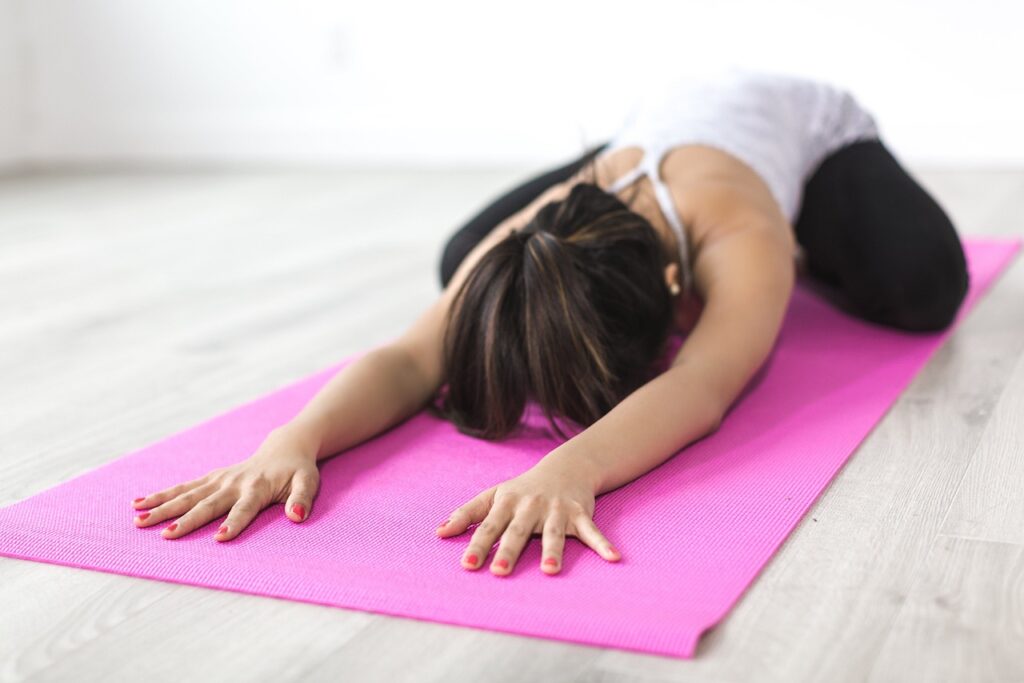
Child’s Pose:
- From the Cat-Cow stretch, sit back onto your heels, extend your arms forward, and lower your forehead to the mat.
Exercise 1: Supported Forward Fold
This exercise helps you get comfortable with the hammock and stretches your hamstrings and lower back.
- Setup: Stand in front of the hammock with your feet hip-width apart.
- Position: Hold the hammock handles, lean forward, and allow the hammock to support your upper body weight.
- Stretch: Relax into the stretch, letting your head hang freely. Breathe deeply and hold for 5-10 breaths.
Exercise 2: Aerial Plank
An excellent way to engage your core and build upper body strength.
- Setup: Place the hammock at hip height.
- Position: From a standing position, step back and place your shins into the hammock, coming into a high plank position with your hands on the floor.
- Engage: Hold your core tight and maintain a straight line from head to heels. Hold for 3-5 breaths.
Exercise 3: Supported Lunges
Great for improving balance and stretching your hip flexors.
- Setup: Stand in front of the hammock, placing one foot into it behind you.
- Position: Lower yourself into a lunge position while the hammock supports your back leg.
- Stretch and Strengthen: Hold the lunge, aiming to keep your front knee over your ankle. Hold for 5-8 breaths, then switch legs.
Exercise 4: Aerial Downward Dog
A variation of the traditional downward dog but with hammock support.
- Setup: Place the hammock at waist height.
- Position: Stand facing the hammock, then lean forward and place your hands on the floor, allowing the hammock to support your hips.
- Stretch: Push your hips up and back, elongating your spine and stretching your hamstrings. Hold for 5-8 breaths.
Exercise 5: Hip Hang
A gentle inversion that helps decompress the spine.
- Setup: Adjust the hammock to hip height.
- Position: Sit in the hammock with the fabric under your pelvis.
- Invert: Slowly flip upside down, allowing the hammock to support your hips. Relax your arms towards the floor. Hold for 3-5 breaths.
Cool Down: Sweet Savasana
Savasana is the perfect way to end your practice, allowing your body to absorb the benefits of the workout.
- Setup: Lie back in the hammock as if it were a cocoon.
- Relax: Close your eyes, letting your body completely relax. Focus on your breath and stay here for 5-10 minutes.
Common Questions About Aerial Yoga for Beginners
Is Aerial Yoga Safe?
Yes, aerial yoga is safe when practiced correctly. Ensure your hammock is securely installed and free of any damage. Start with beginner poses and gradually progress to more challenging ones as you build strength and confidence.
Can Anyone Do Aerial Yoga?
Most people can try aerial yoga, but it’s always best to consult with a healthcare provider if you have any pre-existing conditions. Start slow and listen to your body.
How Often Should You Practice?
Consistency is key to progress. Aim to incorporate aerial yoga into your routine 2-3 times a week. This frequency allows your body to adapt and improve your flexibility and strength over time.
What Should You Wear to an Aerial Yoga Class?
Wear comfortable, form-fitting clothing. Avoid anything too loose to prevent it from snagging in the hammock. Remove any jewelry and trim your nails to protect the hammock.
Tips for Progressing in Aerial Yoga
Practice Regularly
The more you practice, the more comfortable you’ll become with the hammock. Consistency is crucial, even if it’s just a few minutes a day. Regular practice will help you build strength, flexibility, and confidence.
Take it Slow
There’s no rush in aerial yoga. Take your time to master each pose before moving on to more advanced ones. Your body will thank you for the gradual progression.
Learn from Instructors
While practicing at home can be convenient, attending classes with experienced instructors can provide invaluable insights. They can correct your form and offer suggestions tailored to your needs.
Focus on Breathing
Like traditional yoga, your breath is an integral part of aerial yoga. Deep, steady breaths can help you relax into poses and hold them longer. Practice breathing techniques as part of your routine.
Stay Patient
Progress might seem slow at times, but that’s completely normal. Celebrate small achievements and remember that aerial yoga is a journey. Stay patient with yourself and enjoy the process.

Conclusion
Embarking on an aerial yoga journey is an exciting and rewarding venture. The workouts you’ve learned here are perfect for beginners and provide a solid foundation on which to build. Remember to prioritize safety, take your time with each pose, and most importantly, have fun. The benefits of improved flexibility, strength, and balance are well within your reach. Enjoy the process of learning and refining each move, and you’ll soon find that the hammock becomes a natural extension of your practice. Happy flying!