
Have you ever wondered why success stories play such a critical role for personal trainers? You might think it’s all about the workouts and techniques, but there’s another powerful tool in the personal training arsenal: success stories. These are not just motivational tales but essential components that can shape your career in profound ways.
Understanding the Power of Success Stories
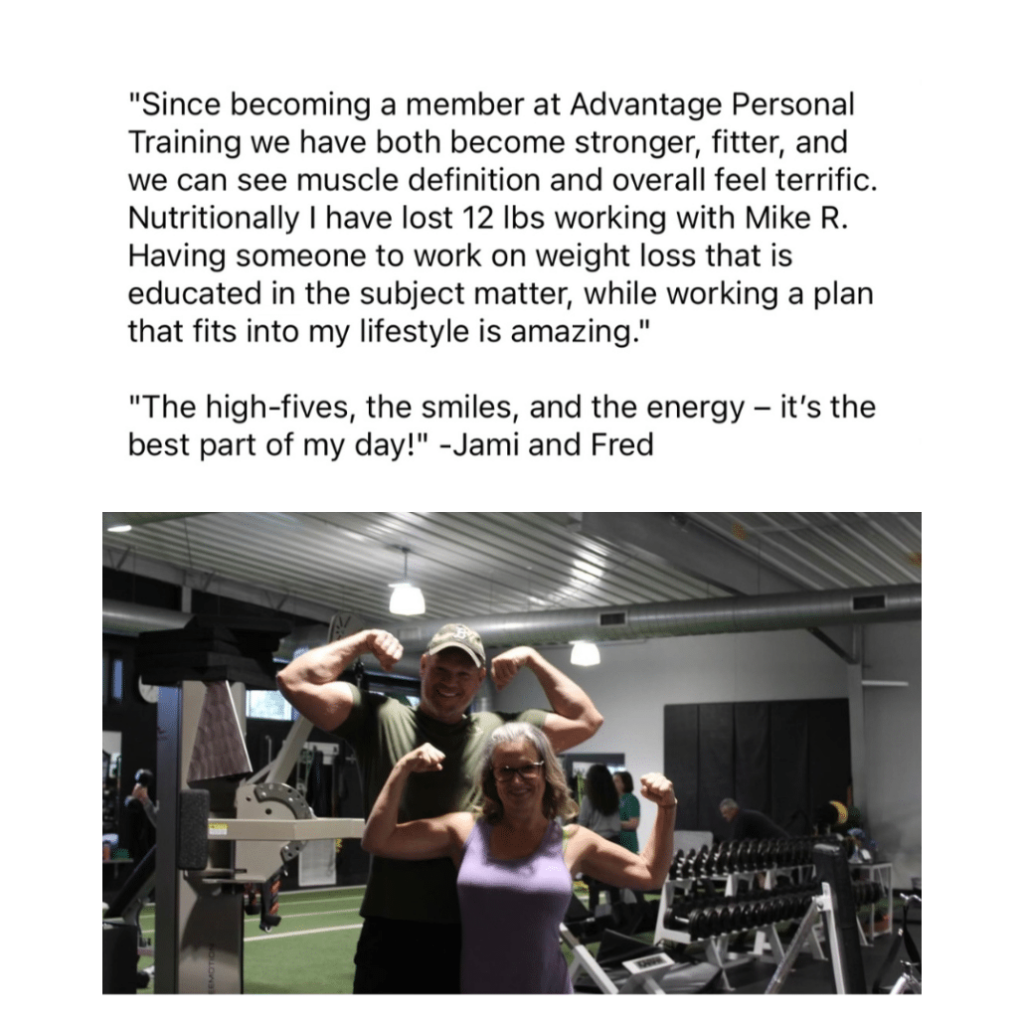
Success stories hold a significant place in the narrative of personal training. They aren’t just testimonials or before-and-after pictures; they tell a story of transformation, resilience, and achievement. When clients share their journey, it becomes a source of inspiration for others and helps build a sense of community and trust. But, there’s more beneath the surface.
Emotional Connection
First and foremost, success stories create an emotional connection. They humanize your clients and make their struggles and victories relatable to new and potential clients. This connection can be more impactful than any technical explanation of fitness regimens and dietary plans.
Trust Building
Would you agree that trust is vital in any client-trainer relationship? Success stories help build that trust. They serve as evidence that your method works and can alleviate potential clients’ fears and doubts. When people see others achieving their goals with your help, it builds credibility and confidence in your services.
Social Proof
Ever bought something based on a stellar review? Success stories act as social proof. They show that others have benefited from your training programs and this can influence the decisions of potential clients looking for reliable and effective fitness solutions.
Components of a Compelling Success Story
Creating an impactful success story involves more than just gathering before-and-after photos. The narrative must capture various elements that make the story authentic and engaging.
Setting the Stage
Begin by introducing your client and setting the context. What were their goals? What challenges did they face? Were they skeptical or confident when they first approached you? This initial setup helps readers to understand where the journey started, making the transformation more meaningful.
The Downside Moment
Every compelling story has a moment of struggle. Highlighting this adds a layer of authenticity. Perhaps your client hit a plateau or dealt with a personal setback that temporarily derailed their progress. This relatability makes the journey more believable.
The Turning Point
What changed that helped your client overcome the obstacles? Was it a specific technique, a change in mindset, or a unique aspect of your training program? This turning point is crucial as it highlights what specifically makes your training effective.
The Result
Finally, discuss the results. Be specific about the achievements — whether it’s weight loss, muscle gain, improved mental health, or enhanced athletic performance. Use actual numbers, if possible, to make the story more credible.
Collecting and Sharing Success Stories
Now that you understand the elements of a great success story, the next step is to collect and share these narratives effectively. This process can be broken down into several manageable steps.
Gathering Information
Ask your clients for detailed feedback. You could use a questionnaire or a casual interview format to get all the necessary details. Questions might include:
- What were your initial goals?
- What challenges did you face?
- How did my training program help you?
- What specific results have you achieved?
| Question | Purpose |
|---|---|
| Initial goals | Understand their starting point |
| Challenges faced | Identify obstacles |
| How the program helped | Determine key turning points |
| Specific results | Highlight measurable achievements |
Getting Consent
Always get your client’s consent before sharing their story. Offer anonymity if they’re not comfortable sharing their identity. Make sure they understand the potential reach of their story and how it will be used.
Crafting the Story
Once you have all the information, craft a compelling narrative. Follow the structure we discussed earlier: setting the stage, the downside moment, turning point, and result. Use quotes directly from your clients to add authenticity.
Distribution Channels
Share these stories across various platforms. Think beyond just your website. Utilize social media, newsletters, blogs, and even create a dedicated section in your gym or studio.
The Impact of Success Stories on Your Business
Whether you’re an independent personal trainer or work within a larger fitness organization, success stories can have a measurable impact on your business in multiple ways.
Client Retention
Stories of success can serve as ongoing motivation for your current clients. They see what’s possible, not just in terms of physical transformation, but also in the realms of mental and emotional health. This ongoing inspiration helps in retaining clients for an extended period.
New Client Acquisition
New clients often look for proof that your services work before committing. Success stories serve as tangible evidence that encourages them to take the plunge. When potential clients see the real impact you’ve made, the decision to join you becomes much easier.
Enhanced Credibility
In an industry packed with trainers, differentiation is key. Success stories can significantly boost your credibility, making you stand out as a seasoned professional who produces results. This enhanced credibility is invaluable for long-term career growth.
Leveraging Success Stories for Marketing
Marketing your personal training services effectively often boils down to showcasing proof. Success stories provide that proof and can be incorporated into your marketing strategy in several ways.
Website Testimonials and Blogs
Your website is often the first point of contact. Make sure your success stories are easily accessible. Create a dedicated testimonial page but also integrate them into your blog. Write detailed, narrative blog posts about individual success stories to engage your audience.
Social Media Content
Social media platforms are excellent avenues for sharing success stories. Visual content like before-and-after pictures and short video interviews can be extremely effective. Use hashtags strategically to reach a wider audience.
Email Newsletters
Regular newsletters can feature a “Success Story of the Month.” This not only keeps your existing clients motivated but also informs potential clients who are on your mailing list. Include detailed stories with quotes and actionable tips.
Video Testimonials
Video testimonials bring success stories to life. Clients talking about their journey in their own words can be incredibly impactful. Short, authentic videos tend to perform well on social media and your website.
Workshops and Webinars
If you conduct workshops or webinars, incorporate success stories into these sessions. Use them as case studies to illustrate specific points and create more engaging and relatable content for your audience.
Ethical Considerations
While success stories are invaluable, it’s crucial to approach them with a sense of ethics and responsibility.
Honesty and Authenticity
Ensure every story you share is 100% truthful. Authenticity is key, as misleading information can tarnish your reputation and trustworthiness. The fitness industry already struggles with credibility issues; don’t add to the problem.
Client Privacy
Always prioritize your client’s privacy. Only share details they are comfortable with, and always obtain explicit consent. Anonymize details if necessary to protect their identity.
Balanced Representation
It’s good to showcase dramatic transformations, but also include success stories that show smaller, yet significant, changes. Not every client aims for and achieves extreme results. Represent different journeys to cater to a diverse audience.

Collaborating with Clients
Collaboration is crucial for collecting and creating meaningful success stories. Engage your clients in the process and make them feel part of something bigger.
Regular Check-ins
Establish a routine for regular check-ins with your clients. This helps you gather ongoing feedback, making the final transformation story richer and more detailed. It also shows your clients that you are invested in their journey.
Celebrating Milestones
Don’t wait for the “final” result to celebrate success. Celebrate small milestones and improvements along the way. This keeps clients motivated and provides more content for success stories.
Encouraging Client Participation
Encourage clients to keep personal fitness journals or blogs. They can document their thoughts, struggles, and victories, making it easier to consolidate these experiences into a compelling story later.
Overcoming Common Challenges
Creating and sharing success stories isn’t devoid of challenges. Here’s how you might overcome some common hurdles.
Reluctant Clients
Some clients may be shy or reluctant to share their stories publicly. Address this by offering anonymity and respecting their comfort levels. Highlight how their story can inspire others and contribute to a larger community.
Consistency in Storytelling
Being consistent in collecting and sharing success stories can be difficult. Set a regular schedule for collecting feedback and create a streamlined process for turning this feedback into stories.
Staying Fresh and Relevant
With so many success stories out there, keeping your narratives fresh can be a challenge. Focus on unique angles and individual experiences. Use various formats like written narratives, video montages, and photo collages to keep your content engaging.

The Psychological Impact
Never underestimate the psychological impact that success stories can have, both on your clients and on yourself as a trainer.
For Clients
Reading or hearing about someone’s success can provide a significant psychological boost. It fosters a sense of possibility and potential, encouraging clients to push through their own barriers. They see proof that success is achievable, lending them the resolve to keep going.
For You as a Trainer
Success stories serve as a reminder of your impact and effectiveness. They can be incredibly motivating and affirm your choice of career. Collectively, these stories create a tapestry of your professional accomplishments that can be deeply fulfilling.
Conclusion
Why do success stories matter for personal trainers? They are far more than mere tales of triumph. They serve as emotional connectors, trust builders, and social proof, standing as testimonials to your effectiveness and credibility. Incorporating them thoughtfully into your business strategy can lead to higher client retention, increased new client acquisition, and overall enhanced credibility.
Embrace the power of success stories to elevate your personal training career. Make it a habit to gather, craft, and share these narratives regularly. You’ll find that they not only enrich the lives of your clients but also add significant value to your professional journey.