
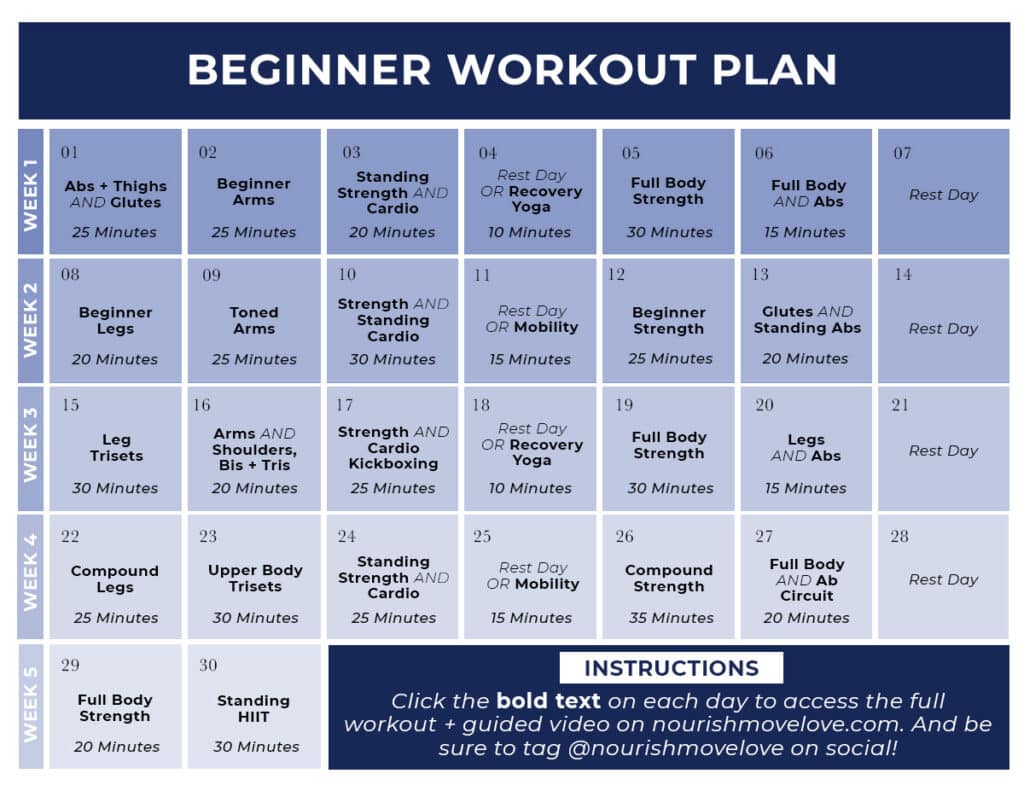
Have you ever found yourself asking where to start when trying to get into a workout routine? Maybe you’ve felt overwhelmed by all the options available or unsure of what exercises are suitable for beginners. You’re not alone, and the good news is that creating a beginner-friendly workout routine can be straightforward and enjoyable.
Understanding Your Goals
Before you design your workout routine, it’s important to understand your goals. Are you looking to lose weight, gain muscle, increase endurance, or just improve your overall health? Knowing what you want to achieve will help you tailor your workout to meet those specific goals.
Identifying Your Fitness Level
Be honest with yourself about your current fitness level. This will ensure you do not push yourself too hard and risk injury. If you’ve been sedentary for a while, start slow. There’s no shame in beginning with the basics; everyone has to start somewhere.
Beginner Fitness Profiles
| Current Activity Level | Suggested Starting Point |
|---|---|
| Sedentary | 10-15 minutes of light activity (walking, stretching) |
| Lightly active | 20-30 minutes of moderate activity (walking, yoga) |
| Moderately active | 30-40 minutes of structured exercise (light cardio, weight lifting) |
Setting Realistic Goals
It’s crucial to set attainable and realistic goals. Unrealistic expectations can lead to disappointment and frustration. Establish both short-term and long-term goals to keep you motivated. For instance:
- Short-term goal: Walk for 20 minutes, three times a week
- Long-term goal: Run a 5k in six months
Writing Down Your Goals
Having your goals written down makes them concrete and easier to track. Use a journal or an app to log your progress.
Sample Workout Log
| Date | Workout Type | Duration | Comments |
|---|---|---|---|
| 2023-10-01 | Walking | 20 mins | Felt great! |
| 2023-10-03 | Yoga | 30 mins | Good stretch |
| 2023-10-05 | Light Cardio | 25 mins | Slightly tired |

Choosing the Right Exercises
A balanced workout routine should include cardiovascular exercises, strength training, and flexibility work. Let’s break down each category to help you understand their benefits.
Cardiovascular Exercises
These are activities that increase your heart rate and improve cardiovascular health. Examples include walking, running, cycling, or swimming.
Beginner-Friendly Cardio Options
| Exercise | Duration | Frequency |
|---|---|---|
| Walking | 20-30 mins | 3-4 times a week |
| Cycling | 20-30 mins | 2-3 times a week |
| Swimming | 15-25 mins | 2-3 times a week |
Strength Training
Strength training helps to build muscle, increase metabolism, and improve overall strength. Start with light weights or body-weight exercises like squats, lunges, and push-ups.
Basic Strength Training Exercises
| Exercise | Reps | Sets | Frequency |
|---|---|---|---|
| Squats | 10-12 | 2-3 | 2-3 times a week |
| Lunges | 10-12 | 2-3 | 2-3 times a week |
| Push-ups | 8-10 | 2-3 | 2-3 times a week |
Flexibility Work
Incorporating flexibility exercises can help prevent injuries and improve your range of motion. Yoga and stretching are great options.
Simple Stretching Routine
| Exercise | Duration | Frequency |
|---|---|---|
| Hamstring stretch | 15-20 sec | After each workout |
| Shoulder stretch | 15-20 sec | After each workout |
| Neck stretch | 15-20 sec | After each workout |
Creating a Weekly Schedule
Once you know which exercises to include, it’s time to put them into a schedule. Keep it varied to avoid boredom and ensure a balanced approach.
Sample Weekly Workout Plan
| Day | Workout Type | Duration |
|---|---|---|
| Monday | Walking + Stretching | 20 mins + 10 mins |
| Tuesday | Strength Training | 30 mins |
| Wednesday | Cycling + Flexibility | 20 mins + 10 mins |
| Thursday | Rest or light activity | |
| Friday | Strength Training | 30 mins |
| Saturday | Running/Walking | 20-30 mins |
| Sunday | Yoga | 30 mins |

Listening to Your Body
One of the most important aspects of any workout routine is learning to listen to your body. If you feel pain or extreme discomfort, it’s crucial to stop and assess the situation. Pushing through pain can lead to injuries.
Recognizing Signs of Overtraining
Symptoms of overtraining include persistent soreness, fatigue, insomnia, and decreased performance. If you experience any of these, it may be time to take a step back.
Signs and Symptoms of Overtraining
| Symptom | Description |
|---|---|
| Persistent soreness | Muscle soreness that doesn’t improve with rest |
| Fatigue | Feeling unusually tired, even during rest periods |
| Insomnia | Trouble falling or staying asleep |
| Decreased Performance | Not being able to perform workouts at your usual level |
Nutrition and Hydration
Don’t overlook the importance of nutrition and hydration in your workout routine. Eating a balanced diet and staying well-hydrated can significantly impact your energy levels and recovery.
Components of a Balanced Diet
Ensure your meals include a mix of carbohydrates, proteins, and fats. Carbs provide energy, proteins aid in muscle repair, and fats support overall health.
Simple Balanced Meal Idea
| Food Group | Food Example | Portion Size |
|---|---|---|
| Carbohydrates | Quinoa | 1 cup |
| Proteins | Grilled chicken breast | 4 ounces |
| Fats | Avocado | 1/2 avocado |
| Vegetables | Steamed broccoli | 1 cup |
Staying Hydrated
Aim for at least 8 cups of water a day, but you may need more depending on your activity level.
Hydration Tips
| Tip | Description |
|---|---|
| Drink before you’re thirsty | Thirst is a late indicator of dehydration |
| Hydrate during workouts | Sip water during your exercise routine |
| Post-workout hydration | Replenish fluids lost through sweat after exercising |

Tracking Your Progress
Keeping track of your progress can be a great motivator. Use a journal, app, or even a simple spreadsheet to log your activities and see how far you’ve come.
Benefits of Tracking
Tracking your progress helps in identifying what’s working and what might need adjustment. It also provides a sense of accomplishment as you reach your milestones.
What to Track
| Element | Why Track It? |
|---|---|
| Workout type | Helps diversify and balance your routine |
| Duration | Ensures you’re meeting your time goals |
| Intensity | Helps in avoiding overtraining |
| Mood and energy | Assists in understanding how your workout affects you |
Staying Motivated
Maintaining motivation can be one of the biggest challenges, especially when results are not immediate. Find small ways to stay inspired.
Tips for Staying Motivated
Consider joining a fitness class, finding a workout buddy, or listening to your favorite music during workouts. Reward yourself for reaching your goals, no matter how small.
Sample Motivation Strategies
| Strategy | Description |
|---|---|
| Workout buddy | Partnering with someone to keep each other accountable |
| Favorite music | Creating a playlist with songs that energize you |
| Reward system | Treating yourself to something special after reaching a goal |
When to Seek Professional Advice
If you’re unsure about your fitness plan, consider seeking advice from a fitness professional. They can provide tailored guidance and ensure that your routine aligns with your goals and abilities.

Adapting as You Progress
As you become more comfortable with your routine, it’s essential to adapt and increase intensity gradually. This will help you continue making progress without hitting a plateau.
Progressive Overload
This means gradually increasing the weights, duration, or intensity of your workouts to keep challenging your body.
Implementing Progressive Overload
| Method | Example | Frequency |
|---|---|---|
| Increase weight | Adding 2-5 lbs to your weights | Every 2-3 weeks |
| Increase duration | Adding 5-10 mins to cardio | Every 2-3 weeks |
| Increase intensity | Adding more challenging moves | Every 2-3 weeks |
Common Mistakes to Avoid
Starting with a workout routine can be tricky, and certain mistakes are common among beginners. Understanding these can help you avoid pitfalls.
Skipping Warm-Ups and Cool-Downs
Warm-ups prepare your body for exercise, and cool-downs help in recovery. Skipping these can increase your risk of injury.
Tips for Proper Warm-Up and Cool-Down
| Element | What to Include | Duration |
|---|---|---|
| Warm-Up | Light cardio, dynamic stretches | 5-10 minutes |
| Cool-Down | Slow walking, static stretches | 5-10 minutes |
Ignoring Recovery Time
Rest days are just as important as workout days. Your muscles need time to repair and grow.
Planning Recovery
| Recovery Type | Description | Frequency |
|---|---|---|
| Active recovery | Light movement (walking, stretching) | Once a week |
| Complete rest | No intensive physical activity | 1-2 days a week |
Incorporating Variety
Repeating the same exercises can lead to boredom and stagnation. Incorporate variety to keep things interesting and engaging.
Trying New Activities
Don’t hesitate to try new exercises or classes. This can include dance classes, martial arts, or even team sports.
Benefits of Varied Workouts
| Benefit | Description |
|---|---|
| Prevents boredom | Keeps your routine interesting |
| Engages different muscles | Targets different muscle groups |
| Increases motivation | New challenges can keep you excited |
Importance of Sleep
Never underestimate the role of good sleep in a workout routine. Proper rest supports recovery and overall well-being.
Enhancing Sleep Quality
Adopt habits that promote better sleep, such as maintaining a regular sleep schedule, keeping your bedroom cool and dark, and avoiding screens before bedtime.
Sleep Tips
| Tip | Description |
|---|---|
| Consistent schedule | Go to bed and wake up at the same time every day |
| Comfortable environment | Ensure your bedroom is cool, dark, and quiet |
| Pre-sleep routine | Engage in relaxing activities before bed, like reading or meditating |
Final Thoughts
Creating a beginner-friendly workout routine is all about starting small, listening to your body, and steadily progressing. Remember that consistency is key, and it’s okay to make adjustments along the way. Focus on enjoying the process and celebrating your progress, no matter how small. With these tips in mind, you’re well on your way to a healthier, more active lifestyle.