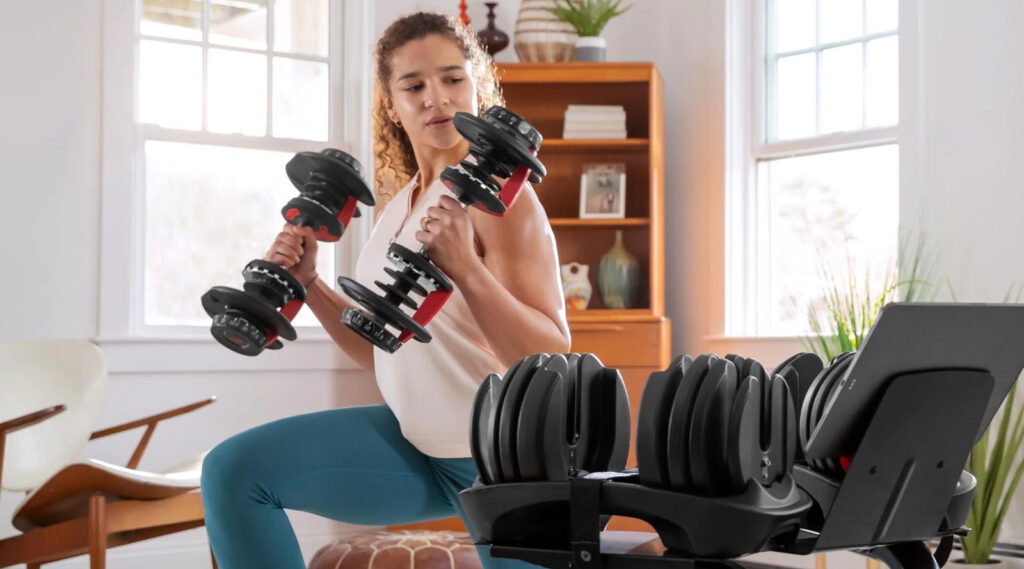
Have you ever walked into a gym or a sports store, looked at the vast array of dumbbells, and wondered which kind you should choose for your strength training routine? You’re not alone. Selecting the right dumbbells can seem overwhelming, especially with so many options available. But don’t worry—this guide will help you navigate through your choices and find the perfect set for your needs.
Why Dumbbells Matter in Strength Training
Before diving into the specifics, it’s essential to understand why dumbbells are such a cornerstone in any strength training regimen. Dumbbells offer a range of benefits, including versatility, muscle symmetry, and functional strength. Unlike machines, dumbbells allow for a natural range of motion, which can help you build well-balanced muscles and prevent injuries.
Types of Dumbbells
There are various types of dumbbells, each serving different purposes based on your fitness objectives and level of experience. Below, you’ll find a breakdown of the most common types to help you make an informed decision.
Fixed Dumbbells
Fixed dumbbells are the most traditional and straightforward type. They consist of a single piece with a set weight. You might have seen these in gyms, often organized in racks by weight.
| Pros | Cons |
|---|---|
| Durable and robust | Can be expensive |
| No assembly required | Less adjustable |
| Ideal for rapid transitions | Takes up more storage space |
Adjustable Dumbbells
Adjustable dumbbells have gained popularity due to their space-saving benefits. They allow you to change the weight quickly, making them convenient for various exercises and intensity levels.
| Pros | Cons |
|---|---|
| Space-saving | Initial cost can be high |
| Versatile for multiple exercises | May require assembly time |
| Cost-effective over time | Durability varies by brand |
Studio Dumbbells
Studio dumbbells are generally lighter and often used in group fitness classes or for specific training like aerobics or rehabilitation.
| Pros | Cons |
|---|---|
| Perfect for high-rep workouts | Not suitable for heavy lifting |
| Often more affordable | Limited weight options |
| Come with anti-slip coating | Can be less durable |
Hex Dumbbells
Hex dumbbells have a unique shape that stops them from rolling around, making them safer and easier to store. They are usually made from rubber or iron.
| Pros | Cons |
|---|---|
| Prevent rolling | Generally pricier |
| Durable | Rubber can wear out |
| Great for floor-based exercises | Can be less comfortable grip |
Materials and Coatings
The material and coating of a dumbbell can affect its durability, grip, and even your overall experience. Let’s delve into the primary materials you’ll encounter.
Cast Iron
Cast iron dumbbells are among the most robust and durable. However, they can be less comfortable to grip due to their rough texture.
| Pros | Cons |
|---|---|
| Extremely durable | Less grip comfort |
| Highly reliable | Can rust if not coated |
| Cost-effective for heavy weights | Loud if dropped |
Rubber-Coated
Rubber-coated dumbbells offer excellent durability and are more floor-friendly. The rubber also provides a more comfortable grip.
| Pros | Cons |
|---|---|
| Protects floors | Can be costly |
| Comfortable to hold | Rubber may wear out over time |
| Reduces noise | Can smell initially |
Neoprene and Vinyl
Neoprene and vinyl dumbbells are great for lighter weights. They are often used for aerobic exercises or physical therapy due to their comfortable grip and various color options.
| Pros | Cons |
|---|---|
| Soft and comfortable grip | Not suitable for heavy lifting |
| Various colors and sizes | Less durable |
| Easy to clean | Limited weight options |
Weight Range and Progression
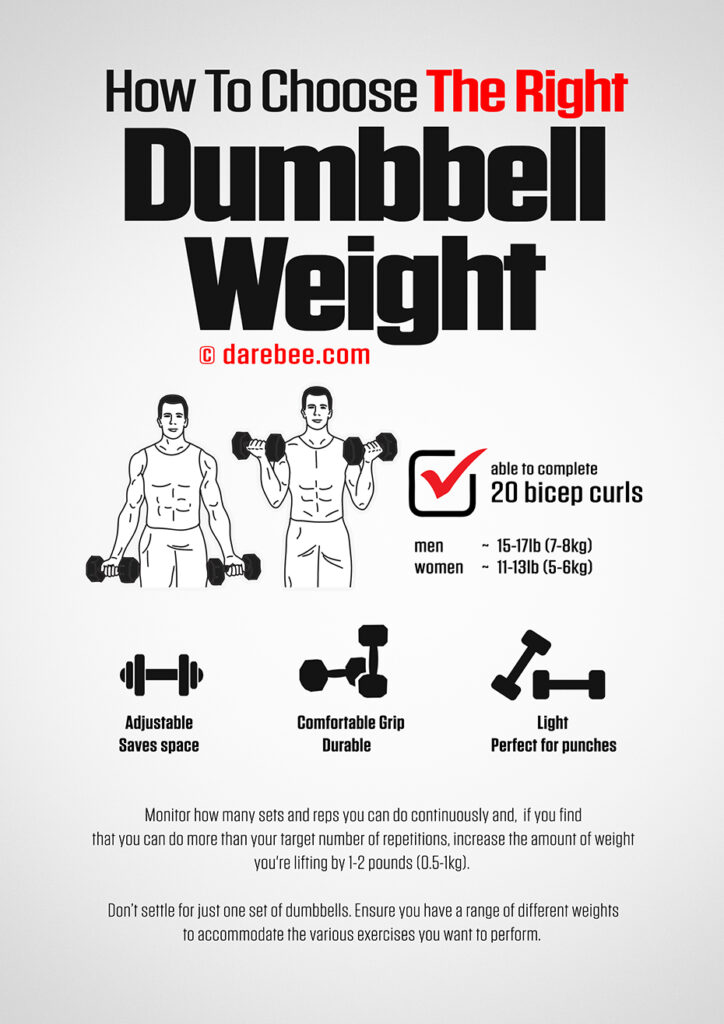
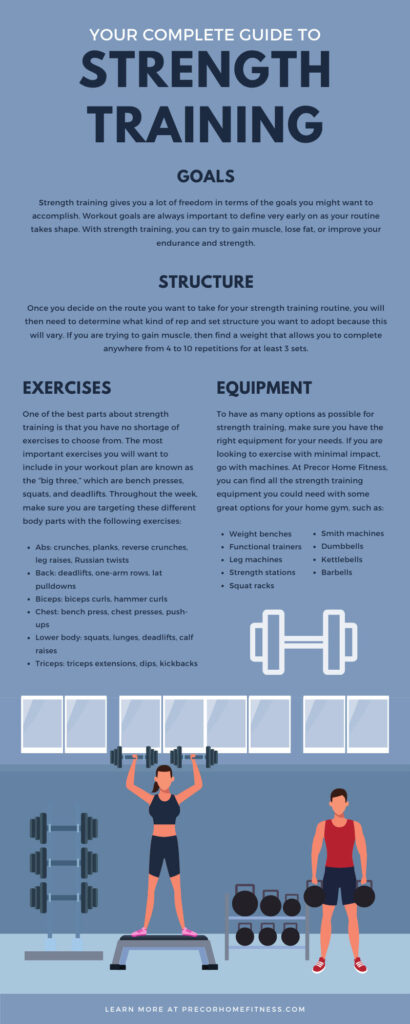
Choosing the right weight range can significantly impact your training effectiveness. Different exercises and fitness levels require varying weight choices.
Beginner
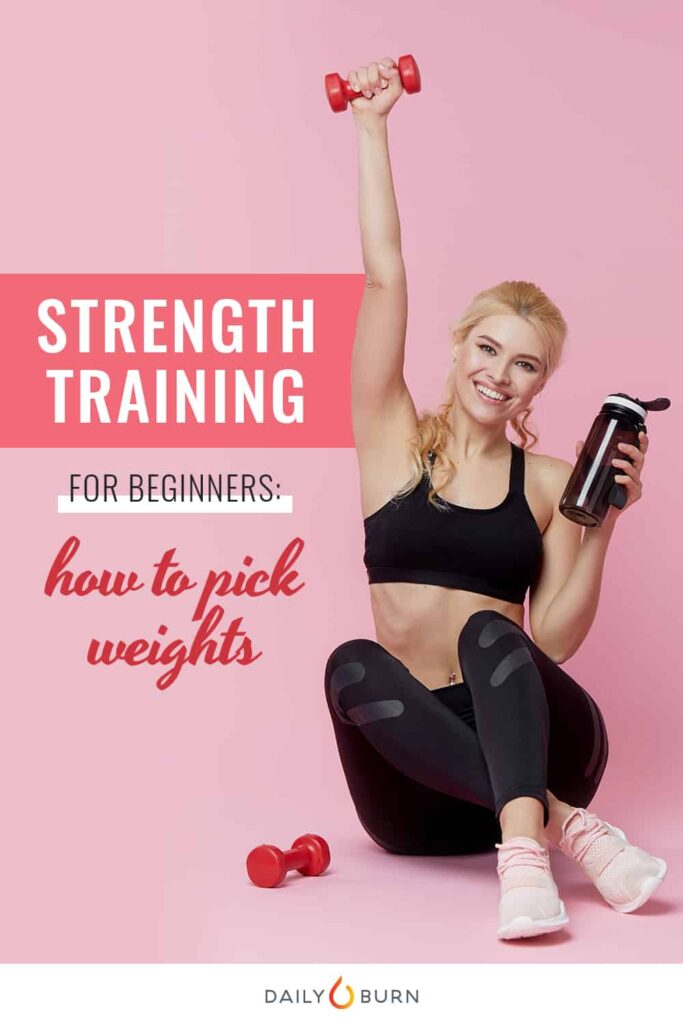
If you are new to strength training, it’s crucial to start with lighter dumbbells to master techniques and avoid injuries.
Suggested weight range: 2–10 pounds for women, 5–15 pounds for men.
Intermediate
Once you’ve built some strength and are comfortable with basic movements, you can transition to heavier weights.
Suggested weight range: 10–20 pounds for women, 15–30 pounds for men.
Advanced
For seasoned lifters, the focus can shift to maintaining or increasing muscle mass and strength, requiring even heavier weights.
Suggested weight range: 20+ pounds for women, 30+ pounds for men.
Safety Considerations
Safety should always be a priority when working with dumbbells. Here are some key tips to keep in mind:
- Check for Wear and Tear: Regularly inspect your dumbbells for any signs of wear, especially if they are coated in rubber or vinyl.
- Maintain Proper Form: Using the correct form can prevent injuries. Don’t hesitate to seek advice from a fitness professional if needed.
- Secure Storage: Ensure that dumbbells are stored safely in a proper rack to prevent them from rolling or being tripped over.
- Gradual Progression: Increase weights gradually to allow your muscles to adapt and avoid strain.
Matching Dumbbells to Workouts
Different workouts may require different types of dumbbells. Understanding the alignment between your training routine and the right dumbbells can optimize your results.
Strength Training
For pure strength training, you’ll likely need a variety of weights to target both small and large muscle groups effectively.
Suggested Dumbbells: Adjustable dumbbells or heavier fixed dumbbells.
High-Intensity Interval Training (HIIT)
HIIT workouts usually involve quick transitions between exercises, so having a versatile and easily accessible set of dumbbells is key.
Suggested Dumbbells: Fixed dumbbells or adjustable dumbbells that are easy to change.
Aerobic Exercises
Lighter dumbbells are usually sufficient for aerobic exercises, providing resistance without hindering your range of motion.
Suggested Dumbbells: Studio dumbbells made from neoprene or vinyl.
Rehabilitation
If you’re recovering from an injury, it’s crucial to use lighter dumbbells to rebuild strength gently and safely.
Suggested Dumbbells: Studio dumbbells or lighter fixed dumbbells.
Budgeting for Dumbbells
Dumbbells can be a significant investment, so it’s essential to balance quality and cost effectively.
Basic Budgeting Tips
- Determine Your Primary Use: Pinpoint the primary use of your dumbbells. If you’re focused on general fitness, you may not need the most expensive set.
- Consider Future Needs: Think about your long-term fitness goals. It may be more cost-effective to invest in a versatile set such as adjustable dumbbells.
- Check Reviews and Brands: Research reputable brands and read customer reviews to ensure you’re getting value for your money.
Price Range Overview
| Price Range | Type of Dumbbells | Ideal For |
|---|---|---|
| Under $50 | Studio dumbbells | Light aerobic exercises, beginners |
| $50 – $200 | Fixed dumbbells, basic adjustable dumbbells | Intermediate lifters, varied workouts |
| $200 – $500 | High-quality adjustable dumbbells | Advanced lifters, long-term investment |
| Above $500 | Specialty or premium dumbbells | Dedicated home gyms, professional use |
Conclusion
Selecting the right dumbbells for your strength training routine doesn’t have to be a daunting task. By understanding the types, materials, weight ranges, and how they fit into your workout and budget, you can make an informed decision that enhances your fitness journey. Remember, the best dumbbells for you are the ones that suit your unique needs, preferences, and goals. Happy lifting!