
Have you ever felt like your deadlift form could use a little tweaking, but you’re not exactly sure where to start? Perfecting your deadlift form can seem like an elusive challenge. Given its complexity and the sheer amount of muscle groups involved, maintaining picture-perfect form while lifting heavy weights requires more than just basic knowledge.
When you step up to the barbell, you’re not just preparing for a lift; you’re engaging in a blend of strength, technique, and core stability. This article delves into advanced techniques that can elevate your deadlift form to the next level.
The Importance of Deadlift Form
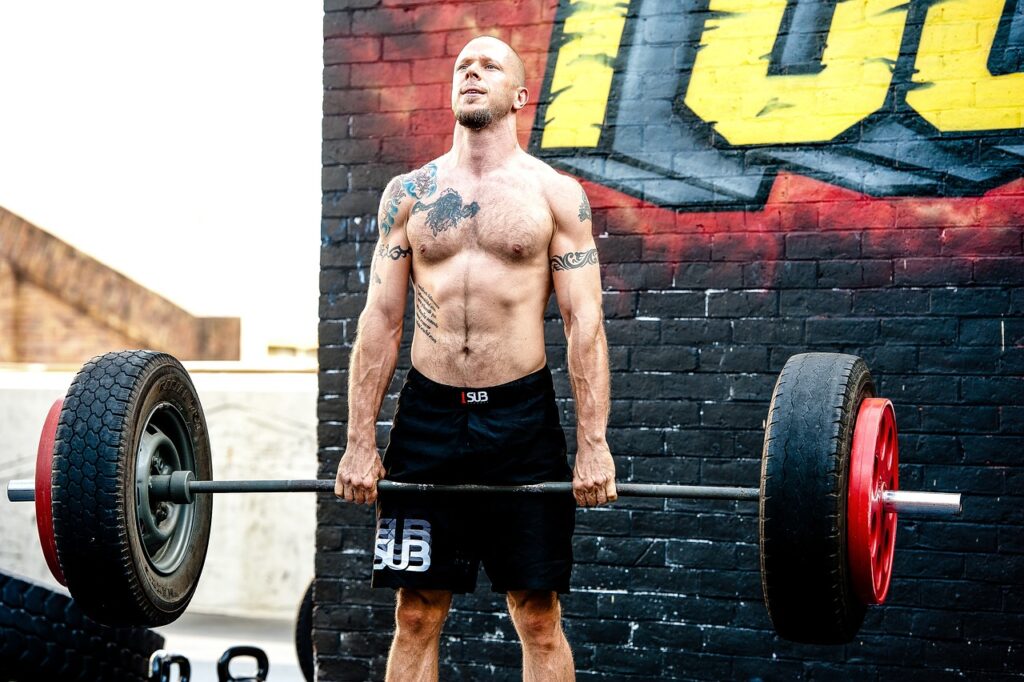
Let’s kick off by understanding why form is critical in deadlifting. The deadlift is one of the most effective exercises for building total body strength, but poor form can lead to serious injuries, such as back strain, herniated discs, or muscle tears. Your form affects muscle engagement, efficiency, and the overall safety of your workout.
Key Benefits of Proper Deadlift Form
| Benefit | Description |
|---|---|
| Injury Prevention | Correct form reduces the risk of strains and injuries to your back, hips, and knees. |
| Muscle Engagement | Optimal form ensures that you’re targeting the correct muscle groups and maximizing their activation. |
| Efficiency and Performance | Proper technique helps you lift heavier weights more efficiently, improving performance and muscular strength over time. |
| Longevity | Good deadlift form ensures you can continue lifting safely and effectively well into your workout journey. |
Assessing Your Current Deadlift Form
Before diving into advanced techniques, it’s crucial to have a clear understanding of where your form currently stands. This often involves self-assessment or getting a coach to evaluate your posture, stance, and movement patterns.
Self-Assessment Techniques
- Video Recording: Recording your lifts from multiple angles can provide valuable insight. Look for round shoulders, exaggerated lower back curvature, or any asymmetry.
- Mirror Work: Use a mirror to observe your form in real-time. It helps in making instant adjustments.
- Feedback: A knowledgeable gym partner or personal trainer can offer immediate critiques.
Identify specific problem areas so that your efforts to improve are more targeted and effective.
Advanced Deadlift Grip Techniques
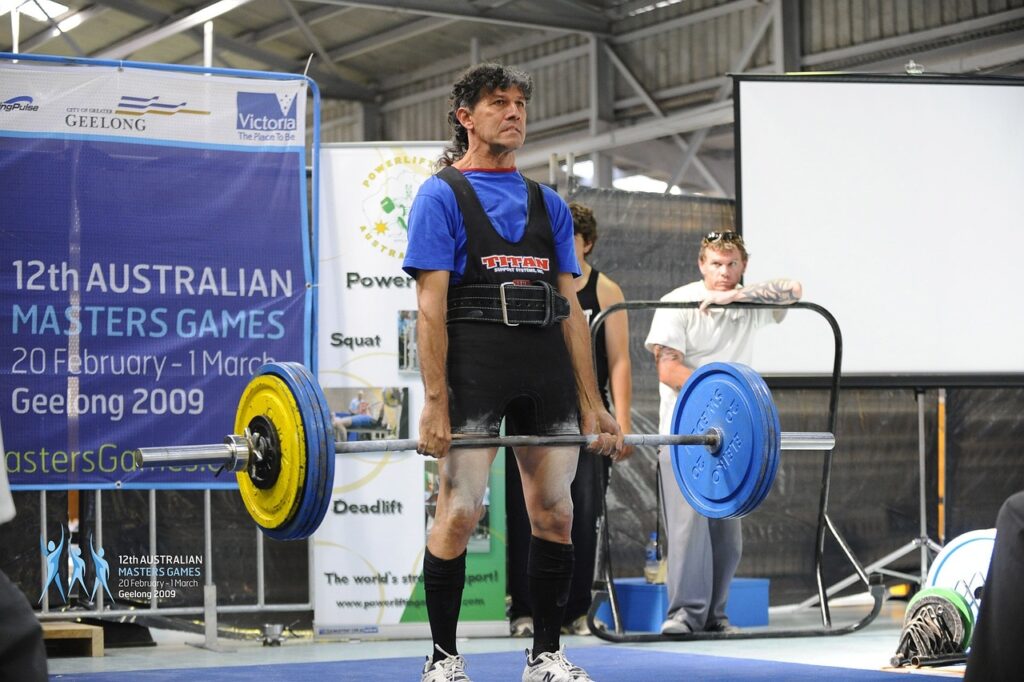
The grip is often overlooked but playing around with different grip techniques can dramatically improve your deadlift. Here are some advanced grip techniques that you can incorporate:
Mixed Grip
Using a mixed grip where one palm faces up and the other down provides added stability and helps to prevent the bar from rolling. However, alternating which hand faces up and down is essential to avoid creating muscular imbalances.
Hook Grip
The hook grip involves wrapping your thumb around the bar first and then wrapping your fingers over the thumb. This technique can be painful initially but provides a strong grip and prevents slippage.
Double Overhand
The double overhand grip, where both palms face your body, is great for ensuring even muscular development. Although it might limit the amount of weight you can lift compared to the mixed grip, practicing it will improve your grip strength over time.
Grip Strength Training
Incorporating exercises like farmer’s walks, wrist curls, and using grip trainers can significantly enhance your grip strength, thereby improving your overall deadlifting performance.
Foot Placement and Stance
Although each person’s ideal stance may vary due to limb lengths and personal comfort, there are some universal principles to consider. Your foot placement and stance can affect your balance, muscle engagement, and lifting mechanics.
Conventional Deadlift Stance
- Feet Position: Position your feet hip-width apart.
- Toe Angle: Point your toes slightly outward to promote hip engagement.
- Bar Position: Position the bar over the middle of your feet, right above the shoelaces.
Sumo Deadlift Stance
- Feet Position: Position your feet wider than shoulder-width apart.
- Toe Angle: Point your toes outward at a 30-45 degree angle.
- Bar Position: Position the bar closer to your shins, almost touching.
Stance Adjustments
Sometimes minor adjustments can make a huge difference. If you feel more pressure on one leg than the other, try shifting your weight slightly or readjusting your foot placement.
Core and Breathing Techniques
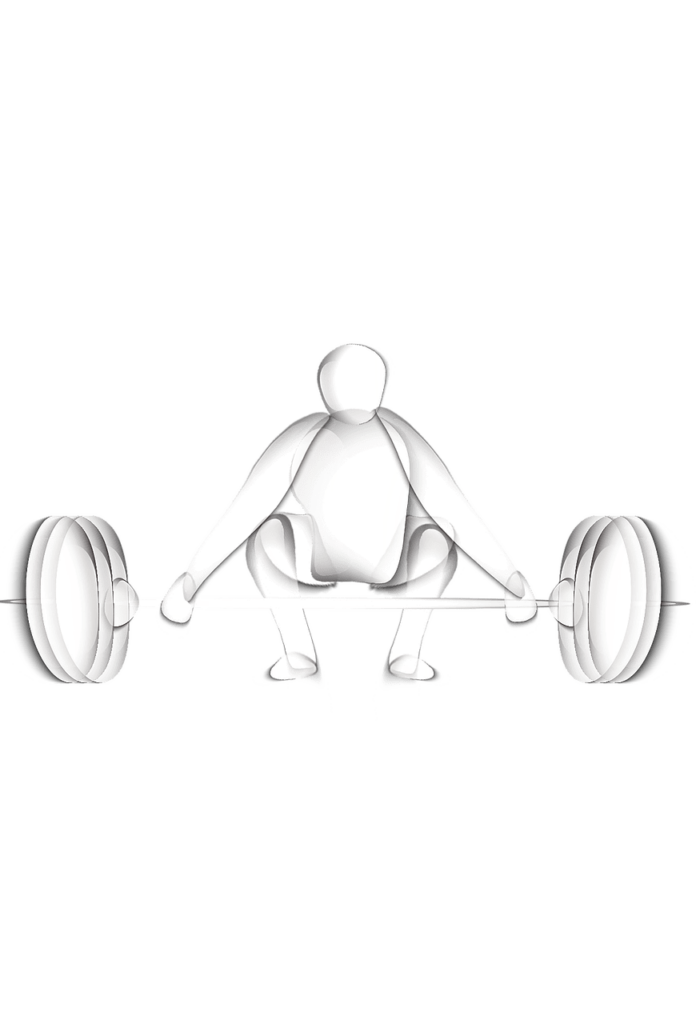
Core stability and proper breathing techniques are essential for maintaining control and preventing injuries during your deadlift.
Core Engagement
- Bracing: Before lifting, take a deep breath and tighten your core as if you’re preparing to take a punch. This will protect your spine.
- Valsalva Maneuver: Hold your breath while pushing your diaphragm against your stomach, creating internal pressure that stabilizes your torso.
Breathing Techniques
- Inhale Before Lifting: Take a deep breath and hold it before you lift the bar.
- Exhale After Lockout: Exhale forcefully once you’ve reached the lockout position to maintain core stability throughout the lift.
Upper Body Positioning
Your upper body positioning plays a pivotal role in achieving a good deadlift form. Proper shoulder alignment and back posture ensure that the load is distributed evenly and reduces the risk of injury.
Shoulder Positioning
- Keep Them Back and Down: Retract your shoulders slightly to engage your upper back muscles.
- Align with Hips: Your shoulders should be over or slightly in front of the bar but in line with your hips.
Back Posture
- Neutral Spine: Maintain a natural curve in your spine. Avoid excessive rounding or arching.
- Tight Upper Back: Keep your upper back tight to prevent the shoulders from rounding forward.
Head Position
- Neutral Head: Keep your head in a neutral position, looking slightly ahead rather than up or down.
- Alignment: Your head should align with the spine, maintaining a straight line from the top of your head to your tailbone.
Utilizing Advanced Auxiliary Exercises
Supplementing your deadlift routine with auxiliary exercises helps to strengthen weak points and improve overall form and efficiency.
Romanian Deadlifts (RDLs)
RDLs target the hamstrings and glutes, essential for the lockout phase of the deadlift. They also reinforce proper hip hinge mechanics.
Deficit Deadlifts
Performing deadlifts from a slight elevation (standing on a platform) increases your range of motion and helps in building strength from the bottom phase of the lift.
Rack Pulls
Rack pulls focus on the top half of the deadlift, helping improve lockout strength. This exercise allows you to handle heavier weights compared to full-range deadlifts.
Hip Thrusts
Hip thrusts intensify the engagement of the glutes, aiding in a powerful lockout and promoting hip strength, crucial for deadlifting.
Bent-Over Rows
Rows build the upper back strength necessary for maintaining proper form throughout your deadlift.
Advanced Programming: Combining Strength and Technique
Once you’ve mastered the basics and incorporated some auxiliary exercises, it’s time to structure an advanced training program that combines strength and technique refinements.
Periodization
Implement periodization by varying the intensity and volume of your workouts. Alternate between strength phases (low reps, high weight) and technique/endurance phases (high reps, low weight).
Progressive Overload
Gradually increase the weights you lift while maintaining impeccable form. Ensure that you’re challenging your muscles without compromising on technique.
Technique Drills
Incorporate specific technique drills focused on different aspects of the deadlift. These drills can involve practicing certain phases of the lift using lighter weights or bands for added resistance.
Common Mistakes and How to Fix Them
Understanding common deadlift mistakes and how to fix them will further refine your form and prevent injuries.
Rounded Back
Solution: Strengthen your core and upper back using planks, rows, and hyperextensions. Always activate your core before lifting.
Hips Rising Too Fast
Solution: Focus on the simultaneous extension of your hips and knees. Improving quad strength with leg presses and front squats can help.
Bar Moving Away From the Body
Solution: Keep the bar close to your body at all times. Ensure your lats are engaged by thinking about “bending the bar.”
Inefficient Lockout
Solution: Work on your glute strength with hip thrusts and glute bridges.
Mental Strategies for Perfecting Form
Lastly, your mental approach significantly influences your physical performance. Mental strategies can focus your attention on form, enhancing your deadlifting results.
Visualization
Before you approach the bar, visualize each step of the lift, from setup to lockout. Imagine yourself performing the lift with perfect form.
Mind-Muscle Connection
Focus on the muscles you’re engaging during the lift. This heightened awareness ensures better form and efficiency.
Cueing
Develop personal cues that remind you to engage certain muscles or maintain proper posture. For example, “chest up,” “engage lats,” or “hips through.”
Implementing Feedback
Receiving and using feedback effectively can dramatically improve your deadlift form. Whether it’s from a coach, a video analysis, or your self-assessment, understanding and implementing this feedback is crucial.
Regular Check-ins
Set a regular schedule for form assessments and feedback. This ensures continuous improvement and helps to correct minor mistakes before they become ingrained habits.
Record and Compare
Regularly record your lifts and compare them over time. Note any improvements or areas that need further work.
Accountability Partner
Having a workout partner to observe and provide immediate feedback ensures you maintain proper form throughout every rep.
Customizing Your Deadlift Approach
Every lifter is different, and perfecting your deadlift requires a personalized approach. Tailor the techniques and tips above to suit your body mechanics, goals, and limitations.
Body Mechanics
Consider the lengths of your limbs, flexibility, and natural stance when customizing your deadlift form. Small adjustments can lead to significant improvements.
Goals and Objectives
Whether your goal is to lift the maximum weight, improve athletic performance, or enhance muscular development, your approach to deadlift training should reflect these objectives.
Limitations
Work within your limits and gradually push them. If you have any existing injuries or mobility issues, adjust your form or seek professional advice to prevent further complications.
Conclusion
Perfecting your deadlift form is an ongoing journey that requires a blend of advanced techniques, consistent practice, and mindful adjustments. From grip and foot placement to core engagement and mental strategies, every aspect plays a role in achieving a flawless deadlift. Keep assessing, tweaking, and progressing, and you’ll see noticeable improvements in your performance and overall strength.