
Have you ever wondered how to take your yoga practice to the next level in terms of flexibility and strength? If you’re already familiar with foundational poses and feel ready to challenge yourself, you’re in the right place. This guide will introduce you to advanced yoga poses that can significantly enhance your flexibility and strength.
Understanding Yoga Progression
Embarking on the journey to advanced yoga poses requires a solid understanding of your current capabilities and readiness to grow. Advanced poses are more demanding and necessitate not only physical strength but also mental focus, balance, and flexibility. It’s important to listen to your body and progress at your own pace.
Assessing Your Readiness
Before diving into advanced poses, it’s crucial to assess whether you are physically prepared. Do you feel confident in performing intermediate poses without experiencing discomfort or strain? If so, you might be ready to take on more advanced challenges.
Warm-Up Routine
A proper warm-up is essential to prevent injuries and prepare your body for the demanding positions ahead. Ensure your warm-up covers:
- Gentle joint movements
- Dynamic stretches
- Gradual muscle activation exercises
Advanced Yoga Poses
Let’s discuss several advanced yoga poses designed to boost both flexibility and strength. Each pose addresses different aspects of physical and mental endurance.
Handstand (Adho Mukha Vrksasana)
The Handstand is an exemplary pose for building upper body strength, enhancing core stability, and honing balance. It’s a doorway to many other advanced inversions.
Steps to Achieve Handstand:
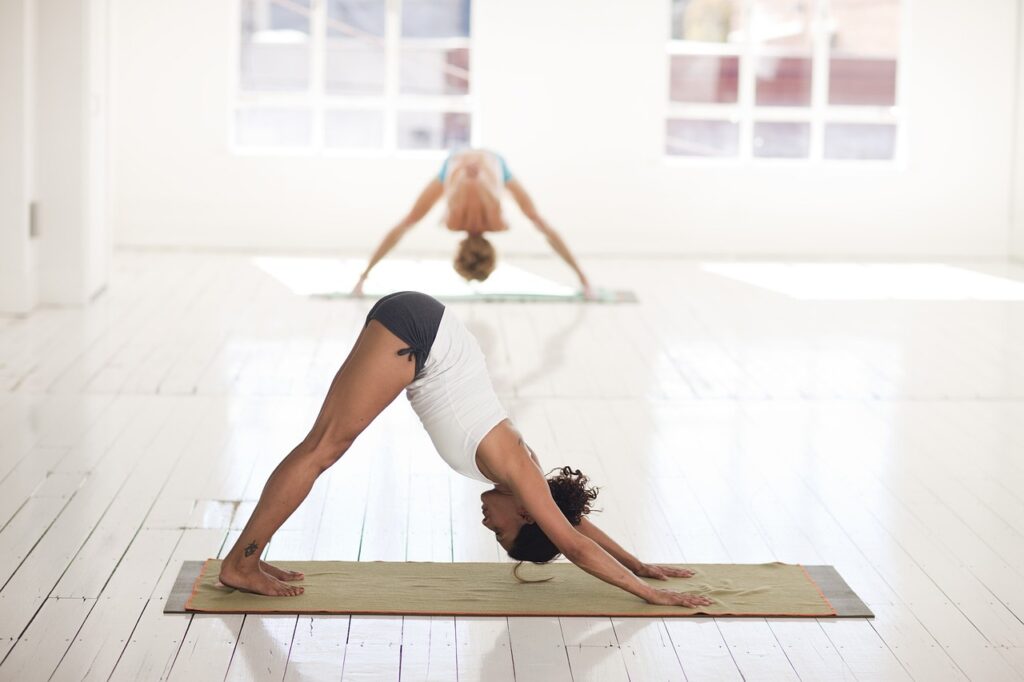
- Starting Position: Begin in Downward-Facing Dog (Adho Mukha Svanasana).
- Preparation: Step both feet closer to your hands to shorten the distance.
- Kick Up: Lift one leg into the air and, with a controlled kick, bring the other leg up to meet it.
- Balancing: Engage your core and use your fingers to maintain balance.
Be sure to practice against a wall initially for support until you gain confidence.
King Pigeon Pose (Kapotasana)
The King Pigeon Pose deeply stretches the hip flexors, psoas, and quadriceps while enhancing spinal flexibility.
Steps to Achieve King Pigeon Pose:
- Starting Position: Begin in a lunge position with your back leg extended straight behind you.
- Hip Placement: Lower your front leg into Pigeon Pose (Eka Pada Rajakapotasana).
- Backbend: Gradually arch your back and reach your hands toward your back foot.
- Final Position: With time, you may be able to hold your back foot with both hands or deepen the stretch further.
Side Crow (Parsva Bakasana)
The Side Crow is excellent for developing arm strength and balance. It also requires considerable core engagement.
Steps to Achieve Side Crow:
- Starting Position: Begin in a squatted position with your knees together.
- Twist: Swing your torso to one side, placing your elbow on the outside of one knee.
- Lift and Balance: Gently shift your weight forward onto your hands, and lift your feet off the ground while keeping your core engaged.
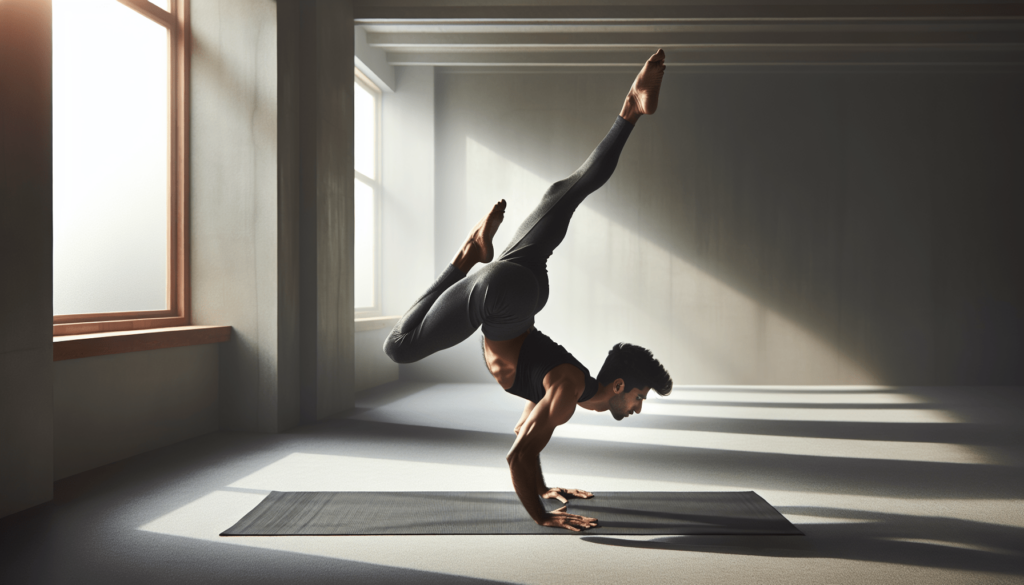
Forearm Stand (Pincha Mayurasana)
The Forearm Stand is an advanced inversion that requires shoulder strength, core stability, and wrist flexibility.
Steps to Achieve Forearm Stand:
- Starting Position: Begin in Dolphin Pose (Ardha Pincha Mayurasana).
- Preparation: Gradually walk your feet toward your elbows.
- Kick Up: Lift one leg into the air and, with a controlled motion, bring the other leg up.
- Balancing: Engage your core and press into your forearms for balance.
Building Flexibility
Increasing flexibility demands consistent practice and patience. Flexibility isn’t just about muscles; it involves understanding and gradually stretching connective tissue and joints.
Techniques to Enhance Flexibility
- Dynamic Stretching: Incorporate movements like leg swings and arm circles before diving into static stretches.
- Static Stretching: Hold stretches for longer durations, typically between 30 seconds to a minute.
- Proprioceptive Neuromuscular Facilitation (PNF): This involves stretching a muscle to its limit, then contracting it for a few seconds before stretching further.
Sample Stretching Routine
| Muscle Group | Poses to Consider | Recommended Hold Time |
|---|---|---|
| Hamstrings | Standing Forward Bend | 30-60 seconds per side |
| Hips | Pigeon Pose | 30-60 seconds per side |
| Shoulders | Thread the Needle | 30-60 seconds per side |
| Back | Seated Forward Bend | 30-60 seconds |
| Quadriceps | King Pigeon Pose variations | 30-60 seconds per side |
Building Strength
Muscular strength is an integral part of performing advanced yoga poses safely and effectively. Utilize various poses to target different body areas, ensuring balanced development.
Techniques to Build Strength
- Progressive Overload: Gradually increase the intensity and duration of your practice to steadily build strength.
- Isometric Holds: Incorporate poses where you hold positions for extended periods, like Plank or Boat Pose.
- Repetition and Consistency: Consistently practice poses that challenge your muscles regularly.
Sample Strength-Building Routine
| Pose | Muscle Targeted | Recommended Reps/Duration |
|---|---|---|
| Plank Pose | Core, Shoulders | Hold for 1-2 minutes |
| Chaturanga Dandasana | Chest, Triceps, Shoulders | Perform 10-15 reps |
| Warrior III (Virabhadrasana III) | Hamstrings, Glutes, Core | Hold for 1 minute each side |
| Boat Pose (Navasana) | Core | Hold for 1-2 minutes |
| Dolphin Pose | Shoulders, Core | Hold for 1-2 minutes |
Combining Flexibility and Strength
In yoga, flexibility and strength aren’t mutually exclusive; they complement each other. Improved flexibility can enhance range of motion, making it easier to access strength in various positions. Likewise, increased strength helps support deeper stretches, protecting joints and preventing injuries.
Balancing Flexibility and Strength
A balanced approach to yoga ensures that neither flexibility nor strength is neglected. Incorporate a variety of poses that cater to both aspects within your practice.
Sample Balanced Yoga Sequence
-
Start with a Warm-Up
- Dynamic stretches to awaken the body
- Gentle joint movements
-
Standing Poses
- Warrior I and II: Build strength and enhance flexibility in hips and legs
- Triangle Pose: Stretches the sides of your body and strengthens legs
-
Seated Poses
- Seated Forward Bend: Enhance hamstring flexibility
- Seated twists: Improve spinal flexibility
-
Inversions and Balances
- Handstand: Build upper body and core strength
- Forearm Stand: Enhance shoulder stability and core strength
-
Cool Down and Stretch
- Pigeon Pose: Stretch hips deeply
- Child’s Pose: Gentle stretch to relax and restore
Integrating Mindfulness
While practicing advanced yoga poses, remember that mindfulness plays a pivotal role. Pay attention to your breath, it can significantly impact your ability to maintain balance and hold poses for longer durations. Mindful breathing helps synchronize movements, enhancing both your practice’s rhythm and effectiveness.
Safety Tips for Advanced Yoga Poses
Safety should always be a top priority, especially when attempting advanced yoga poses. Here are some guidelines to keep in mind:
Listening to Your Body
Avoid pushing through pain or discomfort. Distinguish between feeling a deep stretch and encountering sharp pain, the latter indicates the need to stop and reassess.
Using Props
Props like blocks, straps, and bolsters can provide necessary support and assist in achieving the correct alignment in challenging poses.
Seeking Guidance
If you’re uncertain about a pose or its progression, consider taking classes with a certified yoga instructor. They can provide personalized guidance and corrections.
Integrating Advanced Poses into Regular Practice
Introducing advanced poses into your routine requires planning. Consider these steps for effective integration:
Frequency
Start with practicing advanced poses 2-3 times per week, gradually increasing the frequency as you build strength and flexibility.
Duration
Dedicate a portion of your practice specifically to focus on mastering advanced poses. A balanced practice could look like:
- Warm-up: 10-15 minutes
- Regular Poses: 30 minutes
- Advanced Poses: 15-20 minutes
- Cool Down: 10-15 minutes
Consistency
Achieving proficiency in advanced yoga poses necessitates consistency. Regular practice ensures your body becomes accustomed to the challenges, resulting in improved performance and reduced injury risk.
Mental Preparation and Growth
Yoga is as much a mental practice as it is a physical one. Developing advanced skills requires persistent mental focus and resilience.
Building Mental Strength
- Visualization: Envision yourself performing the pose successfully to build confidence and focus.
- Mindfulness: Stay present during your practice to better understand and respect your body’s limits.
- Patience: Accept that progress might be slow. Celebrate small victories and improvements.
Overcoming Mental Blocks
It’s common to face mental barriers when progressing to advanced poses. Here are strategies to overcome these hurdles:
- Break it Down: Tackle complex poses by breaking them into smaller, manageable components.
- Positive Reinforcement: Encourage yourself with positive thoughts and affirmations.
- Rest and Recover: Ensure you incorporate rest days into your routine to allow your body and mind to recover and grow stronger.
Advanced Yoga Community
Engaging with a community can greatly enhance your practice. Whether through in-person classes or online platforms, connecting with fellow practitioners can offer support, inspiration, and motivation.
Benefits of a Yoga Community
- Support and Encouragement: Share your progress and setbacks, gain insights and encouragement from others.
- Learning: Observing skilled practitioners can provide helpful visual guidance.
- Motivation: Practicing with others can drive you to stay committed and challenge yourself further.
Online Resources
Consider subscribing to online yoga platforms offering classes and tutorials focused on advanced poses. YouTube channels, websites, and apps can be particularly useful for supplementary guidance and practice.
Conclusion
Advanced yoga poses for increased flexibility and strength are attainable goals with dedication, mindfulness, and the right approach. Remember that yoga is a journey, not a destination. Appreciate each step of your progress, honor your body’s capabilities, and nurture both physical and mental growth through your practice.
Achieving mastery over advanced poses is a rewarding experience, adding depth and richness to your yoga journey. Enjoy the process, and celebrate every milestone along the way. Keep practicing, stay safe, and embrace the challenges with an open heart and mind. Your journey to enhanced flexibility and strength through advanced yoga poses is bound to be transformative and enriching.