
Have you ever looked at those uniquely shaped weights in the gym and wondered how to incorporate them into your fitness routine? If so, you’re not alone. Kettlebells can seem intimidating at first, with their cannonball-like appearance and thick handles. However, they offer a versatile and effective way to improve your strength, endurance, and overall fitness.
What is a Kettlebell?
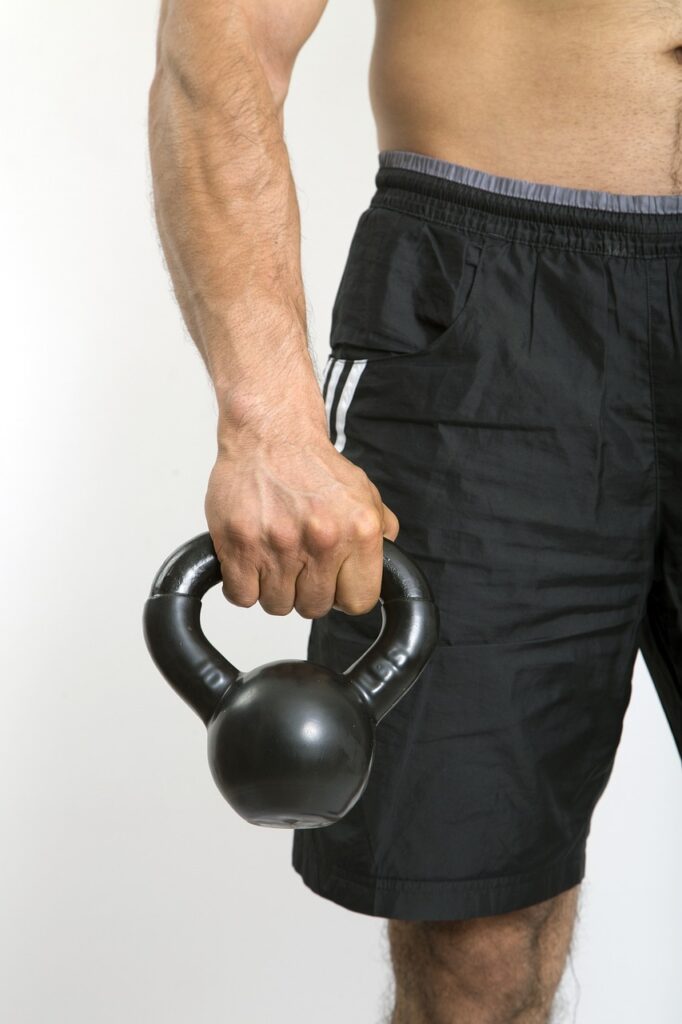
A kettlebell is a cast-iron or steel weight that looks like a cannonball with a handle. Originating in Russia in the 1700s, kettlebells have become a popular tool for strength training around the world. Unlike traditional dumbbells, kettlebells have a center of mass that extends beyond your hand, which makes them perfect for exercises involving swinging, deadlifts, squats, and even some forms of cardio.
Benefits of Kettlebell Workouts
Full-Body Engagement
One of the biggest advantages of kettlebell exercises is that they target multiple muscle groups at once. When you perform a kettlebell swing, for example, you’re engaging your legs, hips, core, and arms all at once.
Improve Cardio and Strength Simultaneously
Kettlebell workouts can elevate your heart rate, making them effective for cardiovascular conditioning and strength training at the same time. This dual benefit allows you to build muscle while also improving your endurance.
Functional Fitness
Kettlebell training improves your functional fitness, which is your ability to perform daily activities safely and efficiently. These exercises mimic real-world movements, helping you to become more agile and coordinated.

Choosing the Right Kettlebell
Weight Guide
The weight of the kettlebell you choose is crucial for a successful workout. Here’s a simple table to help guide you:
| Experience Level | Suggested Weight (Women) | Suggested Weight (Men) |
|---|---|---|
| Beginner | 8-12 kg (18-26 lbs) | 16-20 kg (35-44 lbs) |
| Intermediate | 12-16 kg (26-35 lbs) | 20-24 kg (44-53 lbs) |
| Advanced | 16+ kg (35+ lbs) | 24+ kg (53+ lbs) |
Handle Width
The handle width is also an important consideration. You want to ensure that the handle is wide enough for a comfortable and secure grip but not too wide that it becomes difficult to handle when performing exercises.
Essential Kettlebell Exercises
Kettlebell Swing
The kettlebell swing is the cornerstone of kettlebell training. This exercise primarily targets the posterior chain, including your glutes, hamstrings, and lower back.
- Steps:
- Stand with feet shoulder-width apart.
- Hold the kettlebell with both hands between your legs.
- Bend your knees slightly and drive your hips back.
- Swing the kettlebell upwards to shoulder height, using the momentum generated by your hips.
- Let the kettlebell swing back down and repeat.
Goblet Squat
This exercise works your quads, hamstrings, glutes, and core.
- Steps:
- Hold the kettlebell by the horns close to your chest.
- Stand with your feet slightly wider than shoulder-width apart.
- Lower your body into a squat, keeping your chest up and back straight.
- Push through your heels to return to a standing position.
Kettlebell Deadlift
Great for targeting the lower body, the deadlift also helps to strengthen your grip, core, and back.
- Steps:
- Place the kettlebell on the ground between your feet.
- With your feet shoulder-width apart, bend at your hips and knees to grasp the kettlebell handle.
- Keep your back flat and shoulders down.
- Stand up, extending your hips and knees fully.
- Lower the kettlebell back to the ground in a controlled motion and repeat.
Kettlebell Clean and Press
This advanced move combines strength, power, and coordination.
- Steps:
- Start from a squat position with the kettlebell on the ground.
- Perform a clean by bringing the kettlebell to your shoulder in one smooth motion.
- From here, press the kettlebell overhead.
- Lower back to the starting position and switch arms.
Turkish Get-Up
The Turkish get-up is a full-body exercise that enhances mobility, stability, and strength.
- Steps:
- Lie on your back holding the kettlebell in one hand above your chest.
- Bend the corresponding knee, keeping the opposite leg extended.
- Rise onto your other elbow and then your hand.
- Push through your heel to lift your hips off the ground.
- Sweep the straight leg back into a kneeling position.
- Stand up from the lunge position.
- Reverse the steps to return to the starting position.
Structuring Your Kettlebell Workout
Warm-Up
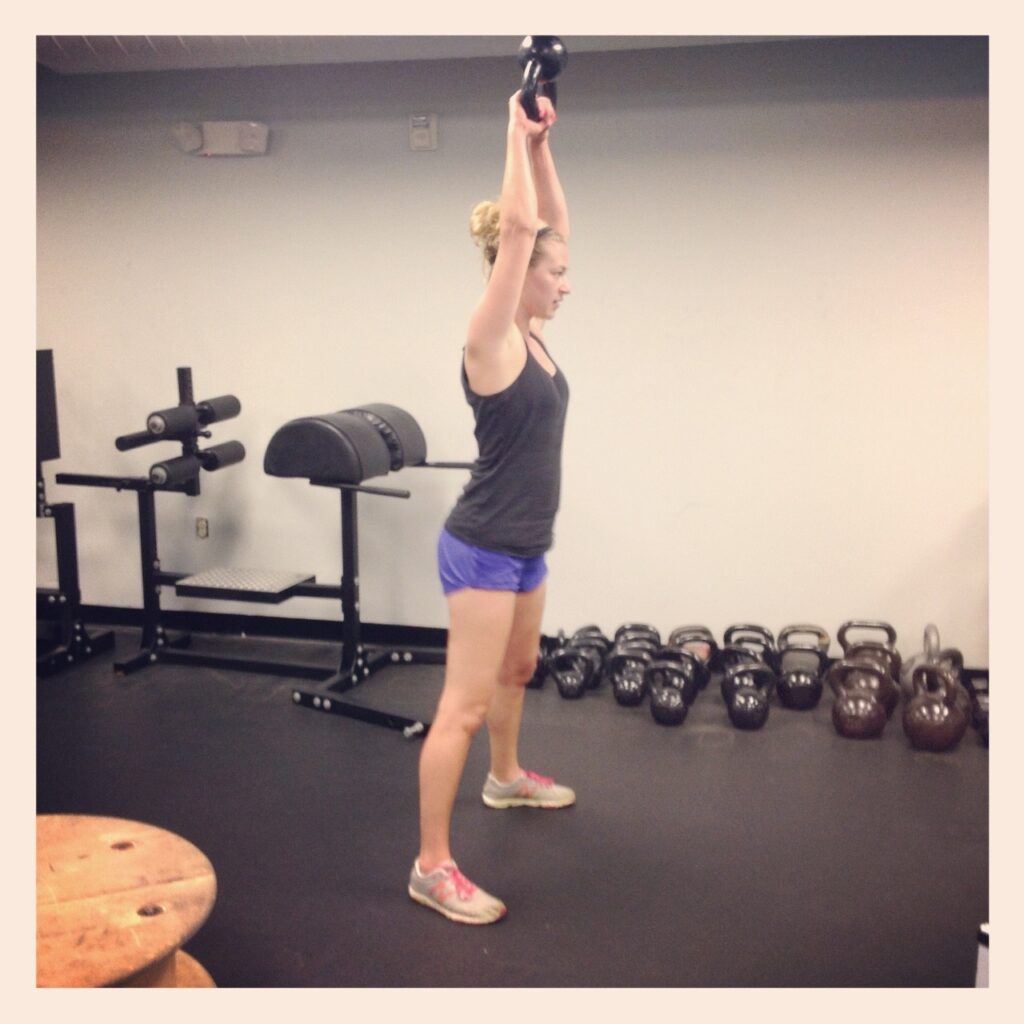
Always start with a good warm-up to prepare your muscles and joints for the workout. Consider a combination of dynamic stretches and light cardio, such as jumping jacks or high knees, for at least 5-10 minutes.
The Main Workout
For beginners, a simple full-body workout routine using the basic kettlebell exercises could look like this:
- Kettlebell Swing: 3 sets of 12-15 reps
- Goblet Squat: 3 sets of 10-12 reps
- Kettlebell Deadlift: 3 sets of 10-12 reps
- Kettlebell Clean and Press: 3 sets of 8-10 reps (each arm)
- Turkish Get-Up: 3 sets of 3-5 reps (each side)
Cool Down
Finish your workout with a cool-down phase. This should include static stretching, focusing on the muscle groups you’ve worked, and some deep breathing exercises to help bring your heart rate back to normal.
Safety Tips
Start Slow
Begin with lighter weights and gradually increase as your strength and technique improve. Beginning with too much weight can lead to improper form and injury.
Proper Form
Maintaining proper form is crucial in any exercise, but it’s especially important with kettlebells due to their dynamic nature. Take your time to learn each movement correctly before adding more weight or reps.
Keep a Grip
A strong grip is vital for kettlebell exercises. Always make sure you’re holding the kettlebell securely, and check the condition of the handle for any signs of wear or damage.
Incorporating Kettlebells into Your Fitness Routine
Define Your Goals
Determining what you want to achieve will guide how you incorporate kettlebells into your routine. Are you aiming for weight loss, muscle gain, or improved athletic performance?
Balance with Other Training
Incorporating kettlebells doesn’t mean neglecting other forms of training. Balance your weeks with a mix of kettlebell workouts, weight lifting, cardio, and flexibility exercises.
Frequency
For beginners, 2-3 kettlebell sessions per week is a good start. As you become more comfortable and your muscles adapt, you can increase the frequency or the intensity of your workouts.
Nutrition and Recovery
Balanced Diet
Eating a balanced diet rich in protein, healthy fats, and carbohydrates is essential for muscle recovery and energy levels. Hydrate well before, during, and after workouts.
Rest and Recovery
Never underestimate the power of rest. Allow your muscles at least 48 hours to recover before targeting the same muscle groups with another intense workout.

Common Mistakes to Avoid
Overcomplicating Workouts
Stick to the basics initially. Mastering the core exercises will provide a strong foundation before moving on to more complex routines.
Ignoring Pain
Pain is a signal that something isn’t right. If you experience any sharp or persistent pain, stop the exercise and consult a professional.
Skipping Warm-Ups and Cool Downs
Warm-ups and cool-downs are vital for preventing injuries and promoting recovery. Skipping these steps can lead to strains and other injuries.
Conclusion
Kettlebells are a fantastic addition to any fitness routine, offering a unique blend of strength and cardio benefits. By starting with the basics, focusing on proper form, and gradually increasing the complexity of your workouts, you can use kettlebells to transform your fitness journey.
Whether your goal is to lose weight, build muscle, or simply become more active, kettlebell training can help you achieve your objectives. So grab a kettlebell, focus on the fundamentals, and enjoy the process of becoming fitter, stronger, and more agile!