
Beginner’s Guide to Meal Prepping for Success
Ever feel like you’re constantly scrambling to figure out what’s for dinner? It’s a common problem, but what’s the solution? Meal prepping might just be your answer! Meal prepping can save you time, minimize stress, and help you stick to a healthier diet.

What is Meal Prepping?
Meal prepping simply means preparing meals or meal components ahead of time. Whether you’re a busy professional, a parent managing a household, or just someone looking to eat healthier, meal prepping offers a structured way to attain your food goals.
Why Consider Meal Prepping?
Understanding the benefits can motivate you to adopt this practice. Here are some compelling reasons:
- Time-saving: Spend a few hours prepping and save time during the week.
- Healthier choices: Having prepped meals means you’re less likely to opt for unhealthy takeout.
- Cost-efficient: Reduce food waste and save money by purchasing and preparing only what you need.
- Stress reduction: Eliminate the daily stress of deciding what to eat.
Steps to Get Started
Getting started with meal prepping does not have to be complicated. Follow these steps to make the process smooth and manageable.
Step 1: Planning Your Meals
Planning is the cornerstone of successful meal prepping. Decide which meals you want to prep for the week—breakfast, lunch, dinner, or all three.
- Choose Recipes: Start with recipes that are simple and nutritious.
- Create a Menu: Write down your menu for the week.
- Grocery List: Make a comprehensive grocery list based on your menu to ensure you buy everything you need in one trip.
Step 2: Shopping Smart
Smart shopping will make the prepping process efficient and stress-free. Here are some tips:
- Stick to Your List: It can be tempting to buy extra items, but sticking to your list helps control costs and reduces waste.
- Buy in Bulk: Items like grains, legumes, and frozen vegetables are often cheaper when bought in bulk.
- Seasonal Produce: Opt for seasonal vegetables and fruits as they are often fresher and cheaper.
Step 3: Prepping Ingredients
With your groceries in hand, it’s time to start prepping. Here’s how to tackle it step by step:
- Batch Cooking: Prepare large amounts of proteins like chicken, beef, or tofu that can be used in multiple meals.
- Chop Vegetables: Cut vegetables for the week; you can store them in containers or zip-lock bags.
- Cook Grains: Make a batch of rice, quinoa, or pasta that can be mixed and matched with your proteins and vegetables.
Step 4: Assembling Meals
Now that all your ingredients are prepped, you can begin assembling your meals. This can be done in several ways:
- Single Serving Meals: Pre-portioned meals that you can grab and go.
- Family Style: Larger containers where everyone can serve themselves.
- Mix and Match: This system involves storing ingredients separately and mixing and matching throughout the week.
Step 5: Storing Meals
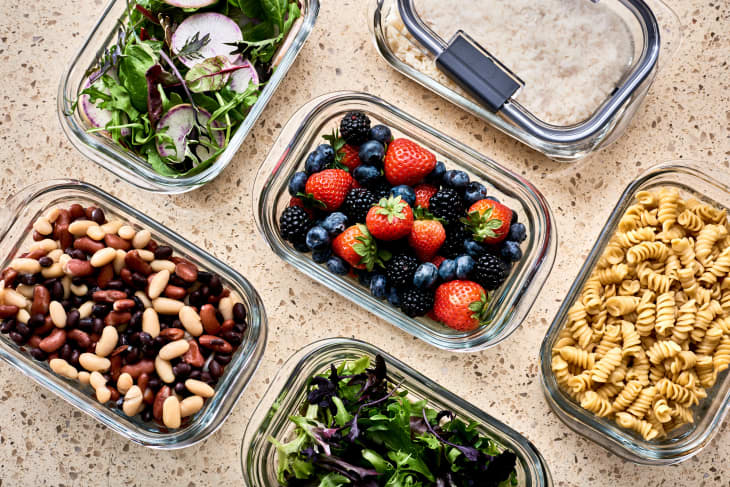
Proper storage is crucial to keep your meals fresh and tasty. Consider these methods:
| Storage Type | Best For | Tips |
|---|---|---|
| Glass Containers | Reheating in oven | Non-toxic, won’t retain food smells |
| Plastic Containers | Freezing meals | Lightweight, but choose BPA-free |
| Zip-lock Bags | Snack portions | Space-saving, but ensure proper sealing |
Meal Prepping Tips for Beginners
Starting out might seem overwhelming, but these tips can help make the process smoother.
Start Small
Begin with prepping for one or two meals a week. Once you get the hang of it, you can gradually increase the number of meals.
Invest in Quality Containers
Good containers will last longer, keep your food fresh, and make storage simpler. It’s worth investing in high-quality, durable containers.
Use Versatile Ingredients
Ingredients that can be used in multiple dishes offer you more flexibility and variety. Think about items like chicken, bell peppers, and quinoa which can be easily mixed with different sauces and seasonings.
Label Your Meals
Labelling containers with the date and contents will not only help you quickly identify meals but also help keep track of freshness.
Meal Prepping Ideas
Variety is the spice of life, and this applies to meal prepping as well. Here are some ideas to get you going.
Breakfast
- Overnight Oats: Mix oats with milk or yogurt and add toppings like fruits and nuts.
- Egg Muffins: Bake a batch with veggies and cheese. They’re easy to reheat and great for breakfast on the go.
- Smoothie Packs: Freeze pre-portioned fruits and veggies, just add liquid and blend in the morning.
Lunch
- Mason Jar Salads: Layer your ingredients to keep them fresh – dressing at the bottom, sturdy veggies next, followed by lighter ingredients.
- Grain Bowls: Combine cooked grains with vegetables, a protein, and a tasty sauce.
- Wraps and Sandwiches: Pre-make these and store them separately from any sauces or dressings to avoid sogginess.
Dinner
- Stir-Fry Kits: Pre-cut veggies and protein, then toss together in a pan for a quick, healthy dinner.
- Casseroles: Dish out hearty casseroles that can be made ahead and reheated.
- Sheet Pan Dinners: Load up a baking sheet with protein and veggies. These can be prepped and cooked together for minimal cleanup.
Snacks
- Energy Balls: Combine oats, nut butter, honey, and any add-ins like chocolate chips or dried fruits.
- Pre-portioned Nuts and Seeds: Great for a quick, healthy snack.
- Veggie Sticks and Hummus: Prep vegetables and store in containers ready to be dipped.

Common Challenges and How to Overcome Them
Every new process comes with its own set of challenges. Here are some common issues and how to navigate them.
Boredom with Meals
Boredom can be a meal prep killer. Keep things interesting by:
- Rotating breakfast, lunch, and dinner recipes each week.
- Experimenting with different spices and seasonings.
- Trying out new cuisines to vary your ingredients and flavors.
Lack of Time for Prepping
Feeling like you don’t have time? Try these tips:
- Break it down: Prepping doesn’t have to be a marathon session. Break it into smaller tasks that you can tackle throughout the week.
- Double-duty cooking: When you’re making dinner, use the downtime (like when something is baking) to chop vegetables or cook grains for later in the week.
- Make use of appliances: Slow cookers and Instant Pots can be lifesavers for hands-free cooking.
Food Spoilage
Worried about food going bad? Here’s how to prevent it:
- Store correctly: Make sure food is cooled before sealing containers. Use airtight containers to maintain freshness.
- Proper rotation: Use older meals or ingredients first to prevent waste. Labelling containers can help keep track.
- Freeze: If you won’t eat something within 3-4 days, freeze it for later use.
Maintaining Consistency
To make meal prepping a sustainable habit, consistency is key. Here’s how to stay on track:
Set a Schedule
Consistency in your meal prep schedule will go a long way. Set aside a day or two each week dedicated to planning, shopping, and preparing your meals.
Keep it Simple
It’s easy to get overwhelmed with complex recipes. Stick to simple, easy-to-make meals when you’re starting. As you gain confidence, you can start experimenting more.
Stay Organized
Your kitchen is your meal prep headquarters. Keep it organized by:
- Keeping your pantry and fridge tidy.
- Having all your prep tools like cutting boards, knives, and measuring cups in one easily accessible place.
- Washing dishes as you go to keep your workspace clean.

Conclusion
Meal prepping doesn’t have to be daunting. By breaking it down into manageable steps, starting small, and incorporating tips and tricks, you can make meal prepping a seamless part of your routine. Not only will it save you time and money, but it will also help you maintain a healthier lifestyle.
Taking a couple of hours each week to plan, shop, and prepare meals can set you up for a week of stress-free, delicious, and nutritious eating. Give meal prepping a try, and you might find it’s just what you needed to take control of your meals and success in the kitchen.