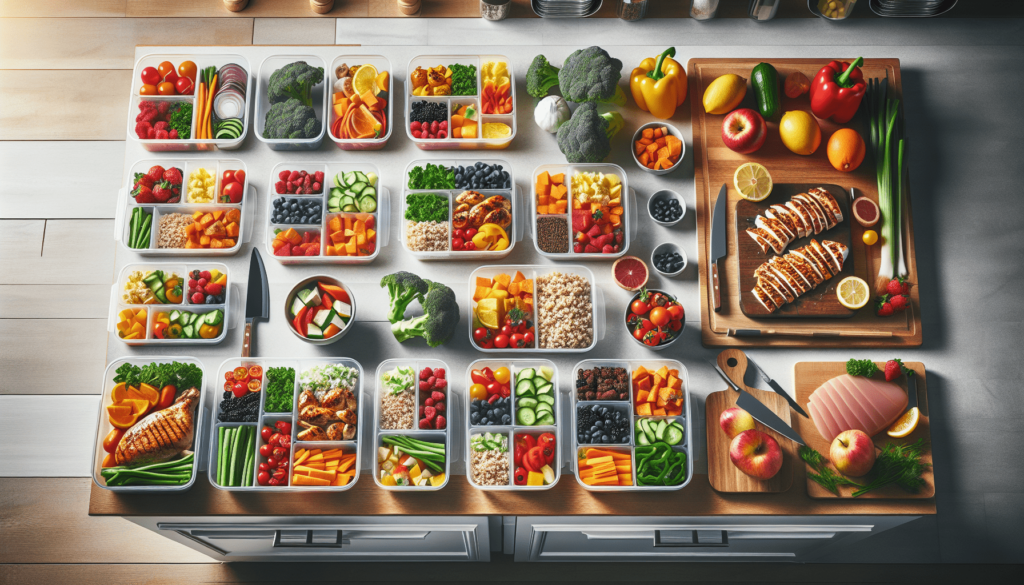
Ever wondered how to make your weekday meals easier and stress-free? That’s where meal prepping comes in! In this Beginner’s Guide to Meal Prepping for the Week, we’ll walk you through the essentials of planning, preparing, and storing your meals so you can enjoy nutritious and delicious food every day without the hassle.
What Is Meal Prepping?
Meal prepping is the practice of planning and preparing your meals in advance. By dedicating a few hours once a week, you can ensure that you always have healthy meals ready to go. This can save you time, money, and effort, making it easier to stick with your diet and achieve your health goals.
Benefits of Meal Prepping
Saves Time
Imagine coming home after a long day at work and having dinner ready in minutes. With meal prepping, this fantasy turns into reality. You spend just a couple of hours cooking over the weekend, and you get to enjoy quick and easy meals throughout the week.
Saves Money
Meal prepping allows you to buy ingredients in bulk, which is often cheaper. You’re also less likely to spend money on takeout or impromptu snacks, which can add up quickly.
Supports Health Goals
Whether you’re trying to lose weight, build muscle, or simply eat healthier, meal prepping can help you stay on track. By controlling portion sizes and ingredients, you can ensure that you’re eating balanced, nutritious meals.
Reduces Stress
Instead of worrying about what to cook or eat every day, meal prepping provides a sense of control. Everything is planned out, which can reduce the daily decision-making burden and stress.
Getting Started with Meal Prepping
Assess Your Needs
How many meals do you need to prepare? Consider how many breakfasts, lunches, dinners, and snacks you’ll need. Do you have specific dietary requirements? Make a list of what you need for the week to help with grocery shopping and planning.
Plan Your Meals
A successful meal prep starts with a solid plan. Decide on your meals and snacks for the week. Make sure to include a variety of foods to keep things interesting and balanced. Here’s a simple example:
| Day | Breakfast | Lunch | Dinner | Snack |
|---|---|---|---|---|
| Monday | Oatmeal with berries | Chicken salad | Spaghetti with meatballs | Greek yogurt |
| Tuesday | Smoothie | Turkey wrap | Grilled salmon | Apple with peanut butter |
| Wednesday | Scrambled eggs | Quinoa bowl | Stir-fried tofu | Trail mix |
| Thursday | Overnight oats | Tuna sandwich | Chicken curry | Carrot sticks |
| Friday | Greek yogurt parfait | Veggie burger | Beef stir-fry | Protein bar |
Make a Shopping List
Once your meal plan is set, create a shopping list based on the ingredients you’ll need. This ensures you have everything you need and helps prevent spontaneous, unhealthy purchases.
Invest in Containers
Proper storage is crucial for meal prepping. Invest in high-quality, reusable containers that are microwave and dishwasher safe. Glass containers are a great option as they are durable and keep your food fresh. Make sure they come in various sizes to accommodate different portions.
Designate Prep Time
Choose a specific day and time to do your meal prep. Sundays are popular, but any day that fits your schedule works. Treat it as an appointment you can’t miss. Set aside 2-3 hours to prep for the week.
Basic Meal Prep Techniques
Batch Cooking
Batch cooking involves making large quantities of a single dish that can be portioned out for several meals. This is efficient and ensures consistency in your meals. Examples include soups, stews, casseroles, and grilled chicken.
Multi-Dish Prep
If you prefer more variety, the multi-dish prep method might be for you. This involves preparing several different meals at once. It might take a bit more time, but it can keep your palate excited throughout the week.
Prepping Ingredients
Some people prefer to chop vegetables, marinate meat, and prep components, rather than entire meals. This allows for flexibility in combining ingredients into different dishes throughout the week. For example, pre-cut veggies can be used in stir-fries, salads, and omelets.
Meal Prepping Tips and Tricks
Keep It Simple
Don’t overwhelm yourself with complicated recipes, especially when starting out. Choose simple, beginner-friendly recipes to keep the process enjoyable.
Pick Versatile Ingredients
Choose ingredients that can be used in various dishes. For example, roasted veggies can be eaten on their own, added to salads, or mixed into pasta. This helps reduce waste and keeps your meals varied.
Use Seasoning and Sauces
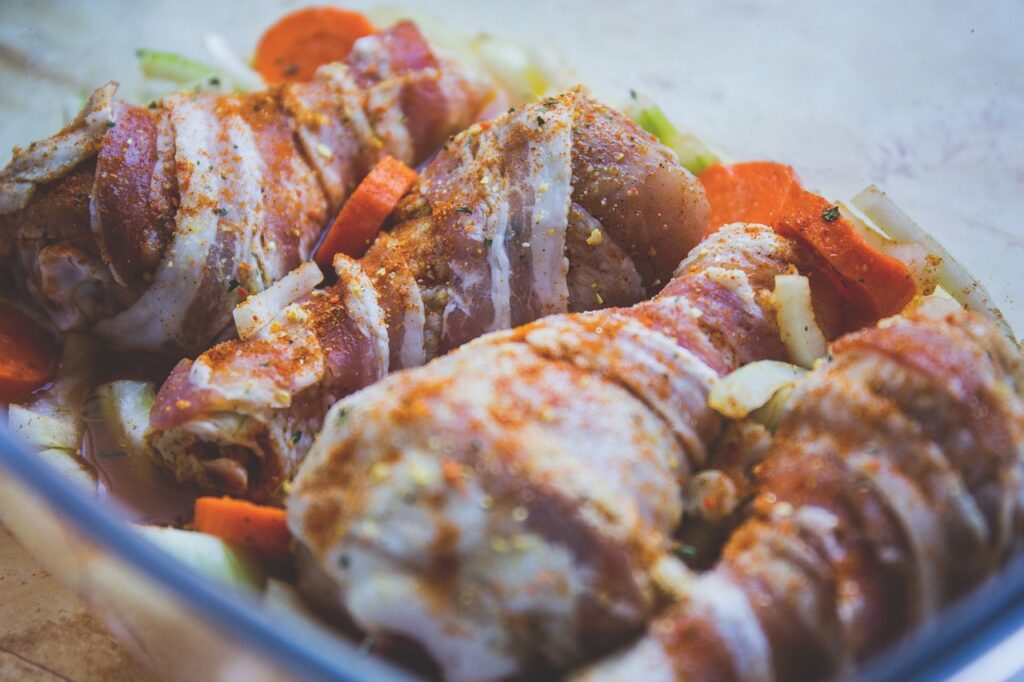
To keep your meals tasty, use different spices, herbs, and sauces. A simple chicken breast can taste entirely different when seasoned with Italian herbs, curry powder, or a soy-ginger marinade.
Label Your Containers
Label your containers with the meal name and date. This helps you quickly identify what’s inside and ensures you consume your meals within a safe timeframe.
Freeze Extra Portions
If you make more than you can eat within a week, freeze the extra portions. This not only reduces waste but also provides you with emergency meals for particularly busy weeks.
Common Challenges and Solutions
Boredom
Eating the same meals day after day can get dull. To avoid this, rotate recipes every week, experiment with different cuisines, and use a variety of spices and herbs.
Time Constraints
If you’re short on time, focus on quick-prep meals. Grilled chicken, roasted vegetables, and rice are great staples that can be prepared in minimal time. Alternatively, consider splitting your prep into two shorter sessions each week.
Lack of Space
Limited kitchen space can make meal prepping challenging. Use stackable containers to maximize storage, and focus on making dishes that require fewer pots and pans.
Dietary Restrictions
Cooking for specific diets might seem daunting, but it’s entirely manageable. Look for recipes tailored to your dietary needs and incorporate nutrient-dense, versatile ingredients.
Sample Meal Prep Plan
Here’s a simplified plan to get you started. These recipes are easy to prepare, balanced, and delicious.
Breakfast: Overnight Oats
Ingredients:
- 1 cup rolled oats
- 1 cup milk (or any milk alternative)
- 1 tablespoon chia seeds
- 1 teaspoon honey
- Mixed berries to top
Instructions:
- In a jar, combine the oats, milk, chia seeds, and honey.
- Stir well and refrigerate overnight.
- In the morning, top with mixed berries and enjoy!
Lunch: Chicken and Veggie Bowls
Ingredients:
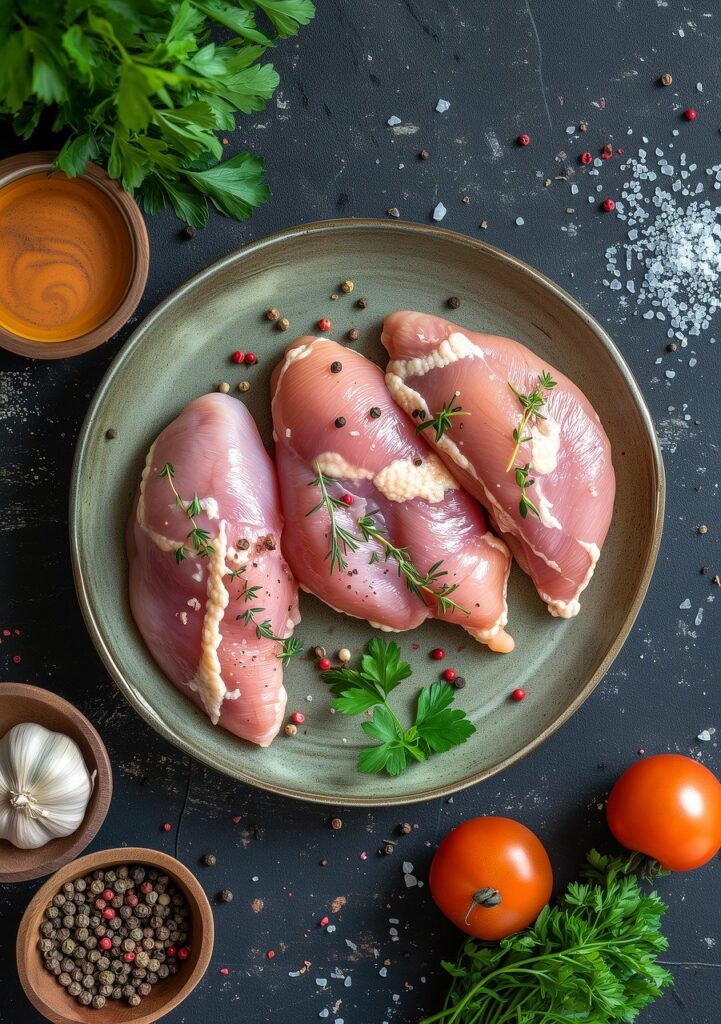
- 4 chicken breasts
- 2 cups broccoli florets
- 2 cups bell peppers, sliced
- 1 onion, sliced
- Olive oil, salt, and pepper
Instructions:
- Preheat the oven to 400°F (200°C).
- Place the chicken breasts on a baking sheet and drizzle with olive oil. Season with salt and pepper.
- On another sheet, spread out the broccoli, bell peppers, and onion, and drizzle with olive oil, salt, and pepper.
- Bake for 20-25 minutes until the chicken is cooked through and the veggies are tender.
- Portion the chicken and vegetables into containers for the week.
Dinner: Turkey Chili
Ingredients:
- 1 pound ground turkey
- 1 can black beans
- 1 can kidney beans
- 1 can corn
- 1 can diced tomatoes
- 1 onion, chopped
- 2 garlic cloves, minced
- 2 tablespoons chili powder
- 1 tablespoon cumin
Instructions:
- In a large pot, cook the ground turkey over medium heat until browned.
- Add the onion and garlic, and cook until softened.
- Stir in the beans, corn, tomatoes, and spices.
- Bring to a boil, then reduce heat and simmer for 30 minutes.
- Divide into containers for easy dinners.
Snacks: Veggie Sticks and Hummus
Ingredients:
- Carrot sticks
- Cucumber slices
- Bell pepper strips
- Hummus
Instructions:
- Prep and cut the vegetables into sticks.
- Portion out hummus into small containers.
- Keep the veggie sticks and hummus in the fridge for easy grab-and-go snacks.
Conclusion
Meal prepping can transform your weekdays, saving you time, money, and stress while supporting your health goals. Start small, keep it simple, and gradually build up your meal prepping skills. By planning your meals, creating a shopping list, and setting aside some prep time, you’ll be on your way to enjoying nutritious and convenient meals every day. Happy meal prepping!