
Have you ever wondered how you can enhance your workout routine without spending a fortune on bulky gym equipment? If so, you’re about to uncover a potent tool that may completely change the way you exercise—resistance bands. Whether you’re a fitness beginner or a seasoned athlete, resistance bands offer a versatile, compact, and effective way to elevate your workouts.
Understanding Resistance Bands
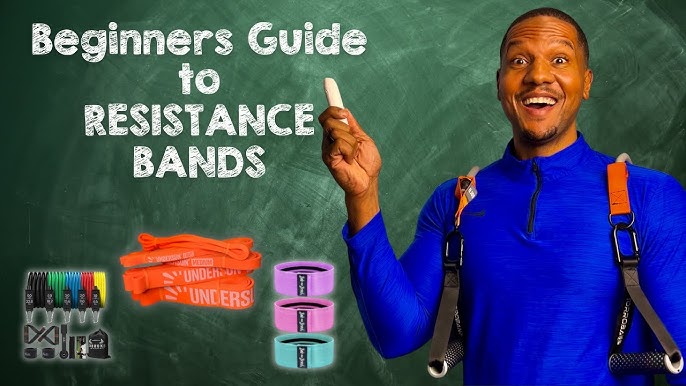
Resistance bands, also known as exercise bands, are elastic bands commonly used for strength training and physical therapy. They come in various sizes, lengths, and resistance levels to accommodate different fitness levels and types of exercises.
Types of Resistance Bands
Choosing the right type of resistance band can make a significant difference in your workouts. Let’s break down the most common types you might encounter:
| Type | Description | Best For |
|---|---|---|
| Loop Bands | Continuous loops typically used for lower-body exercises like squats and hip thrusts. | Lower body workouts, glute activation |
| Tube Bands | Bands with handles, perfect for upper-body exercises such as bicep curls and shoulder presses. | Upper body exercises, full-body workouts |
| Therapy Bands | Flat and non-looped bands often utilized in physical therapy settings to improve mobility and strength. | Rehabilitation, gentle stretching |
| Figure-8 Bands | Shaped like a figure-eight, these bands come with grips for easy handling. | Upper body, chest, and arm workouts |
| Lateral Bands | Bands with ankle cuffs, specifically designed for lateral movement exercises. | Lower body, lateral movement training |
Benefits of Using Resistance Bands
One of their primary benefits is versatility. Resistance bands can be used for a wide range of exercises that target different muscle groups. Unlike weights, resistance is maintained through every part of the motion, creating a constant muscle engagement. Here are some key benefits:
- Affordable: Resistance bands are a cost-effective alternative to free weights.
- Portable: They are light and compact, making them perfect for travel or small spaces.
- Adaptable: Whether you’re working on strength, endurance, flexibility, or rehabilitation, resistance bands can be easily incorporated.
- Safe: Ideal for individuals who may fear dropping heavy weights, offering a lower risk of injury.
Getting Started with Resistance Bands
Now that you know what resistance bands are and their benefits, let’s talk about how to get started.
Selecting the Right Resistance Level
Resistance levels can vary across different brands, but they are generally categorized by color, ranging from light to extra-heavy. It’s important to choose bands that offer various resistance levels so you can progress and adapt your workouts.
| Color | Resistance Level | Suitable For |
|---|---|---|
| Yellow | Light | Beginners, rehabilitation |
| Red | Medium | Intermediate users |
| Green | Heavy | Advanced users |
| Blue | Extra-Heavy | Highly advanced users |
Safety Tips
To prevent injuries and maximize your workouts, keep these safety tips in mind:
- Inspect Your Bands: Always check for tears or worn spots before use.
- Secure Anchoring: When anchoring bands to doors or other structures, ensure they are secure and won’t snap.
- Avoid Overstretching: Do not overstretch bands beyond their capacity to prevent snapping.
- Wear Proper Footwear: To avoid slipping while performing exercises.
Warm-Up
As with any workout, warming up is crucial. Simple activities, such as dynamic stretching or light cardio for 5-10 minutes, prepare your body for exercise and reduce the risk of injury.
Essential Resistance Band Exercises
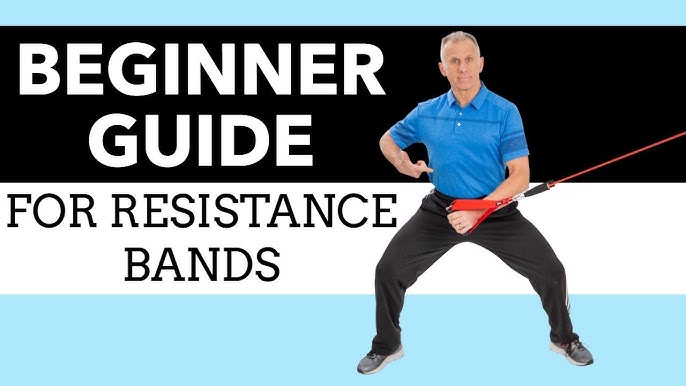
To start this journey, incorporating some basic resistance band exercises can build a strong foundation. Here’s a selection to target both the upper and lower body:
Upper Body Exercises
Bicep Curls
- Stand on the middle of the band with feet shoulder-width apart.
- Grasp the handles with palms facing forward.
- Curl the band upward by bending your elbows and keeping them close to your torso.
- Slowly lower back to the start. Repeat for 12-15 reps.
Shoulder Press
- Stand on the band with feet shoulder-width apart.
- Hold the handles at shoulder height with palms facing forward.
- Press up and overhead, fully extending your arms.
- Lower back down slowly. Perform 10-12 reps.
Rows
- Anchor the band at a low point.
- Sit on the floor, legs extended, band handles in hand.
- Pull the band towards your midsection, squeezing your shoulder blades together.
- Release back out. Aim for 12-15 reps.
Lower Body Exercises
Squats
- Stand on the band with feet shoulder-width apart, holding handles at shoulder height.
- Lower your body into a squat, keeping weight on your heels.
- Rise back to standing. Complete 15-20 reps.
Lateral Band Walks
- Place a loop band around both legs, just above the knees.
- Step sideways to the right, maintaining tension.
- Follow with the left foot to return to start. Repeat for 10 steps on each side.
Glute Bridges
- Lie face up with knees bent, feet flat, and band over hip bones.
- Lift hips towards the ceiling, squeezing your glutes.
- Lower back down. Aim for 15-20 reps.
Progressive Workouts
As you become more comfortable with basic resistance band exercises, it’s essential to progressively challenge yourself to avoid plateaus and continue making gains.
Increasing Resistance
As you gain strength, move to higher resistance bands to maintain a challenging workout. You can increase resistance by:
- Using a heavier band.
- Adding multiple bands for increased tension.
- Decreasing the slack on the band.
Full-Body Workouts
Incorporate resistance bands into full-body workouts by combining upper and lower body exercises in a circuit. For example, you can perform a sequence like this:
- Bicep Curls – 15 reps
- Squats – 20 reps
- Shoulder Press – 12 reps
- Glute Bridges – 20 reps
- Rows – 15 reps
- Lateral Band Walks – 10 steps each side
HIIT Workouts with Bands
High-Intensity Interval Training (HIIT) can be done effectively with resistance bands. These quick, intense workouts burn calories and build strength. A sample HIIT workout:
- 30 seconds of Squats
- 15 seconds rest
- 30 seconds of Shoulder Press
- 15 seconds rest
- 30 seconds of Lateral Band Walks
- 15 seconds rest
- Repeat for 4 cycles
Maintenance and Care
To maximize the lifespan and performance of your resistance bands, proper care is essential:
- Store Properly: Keep bands in a cool, dry place away from direct sunlight to prevent degeneration.
- Clean Regularly: Use warm water and mild soap to clean bands, avoiding harsh chemicals.
- Inspect Often: Regularly check your bands for signs of wear and tear.
- Avoid Sharp Edges: Keep bands away from sharp objects that could damage them.
Overcoming Common Challenges
Even with the best efforts, you might encounter some challenges when using resistance bands.
Maintaining Form
It’s easy to lose form, especially as you fatigue. Always focus on controlled movements and proper posture. Consider working out in front of a mirror or with a partner to monitor your form.
Plateaus
Hitting a plateau can be frustrating. To overcome this, switch up exercises, incorporate higher resistance, or try different types of bands.
Lack of Motivation
To keep your workouts interesting and maintain motivation, set specific goals, track your progress, and vary your exercises. Joining a fitness community or following a workout plan can also provide additional support and accountability.
Conclusion
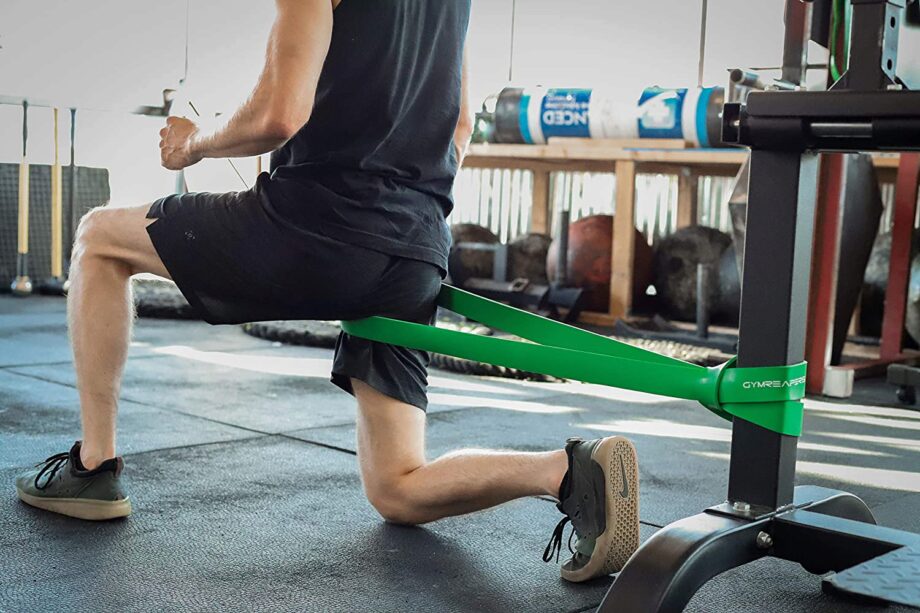
Resistance bands offer an accessible, versatile, and effective way to enhance any fitness routine. By understanding the different types of bands, selecting the appropriate resistance level, and incorporating a variety of exercises into your workouts, you can progressively challenge yourself and achieve your fitness goals. Regular maintenance and overcoming common challenges will ensure you make the most out of your resistance band training.
So, take that first step, incorporate resistance bands into your workouts, and enjoy the journey towards a stronger, healthier you!