
Have you ever wondered why so many fitness enthusiasts and health experts advocate for foam rolling as part of a workout routine? Adding foam rolling to your fitness regimen can provide numerous benefits, especially for those who are just starting out. By understanding these benefits, you can enhance your overall wellness and optimize your exercise performance.

What Is Foam Rolling?
Foam rolling, also known as self-myofascial release (SMR), is a technique that uses a foam roller to apply pressure to specific points on your body. This method targets the fascia, a connective tissue that surrounds muscles, bones, and joints. By rolling over these areas, you can help release muscle tightness, improve blood flow, and enhance overall mobility.
Why Should Beginners Consider Foam Rolling?
As a beginner, incorporating foam rolling into your routine can be especially beneficial. When you’re new to exercise, your body needs time to adapt to new movements and stressors. Foam rolling can aid in this transition by promoting recovery, reducing soreness, and preventing injuries.
Reduced Muscle Soreness
One of the most immediate benefits of foam rolling is the reduction of muscle soreness. When you start a new exercise regimen, your muscles often experience delayed onset muscle soreness (DOMS). Foam rolling helps alleviate this soreness by increasing blood flow and reducing muscle inflammation.
Improved Flexibility and Mobility
Improving your flexibility and mobility is crucial, especially when you’re beginning a fitness journey. Foam rolling helps lengthen muscles and improve the range of motion in your joints. This can lead to better performance and a lower risk of injury.
Enhances Blood Circulation
Good blood circulation is vital for muscle recovery and overall health. By applying pressure through foam rolling, you help stimulate blood flow to various parts of your body. This increased circulation can speed up the recovery process and provide your muscles with the nutrients they need to repair and grow.
Cost-Effective Solution
Compared to other recovery tools and methods, foam rollers are relatively inexpensive. This makes them accessible to beginners who may not want to invest in pricier alternatives. A good quality foam roller can provide you with many of the same benefits as professional treatments at a fraction of the cost.

How To Get Started With Foam Rolling
Starting foam rolling is straightforward, but there are some key points to keep in mind to ensure you’re doing it effectively and safely. Below are some beginner-friendly tips:
Selecting The Right Foam Roller
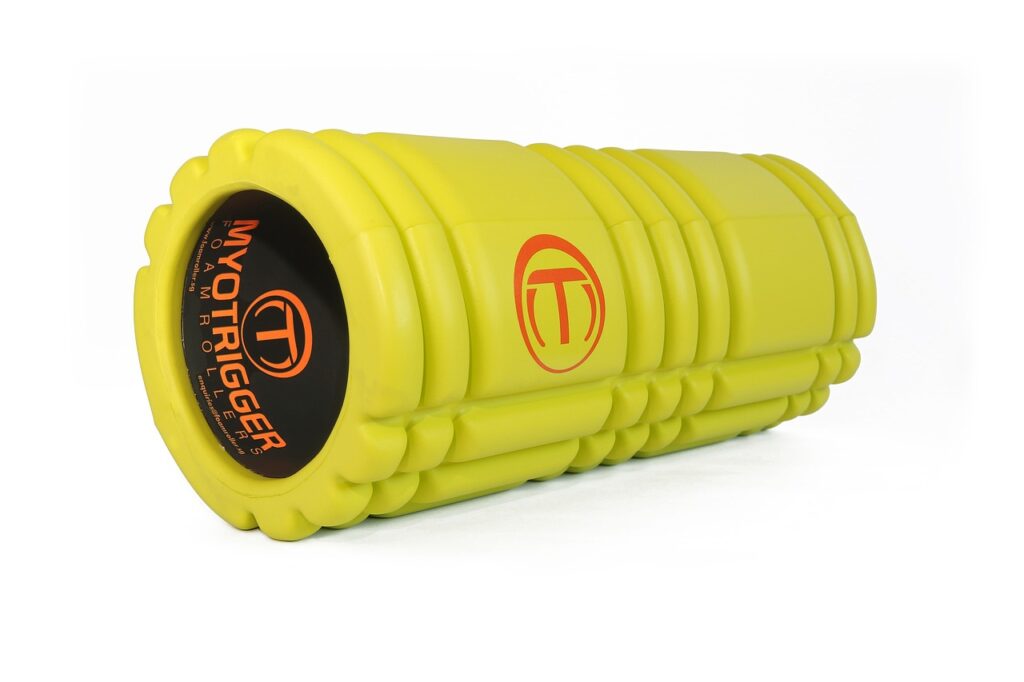
Foam rollers come in various densities and sizes. For beginners, a medium-density foam roller is usually the best option. It provides a good balance between firmness and comfort, making it easier to apply pressure without causing discomfort.
| Foam Roller Type | Description |
|---|---|
| Soft Foam Rollers | Gentle pressure; ideal for beginners |
| Medium-Density | Balanced pressure; suitable for most users |
| Firm-Density | Intense pressure; better for experienced users |
Basic Techniques
There are several basic foam rolling techniques that you should familiarize yourself with:
- Quadriceps Roll: Lie face down, place the foam roller under your thighs, and roll back and forth from your hips to your knees.
- Hamstring Roll: Sit on the floor, place the foam roller under your thighs, and roll from your knees to your glutes.
- Calf Roll: Sit on the floor with your legs extended, place the foam roller under your calves, and roll from your knees to your ankles.
- Upper Back Roll: Sit on the floor, place the foam roller behind your upper back, and roll from your shoulders to the middle of your back.
Frequency and Duration
For beginners, it’s recommended to start with short foam rolling sessions. Aim for about 5-10 minutes, focusing on each muscle group for around 30 seconds to 1 minute. As you become more comfortable, you can gradually increase the duration and intensity of your sessions.
Precautions To Keep In Mind
While foam rolling is generally safe, it’s essential to follow some precautions to avoid any potential risks or injuries.
Avoiding Sensitive Areas
Certain areas of your body are more sensitive and should be avoided when foam rolling. For instance, you should never roll directly over your spine, joints, or any bony protrusions. Doing so could cause injury or discomfort.
Listening To Your Body
Pay attention to how your body responds to foam rolling. While some discomfort is normal, especially when targeting tight muscles, you should never feel pain. If you experience sharp or intense pain, stop immediately and consult a healthcare professional.
Warm-Up and Cool Down
Incorporating foam rolling into your warm-up and cool-down routines can be particularly beneficial. Rolling before a workout can help prepare your muscles by increasing blood flow and range of motion. Rolling after a workout aids in recovery by reducing muscle stiffness and soreness.
Target Areas For Foam Rolling
Different areas of your body can benefit from foam rolling. Understanding which muscles to target can help you make the most of your sessions.
Lower Body
The lower body often experiences significant strain, especially if your exercise routine includes running, cycling, or weightlifting.
Key Areas to Target:
- Quadriceps
- Hamstrings
- Calves
- Glutes
Upper Body
Your upper body also requires attention, particularly if you engage in activities like swimming, rowing, or upper body strength training.
Key Areas to Target:
- Upper Back (Thoracic Spine)
- Lats (Latissimus Dorsi)
- Shoulders
Core
Though less common, foam rolling your core muscles, such as your lower back and abdominals, can also be beneficial. However, take extra caution as these areas can be more sensitive.
Benefits Of Foam Rolling For Stress Relief
Beyond physical health benefits, foam rolling can also contribute to mental well-being.
Alleviates Stress and Tension
Foam rolling can help alleviate stress and tension by promoting muscle relaxation. The process encourages a release of endorphins, which are natural mood lifters.
Enhances Mind-Body Connection
By focusing on specific muscle groups and being mindful of how your body feels, foam rolling can enhance your mind-body connection. This mindfulness can have a calming effect and improve your focus and mental clarity.

Common Myths About Foam Rolling
There are several misconceptions about foam rolling, especially among beginners. Understanding the facts can help you make informed decisions.
Myth 1: Foam Rolling is Only for Athletes
While athletes often use foam rolling to improve performance and recovery, you don’t need to be an athlete to benefit from it. Foam rolling is suitable for anyone looking to improve their muscle health and overall wellness.
Myth 2: Foam Rolling Is Painful
Foam rolling should not be painful. While you may experience some discomfort, it should never be unbearable. Choosing the right foam roller and gradually increasing your pressure can make the experience more enjoyable.
Myth 3: You Can Overdo It
Moderation is key in foam rolling. Overdoing it can actually cause more harm than good. Stick to recommended guidelines and listen to your body to avoid any potential issues.
Scientific Support for Foam Rolling
Foam rolling’s benefits are not just anecdotal; multiple studies have supported its effectiveness.
Study on Muscle Soreness
A study published in the Journal of Athletic Training found that foam rolling significantly reduced muscle soreness and improved performance in participants. This makes it an effective tool for both recovery and prevention.
Research on Flexibility
A study in the Journal of Strength and Conditioning Research reported that foam rolling improved flexibility and range of motion in the hip flexors, which are often tight in both athletes and sedentary individuals.
Blood Flow and Circulation
Another study in the Journal of Bodywork and Movement Therapies confirmed that foam rolling increases blood flow to the muscles, aiding in quicker recovery and reduced muscle fatigue.

Real-Life Testimonials
Hearing from others who have experienced the benefits of foam rolling can be inspiring. Here are a couple of real-life testimonials from beginners:
Testimonial 1: Sarah, 29
“I started foam rolling six months ago, and it has made a world of difference in my recovery time. I used to feel sore for days after my workouts, but now the soreness is minimal. Plus, my flexibility has improved noticeably.”
Testimonial 2: Mark, 45
“As someone new to fitness, I was skeptical about foam rolling at first. However, after incorporating it into my routine, I’ve seen improved mobility and reduced muscle stiffness. It’s become a staple in my exercise regimen.”
Foam Rolling As Part Of Your Fitness Routine
Incorporating foam rolling into your fitness routine can be effortless and highly rewarding.
Before Workouts
Consider adding a few minutes of foam rolling before your workouts. Target the muscle groups you plan to engage during your exercise session. This can help prepare your muscles and improve your performance.
After Workouts
After your workout, spend some time foam rolling to aid in muscle recovery. Focus on the areas that feel the most tense or sore. This practice can help reduce muscle fatigue and prevent stiffness.
On Rest Days
Even on rest days, foam rolling can be beneficial. Use this time to target any tight muscle areas and promote blood flow, aiding in overall muscle health and recovery.
Advanced Foam Rolling Techniques
Once you’re comfortable with basic foam rolling techniques, you might want to explore some advanced methods.
Using Trigger Point Balls
Trigger point balls are smaller and can target specific muscle knots more precisely than a traditional foam roller. They are great for areas like the calves, feet, and shoulders.
Incorporating Mobility Exercises
Combine foam rolling with mobility exercises to enhance your flexibility further. For example, after rolling your calves, perform some ankle mobility exercises to maximize your range of motion.
Conclusion
Foam rolling can be a game-changer for beginners. It offers a range of benefits, from reducing muscle soreness and improving flexibility to enhancing blood circulation and promoting mental well-being. With the right techniques and precautions, you can easily incorporate foam rolling into your fitness routine, setting a strong foundation for a healthier lifestyle. So, why wait? Grab a foam roller and start experiencing these benefits for yourself today.