
Have you ever wondered what the best foods are for building lean muscle? If so, you’re not alone. With so much conflicting information out there, it can be challenging to determine which foods are most effective. But don’t worry; by the end of this article, you’ll have a clearer understanding of the best foods to help you achieve your muscle-building goals.
Understanding Lean Muscle Growth
Building lean muscle is not just about working hard in the gym; it’s also about fueling your body with the right nutrients. To promote lean muscle growth, you need a balanced approach that includes protein, carbohydrates, and healthy fats.
The Role of Protein
Protein is often called the building block of muscle. It contains amino acids, essential for repairing and building muscle tissue.
- Benefit: Helps repair muscle fibers.
- Sources: Chicken, fish, eggs, and legumes.
The Importance of Carbohydrates
Carbohydrates are your body’s primary source of energy. Consuming the right kinds of carbs can provide the energy you need for intense workouts while also aiding in recovery.
- Benefit: Provides the energy required for muscle workouts.
- Sources: Whole grains, fruits, and vegetables.
Healthy Fats for Muscle Growth
Though fats are often misunderstood, healthy fats are essential for hormone production, including the hormones necessary for muscle growth.
- Benefit: Supports hormonal balance.
- Sources: Avocados, nuts, seeds, and olive oil.
Best Foods to Eat for Lean Muscle
To help you along your muscle-building journey, let’s break down some of the best foods you should include in your diet.
Chicken Breast
One of the most recommended sources of protein for muscle growth is chicken breast.
- Nutritional Value: Approximately 31g of protein per 100g serving.
- Benefits: Low in fat, high in protein, and easily cooked.
- How to Eat: Grilled, baked, or added into salads.
Eggs
Eggs are not only versatile but also packed with essential nutrients, including high-quality protein, vitamins, and minerals.
- Nutritional Value: Around 6g of protein per egg.
- Benefits: Rich in B-vitamins for energy production.
- How to Eat: Boiled, scrambled, or as part of an omelet.
Greek Yogurt
Greek yogurt is a fantastic option due to its high protein content and other beneficial nutrients.
- Nutritional Value: Roughly 10g of protein per 100g serving.
- Benefits: Contains probiotics which are good for gut health.
- How to Eat: As a snack or in smoothies.
Fish (Especially Salmon)
Fish, particularly salmon, are excellent for lean muscle growth due to their high protein and omega-3 fatty acid content.
- Nutritional Value: 20-25g of protein per 100g serving, depending on the type.
- Benefits: Omega-3s reduce inflammation and assist in muscle recovery.
- How to Eat: Grilled, steamed, or as sashimi.
Quinoa
For those looking for a plant-based complete protein, quinoa is a fantastic option.
- Nutritional Value: 8g of protein per cup cooked.
- Benefits: High in essential amino acids.
- How to Eat: As a side dish or mixed into salads.
Cottage Cheese
Cottage cheese is another dairy product that’s high in casein protein, which is slow-digesting and helps prevent muscle breakdown.
- Nutritional Value: Roughly 11g of protein per 100g serving.
- Benefits: Ideal for a bedtime snack to provide a steady release of protein overnight.
- How to Eat: Paired with fruits or mixed into smoothies.
Lean Beef
Lean cuts of beef can provide a great balance of protein along with essential vitamins like B12 and iron, which are critical for energy levels.
- Nutritional Value: About 26g of protein per 100g serving.
- Benefits: Supports overall energy and muscle function due to its iron content.
- How to Eat: Grilled, stir-fried, or in stews.
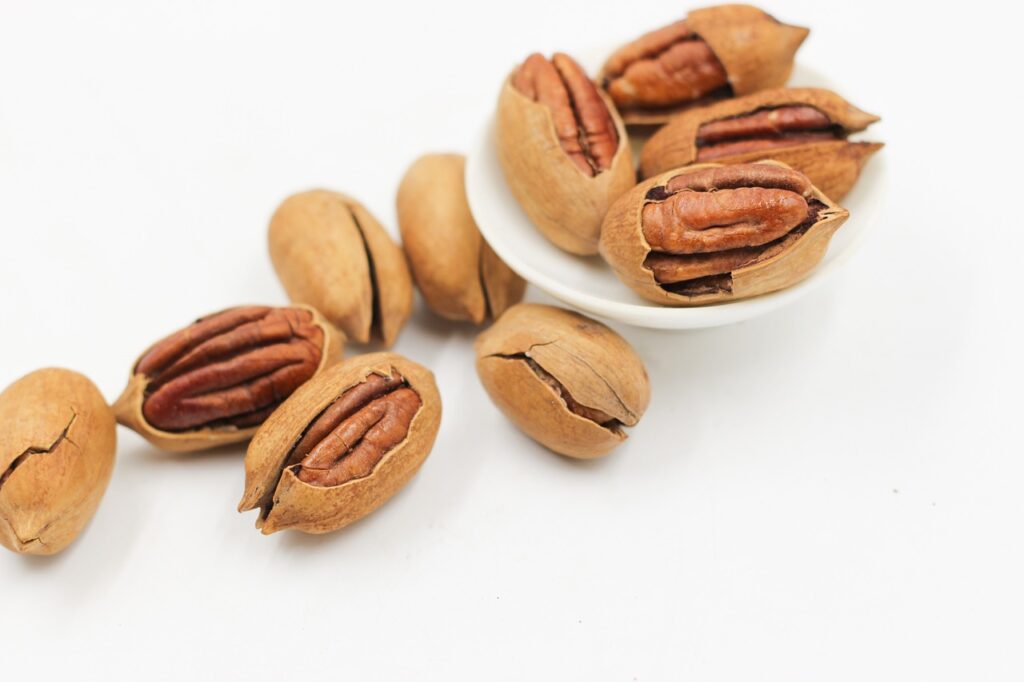
Nuts and Seeds
Nuts and seeds offer a good combination of protein, healthy fats, and fiber.
- Nutritional Value: Approximately 6g of protein per handful.
- Benefits: Provides essential fatty acids which aid in recovery.
- How to Eat: As snacks or sprinkled over dishes.
Legumes (Beans, Lentils, Chickpeas)
Legumes are a great plant-based protein source, loaded with fiber and essential micronutrients.
- Nutritional Value: Around 15g of protein per cup cooked.
- Benefits: High in fiber, which is good for digestion.
- How to Eat: In soups, salads, or as a side dish.
Oats
Oats are an excellent source of complex carbohydrates, providing sustained energy.
- Nutritional Value: 6g of protein per cup of oatmeal.
- Benefits: Helps in muscle recovery and provides lasting energy.
- How to Eat: As oatmeal for breakfast or in smoothies.

Timing Your Nutrient Intake
Pre-Workout Nutrition
What you eat before a workout can impact your performance and results. Aim to consume a balanced meal containing protein and carbohydrates 1-2 hours before exercising.
Post-Workout Nutrition
After your workout, it’s critical to refuel your body to kickstart the recovery process. A combination of protein and carbs within 30 minutes to an hour is generally recommended.
Bedtime Nutrition
Eating the right foods before bed can help minimize muscle breakdown during sleep. Slow-digesting proteins like cottage cheese or a casein supplement can be beneficial.
Daily Meal Plan Example
To give you a better idea of how to incorporate these foods into your diet, here’s an example of a daily meal plan for lean muscle building.
| Meal | Food Items |
|---|---|
| Breakfast | Scrambled eggs with spinach and a side of oatmeal topped with berries |
| Mid-Morning | Greek yogurt with a handful of nuts |
| Lunch | Grilled chicken breast with quinoa and a side of mixed vegetables |
| Afternoon | Cottage cheese with sliced banana |
| Dinner | Baked salmon with a serving of sweet potato and steamed broccoli |
| Snack | A small bowl of lentils or a protein smoothie |
| Before Bed | Cottage cheese or a casein protein shake |

Supplementing for Lean Muscle
While food should be your primary source of nutrients, supplements can be useful. Let’s discuss some commonly used ones.
Whey Protein
Whey protein is a fast-digesting protein that can quickly supply amino acids to muscles post-workout.
- Benefit: A quick and efficient way to increase daily protein intake.
- Usage: Typically taken post-workout.
Casein Protein
Casein is a slow-digesting protein, making it an excellent choice for sustained protein release.
- Benefit: Provides a slow release of amino acids, ideal for overnight recovery.
- Usage: Consumed before bedtime.
BCAAs (Branched-Chain Amino Acids)
BCAAs can help reduce muscle soreness and speed up recovery times.
- Benefit: Helps in muscle recovery and reducing muscle breakdown.
- Usage: Sipped on during workouts or throughout the day.
Creatine
Creatine is one of the most researched supplements and is known to improve strength, increase lean muscle mass, and help muscles recover more quickly during exercise.
- Benefit: Boosts muscle strength and recovery.
- Usage: Taken before or after workouts.
Customizing Your Diet
Understanding that everyone’s body is different, it might be necessary to customize your diet according to your specific needs.
Identifying Allergies
If you have food allergies, it’s important to find suitable alternatives. For instance, if you are lactose intolerant, you can opt for lactose-free dairy products or plant-based protein sources.
Vegetarian/Vegan Options
If you follow a vegetarian or vegan diet, focusing on plant-based proteins is crucial. Options include lentils, beans, tofu, tempeh, and quinoa.
Budget-friendly Choices
Building muscle doesn’t mean you have to break the bank. Frozen fruits and vegetables, bulk-buying grains, and choosing cheaper cuts of meat can be both cost-effective and nutritious.
Conclusion
Building lean muscle is about more than just hitting the gym. Your diet plays a crucial role, and understanding which foods are most beneficial will set you on the right path. By incorporating a variety of these nutrient-dense foods, timing your nutrient intake wisely, and possibly supplementing where needed, you can maximize your muscle-building potential. Adapt the suggestions to fit your preferences and lifestyle, and you’ll be well on your way to achieving your lean muscle goals.