
Are you considering setting up a home gym but worried about the cost? Creating a budget-friendly home gym is entirely achievable with some careful planning. Below, we’ll guide you through the best ways to build a functional and cost-effective workout space.

Assess Your Fitness Goals
Before you start purchasing equipment, it’s crucial to understand what you want from your home gym. Do you want to lose weight, build muscle, improve flexibility, or perhaps a combination of these? This self-assessment will dictate the types of equipment you’ll need and how much space you’ll require.
Identify Your Space
You don’t need an entire room to set up a home gym. Identify a small area in your home like a garage, basement, or even a corner in your living room. The key is to make the most out of the space you have while ensuring it’s dedicated to your fitness routine.
Measuring Your Space
Measure the area you’re planning to use for your home gym. This will help you determine what kind of equipment will comfortably fit. Make sure to include some free space for movement exercises like stretching, yoga, or calisthenics.
Budget Planning
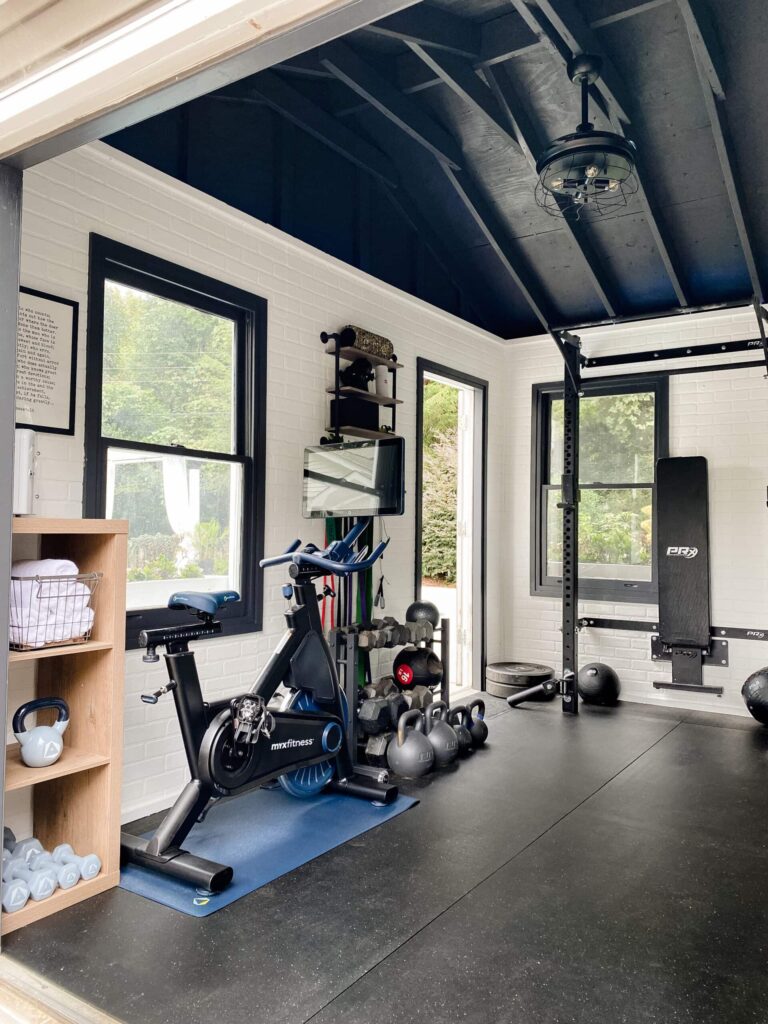
Having a set budget will help you prioritize what’s essential. Start by listing all the items you wish to have in your home gym and then sort them by priority. Allocate an estimated cost to each item and see where you might be able to cut down on expenses.
Categorize by Necessity
| Category | Items | Estimated Cost |
|---|---|---|
| Must-have | Resistance Bands, Dumbbells, Yoga Mat | $50 – $200 |
| Nice-to-have | Kettlebells, Adjustable Bench, Pull-up Bar | $150 – $300 |
| Optional | Treadmill, Stationary Bike, Rowing Machine | $300 – $1,000+ |
Essential Equipment
You don’t need state-of-the-art machines to get a good workout. Here are some essential items that are highly versatile and won’t break the bank.
Resistance Bands
Resistance bands are a must-have for any home gym. They are inexpensive, versatile, and take up virtually no space. You can use them for strength training, stretching, and even for assisting with pull-ups.
Dumbbells
A set of adjustable dumbbells can replace an entire rack of fixed-weight dumbbells. This is a space-saving and cost-effective solution for weight training.
Yoga Mat
Whether you’re into yoga, Pilates, or just need a comfortable surface for floor exercises, a good-quality yoga mat is essential.
Cardio Options
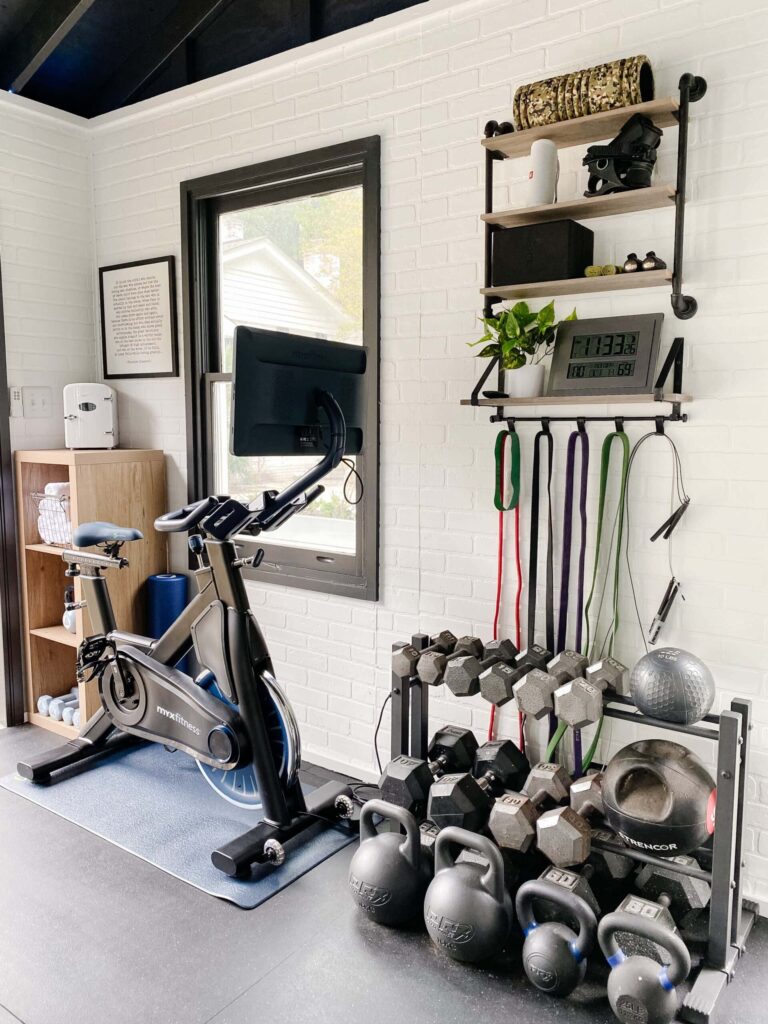
Cardio is an important part of most fitness routines. Luckily, there are budget-friendly options that don’t require a hefty investment.
Jump Rope
A jump rope is an excellent cardio tool that is both inexpensive and effective. It’s great for improving cardiovascular health and can be used in a variety of workouts.
Bodyweight Exercises
Bodyweight exercises like jumping jacks, burpees, and high knees are effective cardio workouts that require no additional equipment.
Multifunctional Equipment
Multifunctional equipment can help you save money and space. Here are some examples worth considering:
Kettlebells
Kettlebells can be used for a variety of exercises, from swings to squats to presses. Investing in a couple of different weights can give you a full-body workout without needing a lot of space.
Adjustable Bench
An adjustable bench can be a game-changer for your home gym. It allows you to perform a wide range of exercises, including bench presses, step-ups, and seated curls.
Pull-up Bar
A pull-up bar is great for upper body strength training and can be installed in a doorway without taking up additional floor space.
DIY Equipment
Creating some of your own equipment can further reduce costs. Here are some DIY solutions that are both effective and budget-friendly:
Sandbags
You can create a sandbag for weight training using a sturdy duffel bag and sand. These are great for exercises like deadlifts, squats, and carries.
Homemade Medicine Ball
A homemade medicine ball can be made using an old basketball filled with sand. This can be used for a variety of strength and conditioning exercises.
Step-Up Boxes
You can build a sturdy step-up box out of wood for plyometric exercises. Ensure it’s strong and stable to handle your body weight.
Shopping Tips
Finding affordable gym equipment doesn’t have to be a hassle. Here are some tips to help you shop smart:
Second-Hand Stores and Online Marketplaces
Websites like Craigslist, Facebook Marketplace, and eBay often have second-hand exercise equipment at a fraction of the cost of new items. Check regularly as inventory changes quickly.
Discount Retailers
Stores like Walmart, Target, and Lidl often carry a range of fitness equipment at competitive prices. Look out for seasonal sales or clearance items.
Bulk Purchases
Consider teaming up with friends or family members to purchase items in bulk. Many suppliers offer discounts for bulk purchases, which can significantly reduce the cost per item.

Stay Motivated
Building a home gym is just the first step. Staying motivated to use it regularly can be challenging. Here are some tips to help you stay on track.
Set a Schedule
Consistency is key to any fitness routine. Set a regular workout schedule and stick to it as much as possible. Even short, daily workouts can make a big difference over time.
Track Progress
Keep a fitness journal or use a smartphone app to track your workouts. Recording your progress can be a huge motivator and help you stay committed to your fitness goals.
Mix it Up
Variety can keep your workouts exciting. Change up your routine by incorporating different exercises and trying new workout programs. This will also help prevent workout plateaus.
Safety First
Safety should always be a priority when working out at home. Follow these guidelines to minimize the risk of injury:
Proper Form
Take the time to learn the correct form for each exercise. Poor form can lead to injuries and hinder your progress. YouTube and fitness apps often offer free tutorials to guide you.
Warm-Up and Cool Down
Always warm up before starting your workout and cool down afterward. This helps prepare your muscles for exercise and reduces the risk of injuries.
Stay Hydrated
Keep a water bottle nearby and stay hydrated throughout your workout. Dehydration can affect your performance and lead to health issues.
Community Support
You don’t have to go it alone. Engaging with others who have similar fitness goals can boost your motivation and make your workouts more enjoyable.
Online Fitness Communities
Join online fitness communities or social media groups where you can share your progress, ask questions, and get support from fellow fitness enthusiasts.
Workout Buddies
Finding a workout buddy, even virtually, can keep you accountable and make your workouts more enjoyable. Share your fitness journey and support each other along the way.
Staying Informed
Educating yourself about fitness and nutrition can make a big difference in your progress. Here are some resources to consider:
Fitness Apps
Apps like MyFitnessPal, Fitbit, and Nike Training Club offer a wealth of information, tracking tools, and workout plans to support your fitness journey.
Books and Articles
There are countless books and articles available that cover all aspects of fitness and nutrition. Choose reputable sources and stay informed.
Reevaluate and Upgrade
As you make progress, you might find that you outgrow some of your equipment or want to add new items to your home gym.
Regular Assessments
Periodically assess your fitness goals and the effectiveness of your current equipment. This will help you determine if new items or upgrades are necessary.
Smart Upgrades
When it’s time to upgrade, prioritize equipment that offers the most value for your enhanced fitness goals. Look for sales, discounts, and second-hand options to keep costs low.
Conclusion
Building a budget-friendly home gym is all about smart planning and making the most of what you have. By prioritizing essential equipment, exploring DIY options, and shopping smart, you can create a functional and effective workout space without breaking the bank. Stay motivated, stay safe, and continuously educate yourself to make your home gym experience fulfilling and rewarding.
There’s no one-size-fits-all approach, so feel free to adapt these tips to suit your specific needs and budget. Remember, the key to long-term success is consistency, dedication, and making fitness a fun and integral part of your daily life.