
Have you ever wondered about the best ways to document your fitness progress? For many, keeping track of their journey towards better health and fitness can be as crucial as the workouts themselves. Proper documentation helps you see how far you’ve come, what areas need improvement, and keeps you motivated to stay on track. Let’s dive into the best methods to ensure your fitness progress is systematically recorded and easily understandable.

The Importance of Documenting Fitness Progress
Motivation and Accountability
Documenting your fitness journey can be incredibly motivating. When you see concrete evidence of your progress, you’re more likely to stay committed to your fitness goals. Plus, documenting your progress holds you accountable. If you’re tracking what workouts you’ve done and what you’ve eaten, there’s less room for excuses.
Identifying Patterns and Making Adjustments
Tracking your progress allows you to identify patterns in what’s working and what isn’t. You can tweak your workout routines or dietary plans based on the data you collect, leading to more effective and efficient ways to reach your goals.
Methods to Document Your Fitness Progress
Fitness Journals
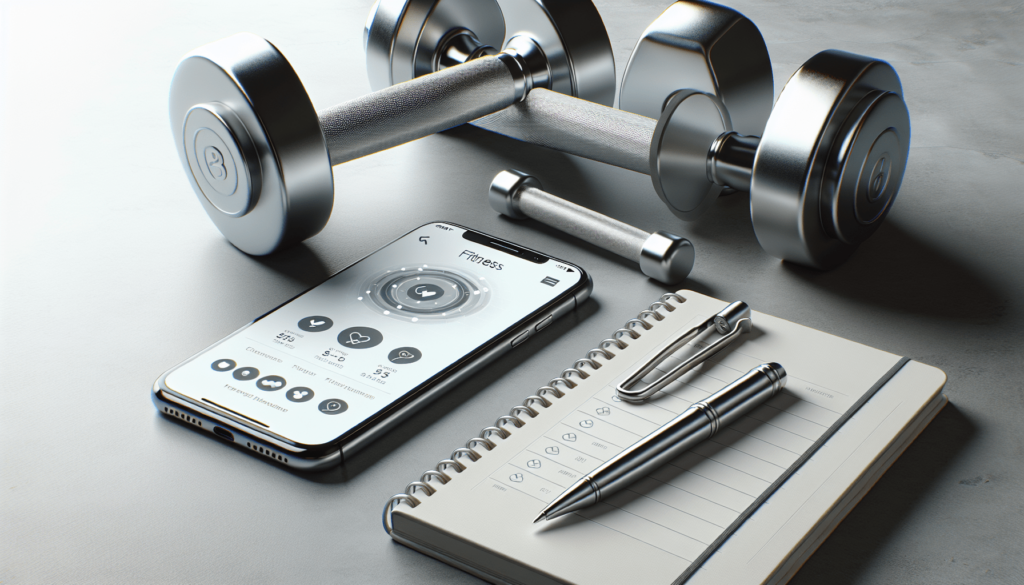
Fitness journals can be as basic or as detailed as you like. The purpose of a fitness journal is to keep a daily log of your physical activities, nutrition, and how you’re feeling overall.
Why Choose a Fitness Journal?
- Personal Touch: Handwriting your progress can make your journey feel more personal.
- Day-to-Day Tracking: It’s easy to jot down daily workouts, meals, and thoughts.
- Comprehensive: Allows detailed notes and reflections.
Sample Table for Fitness Journal Entries:
| Date | Activity | Duration | Calories Burned | Notes |
|---|---|---|---|---|
| 2023-11-01 | Running | 30 mins | 300 | Felt great, weather was cool |
| 2023-11-02 | Yoga | 45 mins | 200 | Relaxing session today |
Mobile Apps and Digital Trackers
There are a plethora of apps available to help document your fitness journey, from simple workout trackers to comprehensive health loggers.
Benefits of Digital Trackers:
- Convenience: Track your progress anywhere, anytime.
- Variety: Many apps offer multiple features such as nutrition tracking, workout logging, and even sleep monitoring.
- Data Analysis: Apps can compile data into charts, graphs, and trends over time.
Photography
Pictures can tell a thousand words and this is particularly true for fitness. Regular photos can help you visually track your transformation.
How to Use Photography Effectively:
- Consistency: Take photos at regular intervals (e.g., once a week).
- Similar Conditions: Try to take your photos in the same setting, lighting, and clothing for consistency.
- Full View: Capture multiple angles (front, side, and back) to get a complete view.
Body Measurements
Keeping track of your measurements can often be more telling than weight alone. This can include measurements of your waist, hips, arms, legs, and more.
Benefits of Body Measurements:
- Muscle Gain: Measurements help track muscle gain which weight scales may not show.
- Fat Loss: Indicates where fat loss is happening.
- Accurate Progress: Provides a more accurate picture of your transformation.
Weight and BMI Tracking
Traditional weight scales and Body Mass Index (BMI) calculations are still effective tools when used correctly.
Tips for Accurate Tracking:
- Consistent Timing: Weigh yourself at the same time each day, preferably in the morning.
- Understand BMI: Remember, BMI doesn’t differentiate between muscle and fat mass.
- Use in Combination: Combine weight tracking with other methods for the best results.
How to Interpret Your Data
Looking at Trends Over Time
Don’t get caught up in daily fluctuations. Instead, focus on long-term trends. Are you consistently losing pounds? Are your measurements consistently getting smaller?
Celebrating Milestones
Celebrating your achievements, no matter how small, keeps you motivated. Did you lose your first 5 pounds? Celebrate! Did you stick to your workout plan for a month? Celebrate!
Identifying Areas for Improvement
Use your data to identify areas that may need more attention. Perhaps you’ve hit a plateau with your weight, or you’re not seeing any muscle gain. This is a cue to adjust your routine.
Setting SMART Goals
Specific, Measurable, Achievable, Relevant, Time-bound
SMART goals are a great way to structure your fitness journey.
- Specific: Be clear about what you want to achieve.
- Measurable: How will you know when you’ve achieved it?
- Achievable: Is your goal realistic?
- Relevant: Does this goal align with your broader objectives?
- Time-bound: Set a deadline to keep you focused.

Consistency is Key
Daily Habits
Incorporate small habits into your daily routine that contribute to your larger fitness goals. Whether it’s taking a walk during lunch or stretching before bed, these habits accumulate over time.
Regular Check-ins
Schedule regular check-ins with yourself. This could be weekly weight measurements, monthly fitness assessments, or quarterly body measurements.
Leveraging Technology for Better Tracking
Fitness Wearables
Devices like smartwatches and fitness bands can automatically track various metrics like heart rate, steps, sleep patterns, and more.
Online Communities and Forums
Joining online fitness communities provides support and motivation. Sharing your progress and challenges with others can be incredibly encouraging.

Handling Setbacks
Understanding Plateaus
Plateaus are a natural part of any fitness journey. It’s essential to understand that they happen and to think critically about how to overcome them.
Staying Positive
Maintain a positive attitude. Remember why you started and focus on how far you’ve come instead of how far you still have to go.
Combining Approaches
Holistic Tracking
Using multiple methods of tracking can provide a fuller picture of your progress. For instance, a combination of fitness journaling, photography, and digital apps can offer both quantifiable data and emotional insights.
Personalizing Your Approach
Every individual is different. What works for one person might not work for another. Don’t be afraid to experiment with different tracking methods to find what works best for you.
Conclusion
Documenting your fitness progress is a valuable tool in your journey towards better health. Not only does it keep you motivated and accountable, but it also provides critical insights into your progress and areas for improvement. Whether you choose traditional methods like journaling and photography or modern approaches like digital apps and wearables, the key is consistency and accuracy. By setting SMART goals, leveraging technology, and understanding your data, you’ll be well-equipped to achieve your fitness aspirations. Happy tracking!