
Have you ever wondered about the best weightlifting workout routines to boost your strength? The quest for increased strength through weightlifting can be both exciting and overwhelming, especially with countless routines and advice available. But don’t worry, I’ve got you covered.
Weightlifting isn’t just about lifting the heaviest weights possible; it’s about following structured routines to progressively challenge your muscles. The ultimate goal is to build functional strength, which can transform not only your physique but also your overall health and daily life activities.
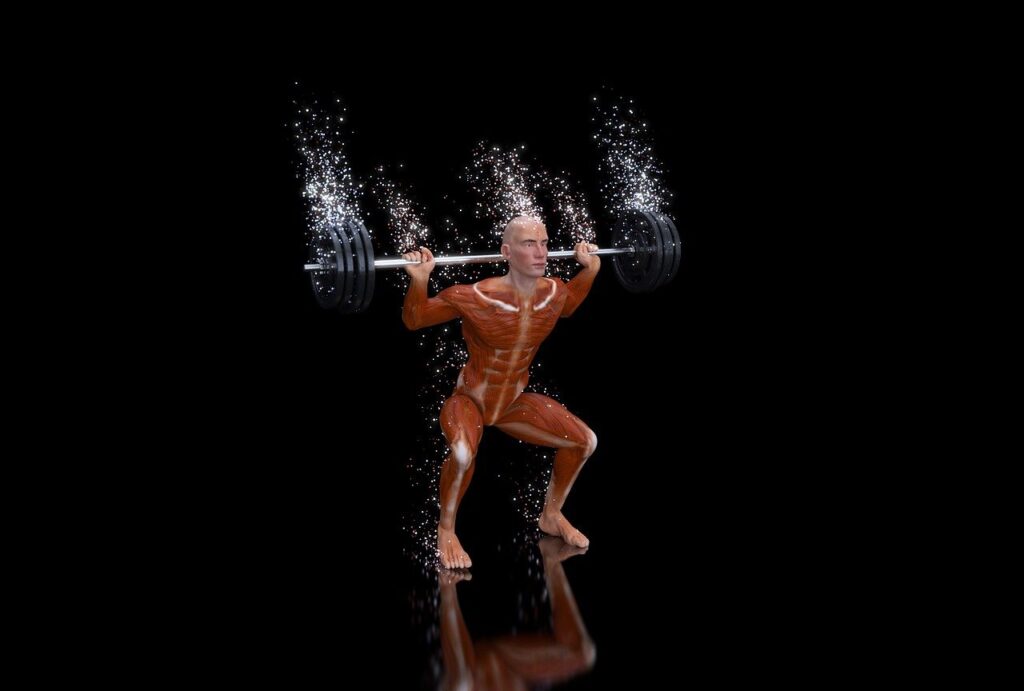
What Is Strength Training?
Strength training, also known as weightlifting or resistance training, involves the use of resistance to induce muscle contraction, which builds strength, anaerobic endurance, and size of skeletal muscles. By regularly practicing strength training, you can improve your muscle mass, bone density, and metabolic rate.
Benefits of Strength Training
Strength training isn’t just for bodybuilders or athletes. It’s beneficial for everyone. Here are some advantages you can look forward to:
- Increased Muscle Mass: Regular training stimulates muscle growth.
- Enhanced Metabolism: The more muscle you have, the more calories you burn, even at rest.
- Strengthened Bones: Weightlifting increases bone density, reducing the risk of osteoporotic fractures.
- Improved Joint Function: Strength training can help improve the stability and mobility of your joints.
- Enhanced Mental Health: The endorphins released during exercise can help reduce stress, anxiety, and depression.
Fundamental Principles of Strength Training
Before diving into specific routines, it’s essential to understand the basic principles that underpin effective strength training.
Progressive Overload
This principle involves gradually increasing the weight, frequency, or number of repetitions in your strength training routine. Doing so forces your muscles to adapt to the new level of effort, resulting in growth and increased strength over time.
Specificity
The exercises you choose should be tailored to your goals. For instance, if your aim is to increase leg strength, your routine should include exercises like squats and lunges.
Individualization
Your strength training program should fit your own specific needs, such as your current fitness level, goals, and any physical limitations.
Recovery
Muscles grow and strengthen during rest periods, not during training. Ensuring proper recovery between sessions is crucial for avoiding injuries and achieving optimum progress.

Best Weightlifting Workout Routines for Strength
Now that you understand the fundamental principles, let’s get into some of the best workout routines designed to increase strength.
5×5 Workout Routine
The 5×5 workout is a classic routine that’s great for building strength and muscle mass. It consists of performing five sets of five repetitions for each exercise. This low-rep, high-weight routine helps to maximize strength gains by focusing on compound movements.
Schedule:
| Day | Exercise 1 | Exercise 2 | Exercise 3 |
|---|---|---|---|
| Mon | Squat (5×5) | Bench Press (5×5) | Barbell Row (5×5) |
| Wed | Squat (5×5) | Overhead Press (5×5) | Deadlift (1×5) |
| Fri | Squat (5×5) | Bench Press (5×5) | Barbell Row (5×5) |
Push/Pull/Legs (PPL) Routine
The Push/Pull/Legs split routine is designed to target different muscle groups on different days, allowing you to focus intensely on each one while giving other muscles time to recover.
Schedule:
| Day | Workout | Exercises |
|---|---|---|
| Mon | Push | Bench Press, Overhead Press, Triceps Dips, Lateral Raises |
| Wed | Pull | Pull-Ups, Barbell Rows, Bicep Curls, Face Pulls |
| Fri | Legs | Squats, Deadlifts, Lunges, Calf Raises |
Upper/Lower Split Routine
The Upper/Lower split routine is another efficient way to structure your week, allowing you to focus on upper and lower body on alternate days, promoting balanced strength development.
Schedule:
| Day | Workout | Exercises |
|---|---|---|
| Tue | Upper Body | Bench Press, Bent Over Rows, Overhead Press, Pull-Ups |
| Thu | Lower Body | Squats, Deadlifts, Leg Press, Calf Raises |
| Sat | Upper Body | Incline Bench Press, T-Bar Rows, Dips, Bicep Curls |
| Sun | Lower Body | Front Squats, Romanian Deadlifts, Lunges, Hamstring Curls |
Key Exercises for Strength Training
Below are some key exercises you should incorporate into your routine to maximize your strength gains.
Squats
Squats are often considered the king of exercises because they work multiple muscle groups, including the quadriceps, hamstrings, glutes, and core.
How to Perform:
- Stand with feet shoulder-width apart.
- Lower your body by bending your knees and hips, keeping your back straight.
- Push through your heels to return to the starting position.
Deadlifts
Deadlifts are a full-body exercise that primarily targets the posterior chain, including the back, glutes, and hamstrings.
How to Perform:
- Stand with feet hip-width apart.
- Bend at your hips and knees to grasp the barbell with an overhand grip.
- Lift the bar by extending your hips and knees simultaneously, keeping your back straight.
Bench Press
The bench press focuses on the chest, shoulders, and triceps, making it essential for upper body strength.
How to Perform:
- Lie on a flat bench with feet firmly on the ground.
- Grip the barbell slightly wider than shoulder-width apart.
- Lower the barbell to your chest and then push it back up to the starting position.
Overhead Press
This exercise targets the shoulders and upper chest, providing a balanced upper-body workout.
How to Perform:
- Stand with feet shoulder-width apart.
- Hold the barbell at shoulder height with palms facing forward.
- Push the barbell overhead until your arms are fully extended.
Barbell Row
Barbell rows are excellent for targeting the back muscles, including the lats and traps.
How to Perform:
- Stand with feet shoulder-width apart, holding a barbell.
- Bend at the waist while keeping your back straight.
- Pull the barbell towards your lower ribcage and squeeze your shoulder blades together.

Warming Up and Cooling Down
Before and after your weightlifting sessions, it’s crucial to properly warm up and cool down to prevent injuries and promote recovery.
Warm-Up Routine
A good warm-up increases your heart rate and loosens up your muscles, preparing your body for strenuous activity.
Examples:
- Dynamic Stretching: Exercises like leg swings, arm circles, and torso twists.
- Light Cardio: Activities like jogging or using a stationary bike for 5-10 minutes.
- Warm-Up Sets: Perform a few sets of the exercise with lighter weights.
Cool-Down Routine
Cooling down helps your body return to its resting state and can reduce muscle soreness.
Examples:
- Light Cardio: Walking or slow cycling for 5 minutes.
- Static Stretching: Hold stretches for each major muscle group for about 30 seconds.
Nutrition and Recovery
Strength training is only one part of the equation. Your diet and recovery play crucial roles in your progress.
Nutritional Guidelines
Your nutrition should support your performance and recovery. Here are some general guidelines:
- Protein: Essential for muscle repair and growth. Aim for 1.2-2.0 grams of protein per kilogram of body weight.
- Carbohydrates: Provide energy for your workouts. Include a good mix of complex carbs like whole grains, fruits, and vegetables.
- Fats: Supports hormonal health. Include healthy fats like avocados, nuts, and olive oil.
- Hydration: Drink plenty of water throughout the day.
Recovery Tips
Proper recovery is essential for muscle growth and to avoid injuries.
- Sleep: Aim for 7-9 hours per night.
- Active Recovery: Light activities like walking or stretching can help improve blood flow and reduce muscle soreness.
- Rest Days: Don’t underestimate the importance of taking days off to let your muscles heal and grow.

Common Mistakes to Avoid
Making mistakes in your training can lead to setbacks and injuries. Here are some common pitfalls to watch out for:
Overtraining
Pushing yourself too hard without adequate rest can lead to overtraining syndrome, characterized by fatigue, irritability, and decreased performance.
Poor Form
Using incorrect form can result in injuries. Focus on mastering the technique before increasing weights.
Neglecting Weak Points
Ignoring weaker muscles can result in imbalances and increase your risk of injury. Make sure to target all major muscle groups.
Ignoring Nutrition
Even the best workout routine won’t compensate for poor nutrition. Ensure you are fueling your body properly.
Sample Weekly Program
Here’s a sample weekly program that combines different exercises and routines for a balanced approach to strength training.
| Day | Routine | Exercises | Notes |
|---|---|---|---|
| Mon | 5×5 | Squat, Bench Press, Barbell Row | Focus on compound lifts |
| Tue | Active Recovery | Light jogging, stretching | Promote blood flow and recovery |
| Wed | Push (PPL) | Bench Press, Overhead Press, Triceps Dips, Lateral Raises | Upper body push movements |
| Thu | Pull (PPL) | Pull-Ups, Barbell Rows, Bicep Curls, Face Pulls | Upper body pull movements |
| Fri | Legs (PPL) | Squats, Deadlifts, Lunges, Calf Raises | Lower body strength |
| Sat | Upper Body (Upper/Lower) | Incline Bench Press, T-Bar Rows, Dips, Bicep Curls | Balanced upper-body workout |
| Sun | Lower Body (Upper/Lower) | Front Squats, Romanian Deadlifts, Lunges, Hamstring Curls | Balanced lower-body workout |
Conclusion
Building strength through weightlifting is a rewarding journey that requires dedication, proper technique, and a well-structured routine. Whether you choose the 5×5, PPL, or Upper/Lower split, ensure that your workouts align with the principles of progressive overload, specificity, individualization, and adequate recovery.
Remember, strength training is not just about lifting heavy weights. It’s about incremental progress, consistent effort, and listening to your body. Combine your efforts with a proper nutritional plan and recovery strategy, and you’ll be well on your way to building substantial strength and improving your overall well-being.
Happy lifting!