
Have you ever wondered what the best workout routines for weight loss are? Whether you’re at the beginning of your weight loss journey or looking to break through a plateau, finding effective exercises tailored to your needs can make all the difference. By incorporating a mix of cardio, strength training, and flexibility exercises, you can enhance your fitness level and shed those extra pounds.
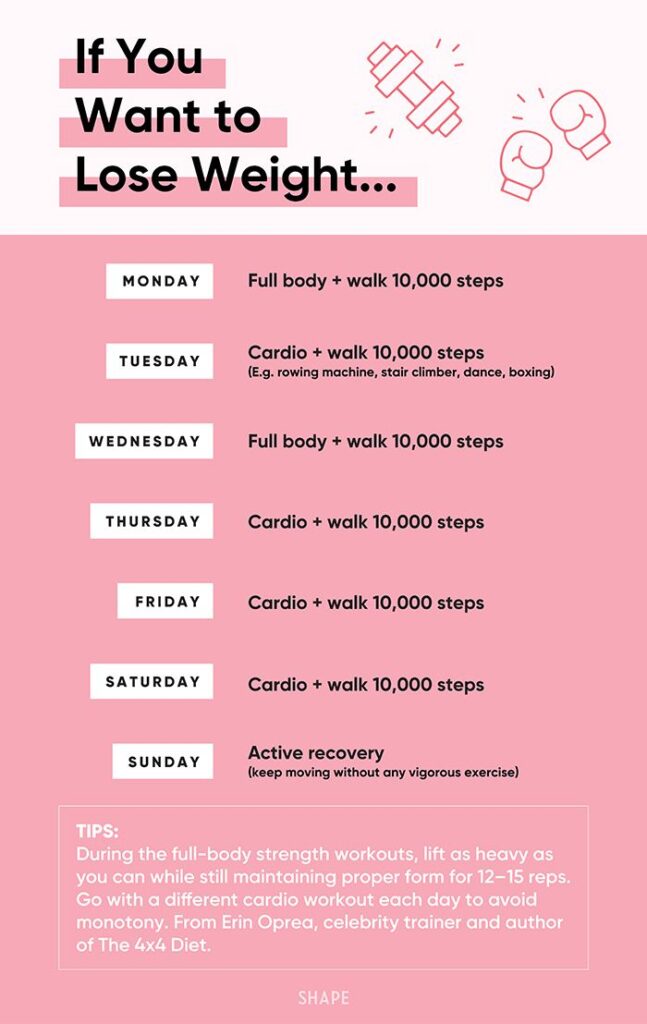
Understanding Weight Loss
Before jumping into workout routines, it’s crucial to understand the basics of weight loss. At its core, weight loss revolves around burning more calories than you consume. This can be achieved through a combination of diet and exercise. However, the kind of exercise you choose plays a pivotal role in how efficiently you lose weight.
The Role of Exercise in Weight Loss
Exercise influences weight loss by:
- Increasing Caloric Expenditure: Activities like running and swimming help burn a significant number of calories.
- Boosting Metabolism: Strength training promotes muscle growth, which can elevate your resting metabolic rate.
- Enhancing Mood and Reducing Stress: Regular physical activity releases endorphins, improving your mental well-being and making it easier to stick to your weight loss goals.
Now, let’s look at the different types of workout routines that can help you achieve effective weight loss.
Cardiovascular (Cardio) Workouts
Cardiovascular exercises are designed to raise your heart rate, which helps you burn calories and fat. They are some of the most effective workouts for weight loss.
Steady-State Cardio
Steady-state cardio involves maintaining a consistent intensity level throughout the workout. Examples include jogging, swimming, or cycling at a steady pace.
Benefits:
- Easier for beginners to get started.
- Can be sustained for longer periods.
Sample Routine:
| Day | Activity | Duration |
|---|---|---|
| Monday | Jogging | 30 min |
| Wednesday | Swimming | 30 min |
| Friday | Cycling | 30 min |
High-Intensity Interval Training (HIIT)
HIIT involves short bursts of intense activity followed by brief recovery periods. This method maximizes calorie burn in a short time.
Benefits:
- Efficiently burns calories.
- Keeps metabolism elevated post-exercise.
Sample Routine:
| Day | Activity | Duration |
|---|---|---|
| Tuesday | Sprint/Walk intervals | 20 min |
| Thursday | Jump rope | 20 min |
| Saturday | Circuit training | 25 min |
These workouts are particularly effective because they can continue to burn calories even after you’ve finished exercising.
Strength Training
While cardio is excellent for burning calories, incorporating strength training is essential for long-term weight loss and muscle toning. Building muscle mass helps increase your resting metabolic rate, allowing you to burn more calories throughout the day.
Weight Lifting
Weight lifting can be done using free weights like dumbbells and barbells or machines at the gym.
Benefits:
- Builds muscle, which burns more calories at rest.
- Improves overall strength and endurance.
Sample Routine:
| Day | Exercise | Sets | Reps |
|---|---|---|---|
| Monday | Squats | 3 | 12 |
| Bench Press | 3 | 10 | |
| Wednesday | Deadlifts | 3 | 8 |
| Shoulder Press | 3 | 10 | |
| Friday | Lunges | 3 | 12 |
| Bicep Curls | 3 | 15 |
Bodyweight Exercises
If you don’t have access to a gym, bodyweight exercises like push-ups, squats, and planks can be equally effective.
Benefits:
- Can be done anywhere without equipment.
- Engages multiple muscle groups.
Sample Routine:
| Day | Exercise | Sets | Reps |
|---|---|---|---|
| Tuesday | Push-ups | 3 | 15 |
| Bodyweight Squats | 3 | 20 | |
| Thursday | Planks | 3 | 1 min |
| Burpees | 3 | 12 |
Flexibility and Balance Exercises
Although often overlooked, flexibility and balance exercises are essential for a well-rounded fitness regimen. They can help prevent injuries and improve overall movement efficiency.
Yoga
Yoga enhances flexibility, balance, and mental focus, and it can also serve as a form of low-intensity cardio depending on the style.
Benefits:
- Improves flexibility and reduces the risk of injuries.
- Aids in stress relief and mental well-being.
Sample Routine:
| Day | Style | Duration |
|---|---|---|
| Wednesday | Hatha Yoga | 45 min |
| Sunday | Vinyasa Yoga | 45 min |
Pilates
Pilates focuses on core strength, stability, and flexibility and is excellent for toning muscles without adding bulk.
Benefits:
- Strengthens the core.
- Improves balance and posture.
Sample Routine:
| Day | Exercise | Duration |
|---|---|---|
| Tuesday | Mat Pilates | 30 min |
| Thursday | Reformer Pilates | 30 min |
Combining Workouts for Maximum Effectiveness
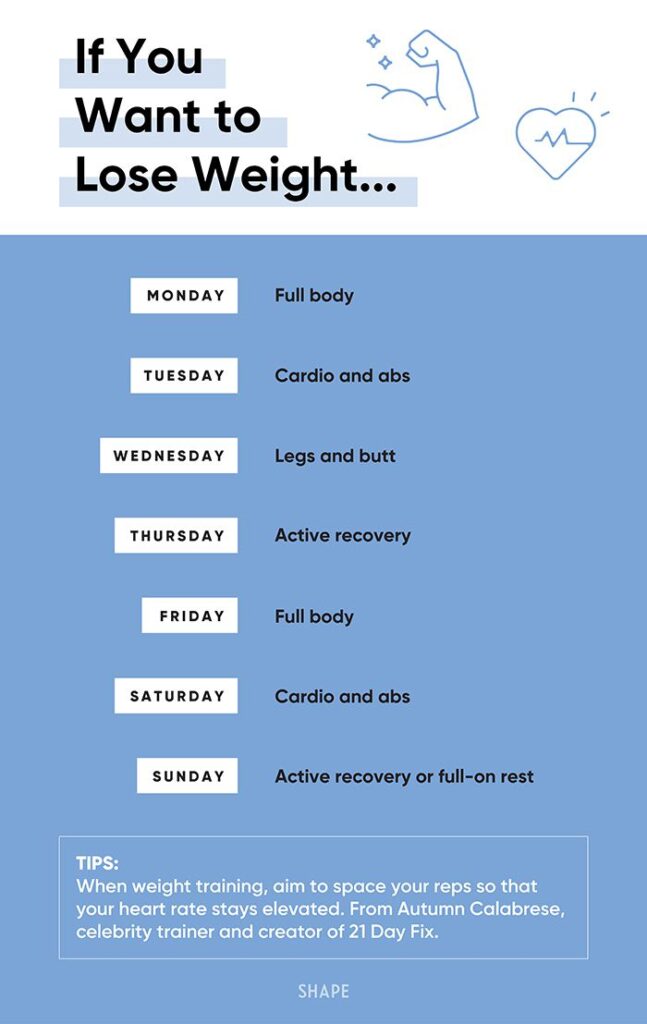
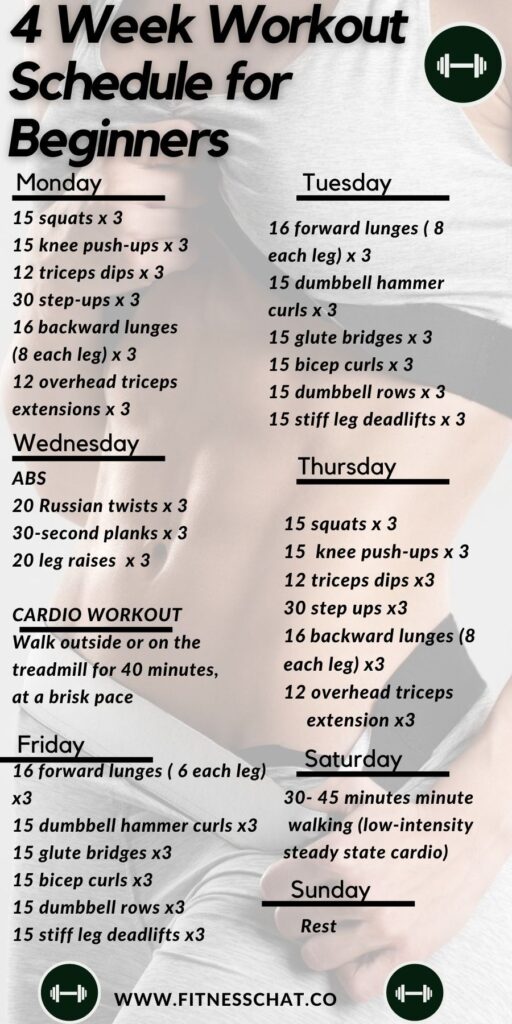
Combining different types of exercise can make your routine more effective and enjoyable. A well-balanced plan that includes cardio, strength training, and flexibility will yield the best results.
Weekly Workout Plan
Here’s a sample weekly plan that incorporates all the types of exercises mentioned:
Sample Weekly Plan:
| Day | Type of Workout | Duration |
|---|---|---|
| Monday | Steady-State Cardio | 30 min |
| Tuesday | Strength Training | 45 min |
| Wednesday | Yoga | 45 min |
| Thursday | HIIT | 20 min |
| Friday | Strength Training | 45 min |
| Saturday | Steady-State Cardio | 30 min |
| Sunday | Pilates | 30 min |
This plan ensures a balanced approach to your workouts, providing enough variety to keep your muscles guessing and boredom at bay.
Nutrition: Complementing Your Workout Routine
Exercise alone isn’t enough. Proper nutrition is equally important for achieving and maintaining weight loss.
Caloric Intake
To lose weight, you need to be in a caloric deficit, meaning you consume fewer calories than you burn.
Tips:
- Track your daily caloric intake using a food diary or app.
- Aim for a moderate deficit of 500-750 calories per day.
Macronutrients
Balancing your intake of macronutrients (carbohydrates, proteins, and fats) is crucial.
Carbohydrates:
- Opt for whole grains, vegetables, and fruits.
- Limit refined sugars and processed foods.
Proteins:
- Include lean sources like chicken, fish, and legumes.
- Protein is vital for muscle repair and growth.
Fats:
- Focus on healthy fats found in avocados, nuts, and olive oil.
- Avoid trans fats and limit saturated fats.
Hydration
Staying hydrated is essential, especially when engaging in regular workouts.
Tips:
- Drink at least 8 glasses of water per day.
- Hydrate before, during, and after exercise.
Rest and Recovery
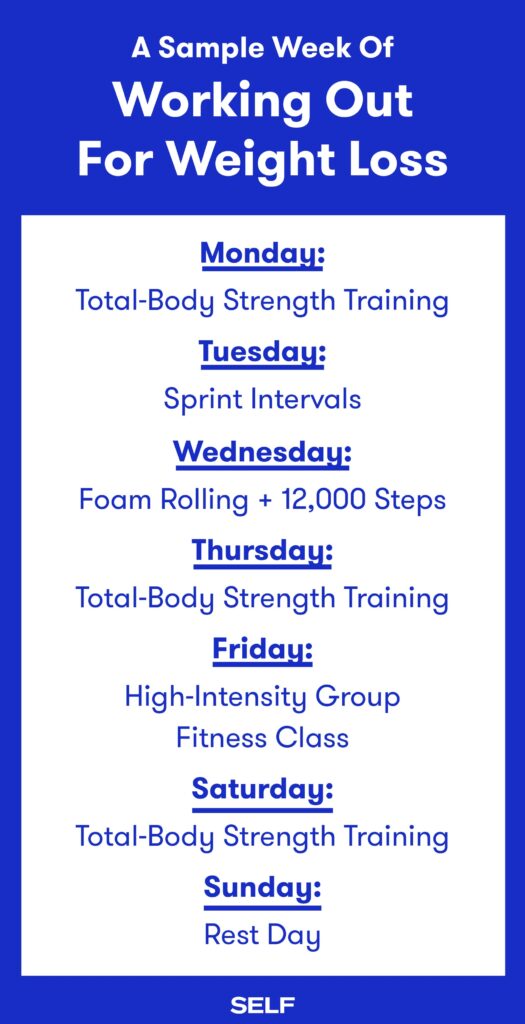
Don’t underestimate the importance of rest and recovery in your weight loss journey. Your muscles need time to repair and grow stronger.
Sleep
Getting adequate sleep is critical for overall health and supports weight loss.
Tips:
- Aim for 7-9 hours of sleep per night.
- Maintain a consistent sleep schedule.
Active Recovery
Active recovery includes low-intensity activities that promote blood flow and muscle recovery.
Sample Activities:
- Walking
- Gentle stretching
- Light yoga
Tracking Your Progress
Regularly tracking your progress can keep you motivated and help you make necessary adjustments to your routine.
Methods to Track Progress
Weight:
- Weigh yourself once a week, ideally at the same time of day.
Body Measurements:
- Use a tape measure to track the size of your waist, hips, arms, and thighs.
Photos:
- Take progress photos monthly to visually assess changes.
Performance:
- Keep a workout journal to record your performance and improvements in strength and endurance.
Common Pitfalls and How to Avoid Them
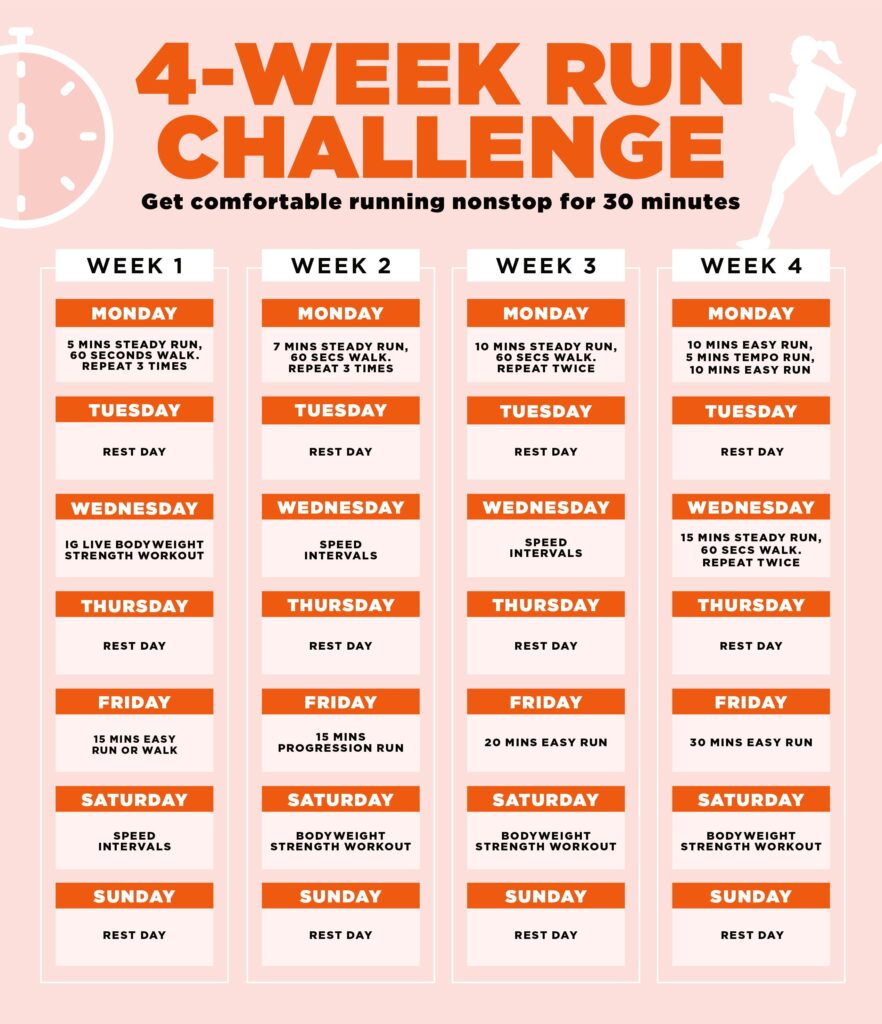
Many people encounter obstacles on their weight loss journey. Here are some common pitfalls and tips to overcome them.
Overtraining
Overtraining can lead to burnout and injuries.
Solution:
- Ensure you have at least one rest day per week.
- Listen to your body and stop if you feel pain.
Inconsistent Diet
An inconsistent diet can sabotage your weight loss efforts.
Solution:
- Plan your meals in advance.
- Keep healthy snacks on hand to avoid unhealthy choices.
Lack of Motivation
It’s natural for motivation to wane over time.
Solution:
- Set short-term goals to stay focused.
- Find a workout buddy to keep you accountable.
Customizing Your Workout Plan
Every individual is different, so feel free to customize your workout plan to suit your specific needs and preferences.
Adapt to Your Fitness Level
Start with exercises that match your current fitness level and gradually increase the intensity as you improve.
Example:
- Begin with 3 days a week of moderate exercise and work up to 5-6 days.
Consider Personal Preferences
Choosing activities you enjoy makes it more likely you’ll stick with your routine.
Example:
- If you love dancing, consider incorporating dance workouts into your plan.
Conclusion
The journey to weight loss is a marathon, not a sprint. By integrating a variety of cardio, strength, and flexibility exercises into your weekly routine, and coupling these with a balanced diet and adequate rest, you can achieve sustainable weight loss. Remember to listen to your body, track your progress, and most importantly, enjoy the process. With determination and the right approach, you can achieve your weight loss goals and improve your overall health.