
Are you just starting your fitness journey and feeling overwhelmed about picking the right shoes? Finding the perfect pair of workout shoes can make a significant difference in your comfort, performance, and even your motivation. Shoes are not one-size-fits-all, and the right pair can vary depending on the type of exercise you plan to do. Let’s get into the nitty-gritty of choosing the right shoes for beginner fitness enthusiasts.
Understanding Your Fitness Goals
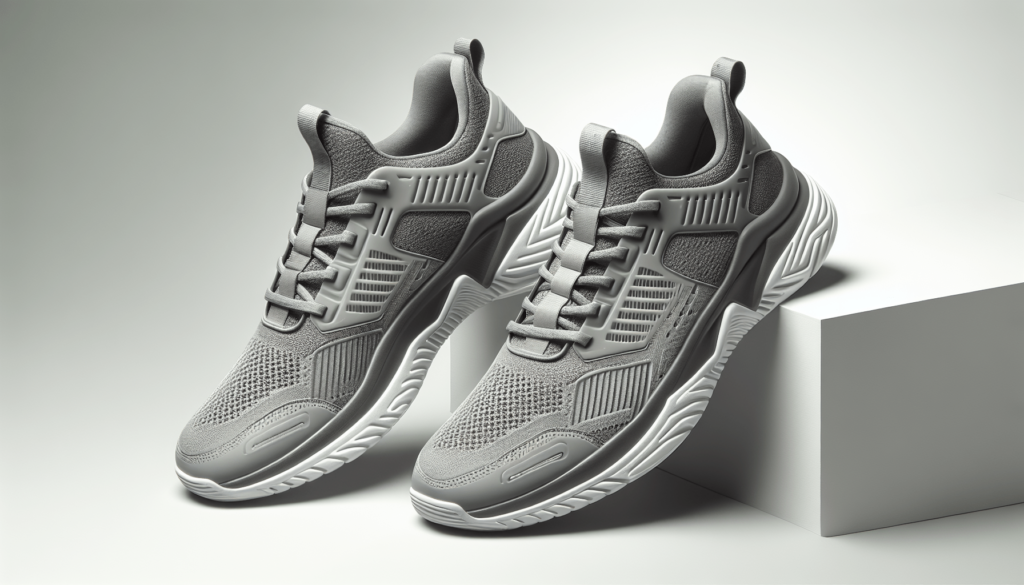
Before you purchase a new pair of workout shoes, understanding your specific fitness goals is crucial. Are you planning to run, lift weights, attend fitness classes, or engage in cross-training? Knowing your primary fitness activity will guide you in selecting shoes that provide the necessary support and comfort.
Running
Running shoes are specifically designed for forward motion and cushioning, ideal for mitigating the repetitive impact on your joints. These shoes typically feature a higher heel drop to aid in forward propulsion.
Weightlifting
Weightlifting shoes have a flat sole and a solid, stable base. This structure improves your ground contact, balances your weight, and helps you lift heavier weights more safely.
Fitness Classes
Shoes for fitness classes like Zumba, aerobics, or HIIT need to be supportive and versatile. They often include features for lateral stability since you will be moving in multiple directions.
Cross-Training
Cross-trainers are multi-functional shoes that offer a blend of flexibility, support, and durability. These are suitable for various activities like gym workouts, aerobics, and running.
Key Features to Consider
Understanding the features of fitness shoes can help you make an informed decision.
Cushioning
Adequate cushioning is essential to absorb shock and prevent injury. Choose shoes with appropriate cushioning based on the intensity and impact level of your workouts.
Cushioning Types
| Cushioning Type | Description | Best For |
|---|---|---|
| Maximum Cushioning | Provides high levels of shock absorption | Running, High-impact activities |
| Moderate Cushioning | Offers balanced support and comfort | General fitness, Walking, Light running |
| Minimal Cushioning | Minimalist design, close to barefoot feel | Weightlifting, Short runs, Cross-training |
Stability
Stability features in fitness shoes help you maintain proper alignment and balance. This becomes particularly vital when engaging in dynamic or weight-bearing activities.
Stability Features
| Feature | Description | Best For |
|---|---|---|
| Arch Support | Supports the arch of your foot, preventing overpronation or underpronation | Running, Walking, Cross-training |
| Heel Counter | A firm cup surrounding the heel for additional control and support | Weightlifting, Cross-training |
| Lateral Support | Enhances side-to-side stability | Fitness classes, Cross-training |
Flexibility
Shoes that allow natural foot movement and adapt to your foot’s mechanics can improve your performance.
Flexibility Features
| Flexibility Feature | Description | Best For |
|---|---|---|
| Flexible Sole | Promotes natural movement and adaptability | Running, Cross-training, Fitness classes |
| Lightweight Material | Reduces the burden on your feet, improving agility | Running, Aerobics, Cross-training |
Durability
Your shoes should be durable enough to withstand regular use and the specific demands of your chosen activity. Look for high-quality materials and robust construction.
Fit
No matter how well designed the shoe is, if it doesn’t fit right, it won’t perform right. Ensure there’s enough room in the toe box, the heel fits snugly, and there’s no pinching or slipping.
Fit Guidelines
| Fit Aspect | Description | Tip |
|---|---|---|
| Toe Box | Space for toes to move freely without being cramped | Leave about a thumb’s width between your longest toe and the front of the shoe |
| Heel | Should feel snug and secure without slipping | Opt for a slightly tighter fit as shoes can stretch over time |
| Width | Should match the width of your foot | Some brands offer different width options (narrow, regular, wide) |
Types of Running Shoes
If running is your primary fitness activity, it’s beneficial to understand the different types of running shoes available.
Road Running Shoes
Designed for pavement and hard-packed surfaces, these shoes offer cushioning and shock absorption. They are lightweight and flexible to promote a smooth stride.
Trail Running Shoes
If your running route includes natural trails with rocks, mud, and other obstacles, trail running shoes provide extra grip, stability, and protection.
Track Running Shoes
These shoes are built for speed and are commonly worn by track athletes. They have a minimalistic design and are often equipped with spikes for improved traction.
Choosing Weightlifting Shoes
Weightlifting shoes are essential for providing stability and support during heavy lifts. These shoes have a hard, flat sole and an elevated heel to help maintain proper form.
Key Features of Weightlifting Shoes
- Elevated Heel: Helps you achieve a deeper squat and maintain balance.
- Strap System: Adds an extra layer of security and support.
- Rigid Sole: Provides a stable base for lifting heavy loads.
Selecting Shoes for Fitness Classes
Shoes for fitness classes should offer a mix of cushioning, flexibility, and lateral support. These features allow for quick movements and changes in direction without sacrificing comfort.
Important Features for Fitness Class Shoes
- Multi-Directional Traction: Ensures stability during lateral movements.
- Breathable Material: Keeps your feet cool and reduces sweating.
- Shock Absorption: Reduces the impact on joints during high-energy routines.
Factors Influencing Durability
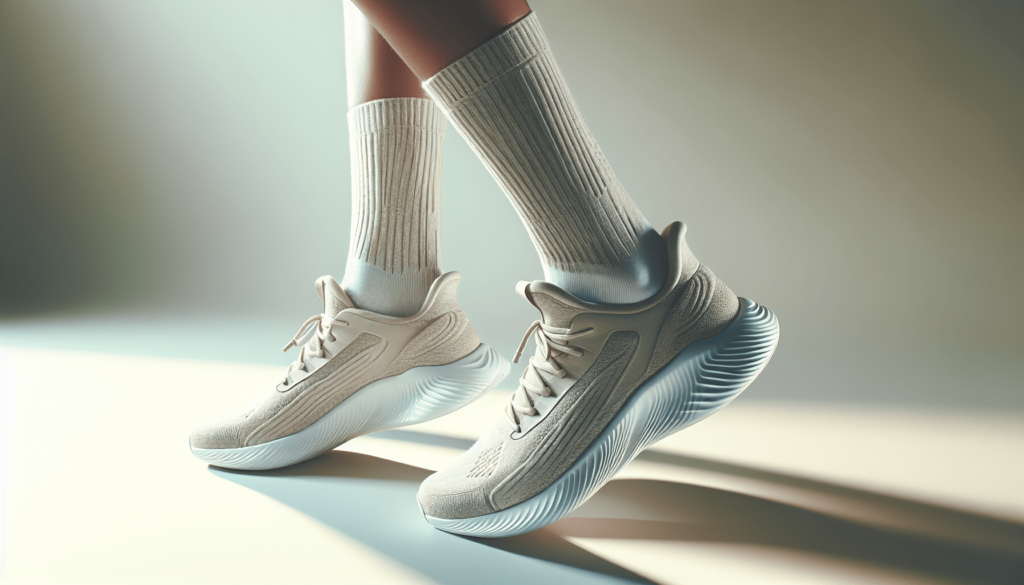
The durability of fitness shoes is influenced by several factors, including materials, construction, and how you use them.
Materials
High-quality materials like reinforced mesh, synthetic leather, and durable rubber can extend the lifespan of your shoes.
Construction
Well-constructed shoes with reinforced stitching and quality adhesives tend to last longer than poorly made ones.
Usage
The way you use your shoes also affects their durability. For example, running shoes should not be used for weightlifting and vice versa.
Proper Shoe Maintenance
Taking care of your fitness shoes can extend their life and keep them functioning optimally.
Cleaning
Regularly clean your shoes to remove dirt, sweat, and bacteria. Most shoes can be wiped down with a damp cloth and mild soap. Avoid soaking them in water or using harsh chemicals.
Drying
Allow your shoes to air dry naturally. Do not place them in direct sunlight or use a dryer, as extreme heat can damage the materials.
Storage
Store your shoes in a cool, dry place. Avoid placing them in damp or overly hot areas.
Knowing When to Replace Your Shoes
Even the best shoes wear out over time and need to be replaced to ensure ongoing support and comfort.
Signs It’s Time for New Shoes
- Visible Wear: Holes, torn fabric, or significantly worn-out soles.
- Reduced Cushioning: If the shoes no longer feel as comfortable or cushiony as they once did.
- Pain or Discomfort: New aches and pains could indicate your shoes are not providing adequate support.
Common Mistakes to Avoid
There are common pitfalls that beginners often fall into when selecting fitness shoes.
Buying Based on Appearance
While it’s tempting to choose shoes for their looks, prioritize functionality over fashion. The best-looking shoe might not be the one that offers the best support and comfort for your activities.
Ignoring Professional Advice
Consulting with specialists or knowledgeable sales staff can provide valuable insights tailored to your needs. Don’t overlook professional advice.
Skipping the Break-In Period
New shoes often require a break-in period before they feel comfortable. Don’t jump into intense workouts with new shoes; instead, wear them gradually to let your feet adjust.
Consulting Experts
If you’re uncertain about which shoes to select, consulting a podiatrist or visiting a specialty store could be beneficial. These professionals can conduct a gait analysis and offer personalized recommendations.
What is a Gait Analysis?
A gait analysis examines how you walk or run to determine any abnormalities or inefficiencies in your movement. This assessment can help in selecting shoes that correct or accommodate your specific needs.
Tips for Trying On Shoes
Trying on shoes properly can help ensure you choose the right pair.
Time of Day
Feet tend to swell throughout the day, so try on shoes in the afternoon or evening when your feet are at their largest.
Bring Your Socks
Wear the type of socks you intend to use with the shoes to get the most accurate fit.
Test Them Out
Walk or jog around the store to get a feel for the shoes’ comfort and support.
Popular Brands and Their Offerings
Several reputable brands offer a range of fitness shoes to suit various needs. Knowing which brands specialize in specific types of fitness shoes can further guide your selection.
Nike
Known for their innovative designs and technology, Nike offers a wide variety of running and cross-training shoes.
Adidas
Adidas is reputed for their durability and performance, especially in running and weightlifting shoes.
Reebok
Reebok provides excellent options for CrossFit and other high-intensity training shoes.
Asics
Asics specializes in running shoes with advanced cushioning and stability features.
Summing It Up
Choosing the right shoes for beginner fitness is a multifaceted decision that involves understanding your fitness goals, knowing key shoe features, and even considering how you maintain and use your shoes. By paying attention to these elements, you can find a pair that not only fits well but also enhances your overall workout experience.
Investing time and effort in selecting the right shoes can go a long way in enhancing your performance and preventing injuries. Here’s to finding the perfect pair and making your fitness journey a more comfortable and enjoyable experience!