
Have you ever wondered how professional athletes prevent injuries and optimize their performance through effective warm-up routines? If you’re seeking to elevate your athletic performance to new heights, incorporating dynamic warm-up routines is essential. This article will guide you through advanced techniques that go beyond traditional stretching, targeted specifically toward advanced athletes. Let’s explore how dynamic warm-ups can help enhance your performance and keep you at the top of your game.

The Importance of Dynamic Warm-Up Routines
Before diving into the specifics, understanding the significance of dynamic warm-up routines is crucial. Unlike static stretching, which involves holding a stretch for a prolonged period, dynamic warm-ups consist of active movements that help prepare your muscles and joints for the physical demands of your sport or exercise.
Benefits of Dynamic Warm-Ups
Dynamic warm-ups offer numerous advantages, including:
- Improved Flexibility and Range of Motion: Dynamic movements help increase your muscles’ elasticity and improve joint flexibility, allowing for a more extensive range of motion during activity.
- Enhanced Muscle Activation: Activating the muscles you’ll use during your workout ensures they’re ready to perform at their best, minimizing the risk of injury.
- Increased Blood Flow and Heart Rate: Gradually increasing your heart rate and blood flow helps deliver oxygen and nutrients to your muscles, preparing them for high-intensity activity.
- Enhanced Neuromuscular Coordination: Dynamic exercises improve the communication between your brain and muscles, leading to better coordination and performance.
Designing an Effective Dynamic Warm-Up Routine
Crafting an effective dynamic warm-up routine involves several components, including general warm-up exercises, sport-specific drills, and mobility work. Let’s break down each aspect to create a comprehensive, advanced warm-up routine.
General Warm-Up Exercises
General warm-up exercises are designed to increase your heart rate and blood flow to the muscles. These exercises should be performed at a moderate intensity and can include:
- Jogging or Light Running: Start with 5-10 minutes of light jogging or running to raise your heart rate and increase circulation.
- Jumping Jacks: Perform 2-3 sets of 20-30 jumping jacks to engage your entire body.
- Skipping Rope: Spend 3-5 minutes skipping rope to improve coordination and cardiovascular endurance.
Sport-Specific Drills
Incorporating sport-specific drills into your warm-up routine helps mimic the movements you’ll perform during your activity, enhancing muscle memory and readiness. Tailor these drills to your sport or exercise:
For Soccer Players
- High Knees: Perform high knees for 2-3 sets of 20-30 seconds, focusing on quick, high movements that engage your hip flexors and glutes.
- Leg Swings: Stand next to a wall or post and swing one leg forward and backward, then side to side. Perform 2-3 sets of 10-15 swings per leg, focusing on the full range of motion.
For Basketball Players
- Defensive Slides: Perform lateral defensive slides for 2-3 sets of 30 seconds, emphasizing quick, controlled movements.
- Dribbling Drills: Dribble a basketball through a cone drill for 2-3 minutes, focusing on maintaining control and speed.
For Track and Field Athletes
- Butt Kicks: Perform butt kicks for 2-3 sets of 20-30 seconds, ensuring your heels touch your glutes each time.
- Bounding: Perform bounding exercises for 2-3 sets of 30 meters, focusing on explosive, powerful strides.
Mobility Work
Incorporating mobility exercises into your dynamic warm-up routine helps improve joint function and flexibility, reducing the risk of injury. Focus on joints commonly used in your sport or activity:
- Hip Circles: Stand on one leg and perform circles with the lifted leg, 10-15 circles in each direction for 2-3 sets per leg. This helps improve hip joint mobility.
- Arm Circles: Perform arm circles in both forward and backward directions, 10-15 circles in each direction for 2-3 sets per arm to enhance shoulder mobility.
- Ankle Mobility Drills: Flex and extend your ankles, or perform ankle circles, 10-15 repetitions in each direction for 2-3 sets per ankle to improve ankle flexibility and reduce injury risk.

Sample Dynamic Warm-Up Routines
To give you a better understanding of how to apply the principles discussed, here are sample dynamic warm-up routines tailored for different sports.
Soccer Warm-Up Routine
| Exercise | Sets | Reps/Time |
|---|---|---|
| Light Jogging | 1 | 5 minutes |
| High Knees | 2-3 | 30 seconds |
| Leg Swings | 2-3 | 10-15 per leg |
| Defensive Slides | 2-3 | 30 seconds |
| Butt Kicks | 2-3 | 20-30 seconds |
| Hip Circles | 2-3 | 10-15 per leg |
Basketball Warm-Up Routine
| Exercise | Sets | Reps/Time |
|---|---|---|
| Light Running | 1 | 5 minutes |
| Jumping Jacks | 2-3 | 20-30 reps |
| Arm Circles | 2-3 | 10-15 per arm |
| Defensive Slides | 2-3 | 30 seconds |
| Dribbling Drills | 1 | 2-3 minutes |
| Bounding | 2-3 | 30 meters |
Track and Field Warm-Up Routine
| Exercise | Sets | Reps/Time |
|---|---|---|
| Light Jogging | 1 | 5 minutes |
| High Knees | 2-3 | 30 seconds |
| Butt Kicks | 2-3 | 20-30 seconds |
| Leg Swings | 2-3 | 10-15 per leg |
| Bounding | 2-3 | 30 meters |
| Ankle Mobility | 2-3 | 10-15 each |
Incorporating Flexibility and Balance Work
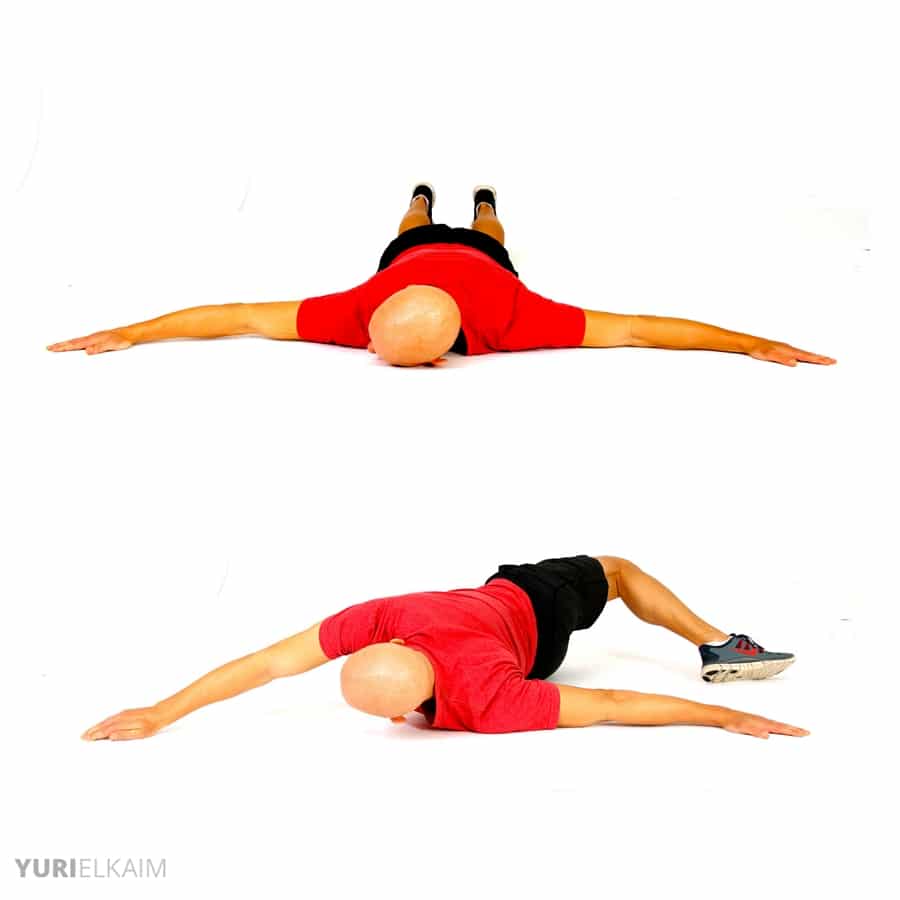
For advanced athletes, flexibility and balance are crucial components of performance. Incorporate these elements into your dynamic warm-up routine to ensure your body is fully prepared for the activity ahead.
Flexibility Exercises
Integrate dynamic flexibility exercises to improve muscle elasticity and joint range of motion:
- Dynamic Hamstring Stretch: Stand with feet hip-width apart, extend one leg straight in front of you and swing it upward, aiming to touch your hand. Perform 2-3 sets of 10-15 swings per leg.
- Hip Flexor Stretch: Begin in a lunge position with your back knee on the ground. Push your hips forward gently and then return to the starting position. Perform 2-3 sets of 10-15 repetitions per leg.
Balance Exercises
Including balance exercises in your warm-up routine helps improve stability and coordination, reducing the risk of falls and injuries:
- Single-Leg Balance: Stand on one leg and hold the position for 20-30 seconds. To increase difficulty, close your eyes or perform small arm movements. Complete 2-3 sets per leg.
- Bosu Ball Balance: Stand on a Bosu ball or balance board and try to maintain your balance for 20-30 seconds. Perform 2-3 sets to challenge your proprioceptive abilities.
Customizing Your Dynamic Warm-Up
No two athletes are identical, and your warm-up routine should reflect your unique needs and goals. As you design your dynamic warm-up, consider the following factors:
Training Goals
Tailor your dynamic warm-up to align with your training goals. If you’re focusing on enhancing speed and agility, include exercises that emphasize quick, explosive movements. For strength training, prioritize exercises that activate major muscle groups and prepare your body for heavy lifting.
Problem Areas
Address any problem areas or previous injuries in your warm-up routine. If you have a history of knee issues, incorporate exercises that strengthen the muscles around the knee and improve joint stability. Always listen to your body and adjust your routine as needed.
Progression and Variation
As you progress in your training, your dynamic warm-up routine should evolve too. Gradually increase the intensity and complexity of your warm-up exercises to match your growing capabilities. Additionally, incorporate variation to keep your warm-up engaging and effective.
Common Mistakes and How to Avoid Them
Even advanced athletes can fall into common pitfalls when it comes to warming up. Being aware of these mistakes can help you optimize your routine and prevent injuries.
Skipping the Warm-Up
One of the most significant mistakes athletes make is skipping their warm-up altogether. Regardless of your level of experience, warming up is essential for preparing your body for the demands of your sport or activity. Always dedicate time to a thorough warm-up before diving into your workout.
Rushing Through the Exercises
A rushed warm-up can be just as detrimental as skipping it entirely. Allow yourself enough time to perform each exercise deliberately and with proper form. A minimum of 15-20 minutes for a dynamic warm-up is generally recommended.
Neglecting Specific Muscle Groups
Ensure your warm-up routine targets all the major muscle groups and joints involved in your activity. Neglecting specific areas can lead to imbalances and increase the risk of injury. Customize your routine to address your entire body comprehensively.

Monitoring and Adjusting Based on Feedback
Your body provides valuable feedback, and it’s crucial to listen and adjust your dynamic warm-up routine accordingly. Pay attention to how you feel during and after your warm-up.
Signs Your Warm-Up Is Effective
- Increased Heart Rate: Your heart rate should be elevated, but you should not feel exhausted.
- Improved Range of Motion: You should notice a greater range of motion in your joints and muscles.
- Enhanced Mental Focus: A good warm-up helps sharpen your mental focus and readiness for the activity ahead.
Signs You Need to Adjust
- Persistent Discomfort: If you experience sharp pain or persistent discomfort during your warm-up, it’s a sign that you need to modify the exercises.
- Lack of Engagement: If certain muscle groups feel “cold” or unengaged, incorporate specific exercises to activate those areas.
- Fatigue: Feelings of excessive fatigue or tiredness indicate that your warm-up may be too intense. Scale back the intensity to find a balance that prepares you without draining your energy.
Science Behind Dynamic Warm-Ups
Understanding the science behind dynamic warm-ups can further reinforce their importance and effectiveness. Various physiological and neurological mechanisms come into play during a dynamic warm-up.
Increased Muscle Temperature
Dynamic warm-up exercises elevate your body’s core temperature, leading to an increase in muscle temperature. Warmer muscles contract more forcefully and relax more quickly, improving both performance and reducing the likelihood of strains or injuries.
Enhanced Synovial Fluid Production
Performing dynamic movements helps increase the production of synovial fluid within your joints. This lubricating fluid reduces joint friction, allowing smoother and more comfortable movement.
Activation of the Central Nervous System
Dynamic warm-ups stimulate your central nervous system, enhancing neuromuscular coordination. This improved communication between your brain and muscles translates to better performance and reaction times during your activity.
Notable Examples from Professional Athletes
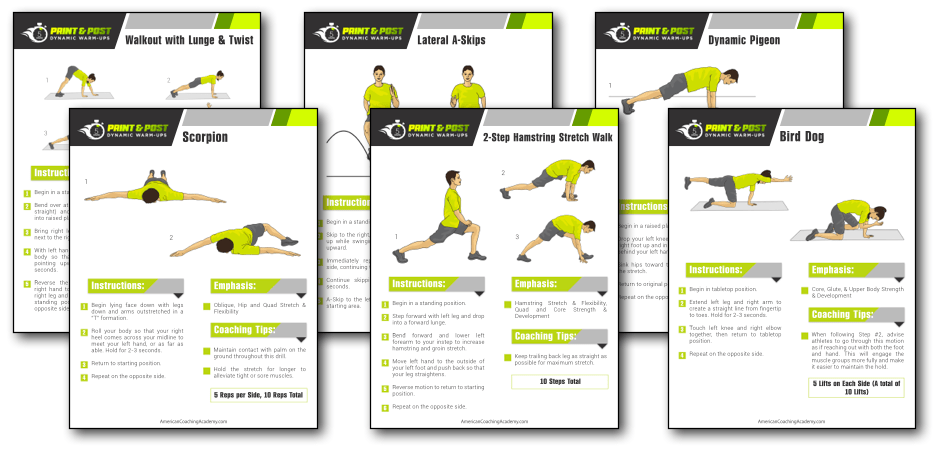
Observing how professional athletes incorporate dynamic warm-ups into their routines can provide inspiration and insight. Here are a couple of notable examples:
Usain Bolt
Usain Bolt, one of the fastest sprinters in history, places significant emphasis on his warm-up routine. His dynamic warm-up includes high knees, butt kicks, leg swings, and bounding exercises. These movements prepare his body for the explosive power and speed required for sprinting.
Serena Williams
Tennis legend Serena Williams incorporates a comprehensive dynamic warm-up before matches and training sessions. Her routine includes jogging, shuffle drills, dynamic stretching, and sport-specific movements. These exercises help her enhance flexibility, coordination, and overall performance on the court.
Practical Tips for Implementing Your Routine
To make the most of your dynamic warm-up routine, consider the following practical tips:
Consistency is Key
Consistency is crucial for reaping the benefits of a dynamic warm-up. Make it a non-negotiable part of your training regimen, and over time, you’ll notice improved performance and reduced injury risk.
Stay Hydrated
Proper hydration is essential for optimal muscle function and performance. Drink water before, during, and after your warm-up to ensure your body is adequately hydrated.
Focus on Form
Pay close attention to your form during each warm-up exercise. Performing movements with incorrect form can lead to injuries and undermine the effectiveness of your routine. If needed, work with a coach or trainer to ensure you’re executing exercises correctly.
Listen to Your Body
Your body knows best. If a particular exercise feels uncomfortable or painful, modify or replace it with a different movement. Always prioritize your safety and well-being.
Gradually Increase Intensity
As you become more comfortable with your dynamic warm-up routine, gradually increase the intensity and complexity of the exercises. This progression helps you continue to challenge your body and improve your athletic performance.
Conclusion
Dynamic warm-up routines are a powerful tool for advanced athletes seeking to optimize their performance and reduce the risk of injuries. By incorporating general warm-up exercises, sport-specific drills, and mobility work, you can create a comprehensive routine tailored to your unique needs and goals. Remember to stay consistent, listen to your body, and focus on proper form. With dedication and the right approach, your dynamic warm-up routine will become an integral part of your journey to athletic excellence.