
Have you ever felt like stress is taking over your life? Stress is a widespread concern that can creep into every aspect of your day, from your job to your personal relationships. Thankfully, there are effective stress management techniques that can help you achieve a balanced lifestyle. Below, you’ll find practical methods broken down into digestible pieces so you can easily incorporate them into your daily routine.
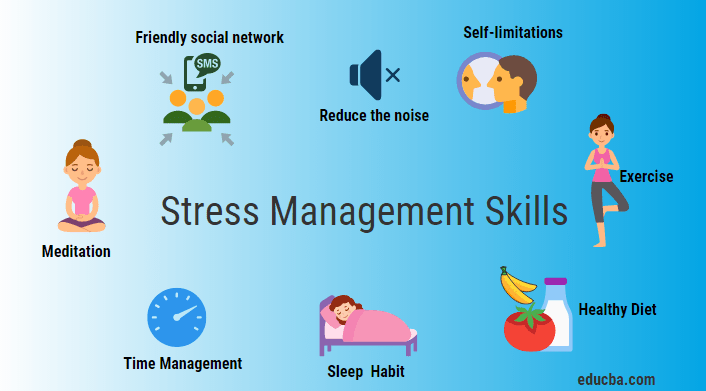
Understanding Stress and Its Impact
Stress is your body’s natural response to challenging situations. While a small amount of stress can be motivating, chronic stress can lead to adverse effects on your physical and mental health. By understanding the causes and impact of stress, you can better manage and mitigate its effects.
What is Stress?
Stress is a psychological and physical response to external pressures or demands. Common stressors include work deadlines, financial issues, and personal relationships. Your body reacts to stress by releasing hormones like adrenaline and cortisol, which prepare you for a “fight or flight” response.
Effects of Chronic Stress
When stress becomes chronic, it can wreak havoc on your well-being. Some of the common consequences of prolonged stress include:
- Physical Symptoms: Headaches, muscle tension, fatigue, and disrupted sleep.
- Emotional Symptoms: Anxiety, irritability, and depression.
- Behavioral Symptoms: Changes in appetite, increased substance use, and withdrawal from social activities.
Understanding these symptoms can help you recognize when you’re under too much stress and take steps to alleviate it.
Daily Stress Management Techniques
Incorporating stress management techniques into your daily routine can make a significant difference. Here are some evidence-based methods you can use to maintain a balanced lifestyle.
Mindfulness and Meditation
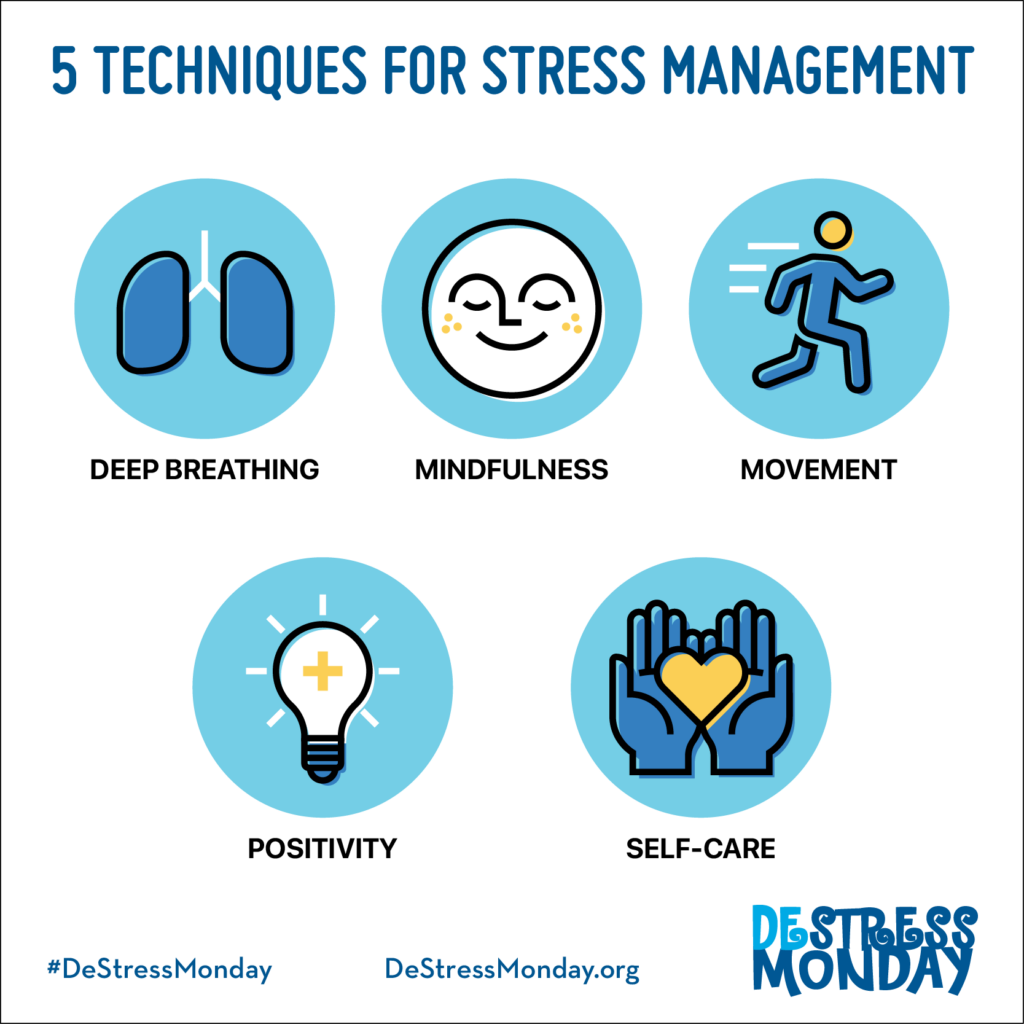
Practicing mindfulness and meditation can greatly reduce stress. These techniques encourage you to focus on the present moment, reducing anxiety about past or future events.
- Mindfulness: Pay attention to your thoughts and feelings without judgment. This can be done anywhere and anytime.
- Meditation: Find a quiet space, close your eyes, and focus on your breath or a particular mantra to calm your mind.
Physical Activity
Regular exercise is a powerful stress reliever. Physical activity promotes the release of endorphins, which are natural mood elevators.
- Aerobic Exercise: Activities like running, swimming, or cycling can help reduce stress levels.
- Yoga: Combining physical postures with breathwork and meditation, yoga offers a holistic approach to stress management.
Balanced Diet
Your diet can directly impact your stress levels. Nutrient-rich foods can enhance your mood and energy levels, while sugary and highly processed foods can exacerbate stress.
| Nutrient-Rich Foods to Include | Stress-Inducing Foods to Avoid |
|---|---|
| Fresh fruits and vegetables | Excessive caffeine |
| Whole grains | Processed snacks and fast food |
| Lean proteins | Sugary drinks and sweets |
| Healthy fats (e.g., avocados, nuts) | High-fat dairy products |
Adequate Sleep
Lack of sleep can amplify stress. Aim for 7-9 hours of quality sleep per night to restore your body and mind.
- Sleep Hygiene: Create a calming bedtime routine, avoid screens before bed, and keep your bedroom dark and cool.
- Relaxation Techniques: Practices like deep breathing or reading a book can help you unwind before sleep.
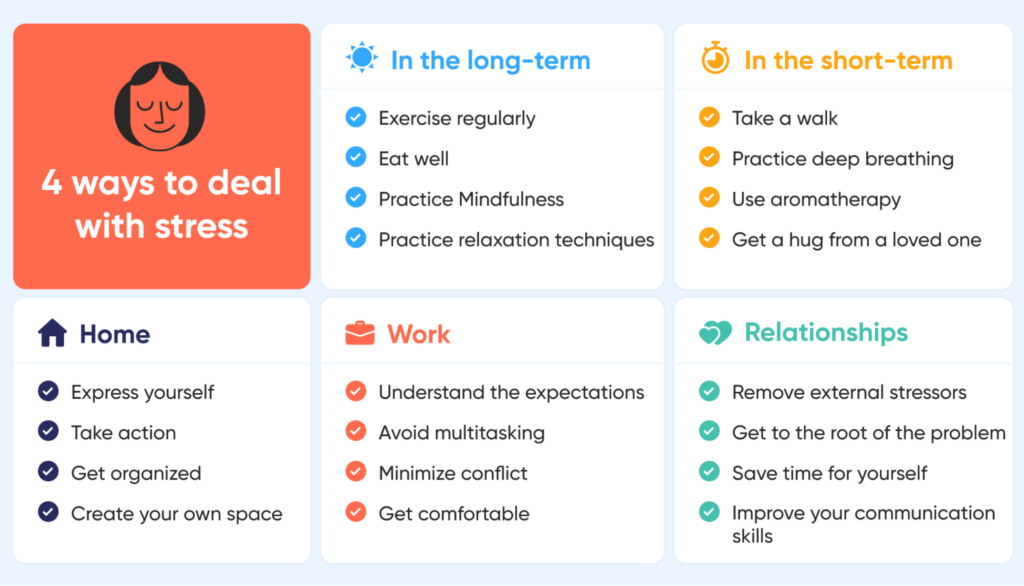
Long-Term Strategies for Stress Management
While daily techniques are crucial, long-term strategies help create a sustainable balance. Here are some methods to develop robust resilience to stress.
Goal Setting and Time Management
Organizing your time effectively can help reduce stress. Set realistic goals and create a schedule to manage your tasks.
- Prioritize: Focus on high-impact tasks and set aside less important activities.
- Break Tasks into Smaller Steps: This makes tasks more manageable and less overwhelming.
Building Strong Relationships
A supportive network of friends and family can act as a buffer against stress. Strong relationships provide emotional support and practical help when needed.
- Communicate Openly: Share your feelings and concerns with trusted individuals.
- Spend Quality Time: Engaging in activities with loved ones strengthens your connection and reduces stress.
Professional Support
Sometimes, professional help is necessary. Therapists and counselors can provide coping strategies and support to manage stress effectively.
- Cognitive Behavioral Therapy (CBT): This form of therapy helps you change negative thought patterns.
- Support Groups: Sharing experiences with others who are going through similar challenges can be incredibly validating.
Developing Resilience
Resilience is the ability to bounce back from setbacks. Building resilience can help you handle stress more effectively.
- Positive Thinking: Focus on what you can control and practice gratitude.
- Strength Building: Engage in activities that build your confidence and skills.
Techniques for Immediate Stress Relief
There are times when you need immediate relief from stress. Here are some quick techniques that can help you calm down during a stressful moment.
Deep Breathing Exercises
Deep breathing can quickly stabilize your mood by reducing your body’s stress response.
- Diaphragmatic Breathing: Inhale deeply through your nose, allowing your abdomen to rise, then exhale slowly through your mouth.
- 4-7-8 Technique: Inhale for 4 seconds, hold for 7 seconds, and exhale for 8 seconds.
Progressive Muscle Relaxation
This technique involves tensing and then slowly relaxing different muscle groups in your body.
- Start at Your Feet: Tense the muscles in your feet, hold for a few seconds, and then release.
- Work Your Way Up: Gradually move to your legs, abdomen, arms, and face, repeating the tensing and relaxing process.
Visualization
Visualization involves creating mental images to take your mind off stress.
- Peaceful Scene: Imagine yourself in a calming place, such as a beach or forest.
- Success Visualization: Picture yourself successfully handling or overcoming a stressful situation.
Lifestyle Changes for Long-Term Stress Reduction
In addition to immediate and daily techniques, lifestyle changes can offer long-term benefits for stress management. Let’s explore some lifestyle adjustments that can contribute to a balanced life.
Regular Physical Activity
Consistent exercise can have a profound effect on stress levels. Aim for at least 150 minutes of moderate aerobic activity or 75 minutes of vigorous activity each week, along with muscle-strengthening exercises on two or more days a week.
Healthy Eating Habits
A nutritious diet supports overall health and contributes to stress reduction. Aim to:
- Eat Regularly: Skipping meals can lead to low blood sugar, which can worsen stress.
- Stay Hydrated: Dehydration can negatively impact your mood and energy levels.
- Limit Alcohol: While sometimes used as a coping mechanism, alcohol can actually increase stress over time.
Adequate Sleep
Prioritize sleep as a crucial part of your stress management strategy. Consistent sleep routines and good sleep hygiene can significantly mitigate stress.
Social Connections
Regular social interactions can improve your mood and provide a support network during stressful times. Make it a point to engage in social activities and nurture your relationships.
Work-Life Balance
Achieving a balance between your professional and personal life is crucial for managing stress.
Setting Boundaries
Clearly define your work and personal time to prevent burnout. This can involve:
- Designated Work Hours: Establish a clear start and end to your workday.
- Dedicated Personal Time: Plan activities outside of work that you enjoy and find relaxing.
Utilizing Breaks
Taking regular breaks at work can help you recharge and reduce stress. Use breaks to do something relaxing or stimulating, like taking a short walk or practicing a quick meditation.
Remote Work Tips
If you’re working from home, maintaining a balance can be particularly challenging. Here are some strategies:
- Create a Workspace: Designate a specific area for work to separate it from your personal space.
- Stick to a Routine: Follow a daily schedule to provide structure to your day.
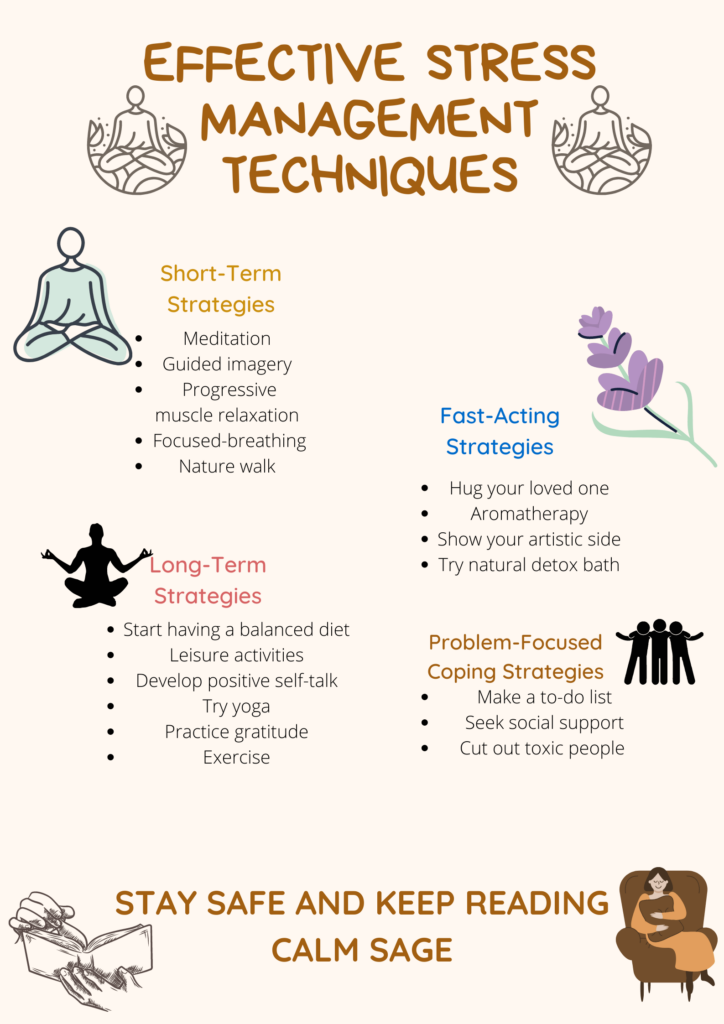
Managing Stress in Specific Situations
Certain situations can be more stressful than others. Here are some techniques to handle specific types of stress.
Work-Related Stress
To manage work-related stress:
- Communicate Effectively: Discuss your concerns with supervisors and colleagues.
- Delegate Responsibilities: Share tasks to avoid feeling overwhelmed.
- Set Reasonable Goals: Aim for achievable milestones to reduce pressure.
Financial Stress
Money worries are a leading cause of stress. Here’s how to cope:
- Budgeting: Create a budget to track your income and expenses.
- Emergency Fund: Save for unexpected expenses to provide a financial cushion.
- Seek Financial Advice: Consult professionals for financial planning and debt management.
Relationship Stress
Relationship issues can be a major source of stress. Effective communication and conflict resolution techniques can help:
- Open Dialogue: Share your thoughts and feelings honestly and listen to your partner.
- Seek Mediation: If conflicts persist, consider relationship counseling.
Incorporating Stress Management in Your Daily Routine
To effectively manage stress, you need to make stress management a part of your daily routine. Here’s how you can integrate various techniques seamlessly into your day.
Morning Routine
Starting your day on the right note can set the tone for a less stressful day.
- Mindful Morning: Spend a few minutes meditating or practicing mindfulness when you wake up.
- Healthy Breakfast: Choose a balanced meal to kickstart your metabolism and energy levels.
During the Day
Incorporate stress-relief techniques throughout your work or activities.
- Short Breaks: Use breaks to practice deep breathing or take a walk.
- Healthy Snacks: Keep nutritious snacks on hand to maintain your energy and mood.
Evening Routine
Unwind and prepare for a restful night with an evening routine.
- Wind Down: Engage in calming activities like reading, gentle stretching, or a warm bath.
- Reflect: Spend a few minutes reflecting on your day and noting any stressors, along with strategies that helped you.
Monthly and Yearly Stress Management Practices
In addition to daily practices, consider adopting monthly and yearly activities that support long-term stress management.
Monthly Activities
- Massage Therapy: Schedule a massage to relieve muscle tension and enhance relaxation.
- Monthly Reflection: Revisit your stress management strategies and adjust them as needed.
- Outdoor Excursions: Plan a day trip to connect with nature and recharge.
Yearly Practices
- Vacation: Plan annual vacations to remove yourself from daily stressors and rejuvenate.
- Health Checkups: Regular medical and mental health checkups can help catch and address stress-related issues early.
Stress Management Tools and Resources
There are many tools and resources available to assist you in managing stress effectively.
Apps for Stress Management
Several mobile apps can guide you through meditation, mindfulness, and other stress-relief techniques.
| App Name | Primary Feature |
|---|---|
| Headspace | Guided meditation |
| Calm | Sleep and relaxation |
| MyFitnessPal | Nutritional tracking |
| Strava | Physical activity tracking |
Books on Stress Management
Reading materials can offer deeper insights into stress management techniques.
- **”The Relaxation and Stress Reduction Workbook” by Martha Davis, Elizabeth Robbins Eshelman, and Matthew McKay: **A practical guide with step-by-step techniques.
- **”When the Body Says No: The Hidden Cost of Stress” by Gabor Maté: **Explores the connection between stress and disease.
Online Support Groups
Connecting with online communities can provide additional support and shared experiences.
- Reddit: Various subreddits focus on stress, anxiety, and mental health.
- Facebook Groups: Numerous groups offer support and tips for managing stress.
Conclusion
Stress is an inevitable part of life, but it doesn’t have to control you. By integrating effective stress management techniques into your daily routine, adopting long-term strategies, and utilizing helpful resources, you can achieve a balanced and fulfilling lifestyle. Remember, it’s about finding what works best for you and making consistent efforts to prioritize your well-being. With these tools at your disposal, you’re well on your way to a less stressed, more balanced life.