
Have you ever found yourself standing in the grocery store overwhelmed by the sheer number of choices? Navigating the aisles with ease and making healthier choices can sometimes feel like a daunting task. Fortunately, with a few essential tips, your next grocery shopping trip can be a breeze, and your pantry can be stocked with nutritious options that benefit your health and well-being.

Know Before You Go
Plan Your Meals
Creating a meal plan for the week can significantly streamline your grocery shopping experience. By having a clear idea of what you want to prepare, you only purchase the ingredients you need, reducing waste and saving money.
Make a Shopping List
Once your meals are planned, jot down the required items in a shopping list. This list serves as your guide and helps you stay focused, avoiding unnecessary purchases. Make sure to categorize items by section (produce, dairy, grains, etc.) to make your trip more efficient.
Don’t Shop Hungry
A hungry shopper is often an impulsive shopper. Eating a small snack before you go grocery shopping can prevent you from buying unhealthy snacks you might not otherwise purchase.
Navigating the Store
Stick to the Perimeter
Most grocery stores are designed with healthier, fresh foods like fruits, vegetables, meats, and dairy products around the perimeter. Sticking to the outer edges of the store helps you avoid processed foods, which are typically found in the inner aisles.
Visit the Produce Section First
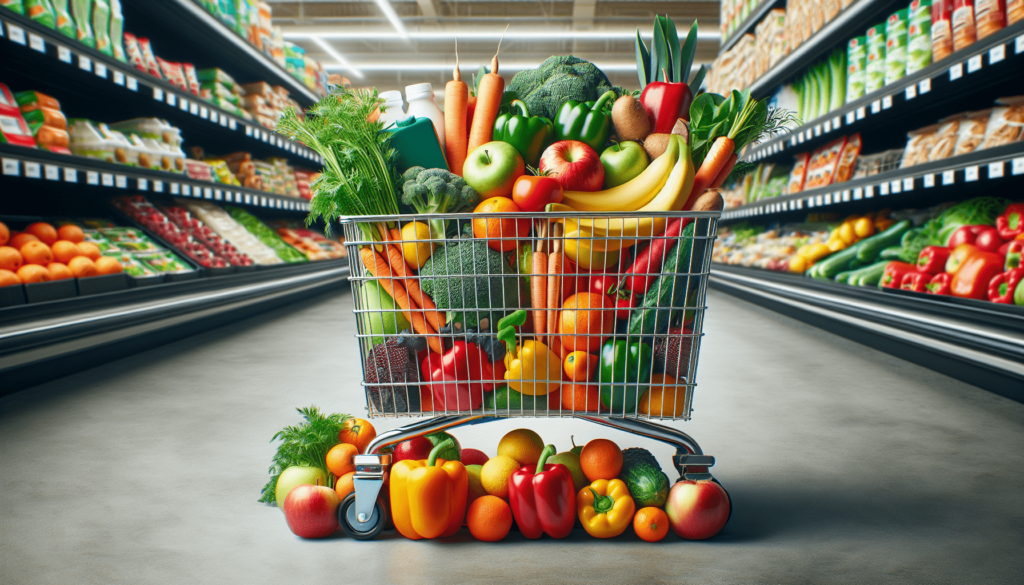
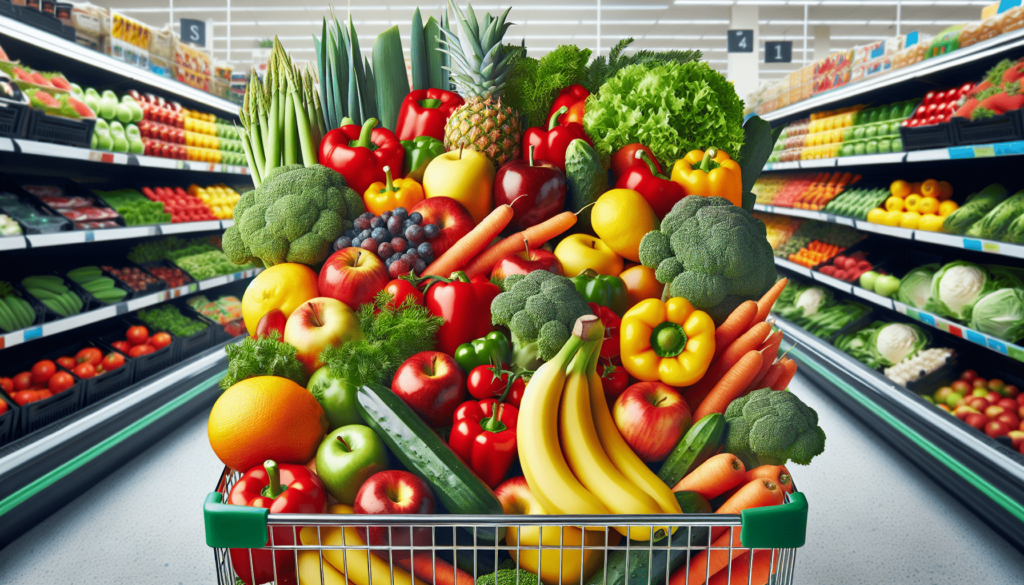
Filling your cart with fresh fruits and vegetables first can help set a healthy tone for the rest of your shopping trip. Opt for a variety of colors to ensure you are getting a range of nutrients.
Be Smart About Sales and Deals
Special sales and bulk deals can be tempting, but it’s essential to evaluate whether you actually need the items and if they align with your healthy eating goals. Buying healthier items in bulk, like whole grains or nuts, can be beneficial, but steer clear of bulk junk foods.
Don’t Skip the Label Reading
Reading the nutrition facts and ingredients list provides valuable insights into what you’re putting into your body. Look out for hidden sugars, unhealthy fats, and added preservatives.

Choosing Healthy Foods
Fruits and Vegetables
Fruits and vegetables are vital for a healthy diet as they are rich in vitamins, minerals, and fiber. Fresh produce should be your go-to, but frozen and canned options can also be nutritious alternatives when fresh options aren’t available. Just be sure to check for added sugars or sodium in canned options.
Whole Grains
Opt for whole grains instead of refined grains. Whole grains like brown rice, quinoa, and whole-wheat bread contain more nutrients and fiber, helping you feel full longer and supporting digestive health.
Protein Sources
Incorporate a variety of protein sources in your diet. Lean meats, fish, poultry, eggs, and plant-based proteins like beans, lentils, tofu, and nuts offer essential nutrients that support muscle health and overall body function.
Dairy and Dairy Alternatives
Dairy products are excellent sources of calcium, vitamin D, and protein. Choose low-fat or non-fat options when possible. If you are lactose intolerant or prefer dairy alternatives, opt for fortified plant-based milk and yogurts.
Healthy Fats
Not all fats are created equal. Focus on healthy fats found in avocados, olive oil, nuts, and fatty fish like salmon. These fats support heart health and aid in the absorption of fat-soluble vitamins.
Avoiding Unhealthy Choices
Sugary Drinks and Snacks
Sugary drinks like sodas and sweetened teas add empty calories to your diet. Similarly, snacks loaded with sugar, such as cookies and candy, offer little nutritional value and can lead to energy crashes. Opt for water, herbal teas, or snacks like fruits and nuts instead.
Processed Foods
Highly processed foods often contain unhealthy ingredients like trans fats, added sugars, and high sodium levels. These can contribute to chronic diseases like heart disease and diabetes. Focus on buying whole, unprocessed foods whenever possible.
Watch Out for Marketing Gimmicks
Terms like “natural” or “low-fat” can be misleading. “Natural” products aren’t always healthier, and “low-fat” often means more sugar. Always read the label to understand what you’re really buying.
Making Budget-Friendly Healthy Choices
Buy in Season
Produce that is in season is often fresher and more affordable. Seasonal fruits and vegetables taste better and provide the most nutrients. Look for local farmers’ markets for great deals.
Store Brands and Bulk Buying
Store brands often offer healthier options at lower prices compared to name brands. Buying in bulk can also be a cost-effective way to purchase healthy staples such as grains, nuts, and frozen fruits and vegetables.
Coupons and Loyalty Programs
Take advantage of coupons and store loyalty programs. Saving a few cents on each item can add up, making healthy choices more affordable over time.
Keeping Safety in Mind
Proper Food Storage
Storing your groceries correctly helps maintain their nutritional value and extends their shelf life. Use airtight containers for grains and nuts. Refrigerate perishable items promptly and at the correct temperature.
Food Safety at Home
Always practice good hygiene by washing your hands, utensils, and countertops before and after handling food. Thoroughly wash produce to remove dirt and pesticides, and ensure meats are cooked to appropriate temperatures to avoid foodborne illnesses.
Sustainable and Ethical Considerations
Organic vs. Non-Organic
Organic foods are grown without synthetic pesticides and fertilizers. While they can be more expensive, focusing on buying organic versions of the “Dirty Dozen” (foods with the highest pesticide residue) can be a good compromise for your health and budget.
Supporting Local Farmers
Buying local not only supports your community but also ensures that you are getting fresher, more nutrient-dense produce. Locally-grown food typically has a smaller carbon footprint as well.
Reducing Food Waste
Plan your meals and portion sizes to reduce food waste. Store food properly, and think creatively about how to use leftovers. Composting produce scraps is another excellent way to minimize waste and enrich the soil.
Conclusion
Healthy grocery shopping doesn’t have to be complicated or overwhelming. By planning ahead, making informed choices, and being mindful of nutritional content, you can fill your cart with the healthy, nourishing foods that will support a balanced and vibrant lifestyle. With these essential tips, you’ll be well on your way to making every trip to the grocery store more productive and aligned with your health goals.