
Have you ever wondered how you can get the most out of your workouts by optimizing your recovery process?

Understanding the Importance of Post-Workout Recovery
Your post-workout recovery is just as crucial as the exercise itself. This period allows your muscles to heal, your energy stores to replenish, and your body to strengthen, ultimately leading to better performance in future workouts. Neglecting proper recovery can result in fatigue, injuries, and stagnation in your fitness progress.
What Happens During Recovery?
When you engage in physical activity, your muscle fibers experience tiny tears. Recovery is the process where these muscle fibers heal and grow stronger. Additionally, energy stores like glycogen are replenished, and inflammation is reduced. Proper recovery practices help expedite and enhance these processes to keep you at your best.
Immediate Post-Workout Actions
Hydrate
After your workout, rehydration is vital. You lose a significant amount of fluids through sweat, and it’s important to replenish these. Aim for water or an electrolyte-rich drink to restore balance. Keep in mind, hydration aids in muscle function and helps to prevent cramps.
Cool Down
A proper cool-down session gradually brings your heart rate back to normal and helps to reduce muscle stiffness. Engage in light activities such as walking or gentle stretching for about 5-10 minutes following strenuous exercise.
Nutrition
Consuming the right nutrients after a workout can support muscle repair, replenish energy stores, and reduce fatigue. Focus on a balanced meal or snack with protein, carbohydrates, and healthy fats.
Post-Workout Meal Components
| Nutrient | Purpose | Examples |
|---|---|---|
| Protein | Repairs and builds muscle | Chicken, fish, tofu, legumes |
| Carbohydrate | Replenishes glycogen stores | Rice, pasta, fruits, vegetables |
| Healthy Fats | Reduces inflammation and supports overall health | Avocado, nuts, seeds |
The Essentials of a Good Night’s Sleep
Importance of Sleep
Quality sleep is crucial for overall health and particularly vital for recovery. During sleep, your body goes into anabolic mode, where it repairs tissues, builds muscle, and releases crucial hormones like growth hormone. Strive for 7-9 hours of uninterrupted sleep per night to maximize recovery.
Tips for Better Sleep
- Establish a Routine: Go to bed and wake up at the same times each day.
- Create a Sleep-Friendly Environment: A dark, quiet, and cool room promotes better sleep.
- Limit Screen Time: Reduce exposure to screens at least an hour before bedtime to improve sleep quality.
Active Recovery Techniques
What is Active Recovery?
Active recovery involves engaging in low-intensity exercise on your rest days to promote blood flow and reduce muscle stiffness. Activities can include walking, swimming, cycling, or yoga.
Benefits of Active Recovery
- Improved Blood Circulation: Helps in removing waste products from muscles.
- Increased Flexibility and Mobility: Maintains range of motion and reduces stiffness.
- Mental Relaxation: Provides a mental break while keeping you engaged in light activities.

Importance of Stretching and Flexibility
Types of Stretching
Incorporating stretching can significantly aid your recovery. There are mainly two types:
- Static Stretching: Holding stretches for a prolonged period (e.g., 20-30 seconds) post-workout.
- Dynamic Stretching: Involves moving parts of your body through a full range of motion before workouts.
Benefits
- Prevents Injury: Improves flexibility and balance, reducing the risk of strains and sprains.
- Enhances Performance: Flexible muscles can improve your range of motion and overall workout efficiency.
- Reduces Muscle Tension: Alleviates stress and muscle tightness.
Utilizing Massage and Foam Rolling
Massage
Professional massage or self-massage can help in reducing muscle soreness and tension. Massage promotes blood flow, which can speed up the delivery of nutrients to ailing muscles.
Foam Rolling
Foam rolling releases muscle tightness and improves blood circulation, aiding in faster recovery. Roll out major muscles like hamstrings, quads, and calves for optimal results.

Optimizing Nutrition for Recovery
Balanced Diet
A balanced diet rich in nutrients is pivotal for effective recovery. Ensure you’re consuming adequate amounts of:
- Proteins: Essential for muscle repair and growth.
- Carbohydrates: Vital for replenishing glycogen stores.
- Healthy Fats: Crucial for reducing inflammation and overall well-being.
- Vitamins and Minerals: Support various body functions and recovery processes.
Timing Your Meals
Nutrient timing can impact recovery significantly. Consuming a meal or snack within 30-45 minutes post-exercise can provide your body with the necessary resources to start the recovery process efficiently.
Hydration: More Than Just Water
Why Electrolytes Matter
Water isn’t the only component of adequate hydration; electrolytes like sodium, potassium, and magnesium play significant roles too. These minerals are crucial for muscle function and maintaining fluid balance, especially after heavy sweating.
Best Sources of Electrolytes
| Electrolyte | Found in |
|---|---|
| Sodium | Sports drinks, salted nuts, soups |
| Potassium | Bananas, oranges, spinach |
| Magnesium | Nuts, seeds, whole grains |

Incorporating Rest Days
Importance of Rest Days
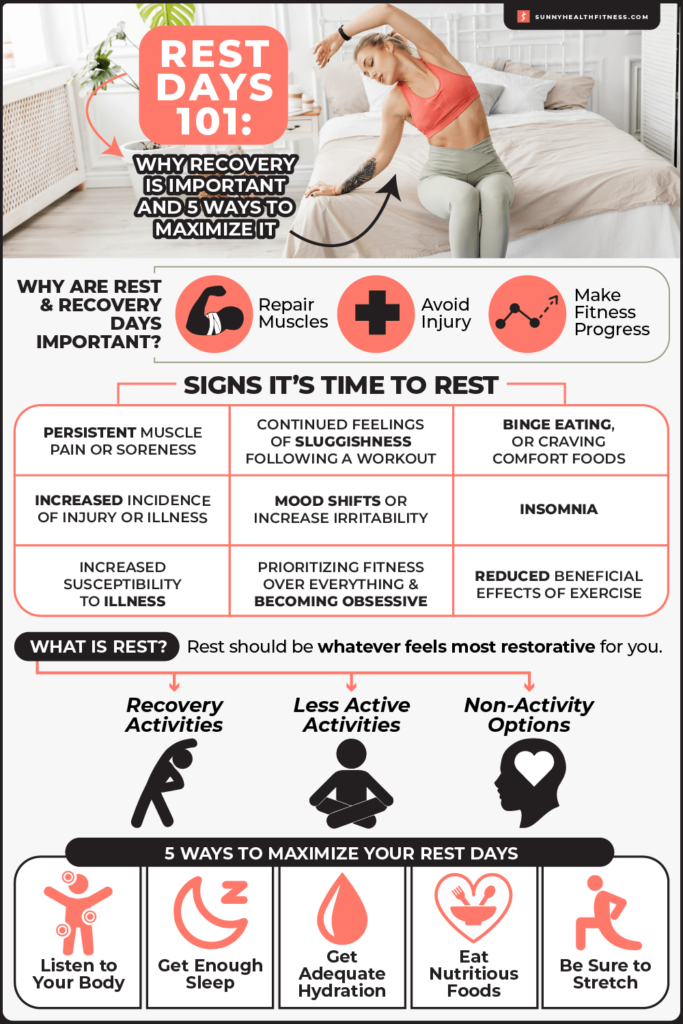
Rest days allow your muscles to recover and grow. They help prevent burnout and reduce the likelihood of injuries. Taking regular rest days aids in maintaining long-term sustainability in your fitness routine.
How to Spend Your Rest Days
Rest days don’t mean you have to be completely inactive. Gentle activities like walking, yoga, or recreational sports can be beneficial. Listen to your body and provide it the rest it needs to come back stronger.
Mental Recovery: The Often Overlooked Element
Importance of Mental Rest
Your psychological well-being is just as important as physical recovery. High-stress levels can impact your sleep, increase muscle tension, and generally inhibit recovery.
Techniques for Mental Recovery
- Mindfulness and Meditation: Helps reduce stress and improve mental clarity.
- Deep Breathing Exercises: Promotes relaxation and lowers cortisol levels.
- Disconnecting: Taking breaks from screens and social media to focus on restorative activities can be incredibly beneficial.
Listening to Your Body
Recognizing Signs of Overtraining
Overtraining can lead to chronic fatigue, decreased performance, and a higher risk of injuries. Be aware of these symptoms:
- Persistent muscle soreness
- Irritability or mood swings
- Increased injuries
- Decreased performance
Adjusting Based on Feedback
Your body provides signs that either support or discourage your fitness regimen. Listen to these signals and adjust your routine accordingly. If you’re feeling unusually fatigued, it might be a sign you need more rest.
Supplements: Are They Necessary?
Common Supplements for Recovery
Some supplements can aid in your recovery, though it’s essential to seek professional advice before incorporating them:
| Supplement | Benefit | Example Products |
|---|---|---|
| Protein Powders | Supports muscle repair and growth | Whey, casein, plant-based proteins |
| BCAAs (Branched-Chain Amino Acids) | Reduces muscle soreness | Various powder or pill forms |
| Omega-3 Fatty Acids | Reduces inflammation | Fish oil, flaxseed oil |
Natural Vs. Supplementation
While supplements can be beneficial, aim to get most of your nutrients from whole foods. Whole foods provide a comprehensive range of nutrients that work synergistically to aid recovery and overall health.
Consistency is Key
Developing a Routine
Consistency in your recovery practices yields better results over time. Establish a routine that includes hydration, proper nutrition, rest, and active recovery. Make adjustments as you learn what works best for your body.
Monitoring Progress
Keep track of your recovery just as you would your workouts. Note improvements in sleep quality, energy levels, and muscle soreness. This will help you refine your recovery strategy over time.
Seeking Professional Advice
When to Consult a Professional
While general tips can significantly aid your recovery, sometimes you might need expert advice. If you’re experiencing persistent pain, ongoing fatigue, or are unsure about your recovery strategy, consulting a healthcare provider, nutritionist, or fitness trainer can provide personalized guidance.
What to Expect
Professionals can offer a more tailored approach to your recovery, considering your specific needs, medical history, and fitness goals. They can help fine-tune your nutrition, suggest appropriate supplements, and offer strategies to improve your overall recovery.
In conclusion, optimizing your recovery after a workout involves a multi-faceted approach. From hydration and proper nutrition to active recovery and mental relaxation, each element plays a critical role in how effectively your body can repair and strengthen itself. By listening to your body and consistently applying these recovery strategies, you’ll be well on your way to achieving your fitness goals while maintaining overall well-being.