
Have you ever wondered how just a few lifestyle changes can transform your health and well-being? Losing weight might seem daunting, but with a personalized fitness plan, you can achieve impressive results. Today, I’ll share my personal journey of losing 20 pounds in 3 months. By the end of this article, you’ll have insights and practical tips to help you on your weight loss journey.

Understanding My Motivation for Weight Loss
Before beginning any transformation, understanding your “why” is crucial. My reasons for losing weight were rooted in both health and personal satisfaction. I wanted to feel more energetic, improve my physical health, and boost my self-esteem. Recognizing these reasons provided me with the motivation to persist, even when the path was challenging.
Health Reasons
I had always been concerned about my health. Carrying extra weight can lead to several health problems, such as hypertension, diabetes, and joint issues. I wanted to eliminate these risks and enjoy a long, healthy life.
Personal Satisfaction
Beyond health, personal satisfaction played a significant role. I wanted to feel more comfortable in my own skin and confident in my appearance. These personal goals kept me focused on my fitness journey.
Setting Realistic Goals
Setting achievable and realistic goals is essential. Unrealistic goals often lead to disappointment and frustration, which can derail your efforts. Here’s how I set my goals:
Short-Term Goals
Short-term goals keep you motivated by providing milestones to celebrate. My short-term goals included losing 1-2 pounds per week and increasing my physical activity gradually.
Long-Term Goals
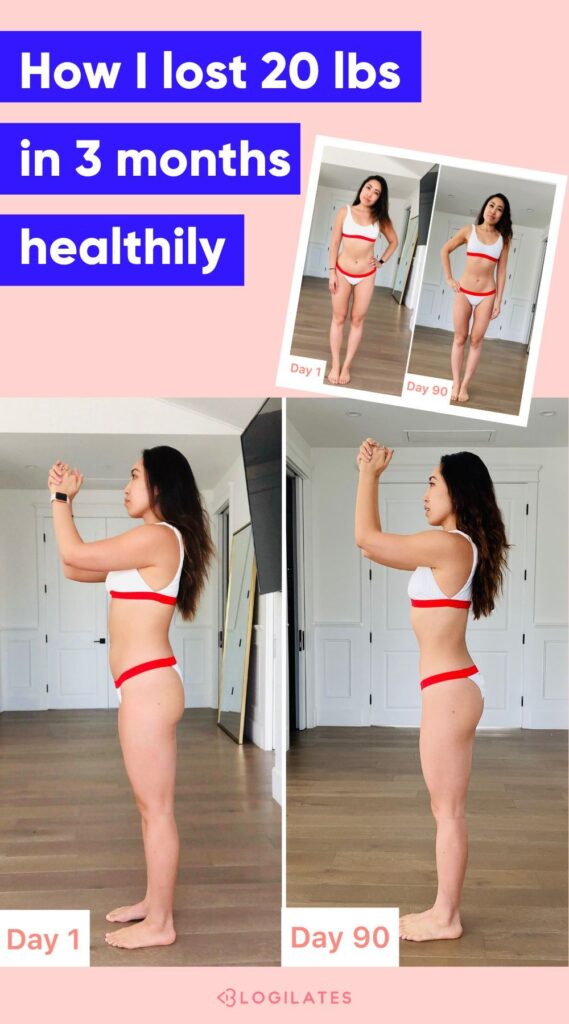
Long-term goals give you a target to aim for. My long-term goal was to lose 20 pounds in 3 months. This goal was both challenging and attainable, encouraging steady progress without overwhelming me.
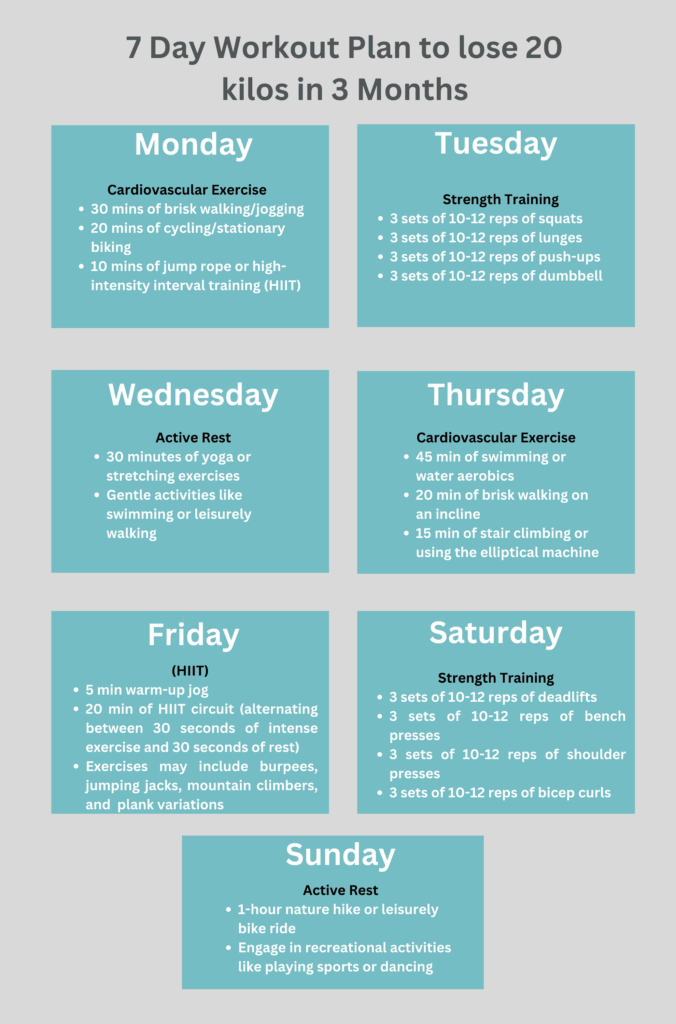
Creating My Personal Fitness Plan
Once my goals were in place, I developed a fitness plan tailored to my needs and lifestyle. This plan included a balanced diet, regular exercise, and adequate rest – key components for successful weight loss.
Nutrition Plan
Diet plays a crucial role in weight loss. I adopted a balanced, nutritious diet that incorporated all essential food groups.
| Food Group | Examples | Benefits |
|---|---|---|
| Proteins | Chicken, fish, legumes | Builds muscle and curbs hunger |
| Carbohydrates | Whole grains, fruits, vegetables | Provides energy |
| Fats | Avocados, nuts, olive oil | Supports cell function |
| Vitamins/Minerals | Leafy greens, nuts, seeds | Enhances overall health |
Key Dietary Changes:
- Reducing Sugar Intake: I cut back on sugary snacks and beverages.
- Portion Control: Using smaller plates helped me manage portion sizes and avoid overeating.
- Hydration: Drinking at least 8 glasses of water daily helped in detoxification and reducing hunger pangs.
Exercise Routine
Physical activity is equally important. Here’s my weekly exercise routine that combined cardiovascular exercise, strength training, and flexibility exercises:
| Day | Activity | Duration |
|---|---|---|
| Monday | Brisk walking | 45 minutes |
| Tuesday | Strength training | 30 minutes |
| Wednesday | Yoga | 60 minutes |
| Thursday | Running | 30 minutes |
| Friday | Strength training | 30 minutes |
| Saturday | Hiking or cycling | 60 minutes |
| Sunday | Rest or light stretch | 20 minutes |
Key Exercise Components:
- Cardiovascular Exercises: Boost metabolism and burn calories.
- Strength Training: Builds muscle, which increases resting metabolic rate.
- Flexibility Exercises: Improve muscle elasticity and reduce injury risk.
Rest and Recovery
Rest is a critical yet often overlooked component. Quality sleep and rest days are essential for muscle recovery and overall well-being. I aimed for 7-8 hours of sleep per night and included at least one rest day per week in my routine.
Keeping Track of Progress
Tracking progress kept me motivated and helped me make necessary adjustments. Here’s how I did it:
Weigh-Ins
I weighed myself once a week, at the same time and under similar conditions to get consistent results.
Measurements
Besides weighing, I took measurements of my waist, hips, and other areas to track changes in body composition. Sometimes the scale doesn’t reflect muscle gain, and measurements can provide a more accurate picture of progress.
Food and Exercise Log
Keeping a food and exercise journal helped me stay accountable. I used an app to log my daily meals and workouts, which also provided insights into my calorie intake and expenditure.
Dealing with Plateaus
Weight loss plateaus are common and can be disheartening. Here’s how I managed to overcome them:
Changing Exercise Routine
Minor changes in your routine can jump-start your metabolism. I introduced new activities like swimming and interval training to my routine.
Reassessing Diet
Sometimes, altering your diet can help. I monitored my macronutrients and adjusted my calorie intake, ensuring I was not eating too little or too much.
Staying Positive
A positive mindset is crucial. Recognize plateaus as a normal part of the process and stay focused on your long-term goals.
Building a Support System
Having a support system makes a huge difference. Support can come from family, friends, or online communities:
Family and Friends
Sharing my goals with family and friends provided encouragement and accountability. They cheered me on during tough times and celebrated my successes.
Online Communities
Online fitness forums and social media groups offered a wealth of advice, support, and inspiration. Engaging with others on a similar journey helped me learn from their experiences and stay motivated.

Maintaining the Weight Loss
Losing weight is just the beginning; maintaining it is equally important. Here are the strategies I used to maintain my weight loss:
Consistent Exercise
I continued to exercise regularly. My routine became a lifestyle rather than a temporary measure.
Balanced Diet
I stuck with a balanced diet, occasionally allowing myself treats in moderation to avoid feelings of deprivation.
Regular Check-Ins
Periodic weigh-ins and measurements helped ensure I stayed on track. Adjustments were made when necessary to maintain my weight.
Reflecting on the Journey
Reflecting on your progress can be incredibly rewarding. Here’s what I learned:
Patience and Persistence
Weight loss is a gradual process. Patience and persistence are key to overcoming challenges and achieving your goals.
Self-Discovery
The journey revealed strengths I didn’t know I had, boosting my confidence and self-belief.
Improved Health and Happiness
Beyond physical changes, I experienced improved health, increased energy levels, and greater happiness. The benefits went far beyond the number on the scale.

Practical Tips for Your Weight Loss Journey
Here are some practical tips based on my experience to help you succeed in your weight loss journey:
Start Small
Don’t overwhelm yourself with drastic changes. Start with small, manageable adjustments to your diet and exercise routine.
Stay Hydrated
Drinking water is vital for weight loss and overall health. It helps control hunger and maintains bodily functions.
Prioritize Sleep
Quality sleep is crucial for weight loss. Ensure you get 7-8 hours of restful sleep each night.
Listen to Your Body
Pay attention to your body’s signals. Rest when you need to and adapt your plan based on how you feel.
Celebrate Milestones
Celebrate your achievements, no matter how small. Every milestone brings you closer to your ultimate goal.
Seek Professional Guidance
If needed, seek advice from a nutritionist or personal trainer. They can provide personalized recommendations and support.
Conclusion
Losing 20 pounds in 3 months was a transformative experience for me. With a tailored fitness plan, realistic goals, and a supportive environment, you can achieve your weight loss aspirations. Remember, every step you take brings you closer to a healthier, happier you. Stay committed, stay positive, and most importantly, believe in yourself. Your journey is unique, and with patience and persistence, you’ll find your path to success.