
Have you ever wondered why some brands have such a loyal community of supporters while others struggle to build even a small following? Building a community isn’t just about having a great product or service; it’s about creating meaningful connections and fostering trust. One effective way to achieve this is through testimonials from satisfied customers.

Understanding Testimonials
What are Testimonials?
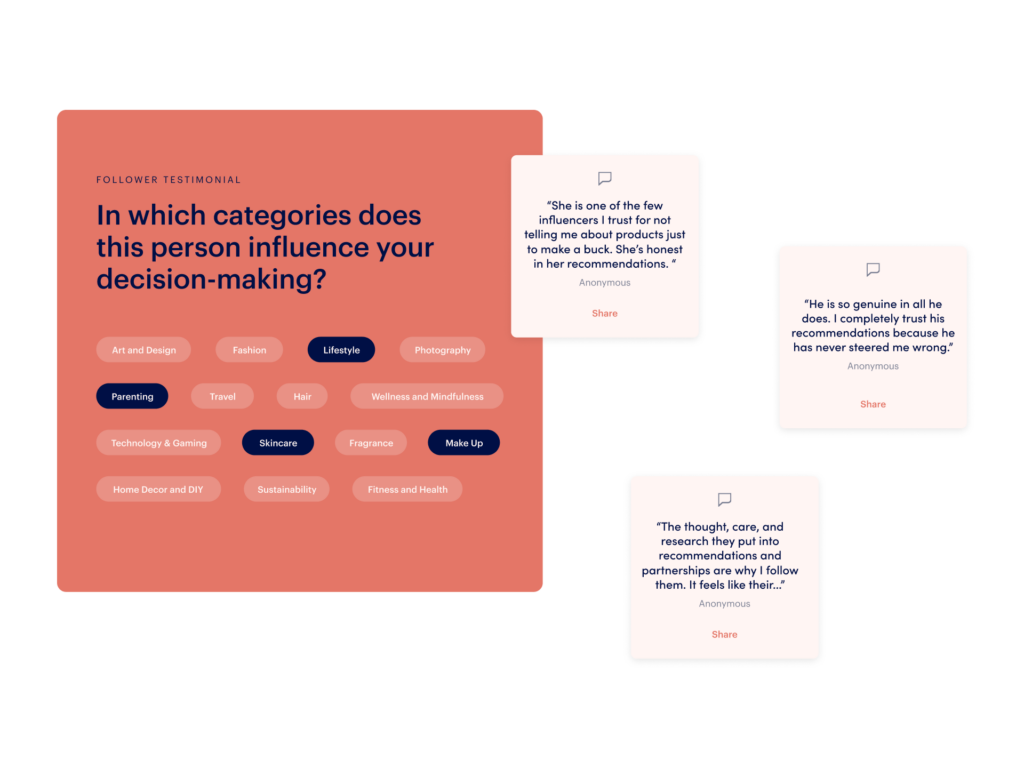
Testimonials are statements or endorsements from your customers that highlight their positive experiences with your product or service. They can come in various forms, such as written reviews, video testimonials, or even brief quotes.
The Importance of Testimonials
Testimonials serve as social proof, showing potential customers that others have had positive experiences with your brand. When people see that others have benefited from what you offer, they are more likely to trust and engage with you.
Different Types of Testimonials
There are several types of testimonials that you can leverage to build trust and create a loyal community. Here are some of them:
| Testimonial Type | Description |
|---|---|
| Written Testimonials | Text-based endorsements that can be featured on your website or marketing materials. |
| Video Testimonials | Visual endorsements where customers share their stories on camera. |
| Social Media Mentions | Positive feedback given on social media platforms like Twitter, Facebook, and Instagram. |
| Case Studies | Detailed reports that document the success a customer has had with your product or service. |
| Influencer Endorsements | Endorsements from industry leaders and influencers who have used your product or service. |
Building Trust with Testimonials
Why Trust is Essential
Trust is the cornerstone of any loyal community. Without trust, it’s difficult to form a meaningful connection with your audience. Testimonials help build this trust by providing credible and authentic experiences.
How Testimonials Build Trust
- Authenticity: Genuine testimonials from real customers show potential buyers that your product or service delivers on its promises.
- Relatability: When people see customers with similar needs and challenges, they can more easily relate, encouraging them to try your offering.
- Proof of Value: Testimonials that outline specific benefits and results can provide tangible proof of your product’s value.
Providing Context to Testimonials
To maximize the impact of testimonials, provide context. For example, mention who the customer is, what they do, and how your product or service helped them solve a particular problem. This added detail will make the testimonials more relatable and credible.

Collecting Testimonials
When to Ask for Testimonials
The best time to ask for a testimonial is when your customer has had enough time to experience the benefits of your product or service. This is often in the later stages of the customer journey, such as after a purchase has been made or a project has been completed.
How to Ask for Testimonials
The method of asking for testimonials can vary depending on the relationship you have with your customer. Here are some effective ways:
- Email Requests: Send a follow-up email asking for feedback and requesting a testimonial.
- Surveys: Include a section in your customer satisfaction surveys where customers can leave testimonials.
- In-Person Requests: For clients with whom you have a more personal relationship, asking in person can be effective.
Making it Easy
Make the process of giving testimonials as easy as possible for your customers. Provide guidelines or templates for written testimonials, and offer to assist in the creation of video testimonials by providing questions or prompts.
Showcasing Testimonials
Where to Display Testimonials
To get the most out of your testimonials, strategically place them where they can have the most impact:
| Location | Benefit |
|---|---|
| Home Page | Creates a positive first impression for new visitors. |
| Product Pages | Provides social proof at the point of decision-making. |
| Landing Pages | Boosts conversion rates by building trust with potential customers. |
| Email Campaigns | Engages subscribers with real-life success stories. |
| Social Media | Reaches a broad audience and encourages shares and interactions. |
Using Visuals
Visual elements such as photographs or company logos can enhance the impact of testimonials. When using video testimonials, incorporate professional editing to ensure high quality and clarity.
The Role of Storytelling
Effective testimonials often go beyond simple praise and tell a story. Stories resonate more with people and are easier to remember. Encourage your customers to share details about their journey, the problems they faced, and how your product or service made a difference.

Leveraging Testimonials for Community Building
Engaging with Your Audience
Testimonials can be an excellent tool for engaging with your audience. Share them on social media platforms and encourage your followers to comment and share their own experiences. This interaction fosters a sense of community and belonging.
Using Testimonials in Marketing Campaigns
Incorporate testimonials into your marketing campaigns to enhance credibility and trust. Whether through email marketing, social media ads, or print marketing, testimonials can provide the third-party validation that potential customers seek.
Case Studies for Deeper Connections
Case studies are an extended form of testimonials that provide an in-depth look into how your product or service solved a particular problem. These can be especially effective in B2B marketing, where decision-makers seek detailed information before making a purchase.
Creating a Testimonial Section on Your Website
A dedicated section on your website for testimonials can serve as a repository for all customer endorsements. Organize this section by categories, such as product type, service, or industry, to make it easy for potential customers to find relevant testimonials.
Ensuring Authenticity
Verifying Testimonials
To maintain credibility, always verify the authenticity of the testimonials you receive. Ensure the feedback is genuine and comes from real customers.
Transparency
Be transparent about the source of your testimonials. Include the customer’s name, job title, and company if possible. This adds an extra layer of credibility and trust.
Avoiding Overuse
While testimonials are powerful, overloading your audience with them can have the opposite effect. Use them strategically and balance them with other types of content.
Measuring the Impact of Testimonials
Key Metrics to Track
To gauge the effectiveness of your testimonials, track key metrics such as:
| Metric | Description |
|---|---|
| Conversion Rate | Measure how many visitors are converted into customers after viewing testimonials. |
| Engagement Rate | Track interactions with testimonials on social media and other platforms. |
| Customer Retention Rate | Monitor the impact of testimonials on customer loyalty and repeat purchases. |
| Brand Sentiment | Analyze the overall sentiment and perceptions towards your brand after sharing testimonials. |
Analyzing Data
Regularly analyze the data to understand the impact of your testimonials. This will help you refine your strategies and utilize testimonials more effectively in the future.
Adjusting Strategies
Based on your analysis, adjust your testimonial strategies. Experiment with different formats, placements, and frequencies to find the optimal approach for your audience.
The Power of Testimonials in the Digital Age
Trust in Online Reviews
In today’s digital age, online reviews and testimonials hold considerable weight. Consumers often turn to online reviews before making a purchase, making testimonials a crucial component of your digital marketing strategy.
The Role of Social Media
Social media platforms offer a dynamic space for sharing testimonials and engaging with your audience. Positive reviews and testimonials shared on social media can reach a wider audience and encourage more user-generated content.
Leveraging Influencer Testimonials
Collaborating with influencers who can provide testimonials not only extends your reach but also enhances your credibility. Influencers often have loyal followings who trust their opinions, making their endorsements particularly impactful.
Customer-Centric Approach
Listening to Your Customers
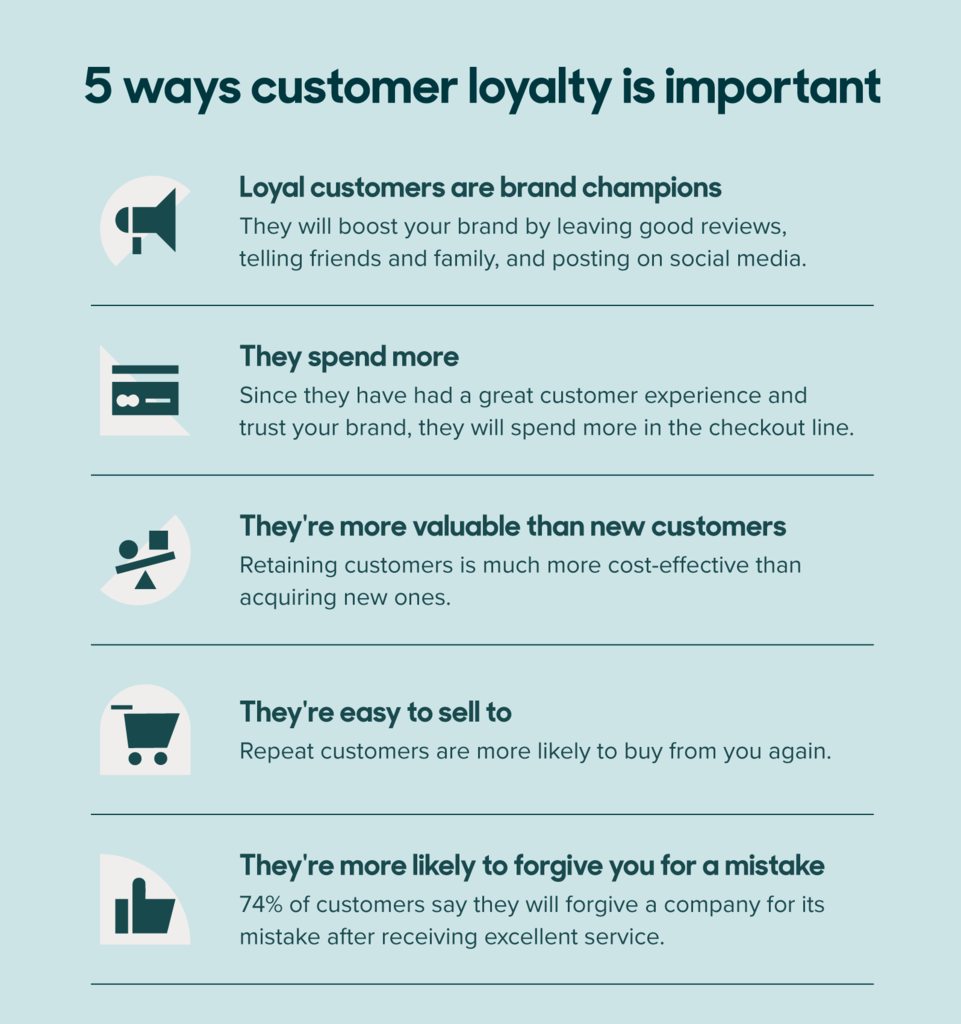
Building a loyal community of supporters starts with listening to your customers. Pay attention to their feedback and experiences, and use this information to improve your product or service. Happy customers are more likely to provide positive testimonials.
Personalization
Personalize your approach when asking for testimonials and when sharing them. Tailored requests and personalized showcases can make your customers feel valued and appreciated.
Celebrating Your Customers
Acknowledge and celebrate the contributions of your customers who provide testimonials. This recognition not only boosts their loyalty but also encourages others to share their experiences.
Ethical Considerations
Honesty and Integrity
Always maintain honesty and integrity when sharing testimonials. Avoid manipulating or fabricating testimonials, as this can damage your reputation and trust with your audience.
Permission and Consent
Ensure you have permission and consent from customers before sharing their testimonials. This is crucial for respecting their privacy and maintaining ethical standards.
Addressing Negative Feedback
While positive testimonials are valuable, it’s equally important to address negative feedback. Show your audience that you are committed to resolving issues and improving your offerings.
Conclusion
Building a loyal community of supporters takes time, effort, and a strategic approach. Testimonials are a powerful tool in this process, providing necessary social proof and building trust with your audience. By understanding the different types of testimonials and how to effectively collect, showcase, and leverage them, you can foster a strong, loyal community that supports your brand.
Remember, the key to utilizing testimonials effectively lies in authenticity, transparency, and engagement with your audience. Celebrate your customers’ successes, listen to their feedback, and always strive to improve their experience. This will not only result in a plethora of genuine testimonials but also help you build a thriving, loyal community.