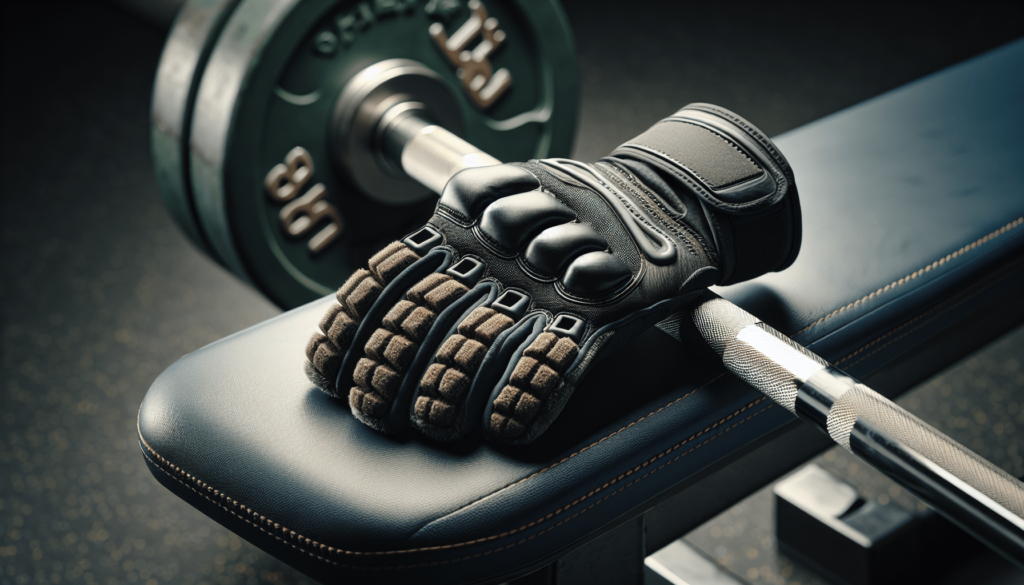
Have you ever found yourself wondering whether you have the right size weightlifting gloves for your lifting routine? Choosing the ideal pair can be a game-changer, making your workouts more comfortable and improving your overall performance. Let’s delve into how you can find the perfect fit for your weightlifting gloves.
Understanding the Importance of Weightlifting Gloves
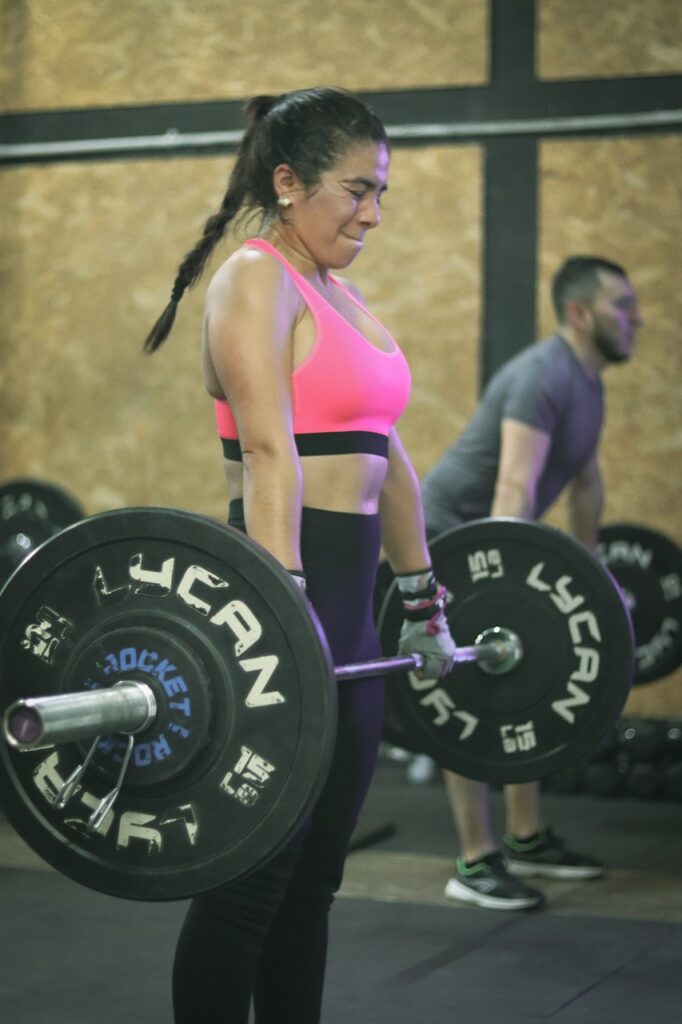
Before diving into the details of sizing, it’s essential to understand why weightlifting gloves are such a crucial part of your gear. Weightlifting gloves provide a variety of benefits, such as improving your grip, protecting your hands from blisters and calluses, and providing wrist support which can help prevent injuries.
Benefits of Weightlifting Gloves
Weightlifting gloves might seem like a small addition to your lifting gear, but the benefits they offer can be significant. Here are some reasons why you should consider wearing them:
- Improved Grip: The material on the palms of weightlifting gloves can help you maintain a better grip on the weights, especially if your hands tend to get sweaty.
- Protection: Gloves can protect your skin from developing calluses and blisters, which can be painful and hinder your workout.
- Safety: Many gloves offer additional wrist support, helping to reduce the risk of injury by stabilizing your wrists during heavy lifts.
Finding Your Perfect Fit
Choosing the right size weightlifting gloves involves more than just grabbing the first pair you see. Here’s a step-by-step guide to help you understand how to find the perfect fit:
Measuring Your Hand
The first step in finding the right size gloves is to measure your hands accurately. Here’s how you can do it:
- Measure Your Palm: Using a flexible tape measure, measure the circumference of your hand just below the knuckles, excluding your thumb. Make sure to keep the tape measure snug but not too tight.
- Length of Your Hand: Measure from the tip of your middle finger to the base of your palm.
Here’s a quick reference table to give you an idea of glove sizes based on hand circumference and length:
| Hand Circumference (inches) | Hand Length (inches) | Glove Size |
|---|---|---|
| 6.5 – 7.0 | 6.3 – 6.7 | Small |
| 7.0 – 7.5 | 6.7 – 7.1 | Medium |
| 7.5 – 8.0 | 7.1 – 7.5 | Large |
| 8.0 – 8.5 | 7.5 – 7.9 | X-Large |
Trying Them On
After measuring, it’s important to try on the gloves to ensure a proper fit. Here are some tips for when you’re testing them out:
- Flex Your Hand: Make a fist and open your hand several times to see how the gloves move with your skin. There should be enough flexibility that the gloves don’t restrict movement but are still snug.
- Check for Gaps: There shouldn’t be any significant gaps between your skin and the glove. Gaps can cause the gloves to move around during your workout, reducing their effectiveness.
- Comfort Over Time: Wear the gloves for a bit to see how comfortable they are over an extended period. Some gloves might feel great initially but become uncomfortable after prolonged use.
Material Matters
The material of the gloves can significantly affect both comfort and fit. Understanding the differences in materials can help you choose the right pair:
- Leather: Durable and provides excellent grip, but can be less flexible.
- Synthetic: Usually more flexible and breathable, which can offer increased comfort.
- Neoprene: Offers good padding and wrist support, but may be less breathable.

Considering Your Lifting Routine
Your specific lifting routine can also influence the type of gloves you should choose. Different exercises and intensity levels necessitate different features in weightlifting gloves:
Heavy Lifting
If your routine involves heavy lifting, you may want gloves with additional padding and wrist support. The extra padding can protect your palms when lifting heavy weights, and the wrist support can help prevent strain during intense sessions.
High Repetition Workouts
For routines focused on high repetitions or more dynamic exercises, lighter and more flexible gloves might be ideal. These gloves can provide the necessary grip without feeling cumbersome, allowing for better maneuverability.
Circuit Training and CrossFit
If you’re into circuit training or CrossFit, gloves that are both durable and versatile are a good choice. Look for gloves that have a balance of support, flexibility, and durability to withstand the different types of exercises these routines often include.
Maintaining Your Weightlifting Gloves
Once you’ve chosen the perfect pair, it’s crucial to take care of them to prolong their lifespan and maintain their functionality. Here are some maintenance tips:
Cleaning
Regular cleaning can prevent odors and bacteria build-up. Most gloves come with specific cleaning instructions, but here are some general tips:
- Leather Gloves: Clean with a damp cloth and mild soap. Avoid soaking them in water.
- Synthetic Gloves: These can usually be washed in a machine on a gentle cycle, but always check the manufacturer’s recommendations.
- Drying: Air drying is the best option to prevent the material from becoming damaged. Avoid direct sunlight and high heat.
Storage
Proper storage can also help maintain the gloves’ shape and functionality. Store them in a cool, dry place and avoid folding or crushing them.
Addressing Common Issues
No matter how perfect your gloves are, you might still encounter some common issues. Here’s how you can address them:
Slippage
If your gloves tend to slip during workouts, it may be due to sweat. Opt for gloves with moisture-wicking properties or use chalk for better grip.
Unpleasant Odors
Regular cleaning and allowing the gloves to air out after each use can help manage odor. You can also use deodorizing sprays designed for sports equipment.
Wear and Tear
Inspect your gloves regularly for signs of wear and tear. Address small issues immediately, like minor tears or loose threads, to prevent them from becoming more significant problems.
Conclusion
Finding the right size weightlifting gloves for your lifting routine can significantly enhance your performance and comfort. By accurately measuring your hands, considering your workout intensity and type, and choosing the right material, you can pick the perfect pair. Remember, proper maintenance and care will extend the lifespan of your gloves, ensuring they remain a trusty part of your fitness regimen.
Whether you’re lifting heavy or engaging in high-intensity interval training, the right gloves can make all the difference. So, take the time to find your perfect fit and enjoy a more comfortable and effective workout experience.